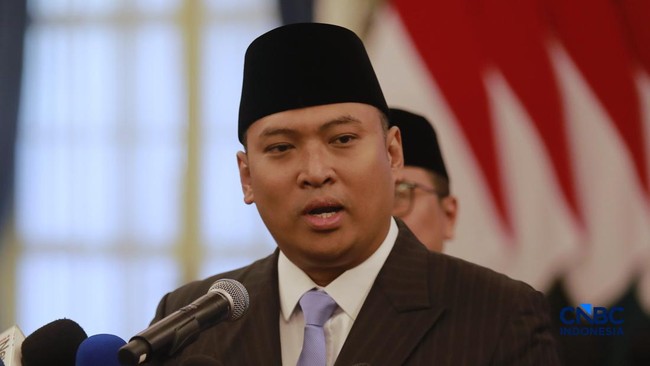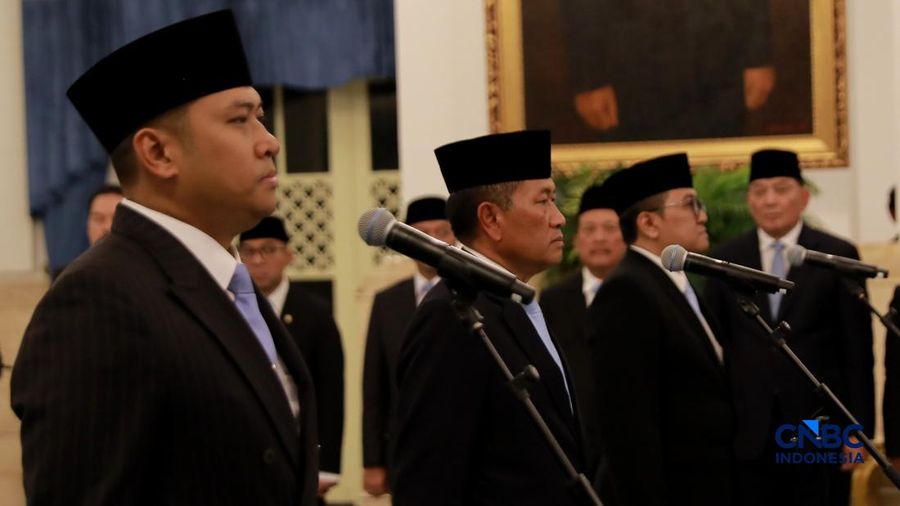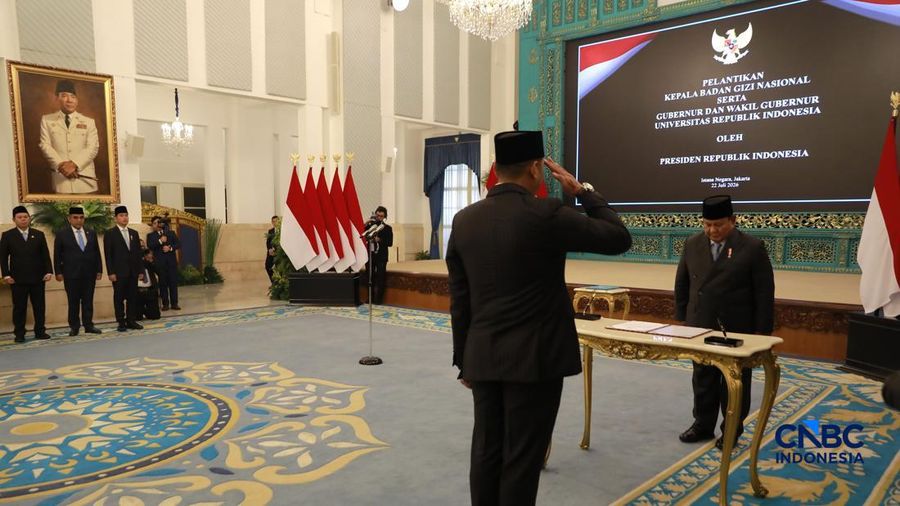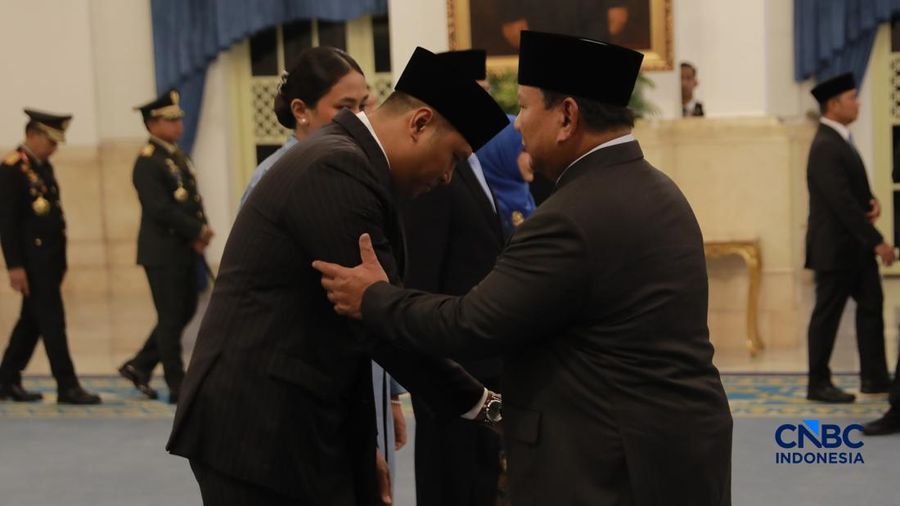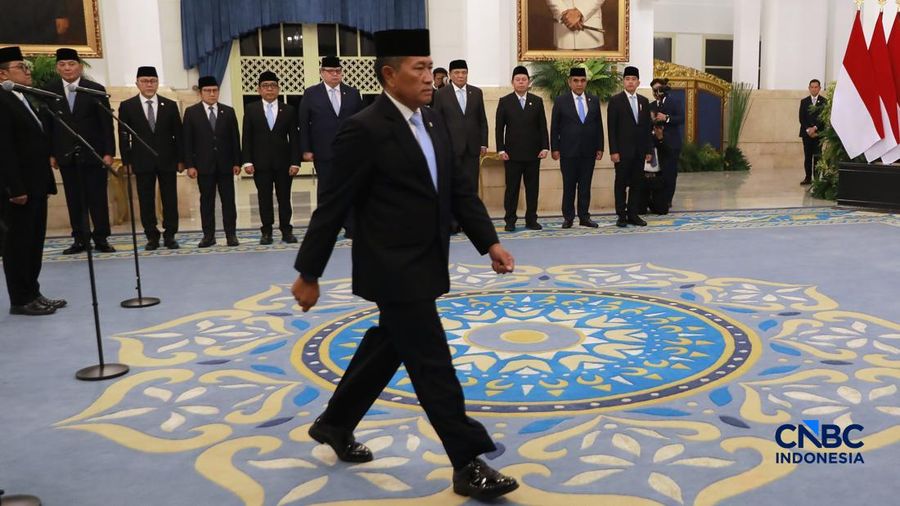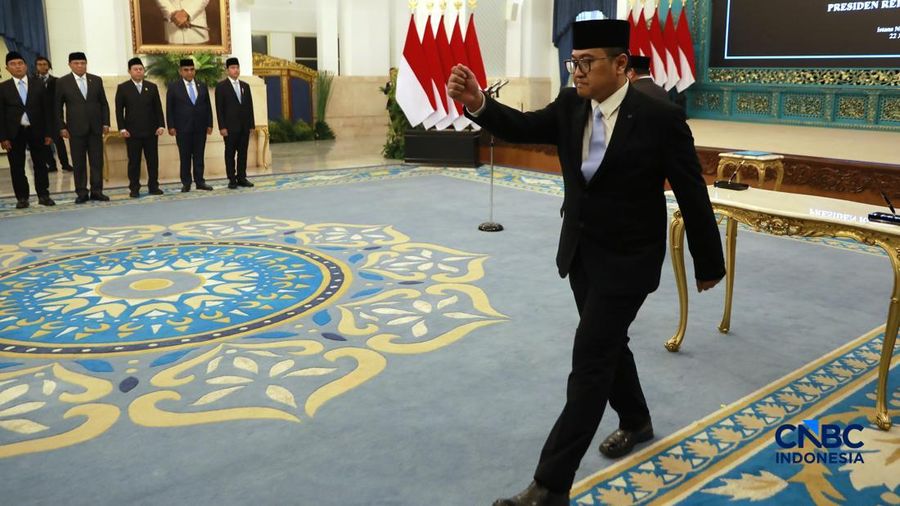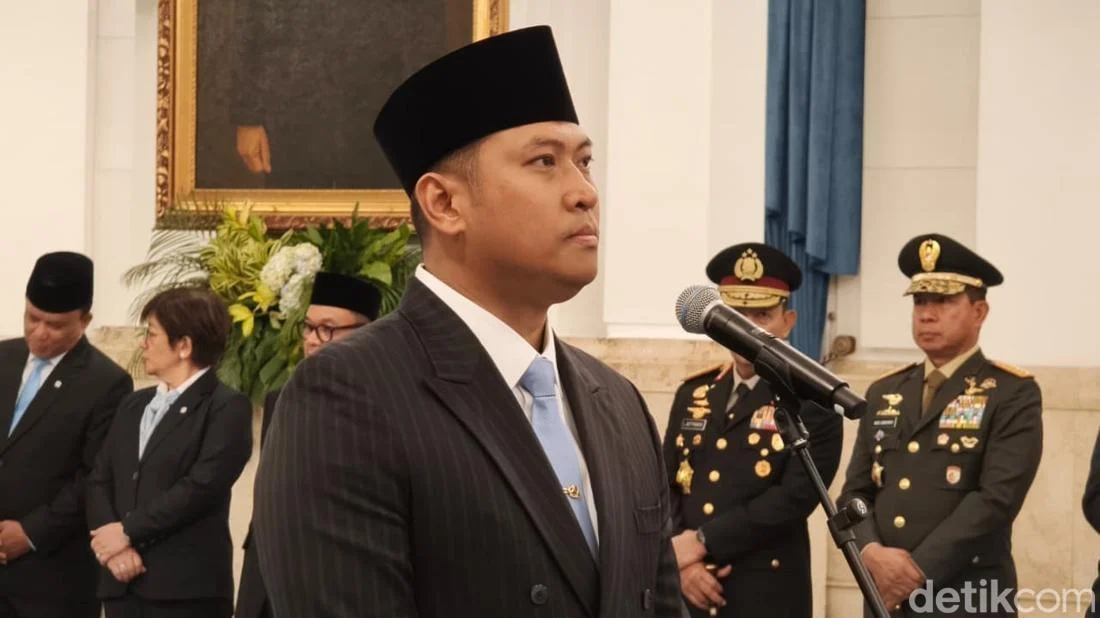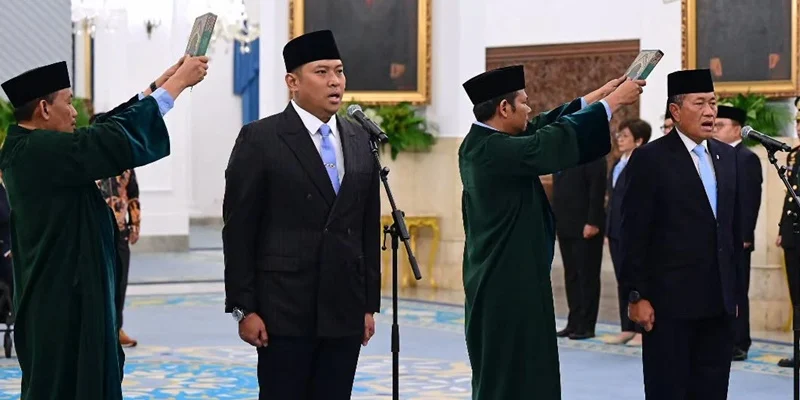
In a significant move to bolster Indonesia’s human capital and strategic development, President Prabowo Subianto on Wednesday, July 22, 2026, officially inaugurated two key officials at a state ceremony held at the Istana Negara in Jakarta. Sudaryono, formerly the Deputy Minister of Agriculture, was sworn in as the new Head of the National Nutrition Agency (BGN), taking over from Nanik S Deyang. Concurrently, Marsekal TNI (Purn) Donny Ermawan, who previously served as Deputy Minister of Defense, was appointed as the Governor of the University of the Republic of Indonesia (URI). The dual appointments underscore the administration’s robust commitment to addressing critical national challenges ranging from public health and food security to advanced education and strategic research.
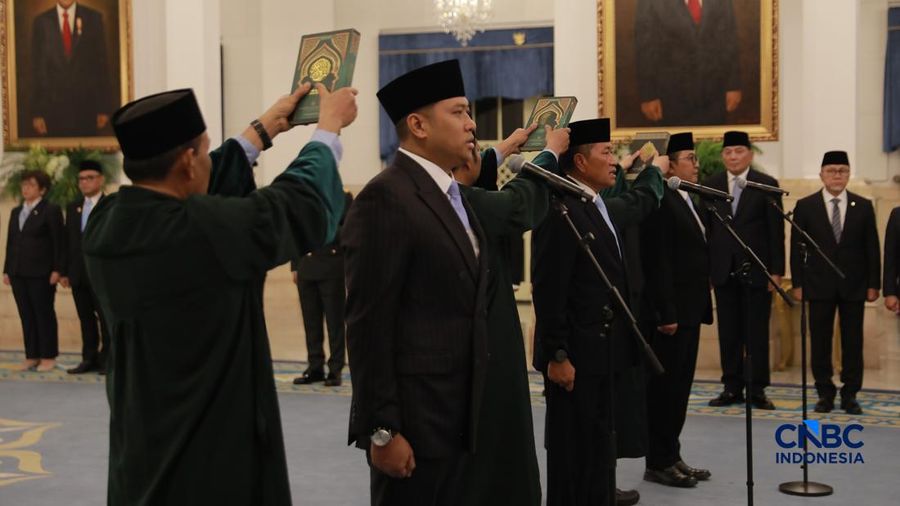
The solemn ceremony saw Sudaryono taking his oath of office with the Holy Quran providing symbolic shade, a traditional practice for Muslim officials in Indonesia, signifying a profound commitment to his new responsibilities. The event, attended by high-ranking government officials, military leaders, and dignitaries, marked a pivotal moment in President Prabowo’s administration as it seeks to accelerate national development through targeted leadership and institutional strengthening. These appointments are seen as strategic placements of individuals with proven track records in their respective fields, aligning with the President’s vision for a resilient, prosperous, and globally competitive Indonesia.
The Mandate for National Nutrition: Sudaryono at the Helm of BGN
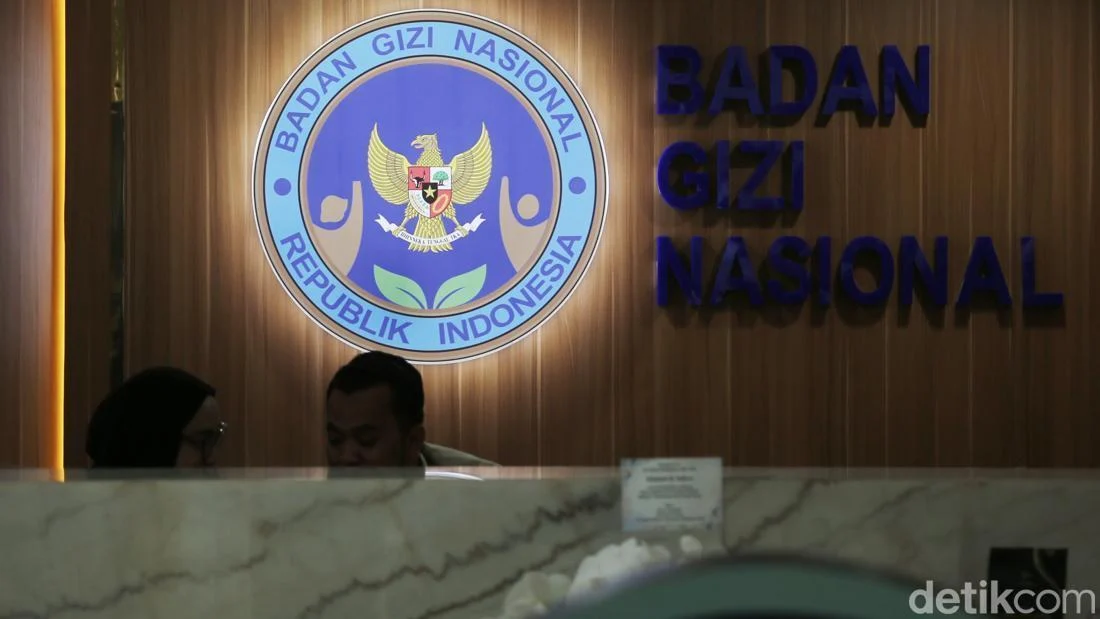
Sudaryono’s appointment as the Head of the National Nutrition Agency is a direct reflection of President Prabowo’s unwavering focus on improving public health outcomes, particularly in the critical area of nutrition. Indonesia has long grappled with persistent challenges related to malnutrition, with stunting rates remaining a significant concern despite various government interventions. The National Nutrition Agency is tasked with the monumental responsibility of coordinating national efforts to combat these issues, ensuring food security, and promoting healthier dietary practices across the archipelago.
Sudaryono brings a wealth of experience from his tenure as Deputy Minister of Agriculture, a role that intimately connected him with the intricate dynamics of food production, distribution, and agricultural policy. His background is expected to provide invaluable insights into strengthening the supply chain for nutritious food, supporting local farmers, and implementing sustainable agricultural practices that can directly impact nutritional intake at the household level. During his time at the Ministry of Agriculture, Sudaryono was instrumental in initiatives aimed at enhancing food productivity and resilience, crucial elements for addressing the root causes of malnutrition. His deep understanding of the agricultural sector, from farm to table, is anticipated to be a significant asset in his new role, allowing for a more holistic and integrated approach to national nutrition strategies.
The BGN’s mandate extends beyond merely addressing stunting. It encompasses a broader spectrum of nutritional issues, including maternal and child nutrition, micronutrient deficiencies, and the rising prevalence of non-communicable diseases linked to poor diet. Under Sudaryono’s leadership, the agency is expected to intensify inter-ministerial coordination, collaborating closely with the Ministry of Health, Ministry of Social Affairs, Ministry of Education, and other relevant bodies to formulate and implement comprehensive, evidence-based nutrition programs. This includes public awareness campaigns, targeted interventions for vulnerable populations, and the development of robust monitoring and evaluation frameworks to track progress effectively. The transition from Nanik S Deyang, whose tenure saw foundational work in establishing the agency’s initial frameworks, is expected to be seamless, with Sudaryono building upon existing programs while injecting new impetus and strategic direction.
Elevating Higher Education: Donny Ermawan as Governor of URI
The appointment of Marsekal TNI (Purn) Donny Ermawan as the Governor of the University of the Republic of Indonesia (URI) signals a bold new direction for higher education in the country, particularly in its strategic contribution to national development and defense. The establishment, or significant re-envisioning, of the University of the Republic of Indonesia itself is a testament to the administration’s ambition to create a flagship institution that serves as a beacon of academic excellence, innovation, and strategic thinking. Donny Ermawan’s background as a retired Air Marshal and former Deputy Minister of Defense positions him uniquely to lead an institution envisioned to cultivate future leaders, advance cutting-edge research, and address complex national security and technological challenges.
Donny Ermawan’s distinguished career in the Indonesian Air Force, culminating in senior leadership positions, has endowed him with exceptional strategic planning, organizational management, and crisis leadership skills. As Deputy Minister of Defense, he played a crucial role in modernizing the nation’s defense capabilities, fostering international cooperation, and developing human resources within the defense sector. These experiences are highly relevant for a university charged with a national mandate, especially one that may integrate elements of defense studies, strategic leadership, science and technology, and public policy. His leadership is expected to instill a culture of discipline, strategic foresight, and national service within URI, aligning its academic pursuits with the overarching goals of national resilience and global competitiveness.
The University of the Republic of Indonesia, under Donny Ermawan, is poised to become a premier institution focusing on areas critical to Indonesia’s future. This could include advanced engineering, cybersecurity, defense technology, maritime studies, strategic geopolitical analysis, and sustainable development. The university is likely to emphasize interdisciplinary research, fostering collaboration between academia, industry, and government agencies. Its mission would involve not only producing highly skilled graduates but also generating innovative solutions to pressing national issues, from technological advancement to policy formulation. Donny Ermawan’s appointment suggests a vision for URI that goes beyond traditional academic institutions, aiming to create a dynamic ecosystem where intellectual rigor meets practical application, specifically tailored to the strategic needs of the nation.
Broader Context and Chronology of Strategic Appointments
The dual appointments on July 22, 2026, are not isolated events but rather integral components of President Prabowo Subianto’s broader governance strategy, which prioritizes human resource development, food sovereignty, and national security. The President’s campaign platform consistently highlighted the importance of investing in the nation’s youth, ensuring robust food supply chains, and strengthening Indonesia’s strategic posture on the global stage. These appointments reflect a deliberate effort to place capable leaders in positions that directly contribute to these core objectives.
The period leading up to these inaugurations would have involved extensive deliberation within the presidential palace and relevant ministries. Typically, such high-level appointments follow a rigorous selection process, often involving presidential decrees and consultations with various stakeholders. For Sudaryono, his transition from the Ministry of Agriculture to BGN would have been carefully considered to leverage his sectoral expertise for a direct impact on public health. Similarly, Donny Ermawan’s move from the Ministry of Defense to lead URI suggests a strategic intent to bridge the gap between defense and academic sectors, fostering a new generation of leaders and researchers with a strong sense of national purpose.
The establishment and strengthening of institutions like the National Nutrition Agency and the envisioned University of the Republic of Indonesia are part of a long-term vision for Indonesia to escape the middle-income trap and become a developed nation by the mid-21st century. This vision necessitates robust human capital—healthy, well-educated, and innovative citizens—supported by strategic institutions. The timeline of these efforts began even before President Prabowo took office, with discussions and policy frameworks gradually solidifying the need for such bodies. The formal inauguration on July 22, 2026, serves as a public declaration of the administration’s resolve to operationalize these critical initiatives.
Official Responses and Anticipated Impact
Following the inauguration, President Prabowo Subianto addressed the nation, emphasizing the strategic importance of these appointments. "Today, we install leaders who will be at the forefront of building a stronger, healthier, and smarter Indonesia," the President stated. "Sudaryono, with his profound understanding of our agricultural landscape, will spearhead our efforts to eradicate malnutrition and ensure every Indonesian child has the chance to thrive. Marsekal Donny Ermawan, a man of immense strategic vision and leadership, will guide the University of the Republic of Indonesia to become a crucible of innovation and national excellence, producing leaders and thinkers who will shape our nation’s future." The President reiterated his commitment to holistic development, stressing that national strength begins with the health and education of its people.
Both Sudaryono and Donny Ermawan expressed their profound gratitude and commitment to their new roles. Sudaryono, in a brief statement to the press, affirmed, "I am deeply honored by the trust placed in me by President Prabowo. The fight against malnutrition and stunting is a national imperative, and I am committed to working tirelessly with all stakeholders to achieve a healthier Indonesia. Our focus will be on integrated programs, data-driven interventions, and empowering communities to make informed nutritional choices." His statement underscored an immediate action-oriented approach, focusing on tangible results.
Donny Ermawan, reflecting on his new academic leadership role, remarked, "The University of the Republic of Indonesia will be a beacon of learning, research, and national service. We will cultivate an environment where critical thinking, innovation, and a strong sense of patriotism flourish. Our aim is to produce graduates who are not only academically brilliant but also possess the leadership qualities and ethical grounding to serve our nation effectively in an increasingly complex world. I look forward to building a world-class institution that directly contributes to Indonesia’s strategic independence and technological advancement." His vision articulated a blend of academic rigor with a clear national purpose, resonating with his military background.
The implications of these appointments are far-reaching. For the National Nutrition Agency, Sudaryono’s leadership is expected to streamline coordination efforts, leading to more efficient allocation of resources and accelerated progress in reducing stunting rates, which currently affect a significant portion of Indonesian children. His agricultural background could lead to innovative programs linking food production directly to nutritional outcomes, such as promoting biofortified crops or strengthening local food systems. The ultimate goal is a healthier population, better equipped to contribute to the nation’s economic and social development.
For the University of the Republic of Indonesia, Donny Ermawan’s tenure is anticipated to foster a new paradigm in higher education. His strategic acumen could transform URI into a hub for defense-related research, advanced technological development, and policy studies that directly inform national strategy. This could include establishing new faculties or research centers focused on emerging technologies, cybersecurity, or critical infrastructure protection. The university could also play a crucial role in national talent development, identifying and nurturing individuals with potential in strategic fields, thereby enhancing Indonesia’s long-term capabilities in defense, technology, and global diplomacy. This strategic direction would position Indonesia more firmly as a significant player in regional and global affairs, underpinned by strong intellectual and technological foundations.
Conclusion
The dual appointments of Sudaryono as Head of the National Nutrition Agency and Donny Ermawan as Governor of the University of the Republic of Indonesia represent a calculated and forward-looking strategy by President Prabowo Subianto. These moves signal a clear commitment to strengthening the foundational pillars of national development: the health and well-being of its people, and the cultivation of intellectual capital and strategic leadership. As these newly appointed officials embark on their challenging yet vital missions, the nation watches with anticipation, hopeful that their leadership will usher in a new era of progress and resilience for the Republic of Indonesia, ensuring a healthier, smarter, and more secure future for all its citizens.