
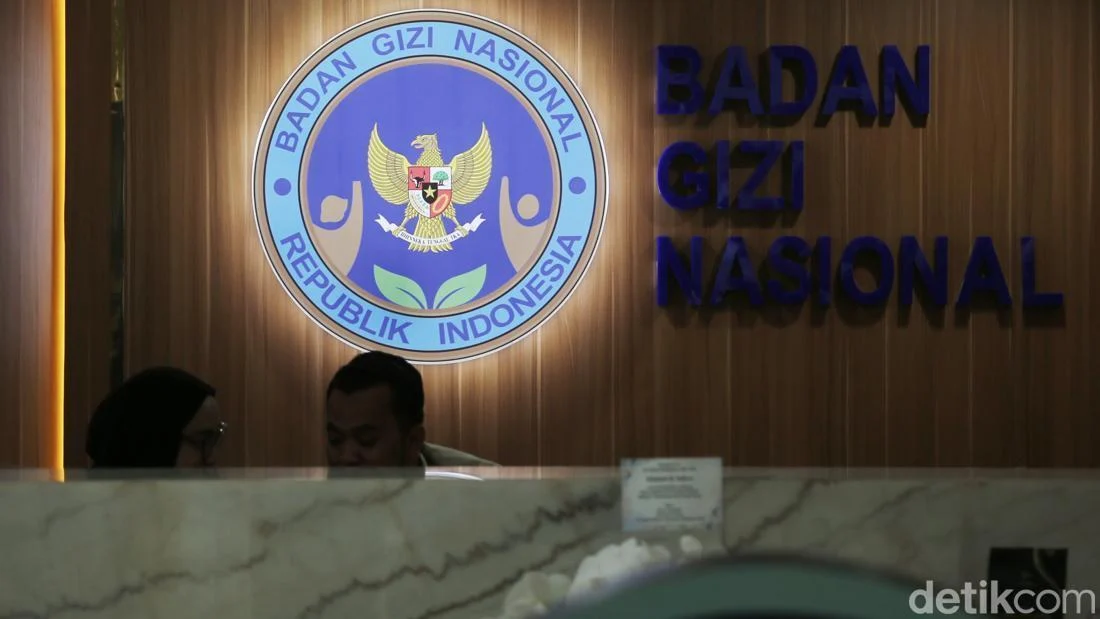
Jakarta, Indonesia – The newly appointed Head of the National Nutrition Agency (Badan Gizi Nasional – BGN), Sudaryono, has publicly expressed his openness and support for the potential formation of a Supervisory Board within the institution. This development comes on the heels of the resignation of his predecessor, Nanik S. Deyang, who cited health reasons for stepping down, and subsequently revealed that President Prabowo Subianto was considering such a supervisory body. Speaking at a press conference held at the BGN office in Central Jakarta on Wednesday, July 22, 2026, Sudaryono affirmed that while he had not yet received formal notification regarding the proposed board, any initiative to bolster oversight would be a positive step for the agency.
"I have not received further information regarding the Supervisory Board. However, our core principle is to work correctly and transparently. The presence of a Supervisory Board would undoubtedly be beneficial," Sudaryono stated, underscoring his commitment to good governance and accountability within the critical public health body. He further emphasized that even in the absence of a formal board, the public inherently serves as a crucial oversight mechanism, and he maintained an open-door policy for any reports of irregularities or malfeasance within the BGN. "All of you, the public, can also act as supervisors. If there are any improper actions, you are welcome to report them. I open myself to all of this," he added, reinforcing the agency’s dedication to transparency and public trust.
BGN’s Critical Mandate and Indonesia’s Nutrition Landscape
The National Nutrition Agency (BGN) plays a pivotal role in Indonesia’s public health ecosystem, tasked with formulating policies, coordinating programs, and monitoring initiatives aimed at improving the nutritional status of the nation. Its mandate is particularly crucial in a country grappling with persistent challenges such as stunting, micronutrient deficiencies, and food insecurity. Indonesia has long faced a dual burden of malnutrition, characterized by both undernutrition, particularly among children, and a rising prevalence of overweight and obesity in its adult population.
According to various national health surveys, stunting, a condition of impaired growth and development due that children experience from poor nutrition, repeated infection, and inadequate psychosocial stimulation, remains a significant public health concern. While Indonesia has made strides in reducing its stunting rates, ambitious targets set by the government, including aiming for a reduction to 14% by 2024, highlight the ongoing urgency of BGN’s work. The agency’s programs encompass a wide array of interventions, from promoting exclusive breastfeeding and complementary feeding practices to ensuring access to nutritious food, fortifying staple foods, and educating communities on healthy dietary habits. Effective and accountable management of these programs is paramount to achieving national health goals and ensuring the well-being of future generations. The BGN’s budget and operational scope are substantial, involving widespread distribution of resources and coordination across multiple ministries and local governments, making robust oversight a critical component of its success.
A Period of Leadership Transition: The Chronology
The discourse surrounding the Supervisory Board gained momentum following a recent leadership change at the BGN. The timeline of events leading to this proposal is crucial for understanding the current context:
- Prior to July 2026: Nanik S. Deyang, a prominent figure with a background in media and politics, served as the Head of the National Nutrition Agency. Her appointment had initially brought a new dynamic to the agency, with expectations of enhanced public engagement and communication strategies.
- Early July 2026 (Implied): Nanik S. Deyang tendered her resignation from the position of Head of BGN, citing health reasons. Her departure created a vacuum at the helm of the vital agency, prompting a swift response from the presidential administration.
- Immediately Following Resignation: Sudaryono was appointed to succeed Nanik S. Deyang as the new Head of BGN. While specific details of his background were not extensively provided in the immediate reports, it is generally understood that such a critical position would be filled by an individual with significant expertise in public health, nutrition, or public administration, often a technocrat chosen for their professional qualifications.
- Wednesday, July 22, 2026:
- Morning/Early Afternoon: Nanik S. Deyang made a significant announcement via her official Facebook account. In her post, she revealed that President Prabowo Subianto was contemplating the establishment of a Supervisory Board for the BGN, and that she had been approached to chair this proposed board. Her statement included a notable personal reflection: "Possibility the president will form a supervisory board where I am asked to be the head of the supervisory board (if meddling seems still possible, the important thing is not to be involved with holding money, acute trauma)." This particular phrase hinted at a strong aversion to direct financial management and underscored the importance of clear separation of financial responsibilities within oversight roles.
- Later on July 22, 2026: Sudaryono held a press conference at the BGN office in Central Jakarta, where he officially commented on the potential formation of the Supervisory Board, expressing his supportive stance despite lacking specific details at that moment. His remarks served as the first official acknowledgment from the current BGN leadership regarding the proposal.
This rapid succession of events, coupled with the revelation from the former head, has put the spotlight on the governance structure of the BGN and the broader commitment to transparency in public institutions.
Nanik S. Deyang’s Revelation and Its Nuances
Nanik S. Deyang’s Facebook post on July 22, 2026, served as the primary catalyst for public discussion about the proposed Supervisory Board. Her candid remarks offered a rare glimpse into the internal deliberations at the highest levels of government and provided crucial context for the initiative. The most striking element of her statement was her personal reflection on the nature of her potential role as chair of the Supervisory Board. Her mention of "acute trauma" related to "holding money" suggests a deep-seated apprehension towards direct financial management, possibly stemming from past experiences or a desire to maintain a clear distance from potential financial controversies.
This sentiment can be interpreted as a strong implicit call for robust internal controls and clear delineation of duties, particularly for individuals in oversight capacities. It implies that a supervisory role, while critical for ensuring accountability, should be insulated from the direct handling of funds to prevent conflicts of interest and maintain objectivity. Her willingness to "meddle" – in the sense of providing critical oversight and guidance – but not to manage finances directly, speaks volumes about the perceived risks and responsibilities associated with financial authority in public office. Her insight underscores the very essence of why supervisory boards are formed: to provide an independent layer of scrutiny over an agency’s operations, including its financial management, without necessarily being involved in the day-to-day allocation of funds.
The Rationale and Implications of a Supervisory Board
The potential establishment of a Supervisory Board for the National Nutrition Agency aligns with broader principles of good corporate governance and public sector accountability. Supervisory boards are typically designed to provide independent oversight of an organization’s management, ensuring compliance with laws and regulations, monitoring performance against strategic objectives, and safeguarding stakeholder interests.
Key Rationale for a Supervisory Board at BGN:
- Enhanced Accountability and Transparency: A supervisory board would add an additional layer of scrutiny over BGN’s operations, ensuring that public funds are utilized efficiently and effectively, and that programs are implemented as intended. This can significantly boost public trust in the agency.
- Risk Mitigation: By independently reviewing internal controls, financial statements, and operational procedures, a board can help identify and mitigate risks related to fraud, mismanagement, or inefficiencies. Nanik S. Deyang’s "acute trauma" comment indirectly reinforces the importance of this function.
- Strategic Guidance: Beyond oversight, a well-constituted board can provide valuable strategic advice and expertise, helping the BGN navigate complex policy challenges and adapt to evolving nutritional landscapes.
- Performance Monitoring: The board can establish key performance indicators (KPIs) and regularly assess the agency’s progress towards its national health objectives, ensuring that the BGN remains focused on its core mission.
- Checks and Balances: For an agency handling substantial budgets and critical public welfare programs, a supervisory board provides an essential system of checks and balances, preventing potential abuses of power and ensuring ethical conduct.
- Presidential Mandate for Good Governance: President Prabowo Subianto’s consideration of such a board reflects a broader commitment from his administration to strengthen governance across state institutions, improve bureaucratic efficiency, and combat corruption. This aligns with his campaign promises and ongoing efforts to reform the public sector.
Potential Benefits for BGN and the Nation:
- Improved Program Outcomes: With enhanced oversight, BGN programs are more likely to be implemented with greater integrity and efficiency, leading to better nutritional outcomes for the population.
- Increased Investor/Donor Confidence: For an agency that may collaborate with international organizations and donors, robust governance structures can enhance confidence and attract further support for vital nutrition initiatives.
- Stronger Public Trust: Transparency and accountability are cornerstones of public trust. A supervisory board can help solidify BGN’s reputation as a responsible and effective public body.
Potential Challenges:
- Defining Scope and Authority: Clearly defining the roles, responsibilities, and authority of the Supervisory Board relative to the BGN’s executive management will be crucial to avoid friction and ensure smooth operations.
- Composition and Independence: The effectiveness of the board will heavily depend on the expertise, integrity, and independence of its members. Political appointments or lack of relevant experience could undermine its credibility.
- Bureaucratic Red Tape: Introducing an additional layer of governance could, if not managed carefully, lead to increased bureaucracy and slower decision-making processes.
- Cost Implications: Establishing and maintaining a supervisory board will incur administrative costs, which must be justified by the benefits it brings.
Broader Context and Precedents
The concept of supervisory boards is not new in Indonesia’s public sector. Many state-owned enterprises (BUMNs) and even some independent government agencies operate with boards of commissioners or supervisory bodies designed to oversee management and ensure accountability to the state. These structures are often seen as vital tools for improving corporate governance, particularly in entities that manage significant public assets or deliver essential public services. The move to establish a similar board for the BGN could signal a trend towards extending these governance frameworks to more strategic government agencies.
This initiative also resonates with global best practices in public administration, where independent oversight bodies are increasingly being adopted to enhance transparency, fight corruption, and improve the efficiency of government services, especially in sectors critical to human development like health and nutrition. For Indonesia, a nation that has consistently striven to improve its standing in governance indices, such measures are vital.
Stakeholder Perspectives and Future Outlook
While Sudaryono has expressed his support, and Nanik S. Deyang has revealed the presidential contemplation, formal announcements are still pending. In the interim, various stakeholders are likely to be closely monitoring developments:
- Public Health Experts and Academia: Experts in nutrition and public health would likely welcome the move, emphasizing the importance of selecting board members with deep knowledge of nutrition science, public health policy, and ethical governance. They would advocate for a board that can genuinely contribute to evidence-based policy making and program implementation.
- Civil Society Organizations (CSOs): Non-governmental organizations focused on good governance, anti-corruption, and public accountability would likely commend the initiative but also call for transparency in the board’s formation process, ensuring diverse representation and a clear mandate. They would also monitor the board’s effectiveness in addressing public concerns.
- Parliamentary Oversight: Members of the relevant parliamentary commissions (e.g., those overseeing health and social affairs) would likely issue statements supporting robust oversight for crucial agencies like the BGN. They might seek assurances that the board’s structure and functions align with legislative frameworks for state institutions.
- Presidential Palace: The President’s office is expected to make a formal announcement once the decision is finalized, outlining the precise structure, mandate, and members of the Supervisory Board. This announcement would likely underscore the administration’s commitment to strengthening public institutions and ensuring effective delivery of public services.
The potential formation of a Supervisory Board for the National Nutrition Agency marks a significant moment in the ongoing efforts to enhance governance and accountability within Indonesia’s public sector. Sudaryono’s welcoming stance, coupled with Nanik S. Deyang’s insights, sets a constructive tone for this initiative. As the government moves forward with its deliberations, the focus will undoubtedly be on establishing a board that is not only independent and competent but also effective in guiding the BGN towards achieving its vital mission of improving the nutritional health of all Indonesians. The success of this endeavor will be measured by its tangible impact on program effectiveness, resource management, and ultimately, the well-being of the nation.

