
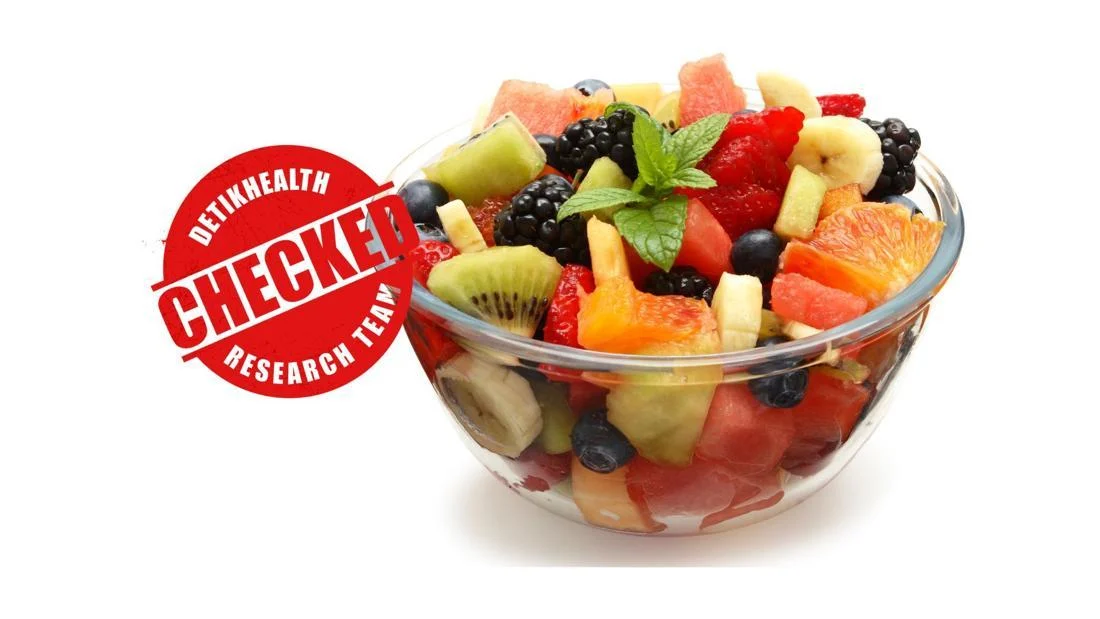
Jakarta – For many, concluding a meal with a piece of fruit has become a common practice, often perceived as a small step towards a healthier diet. Fruits, universally recognized for their natural goodness and rich nutrient profile, are frequently believed to help balance the effects of preceding meals, including maintaining stable blood sugar levels. However, beneath this widely held assumption lies a more complex metabolic reality that warrants closer examination, especially for a generation increasingly conscious of their health and wellness.
The prevailing notion that consuming fruit after a main meal acts as a healthful equalizer, or even a blood sugar stabilizer, is a misconception that has persisted for years. This belief often stems from the inherent association of fruits with natural sugars and essential vitamins. Yet, from a physiological standpoint, the body processes carbohydrates, whether from a savory meal or a sweet fruit, in a fundamentally similar way. When carbohydrates are ingested, they are broken down into glucose, which then enters the bloodstream, impacting blood sugar levels.
This metabolic process is crucial to understanding why a seemingly innocent fruit dessert might not yield the desired blood sugar stability. If a meal is already rich in carbohydrates – such as rice, noodles, or processed foods – and is immediately followed by fruit, the body receives a significant influx of glucose in a relatively short period. This cumulative effect is scientifically measured by the concept of glycemic load (GL), which considers not only the type of carbohydrate but also the quantity consumed in a single sitting. While fruits do contain natural sugars and fiber, which can moderate glucose absorption, their contribution to the total carbohydrate intake remains significant. The fiber present in fruits plays a vital role in slowing down the digestion and absorption of sugars, thereby mitigating a rapid spike in blood glucose. However, this effect is not absolute and can be overwhelmed when consumed in conjunction with or immediately after a high-carbohydrate meal.
Consequently, individuals may experience prolonged elevated blood sugar levels (postprandial hyperglycemia) after such meals. This phenomenon is not an indictment of fruits themselves, which are undeniably nutritious, but rather a consequence of their consumption timing and the overall carbohydrate load of the meal. Therefore, the practice of eating fruit immediately after a substantial meal does not automatically translate into a healthier eating pattern, particularly for those aiming to manage their blood sugar fluctuations.
The nuanced relationship between fruit consumption and blood sugar management has become a growing concern within public health discourse. With the rise of lifestyle-related diseases, including type 2 diabetes, understanding the precise impact of dietary choices is paramount. Data from the World Health Organization (WHO) indicates a global surge in diabetes cases, with projections suggesting a continued upward trend. This underscores the importance of informed dietary habits, especially among younger demographics like Gen Z, who are increasingly proactive in seeking health information and adopting wellness practices.
The Diverse Glycemic Impact of Fruits: A Closer Look
It is a critical oversimplification to categorize all fruits as having the same effect on blood sugar. The way a fruit influences glucose levels is determined by several factors, most notably its glycemic index (GI) and glycemic load (GL). The GI measures how quickly a carbohydrate-containing food raises blood glucose levels after consumption. However, GI alone does not account for the portion size, which is where GL becomes indispensable. GL provides a more comprehensive picture by considering both the GI of a food and the amount of available carbohydrates in a typical serving.
Fruits with a Relatively High Glycemic Index: Rapid Absorption Potential
Certain fruits, often favored for their refreshing taste and hydrating properties, fall into the higher GI category. Examples include watermelon and cantaloupe, which are commonly enjoyed as desserts. According to the International Tables of Glycemic Index and Glycemic Load Values, watermelon has a GI ranging from approximately 72 to 80, while cantaloupe falls between 65 and 70. This indicates that the natural sugars present in these fruits have the potential to be absorbed relatively quickly into the bloodstream, especially when consumed in specific contexts, such as after a meal that has already elevated blood glucose.
In the context of a post-meal consumption, these high-GI fruits can contribute to a more pronounced and rapid rise in blood sugar. While their water content is high, the concentration of carbohydrates per serving, when added to the existing glucose load from the meal, can lead to undesirable blood sugar spikes. This is particularly relevant for individuals managing diabetes or prediabetes, where consistent blood sugar monitoring is essential.
Fruits with a Moderate Glycemic Effect: Context-Dependent Impact
Other fruits, such as papaya and bananas, exhibit a moderate glycemic effect. Their GI values typically fall within the intermediate range, and their impact can vary depending on factors like ripeness. For instance, a ripe banana generally has a higher GI than a less ripe one. Research published in The American Journal of Clinical Nutrition has highlighted these variations, emphasizing that the physiological response to these fruits is not static but can be influenced by their maturity. Therefore, the effect of papaya and bananas on blood sugar levels should be assessed not only by their inherent GI but also by the portion size and the individual’s overall dietary intake at that particular meal.
For Gen Z consumers who may be incorporating these fruits into their daily snacks or as part of a meal, understanding this variability is key. A ripe banana as a standalone snack might have a different impact compared to consuming it immediately after a plate of pasta.
Fruits with a Lower Glycemic Index: More Stable Blood Sugar Profiles
Fortunately, a wide array of fruits offers a more stable influence on blood sugar levels. Apples, pears, and various berries, including strawberries and blueberries, generally possess a GI below 55. This lower GI is attributed to their higher fiber content and different sugar compositions. The data from The American Journal of Clinical Nutrition consistently places these fruits in the low-GI category.
The abundant fiber in these fruits acts as a natural modulator, significantly slowing down the absorption of sugars into the bloodstream. This results in a more gradual and sustained rise in blood glucose, which is generally considered more beneficial for overall metabolic health and for individuals managing conditions like diabetes. These fruits can be excellent choices for snacks, additions to breakfast, or even as part of a balanced dessert, offering sweetness without the dramatic blood sugar fluctuations.
Beyond the Glycemic Index: The Importance of Glycemic Load
While the GI is a valuable metric, it is crucial to remember that it is not the sole determinant of a food’s impact on blood sugar. The concept of glycemic load (GL) offers a more nuanced perspective. As previously mentioned, GL takes into account both the GI of a food and the quantity of carbohydrates in a typical serving.
A compelling example often cited in nutritional science is watermelon. Despite its relatively high GI, watermelon has a low GL because a standard serving contains a modest amount of carbohydrates. This means that while the sugars in watermelon are absorbed quickly, the total amount of sugar introduced into the bloodstream from a typical portion is not exceptionally high. Conversely, a food with a moderate GI but a very large portion size could have a higher GL than a high-GI food with a small portion.
This distinction is vital for informed dietary choices. It highlights that the overall effect of fruit on blood sugar is a product of not just the type of fruit but also the portion size and the context in which it is consumed. For instance, a large serving of watermelon, even with its low GL per typical serving, could still contribute to a significant sugar load if consumed after a carbohydrate-rich meal. Therefore, a balanced approach that considers both GI and GL, alongside portion control and meal composition, is essential for optimal blood sugar management.
Strategic Consumption: Enjoying Fruit Without Sacrificing Blood Sugar Stability
The desire to enjoy the nutritional benefits and inherent sweetness of fruits is understandable and healthy. The key lies in adopting a more strategic approach to their consumption, particularly when blood sugar management is a priority. Eating fruit after a main meal is not inherently forbidden, but optimizing this practice requires mindful consideration.
Recommended Practices ("Do’s"):
- Timing is Crucial: Allow a gap of at least 30-60 minutes between your main meal and consuming fruit. This allows your body to begin processing the carbohydrates from the meal, preventing an overwhelming influx of glucose. For instance, if you had a substantial lunch, consider having your fruit as a mid-afternoon snack rather than immediately after lunch.
- Pair with Protein and Healthy Fats: When consuming fruit, especially those with a higher GI, consider pairing them with sources of protein or healthy fats. For example, enjoy an apple with a handful of almonds, or berries with a dollop of Greek yogurt. These macronutrients slow down digestion and further mitigate blood sugar spikes. This strategy is particularly beneficial for individuals with insulin resistance or diabetes.
- Prioritize Low- to Medium-GI Fruits: Opt for fruits like apples, pears, berries, cherries, peaches, and plums more frequently. Their lower GI and higher fiber content make them excellent choices for consistent blood sugar levels.
- Mindful Portion Control: Even low-GI fruits can impact blood sugar if consumed in excessive quantities. Be aware of recommended serving sizes. For instance, a medium apple or a cup of berries is generally considered a single serving.
- Choose Whole Fruits Over Juices: Fruit juices, even 100% natural ones, are stripped of most of their fiber. This means the sugars are absorbed much more rapidly, leading to sharp blood sugar spikes. Whole fruits, with their intact fiber, offer a slower, more controlled release of glucose.
- Consider Fruit as Part of a Balanced Meal: Incorporating fruit into a balanced meal that includes lean protein, healthy fats, and complex carbohydrates can help moderate its impact on blood sugar. For example, adding berries to oatmeal or a salad with grilled chicken.
Practices to Avoid ("Don’ts"):
- Avoid Fruit as a Direct Dessert: Refrain from making fruit a direct follow-up to high-carbohydrate meals like pasta, rice dishes, or heavily processed foods. This combination maximizes the risk of blood sugar spikes.
- Steer Clear of Sugary Fruit Combinations: Be cautious of fruit salads that are heavily sweetened or combined with sugary syrups or dressings. The added sugars can negate the natural benefits of the fruit.
- Limit Fruit Juices and Dried Fruits: While convenient, fruit juices offer concentrated sugars with minimal fiber. Similarly, dried fruits have a much higher sugar concentration per serving than their fresh counterparts due to water removal. If consumed, portion sizes should be strictly limited.
- Do Not Rely Solely on Fruit for Sweetness: While fruits are a healthy source of sweetness, over-reliance can still contribute to a high overall sugar intake. Balance your diet with other nutrient-dense foods.
- Ignore Individual Responses: Everyone’s body responds differently to food. Pay attention to your own blood sugar patterns, especially if you have a condition like diabetes or prediabetes. Continuous glucose monitoring (CGM) devices can provide invaluable insights into these individual responses.
Broader Health Implications and Future Outlook
The conversation around fruit consumption and blood sugar management extends beyond individual dietary choices, touching upon broader public health initiatives and the growing awareness of metabolic health. For Gen Z, a generation that has grown up with unprecedented access to health information, understanding these nuances is empowering. It allows for informed decision-making that can prevent the onset of chronic diseases like type 2 diabetes, which has seen a concerning rise even among younger populations.
The implications of widespread misunderstanding regarding fruit consumption could contribute to the escalating rates of obesity and metabolic syndrome. Educating the public, particularly younger demographics, on the principles of glycemic load and strategic food pairing is crucial. This knowledge can foster a generation that is more proactive in managing their health and less susceptible to the long-term consequences of poor dietary habits.
As nutritional science continues to evolve, so too will our understanding of how different foods interact with our bodies. The current focus on personalized nutrition, where dietary recommendations are tailored to individual genetic makeup, gut microbiome, and metabolic responses, is likely to gain further traction. This approach may offer even more precise guidance on fruit consumption for optimal health.
In conclusion, fruits remain an indispensable component of a healthy diet, offering a wealth of vitamins, minerals, and antioxidants. However, their impact on blood sugar levels is a dynamic interplay of type, quantity, and timing. By understanding the science behind glycemic index and glycemic load, and by adopting mindful consumption strategies, individuals, especially Gen Z, can continue to enjoy the delicious and nutritious benefits of fruits while effectively managing their blood sugar and safeguarding their long-term health. The sweet truth about fruit is that it can be a powerful ally in wellness, provided it is understood and consumed with wisdom.
Video Spotlight:
For further insights into specific dietary considerations, a recent video report titled "Video: Takjil Kurma Ditambah Butter, Berapa Kalorinya?" (Video: Dates as Takjil with Added Butter, What are the Calories?) offers a practical look at the caloric and potential sugar impact of common food choices, particularly relevant during periods of fasting. This type of content, often found on platforms like 20detik, provides digestible information that complements broader health discussions.
The emphasis on "Waspadai Ancaman Gula" (Beware of the Threat of Sugar) in related content underscores the pervasive nature of excess sugar in modern diets. The acknowledgment that sugar’s presence can be both overt and insidious, leading to conditions like diabetes – often termed the "mother of all diseases" – highlights the urgency of dietary awareness and informed choices.
(fti/up)

