
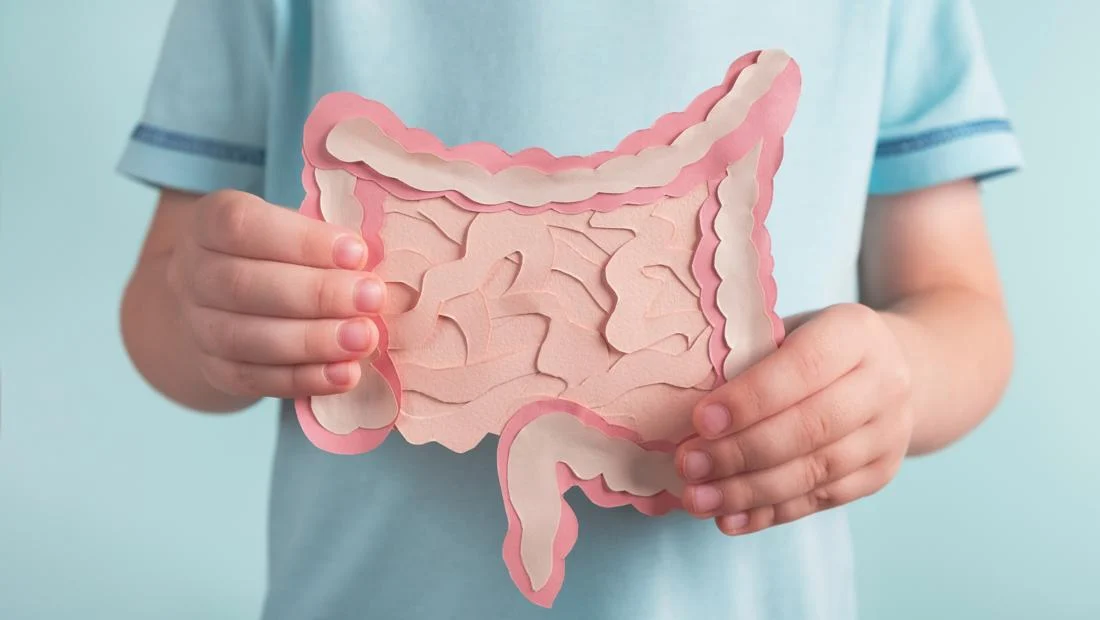
Constipation remains one of the most prevalent gastrointestinal complaints globally, affecting millions of individuals across various age groups and demographics. Defined medically as having fewer than three bowel movements per week, or experiencing stools that are hard, dry, or difficult to pass, this condition often serves as a primary indicator of broader digestive health issues. While occasional constipation is frequently dismissed as a minor inconvenience, its persistent nature can significantly impair the quality of life, leading to discomfort, bloating, and potential long-term complications if left unaddressed.
The Physiology of Digestive Regularity
The human digestive tract is a complex, finely tuned system responsible for the breakdown of nutrients and the efficient elimination of waste. When the transit time of stool through the large intestine slows, the colon absorbs excess water, resulting in the hardened consistency associated with constipation. Modern dietary habits, characterized by high intake of processed foods and low consumption of dietary fiber, have been identified by health organizations as the primary drivers of this dysfunction.
According to clinical nutritionists and gastroenterologists, the physiological necessity for fiber is non-negotiable. For adults, the recommended daily intake typically ranges between 21 and 38 grams, depending on age, biological sex, and caloric requirements. Fiber operates through two distinct mechanisms: soluble fiber, which absorbs water to create a gel-like consistency that eases passage, and insoluble fiber, which adds bulk to the stool, stimulating the intestinal walls to move material through the tract more efficiently.
A Chronology of Dietary Intervention
Historically, the management of constipation has evolved from the use of harsh chemical laxatives to a more nuanced, food-based approach. In recent years, researchers from institutions such as NYU Steinhardt and the Mayo Clinic have emphasized that dietary interventions should be the first line of defense for non-chronic cases.
The shift in clinical guidance has been progressive:
- Early 20th Century: Reliance on stimulant laxatives and mineral oils.
- Mid-20th Century: The rise of fiber-enriched cereal diets.
- 21st Century: Evidence-based, whole-food strategies focusing on high-fiber fruits, vegetables, and the strategic consumption of specific beverages like coffee.
Evidence-Based Dietary Solutions for Intestinal Health
Clinical research has identified several specific food items that act as natural "cleansers" or regulators of the intestinal tract. These foods are not merely anecdotal remedies but are supported by biochemical analysis and observational studies.
1. The Fiber Synergy: Apples and Pectin
The apple, often overlooked in its clinical efficacy, provides approximately 5 grams of fiber per medium-sized fruit, provided the skin remains intact. The skin contains high concentrations of pectin, a soluble fiber that acts as a prebiotic, fostering the growth of beneficial gut bacteria. Dr. Arthur Beyder of the Mayo Clinic notes that pectin facilitates a smoother rhythm of bowel movements, acting as a natural regulator for individuals prone to sporadic constipation.
2. The Kiwi Protocol
Kiwi has emerged as a gold-standard recommendation in modern gastroenterology. In a notable study involving 200 participants, the consistent daily consumption of two green kiwis demonstrated a statistically significant increase in bowel movement frequency. The mechanism is believed to involve a combination of high fiber content and unique enzymes that promote gastrointestinal motility.
3. Prunes: The Natural Osmotic Agent
Prunes (dried plums) have been utilized for generations as a remedy for constipation, and their efficacy is well-supported by modern science. The dual action of high fiber and sorbitol—a sugar alcohol—makes them highly effective. Sorbitol functions as an osmotic agent, drawing water into the intestines, which softens the stool and promotes natural evacuation.
4. Leafy Greens and Insoluble Bulk
Vegetables such as kale, spinach, and Swiss chard provide the essential insoluble fiber required to accelerate transit time. By increasing the volume of the fecal mass, these vegetables exert physical pressure on the colon, which in turn triggers the natural peristaltic contractions necessary for elimination.
5. Beta-Glucans in Oatmeal
Oatmeal offers a dual benefit through its content of beta-glucan. As a soluble fiber, beta-glucan improves the viscosity of the intestinal contents, making them easier to pass while simultaneously serving as a substrate for healthy gut microbiota. A single serving of oats contributes roughly 4 grams of fiber toward the daily requirement.
6. The Role of Coffee
Perhaps the most controversial yet effective "cleanser" is coffee. Research indicates that coffee can stimulate the activity of the large intestine in as little as four minutes after consumption. Interestingly, this effect is not solely dependent on caffeine, as studies have shown that decaffeinated coffee can trigger similar motility responses in a segment of the population. This suggests that other chemical compounds within the coffee bean, such as chlorogenic acids or melanoidins, may play a role in gastrointestinal stimulation.
Clinical Perspectives and Necessary Precautions
While these dietary adjustments are effective for the majority of the population, experts caution that they are not a panacea for all digestive ailments. Ethan Balk, a clinical professor of nutrition, emphasizes that increasing fiber intake must be accompanied by a proportional increase in water consumption. Without adequate hydration, high-fiber diets can actually exacerbate constipation, as the fiber may clump and create blockages within the intestines.
Furthermore, medical professionals advise that the reliance on these foods should be viewed as a proactive lifestyle choice rather than a reactive measure. When diet fails to alleviate symptoms, or when constipation becomes a chronic state, the implications may point toward more serious underlying conditions, including irritable bowel syndrome (IBS), pelvic floor dysfunction, or anatomical obstructions.
Broader Implications for Public Health
The rising prevalence of constipation is a reflection of a global shift toward sedentary lifestyles and ultra-processed diets. The economic impact is also significant; lost productivity and the cost of over-the-counter laxatives account for substantial healthcare expenditures annually. By integrating whole, fiber-rich foods into the standard diet, public health initiatives could potentially reduce the burden on primary care services.
However, the medical community remains clear on the "red flags" that necessitate professional intervention. Patients experiencing any of the following should bypass self-treatment and seek a clinical evaluation:
- Unexplained weight loss.
- Blood in the stool (hematochezia).
- Persistent abdominal pain or cramping.
- Vomiting or fever.
- Sudden, unexplained changes in bowel habits that last longer than two weeks.
Conclusion: A Balanced Approach
The path to a healthy gut is not found in complex supplements or fad cleanses, but in the consistent application of nutritional science. By understanding the functional roles of soluble and insoluble fibers, the osmotic benefits of sorbitol-rich fruits, and the stimulatory effects of coffee, individuals can effectively manage their digestive health.
As research continues to unfold, the focus of the medical community remains on sustainable, long-term dietary patterns. The integration of kiwis, leafy greens, and whole grains into daily meals represents a scientifically grounded approach to maintaining gastrointestinal integrity. Ultimately, while food serves as the primary tool for prevention, the partnership between patient and physician remains the most critical component in ensuring that digestive issues are managed safely and effectively. The future of gut health lies in the recognition that the colon is an organ responsive to the daily choices of the individual, requiring hydration, fiber, and consistency to function at its optimal capacity.

