
The Pyrenees Mountains, a formidable natural barrier stretching between the Iberian Peninsula and the rest of Continental Europe, have long been regarded as a challenging environment for human habitation. At elevations exceeding 2,000 meters, the atmosphere thins, temperatures plummet, and the growing season for vegetation shortens significantly. For decades, the prevailing archaeological consensus suggested that prehistoric communities viewed these high-altitude zones as mere transit points—areas to be crossed out of necessity rather than destinations for settlement or resource exploitation. However, a groundbreaking study published in the journal Frontiers in Environmental Archaeology is fundamentally shifting this perspective.
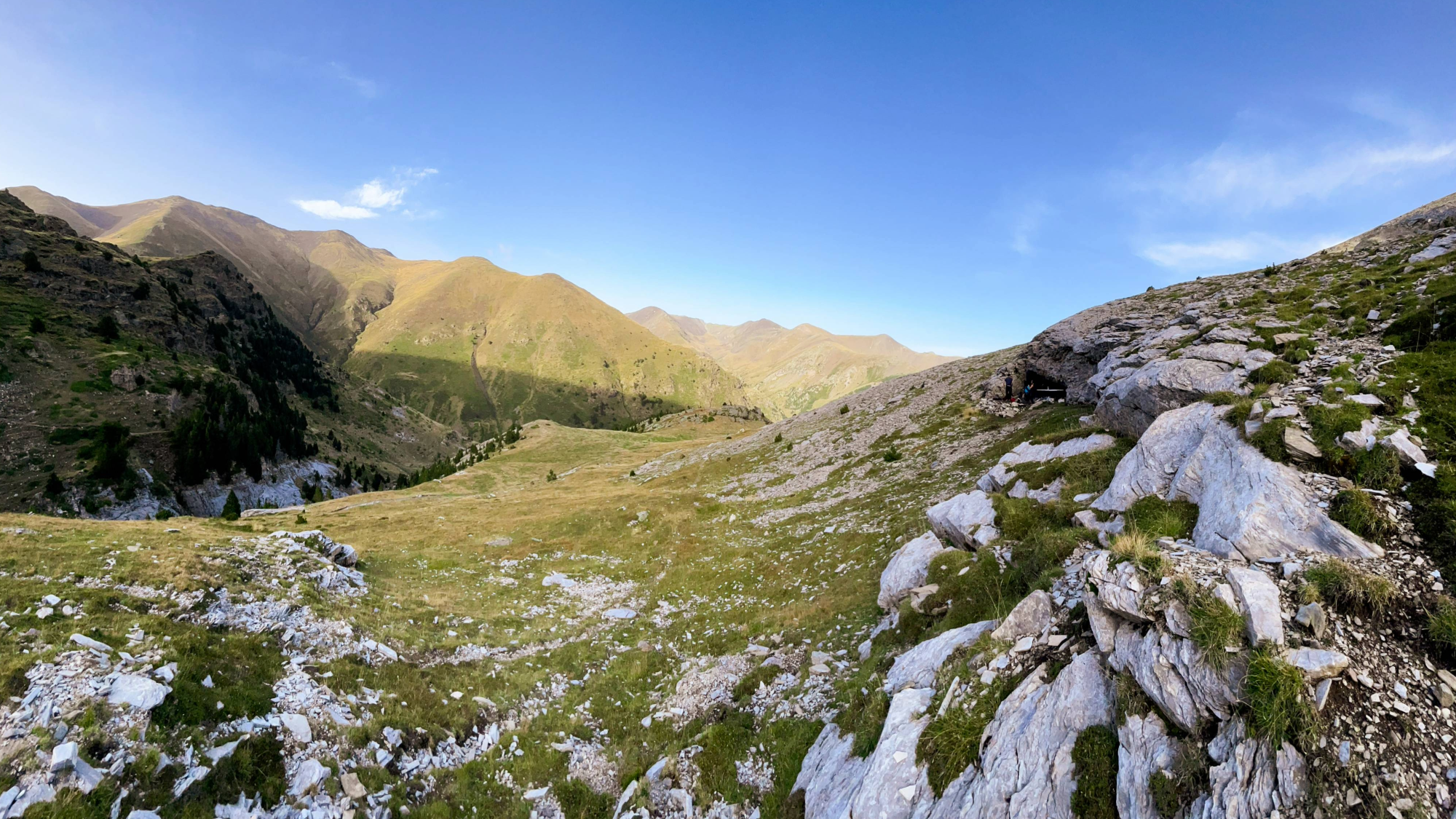
Recent excavations at Cave 338, situated 7,332 feet (2,235 meters) above sea level in Spain’s Núria Valley, have revealed a complex history of human activity spanning millennia. A multidisciplinary team of researchers has uncovered evidence of domestic hearths, sophisticated jewelry, and human remains, suggesting that ancient populations were not only visiting these heights but were utilizing them for specialized industrial and ritual purposes as far back as 5,500 years ago.
The Stratigraphy of Cave 338: A Timeline of Human Presence
The archaeological significance of Cave 338 was uncovered through a meticulous examination of four distinct stratigraphic layers. Each layer represents a different chapter in the cave’s history, providing a chronological map of how human interaction with the high-mountain environment evolved over time.
The oldest identified layer, Layer 4, dates back approximately 6,000 years to the Neolithic period. Evidence from this level suggests sporadic use, likely by nomadic groups or early pastoralists moving livestock through the mountain passes. However, it is Layers 2 and 3 that have provided the most startling revelations. These layers, dating between 3,000 and 5,500 years ago, coincide with the Chalcolithic (Copper Age) and the Bronze Age. During this era, the intensity of activity within the cave increased dramatically.
In contrast, the most recent layer, Layer 1, is notably thin and contains few artifacts. This indicates a decline in the cave’s use during later historical periods, perhaps as lowland settlements became more permanent and the specific resources of the high Pyrenees became less central to the local economy.
Evidence of Early Metallurgy and High-Altitude Mining
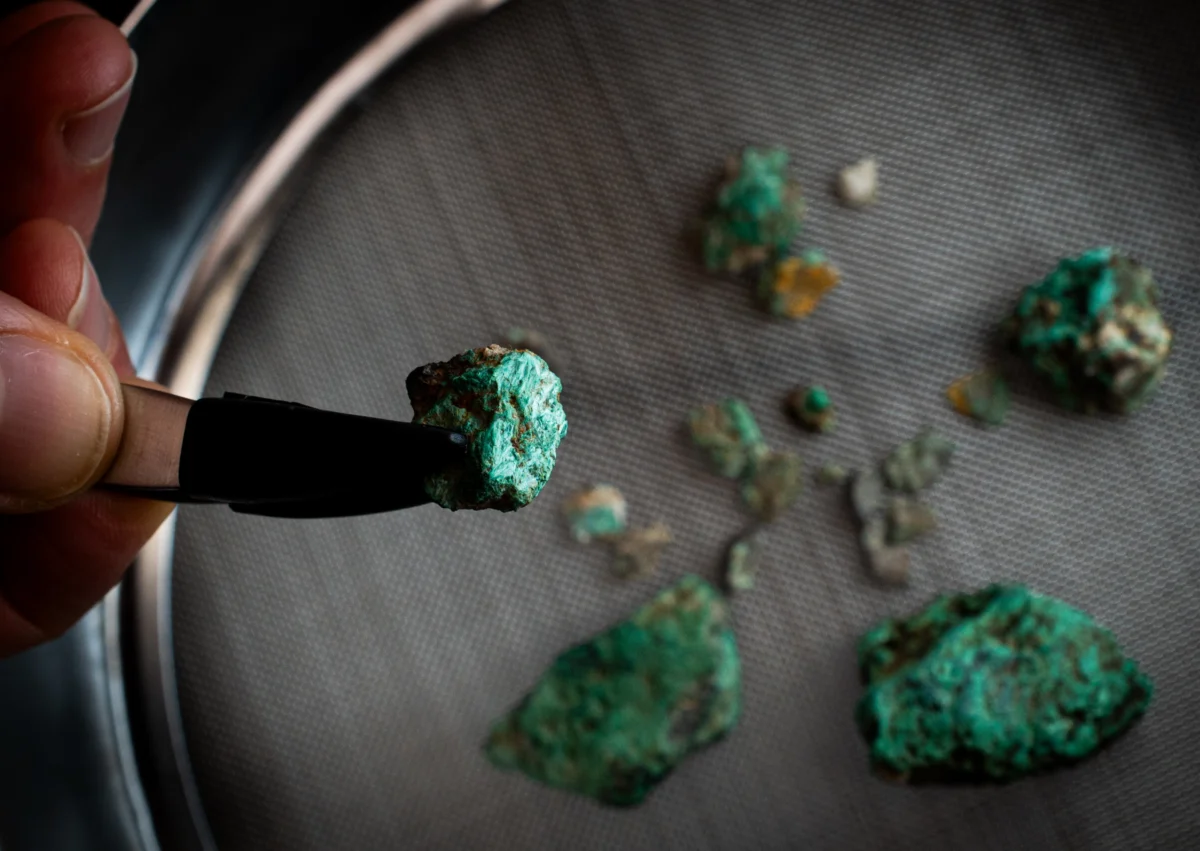
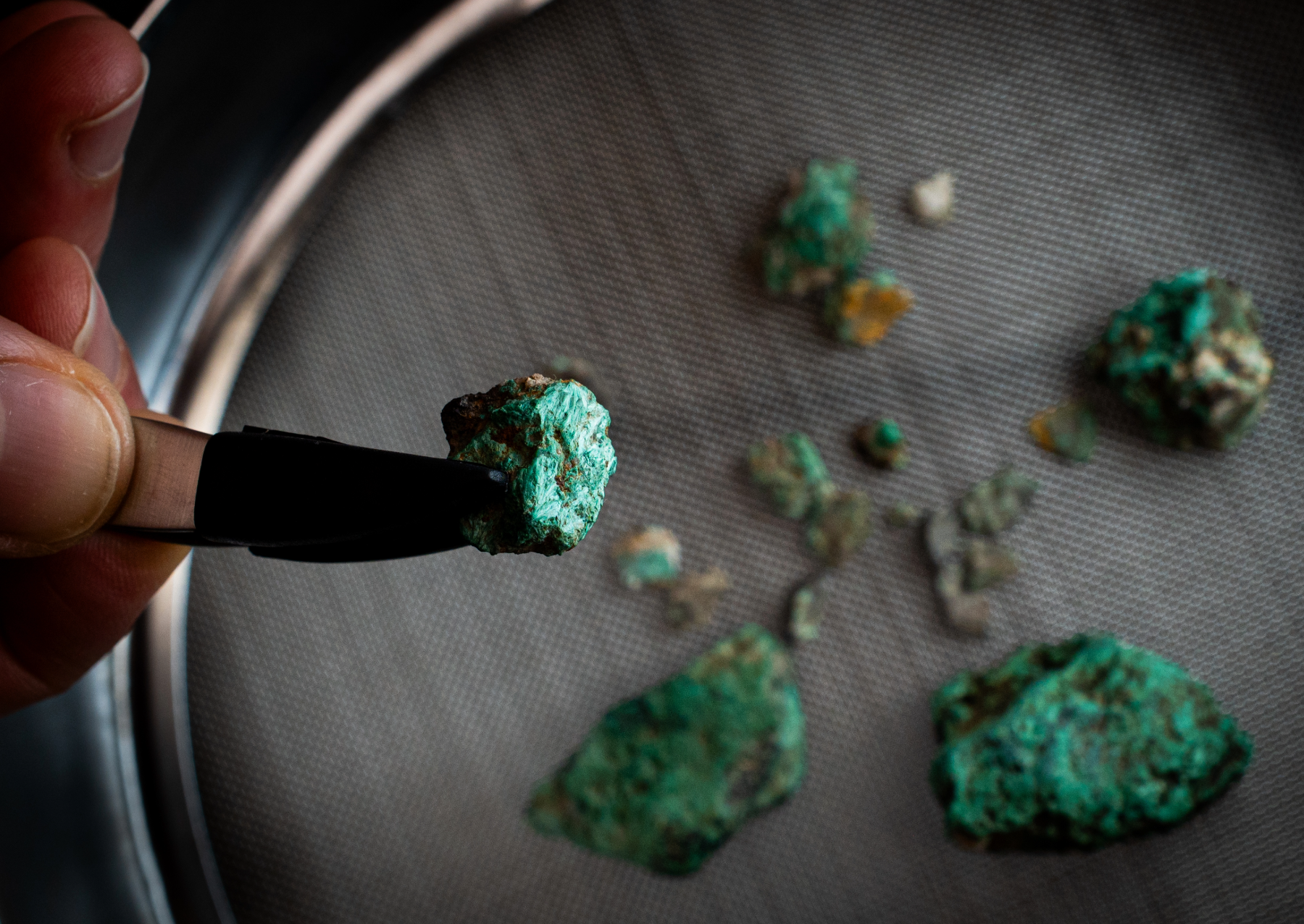
Perhaps the most significant discovery within Cave 338 is the presence of 23 distinct hearths. Unlike simple campfires used for warmth or cooking, these hearths were found to contain high concentrations of crushed, thermally altered green mineral fragments. Preliminary analysis identifies these fragments as malachite, a copper carbonate hydroxide mineral that was highly prized in antiquity as a primary source of copper.
The presence of these minerals suggests that Cave 338 served as a high-altitude mining and processing camp. Dr. Julia Montes-Landa, an archaeologist and archaeometallurgist at the University of Granada and a co-author of the study, emphasized that the burning of these minerals was a deliberate act. The fact that the malachite fragments show signs of thermal alteration while other materials in the cave do not indicates that the occupants were using fire specifically to process the ore.
"In other words, they weren’t burned by accident," Montes-Landa stated. This suggests a level of technological sophistication previously unrecorded at such altitudes in the Pyrenees during the third and fourth millennia BCE. The hearths frequently overlap and cut across one another, a clear indicator that different groups returned to this specific site over centuries to conduct metallurgical activities. This repeated use implies that the location was well-known and integrated into a broader regional network of resource extraction.
Ritual Significance and Human Remains
Beyond its industrial utility, Cave 338 appears to have held a deeper, more symbolic significance for the people of the Núria Valley. Within the third stratigraphic layer, researchers discovered a human finger bone and a deciduous "baby" tooth. Osteological analysis suggests these remains belonged to at least one child who died at approximately 11 years of age.
The presence of human remains in a site also used for mining raises intriguing questions about prehistoric social structures. While it is currently impossible to determine the cause of death or whether the remains belong to the same individual, the discovery suggests that Cave 338 may have served as a secondary burial site or a place of ritual deposition. In many prehistoric cultures, mines and caves were viewed as gateways to the underworld, and the act of processing "living rock" into metal was often accompanied by spiritual practices.
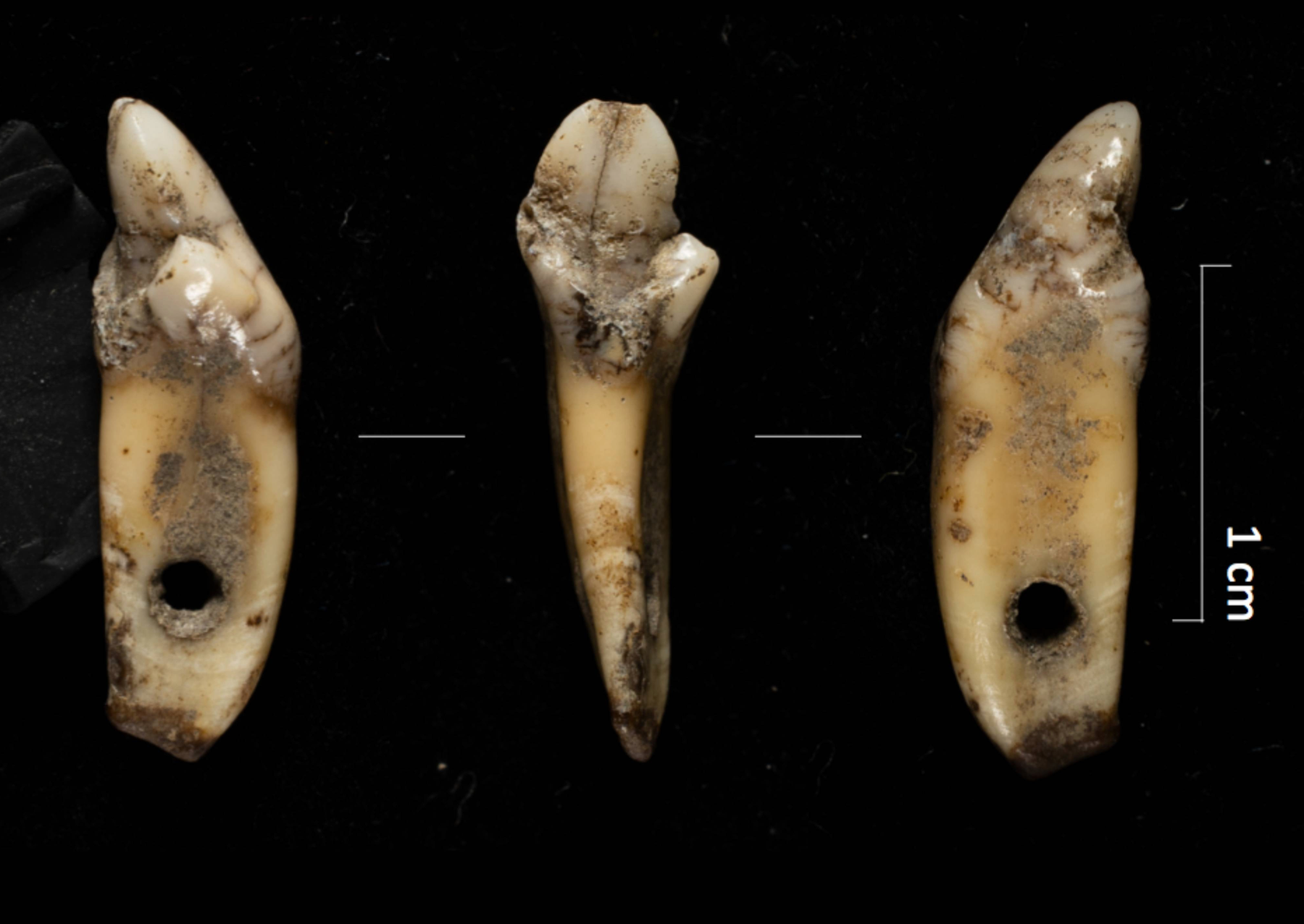
The discovery of two distinct pendants further supports the theory of symbolic or ritualistic use. One pendant, crafted from a sea shell, points to long-distance trade or movement, as the Núria Valley is located far from the Mediterranean coast. The second pendant, made from the incisor of a brown bear, is a rarer find.
Dr. Carlos Tornero, a zooarchaeologist at the Catalan Institute of Human Paleoecology and Social Evolution (IPHES-CERCA), noted that the shell pendant has parallels in other archaeological sites across Catalonia, suggesting shared cultural traditions between mountain and lowland communities. The bear tooth pendant, however, is more specific to the local environment, potentially representing a rite of passage or a symbol of status linked to the hunting of the Pyrenees’ most formidable predator.
Challenging the "Verticality" Model in Archaeology
For years, the study of high-altitude archaeology has been dominated by the "verticality" model, which posits that humans only moved into high elevations seasonally for transhumance—the moving of livestock between summer and winter pastures. While pastoralism was undoubtedly a factor in the Núria Valley, the findings at Cave 338 suggest a much more diversified mountain economy.
The evidence of copper processing indicates that prehistoric humans were willing to endure the physiological stresses of high altitude—including hypoxia and extreme cold—to access valuable geological resources. This suggests that the high Pyrenees were an active part of the economic landscape, contributing to the burgeoning metal trade that defined the Bronze Age in Western Europe.
Furthermore, the duration of these occupations appears to have been more than just overnight stays. While the researchers do not believe Cave 338 was a permanent, year-round residence, the density of the remains and the complexity of the hearth structures suggest stays of medium duration. These were planned expeditions, requiring significant logistical preparation to transport fuel, tools, and food to such an unforgiving height.
Environmental Context and the Prehistoric Climate
To understand why prehistoric humans were active at 7,000 feet, one must consider the environmental conditions of the time. During the Subboreal period (roughly 5,000 to 3,000 years ago), the climate in the Pyrenees was slightly different than it is today. While still cold, there were intervals of relative stability that may have made high-altitude mining more feasible during the summer months.
The Núria Valley provided a unique microclimate and geological profile. The Hercynian basement of the Pyrenees is rich in mineral veins, and the retreat of glaciers following the last Ice Age would have exposed these copper-bearing rocks to early prospectors. The cave itself provided essential shelter from the unpredictable mountain weather, serving as a base of operations for miners and hunters alike.
Future Research and Global Implications
The discovery at Cave 338 is part of a growing body of evidence from around the world—including the Alps and the Andes—showing that prehistoric humans were far more capable of adapting to extreme environments than previously thought. The research team, led by experts from IPHES-CERCA and the University of Granada, plans to return to the site this summer for further fieldwork.
A primary goal of upcoming excavations is to conduct a definitive chemical and isotopic analysis of the green mineral fragments. By "fingerprinting" the copper found in the cave, researchers hope to trace where the finished metal products ended up, potentially mapping out ancient trade routes that linked the high Pyrenees to the Mediterranean and the interior of the Iberian Peninsula.
Additionally, the team hopes to explore deeper into the cave system to determine if there are more extensive burial chambers. The discovery of a child’s remains at such a high altitude is rare and could provide invaluable DNA data regarding the genetic makeup and health of the populations that navigated these peaks 5,000 years ago.
Conclusion: A New Chapter in Mountain History
The findings at Cave 338 represent a significant milestone in European archaeology. They dismantle the image of the high mountains as a desolate "no-man’s-land" and replace it with a vision of a vibrant, exploited, and spiritually significant landscape. The individuals who climbed 7,000 feet into the Núria Valley were not lost travelers; they were miners, artisans, and mourners who saw the peaks not as an obstacle, but as a source of wealth and a sacred space.
As modern science continues to probe the hidden corners of the Pyrenees, it becomes increasingly clear that the history of human innovation and resilience is written even in the thinnest air. The hearths of Cave 338, cold for three millennia, are finally shedding light on the sophisticated lives of our mountain-dwelling ancestors.

