
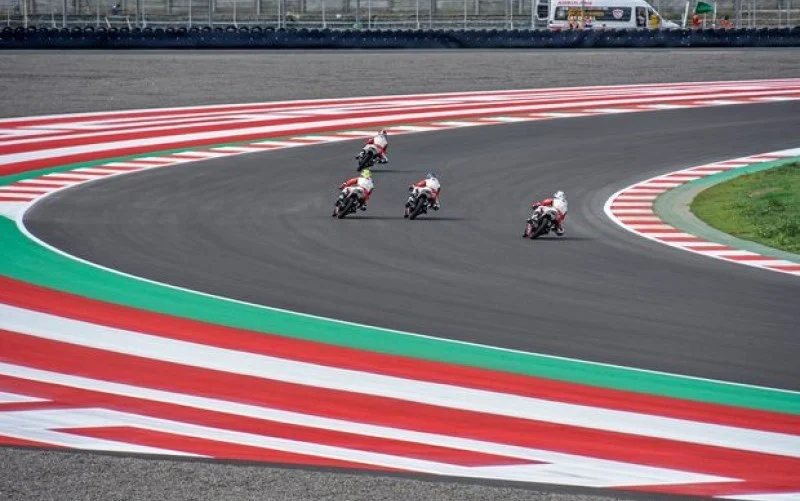
PT Pengembangan Pariwisata Indonesia, operating as InJourney Tourism Development Corporation (ITDC), is significantly advancing its preparations for the much-anticipated MotoGP Mandalika 2026. A pivotal step in this extensive readiness plan involves the complete repainting of the Mandalika International Street Circuit, aimed at enhancing its aesthetic appeal while rigorously adhering to stringent international standards. This initiative underscores ITDC’s unwavering commitment to delivering a world-class event and cementing Mandalika’s reputation as a premier global sports tourism destination.
The Core of Circuit Readiness: Aesthetic and Technical Standards
The repainting project for the Mandalika circuit is slated to commence within the next one and a half months, indicating a focused and immediate operational priority. Troy Reza Warokka, Director of Operations at ITDC, emphasized the critical nature of this undertaking during a recent press conference. "We will, in perhaps less than one and a half months from now, undertake a complete repainting of the circuit to make it more beautiful, more refined, and indeed, all aspects will strictly follow the regulations issued by the FIM," Warokka stated, reiterating the commitment to international compliance. The Federation Internationale de Motocyclisme (FIM), as the global governing body for motorcycle racing, sets exhaustive technical and safety standards for all circuits hosting MotoGP events. These standards encompass not only the track surface and its markings but also runoff areas, gravel traps, safety barriers, kerbs, and various trackside installations. Dorna Sports, as the commercial rights holder for MotoGP, also imposes specific operational and presentation requirements that circuits must meet to host races. The meticulous attention to detail in this repainting process is thus not merely cosmetic but fundamental to maintaining the circuit’s Grade A homologation, which is essential for hosting top-tier motorsport events. Specialized paints with anti-slip properties and high durability, capable of withstanding extreme weather conditions and the intense wear from high-performance racing tires, will be utilized. The precision of line markings, including track limits, pit lane entries/exits, and grid positions, is paramount for rider safety and fair competition, necessitating expert application and strict adherence to FIM blueprints.
Mandalika’s Journey: From Vision to Global Stage
The Mandalika International Street Circuit, located in the Mandalika Special Economic Zone (SEZ) on Lombok Island, West Nusa Tenggara, represents a cornerstone of Indonesia’s ambition to become a leading global tourism and sports hub. Designated as one of Indonesia’s five "Super Priority Tourism Destinations" (DSP), Mandalika has received substantial government investment aimed at developing its infrastructure and attracting international visitors. The circuit itself, an innovative street circuit design integrated into the scenic coastal landscape, was inaugurated in 2021. It hosted its first MotoGP event in March 2022, marking a triumphant return of the premier motorcycle racing series to Indonesia after a 25-year hiatus. The inaugural event, followed by another successful staging in 2023, showcased Indonesia’s capability to organize large-scale international sporting spectacles. These events have not only drawn global attention to Mandalika’s stunning natural beauty but have also significantly boosted the local economy through tourism, job creation, and increased investment. ITDC, under the umbrella of InJourney, Indonesia’s state-owned tourism holding company, plays a crucial role in managing and developing the Mandalika SEZ, ensuring that the integration of sports and tourism delivers sustainable benefits for the region and the nation. The hosting of MotoGP aligns perfectly with the government’s strategic vision to diversify Indonesia’s tourism offerings beyond traditional destinations like Bali, by leveraging unique experiences such as high-profile international sporting events.
Beyond the Track: A Holistic Infrastructure Approach
ITDC’s preparations for MotoGP Mandalika 2026 extend far beyond the asphalt ribbon of the circuit. A comprehensive strategy is in place to enhance and ensure the readiness of all supporting infrastructure, reflecting a holistic approach to event management. Director Warokka underscored this point, stating, "But I assure you that for the upcoming MotoGP, we are committed not only to preparing the area [circuit] but also to synergizing with relevant stakeholders, including other infrastructure, such as the airport, hotels, which are part of the airport engineering, we are also preparing, including, of course, Pertamina gas stations."
- Airport Enhancements: Lombok International Airport (BIL) serves as the primary gateway for international and domestic visitors. Significant upgrades have been implemented in recent years to expand its capacity for passenger handling and cargo logistics, crucial for accommodating the influx of teams, equipment, and spectators. Further optimizations in air traffic control, ground handling, and terminal services are continuously evaluated to ensure seamless operations during the event period.
- Accommodation Expansion: The rapid development of hotels and resorts within the Mandalika SEZ and surrounding areas is vital. From luxury five-star properties to boutique hotels and homestays, efforts are underway to ensure sufficient and diverse accommodation options for teams, officials, media, and hundreds of thousands of fans. This includes ongoing construction projects and strategic partnerships with local communities to integrate sustainable tourism practices.
- Road Networks and Accessibility: Improvements to road infrastructure leading to and within the Mandalika complex are continuously being made to facilitate efficient traffic flow. This includes widening existing roads, constructing new access routes, and enhancing signage to manage large crowds and logistical movements effectively. The aim is to minimize congestion and ensure smooth transit for all event participants and visitors.
- Medical and Emergency Services: A robust medical and emergency response system is paramount for any major sporting event. This involves establishing fully equipped medical centers at the circuit, coordinating with local hospitals for advanced care, and deploying trained medical personnel, ambulances, and emergency services. FIM mandates stringent medical protocols, including specialized trauma units and rapid intervention teams, all of which are meticulously planned and rehearsed.
- Logistics and Fuel Supply: Ensuring an uninterrupted supply of essential services, such as fuel, is critical. Partnerships with entities like Pertamina, Indonesia’s state-owned oil and gas company, guarantee sufficient fuel availability for event operations, participant vehicles, and general public needs during the MotoGP weekend. This logistical foresight extends to waste management, utilities, and communication networks, all of which are scaled up for the event.
- Security and Crowd Management: A multi-layered security plan, developed in conjunction with national and local law enforcement agencies, is fundamental. This includes comprehensive surveillance, access control, and crowd management strategies to ensure the safety and security of all attendees. Training programs for security personnel and marshals are regularly conducted to maintain high standards of professionalism and responsiveness.
Ensuring International Compliance: The FIM and Dorna Mandate
The FIM and Dorna Sports maintain an extremely rigorous set of standards that host circuits must meet, not only for safety but also for broadcast quality, commercial viability, and overall event experience. For Mandalika, this means continuous evaluation and potential adjustments to meet evolving regulations. FIM safety requirements cover every aspect of the track, from the asphalt’s grip level and drainage capabilities to the precise placement of air fences, tire barriers, and grandstands. Run-off areas must be of adequate size and composition to safely slow down errant motorcycles. The medical facilities must be state-of-the-art, with highly trained staff capable of responding to high-speed trauma incidents. Environmental considerations, such as noise control and waste management, are also increasingly important aspects of FIM homologation. Dorna, on the other hand, sets benchmarks for television broadcasting infrastructure, media centers, hospitality areas, and fan engagement zones. These standards ensure that MotoGP maintains its global appeal and delivers a premium experience for both attendees and television viewers worldwide. Regular inspections by FIM and Dorna officials are part of the certification process, and ITDC’s ongoing preparations are designed to consistently exceed these benchmarks, ensuring Mandalika remains a preferred venue on the MotoGP calendar.
Economic Catalyst and Tourism Magnet
The hosting of MotoGP in Mandalika has proven to be a powerful economic catalyst for Indonesia, particularly for the West Nusa Tenggara province. The 2022 and 2023 events generated significant direct and indirect economic impacts. For instance, the 2022 MotoGP Mandalika reportedly contributed over IDR 4.5 trillion (approximately USD 300 million) to the national economy, attracting hundreds of thousands of visitors and creating thousands of temporary and permanent jobs. Local businesses, from small vendors and homestay operators to larger hotels and transportation providers, experienced a substantial boost in revenue. The 2026 event is projected to further amplify these benefits. By attracting a diverse international audience, MotoGP serves as a potent marketing tool, showcasing Indonesia’s tourism potential beyond its established destinations. The influx of tourists not only supports the hospitality sector but also stimulates growth in related industries such as handicrafts, culinary arts, and local transportation. Furthermore, the global media exposure generated by MotoGP races provides invaluable branding for Indonesia, positioning it as a dynamic and capable host for major international events, thereby attracting further foreign investment and business opportunities into the Mandalika SEZ and beyond.
Challenges and Continuous Improvement
While the prospects are bright, hosting an event of MotoGP’s magnitude in a developing region like Mandalika presents inherent challenges. Logistical complexities, particularly concerning the movement of specialized equipment and large numbers of international visitors, require meticulous planning and execution. Maintaining consistently high international standards across all operational facets—from track safety to hospitality—demands continuous investment and diligent oversight. Environmental sustainability is another critical consideration, with ITDC and its partners committed to minimizing the ecological footprint of the event and promoting responsible tourism practices within the pristine natural environment of Lombok. Community engagement is also crucial, ensuring that local residents benefit from the event and are integrated into its success, addressing potential impacts such as increased traffic or resource strain. ITDC’s strategy involves ongoing dialogues with local communities, providing training and employment opportunities, and fostering a sense of shared ownership in the Mandalika project. These challenges are viewed not as impediments but as opportunities for continuous improvement and innovation, driving Mandalika towards becoming a truly sustainable and exemplary sports tourism destination.
Looking Ahead: The Future of Mandalika as a Premier Destination
The preparations for MotoGP Mandalika 2026 are part of a broader, long-term vision for the Mandalika Special Economic Zone. ITDC aims to transform Mandalika into a premier integrated tourism resort, offering a diverse range of attractions beyond motorsport. This includes developing world-class resorts, convention centers, golf courses, and ecotourism experiences that leverage Lombok’s unique natural beauty. The strategy involves diversifying the event calendar to host other international sporting events, cultural festivals, and business conferences, thereby ensuring year-round economic activity and reducing reliance on a single major event. Sustainability remains a core pillar of this vision, with plans for renewable energy integration, waste management initiatives, and conservation efforts to protect the region’s biodiversity. Through strategic partnerships with both local and international stakeholders, ITDC is committed to realizing Mandalika’s full potential, creating a lasting legacy of economic prosperity, environmental stewardship, and cultural enrichment for Indonesia. The successful hosting of MotoGP Mandalika 2026 will undoubtedly serve as another significant milestone in this ambitious journey, further solidifying Indonesia’s position on the global stage.

