
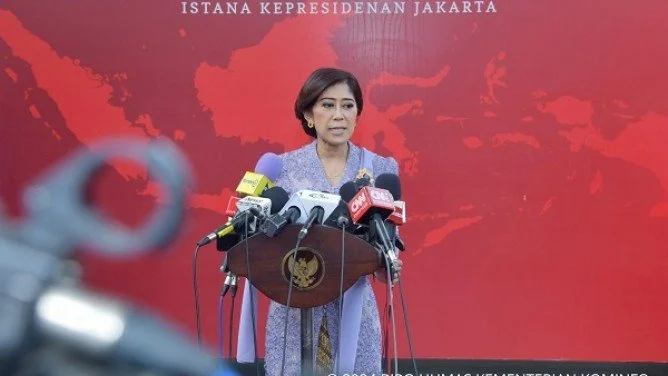
Upon her inauguration as the Minister of Communication and Digital (Menkomdigi) in October 2024, Meutya Hafid unequivocally articulated a formidable agenda for her tenure, with the audacious commitment to eradicate online gambling standing as a paramount priority. This bold pledge was not an isolated declaration but formed an integral part of a broader digital governance framework, encompassing critical initiatives such as the stringent regulation of cellular SIM card registrations, the expansion of nationwide internet access, robust personal data protection measures, and the cultivation of a secure and conducive digital environment, particularly for Indonesia’s vulnerable youth. However, as her term progresses, the sheer scale and complexity of the online gambling phenomenon have cast a long shadow, challenging the efficacy of existing strategies and prompting a significant re-evaluation of the government’s approach to this pervasive digital menace.
The Minister’s Initial Mandate and Commitment
Meutya Hafid, representing the Golkar Party, stepped into the Komdigi portfolio with a clear vision to tackle the burgeoning challenges of the digital era. Her initial pronouncements underscored a multi-faceted approach, recognizing that online gambling was not merely a standalone issue but intricately linked to broader digital vulnerabilities. To galvanize internal support for this crucial fight, she mandated that all officials within the Ministry of Communication and Digital sign an integrity pact, a symbolic yet firm commitment to uphold the anti-gambling stance and actively participate in its eradication. This internal measure aimed to ensure a unified front within the ministry, emphasizing the seriousness with which the government intended to confront what it increasingly viewed as a national crisis. The minister’s early focus on protecting children and establishing a safe digital space highlighted the profound social implications of online gambling, extending beyond mere financial losses to encompass mental health, family stability, and the future prospects of the younger generation.
A Growing Crisis: The Alarming Scale of Online Gambling in Indonesia
The imperative to combat online gambling stems from its devastating impact, which transcends mere financial ruin to become a deeply entrenched social ailment, fostering a myriad of serious problems within Indonesian society. Its tentacles reach into every corner, instigating financial destitution, precipitating criminal acts such as theft and fraud, eroding family foundations, inflicting severe mental health distress, and imperiling the future of young people through crippling debt and addiction. The phenomenon, far from receding, has exhibited an alarming and consistent upward trend across the archipelago, underscoring the urgency of the government’s response.
Supporting data from the Financial Transaction Reports and Analysis Centre (PPATK) paints a grim picture of the financial hemorrhage caused by this illicit activity. From 2017 up to the third quarter of 2025, the total circulation of funds associated with online gambling activities in Indonesia has surged to an astronomical Rp1,032 trillion (approximately USD 67 billion, based on prevailing exchange rates), involving over 259 million individual transactions. To put this figure into perspective, this amount represents a significant percentage of Indonesia’s annual state budget and a substantial drain on the national economy, diverting capital from productive sectors into illicit channels. Further corroborating this escalating crisis, reports from the Financial Services Authority (OJK) reveal a drastic 260.03% surge in suspicious financial transactions linked to online gambling in 2025, a trend that alarmingly continued to dominate financial reports into early 2026. This stark increase is particularly ironic, given the sustained, multi-year efforts by the Indonesian government to curb online gambling, suggesting that despite interventions, the problem’s momentum continues unabated, adapting and evolving in response to regulatory pressures.
Chronology of Government Interventions
The battle against online gambling is not new for Indonesia; various governmental bodies have launched concerted efforts over several years. A timeline of key interventions illustrates the persistent, albeit challenging, nature of this fight:
- June 2024: Recognizing the escalating threat, the government, under the leadership of the Coordinating Minister for Political, Legal, and Security Affairs (Menkopolhukam), established the Satuan Tugas Pemberantasan Perjudian Daring (Satgas Judi Online), or the Online Gambling Eradication Task Force. This inter-agency body was mandated to conduct legal operations aimed at disrupting online gambling networks. Its initial focus areas included the freezing of suspicious bank accounts, cracking down on the illicit trade and sale of bank accounts used for gambling transactions, and targeting the increasingly popular method of facilitating online game top-ups through minimarkets, which often served as covert channels for gambling deposits.
- September 2024: Following the formation of the Satgas, the OJK intensified its efforts by instructing banks to expedite the resolution of customer complaints related to account blockages suspected of involvement in online gambling activities. This move aimed to streamline the process of isolating and neutralizing financial conduits used by perpetrators.
- October 2024: Meutya Hafid’s appointment as Menkomdigi marked a new chapter, bringing a renewed focus and strategic direction to the digital fight.
- October 2024 – July 2026: Under Minister Hafid’s leadership, the Ministry of Communication and Digital undertook aggressive measures to curb access to online gambling platforms. During this period, the ministry successfully blocked approximately 3.7 million websites and digital content identified as promoting or facilitating online gambling. This large-scale content moderation effort demonstrated the government’s commitment to cutting off digital access points.
- Ongoing Collaboration: In a synergistic effort, Komdigi collaborated closely with the OJK to identify and address financial irregularities. Together, they reported around 38,000 bank accounts suspected of being linked to online gambling activities. Following a meticulous cleansing process to verify the allegations, approximately 32,500 of these accounts were successfully closed, severing vital financial lifelines for gambling operators.
- Early 2026: Despite these extensive efforts, the OJK continued to report a dominant trend of suspicious financial transactions related to online gambling, indicating the adaptive and resilient nature of the illicit industry.
- July 2026: The OJK Banking Forum 2026, themed "Strengthening Information Technology Governance in Banking and Enhancing Efforts to Eradicate Financial Crime and Online Gambling in the Digital Era," served as a crucial platform for Meutya Hafid to articulate a revised strategy, emphasizing a more holistic and integrated approach to the problem.
The Intractable Challenges: Why Eradication Remains Elusive
Despite the government’s persistent and multi-pronged efforts, the complete eradication of online gambling has proven to be an exceptionally difficult task. Experts and officials alike point to a confluence of six primary factors that underpin this persistent challenge:
- Indonesia as a Burgeoning Market: With its vast population, rapidly expanding internet penetration, and a large demographic of young, tech-savvy individuals, Indonesia presents an irresistible and continuously growing market for online gambling operators. The allure of quick profits resonates in a society with varying economic opportunities.
- Loyal User Base: A significant segment of the population, once ensnared by the promise of easy winnings, develops a deeply ingrained addiction, transforming into a loyal and persistent user base that consistently seeks out new platforms.
- Affordable Traffic: The relatively low cost of internet access and digital advertising in Indonesia makes it economically viable for gambling platforms to reach a broad audience with minimal investment.
- Massive Social Media Promotion: Online gambling operators heavily leverage social media platforms and popular messaging applications for aggressive, often covert, promotional campaigns, bypassing traditional advertising restrictions and directly targeting potential users. Influencers and viral content are frequently exploited to normalize and popularize gambling.
- The Allure of Quick Winnings: The psychological appeal of instant wealth, even if illusory, remains a powerful motivator for individuals, particularly those facing economic hardship or seeking an escape.
- Offshore Servers and Gambling Hubs: Perhaps the most significant impediment is the transnational nature of online gambling. The primary servers and operational centers for these platforms are predominantly located in countries where gambling is legal or regulation is lax, such as the Philippines, Cambodia, and Vietnam. This geographical distance places them beyond the direct jurisdictional reach of Indonesian law enforcement.
This "Mati Satu Tumbuh Seribu" (one dies, a thousand grow) phenomenon epitomizes the challenge. When authorities block a site or content, new ones swiftly emerge, often with slightly altered domains or new hosting providers. The use of Virtual Private Networks (VPNs) further complicates access restrictions, allowing users to bypass geographical blocks effortlessly. The core issue lies in the inability to access and dismantle the foundational infrastructure—the servers and the organizational structures—which are safely ensconced in foreign territories.
The New Frontier: Cryptocurrency and Evading Detection
Adding another layer of complexity to the already arduous fight, online gambling perpetrators have demonstrated increasing sophistication in concealing their illicit gains. The Ministry of Communication and Digital has acknowledged a growing difficulty in tracing funds associated with online gambling activities, primarily due to a significant shift in transaction patterns towards the utilization of cryptocurrency, particularly for cross-border transfers.
Teguh Arifiyadi, the Director of Supervision of Electronic Certification and Transactions at Komdigi, highlighted this critical development, explaining that perpetrators are now adopting crypto addresses to obfuscate the flow of funds. Previously, gambling funds were frequently deposited into local bank accounts, making them relatively easier to track through conventional banking channels. However, the current modus operandi involves converting fiat currency into various cryptocurrencies before transferring them internationally. "The process of tracing crypto transactions requires more sophisticated instruments and considerably more time compared to conventional banking transactions," Arifiyadi stated on Friday, July 4, 2025. The decentralized, pseudonymous, and often rapid nature of cryptocurrency transactions presents a formidable challenge for traditional financial intelligence units, demanding specialized technological capabilities and international cooperation that are still evolving. This shift effectively creates a digital labyrinth, making it exceedingly difficult for authorities to "follow the money" and dismantle the financial networks that sustain online gambling operations.
Shifting Tactics: A Unified Ecosystem Approach
Recognizing the limitations of site-blocking alone and the adaptive nature of online gambling, Minister Meutya Hafid has articulated a significant shift in strategy. Instead of a singular focus on access termination, the government is now pursuing a more comprehensive approach aimed at dismantling the entire digital crime ecosystem that underpins online gambling operations. This new paradigm targets not only the visible websites but also the intricate financial flows and the underlying criminal networks.
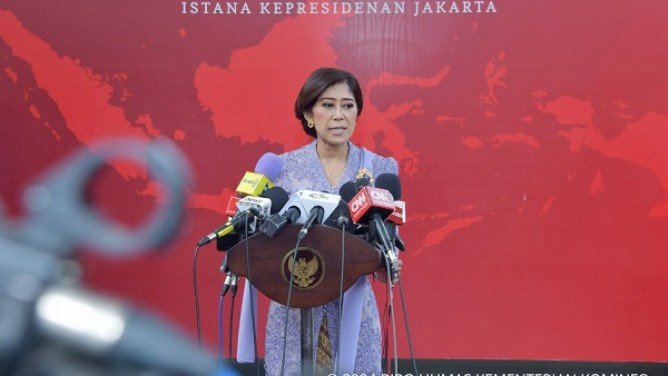
"The eradication of online gambling must be comprehensive; it cannot and should not stop merely at terminating access to sites. It must encompass the entire ecosystem," Meutya Hafid emphasized at the OJK Banking Forum 2026, held at the Bank Indonesia Office in Central Jakarta on Tuesday, July 14, 2026. This revised strategy acknowledges that to truly cripple the industry, every component of its operational infrastructure must be targeted simultaneously.
This integrated approach is further bolstered by the mandate enshrined in Law No. 4 of 2026 concerning the Development and Strengthening of the Financial Sector (P2SK Law). This landmark legislation provides the legal framework for the establishment of cross-ministerial and inter-agency task forces specifically designed to combat online gambling comprehensively. The P2SK Law strengthens synergy among various institutions, ensuring that efforts are not fragmented but are instead integrated, spanning from access termination and the disruption of financial flows to robust law enforcement actions. "Law No. 4 of 2026 reinforces inter-agency synergy in eradicating online gambling. This serves as a foundation to ensure that handling is not done in isolation but is integrated, from access termination and fund flow disruption to law enforcement," Meutya stated, highlighting the legislative backing for this coordinated offensive.
Strengthening the Financial Bastion: OJK and Banking Sector Mobilization
A critical component of this new, ecosystem-wide strategy involves aggressively severing the financial lifelines that sustain online gambling. Minister Hafid explicitly called for the government to cut off funding sources by blocking the "holding accounts" that serve as conduits for illicit funds. "Access termination to sites must be accompanied by amputating the ‘neck’ of the online gambling ecosystem, namely the holding accounts. Therefore, collaboration between Komdigi, OJK, the banking industry, and law enforcement agencies is key to breaking this chain of crime," she asserted.
The OJK and the broader banking sector are now being mobilized as frontline defenders in this financial battle. Their role extends beyond merely responding to government directives; it involves proactive measures to identify suspicious transactions, enhance Know Your Customer (KYC) protocols, and implement advanced transaction monitoring systems. Banks are crucial in detecting patterns indicative of gambling activities, such as frequent small deposits followed by large withdrawals, or transactions with unusual beneficiaries. The collaboration is intended to create a dragnet that makes it increasingly difficult for gambling operators to process payments, receive deposits, or transfer their illicit proceeds. This will require not only technological upgrades within financial institutions but also a heightened sense of vigilance and rapid response mechanisms to keep pace with the evolving tactics of perpetrators.
Broader Implications: Socio-Economic Fallout and Public Trust
The relentless proliferation of online gambling carries profound socio-economic implications for Indonesia. Economically, the staggering trillion-rupiah turnover represents not just illicit gains but also a massive opportunity cost, diverting funds that could otherwise be invested in legitimate economic activities, savings, or consumption that fuels growth. It exacerbates income inequality and can destabilize household finances, contributing to a cycle of poverty and indebtedness. Socially, the epidemic fuels a public health crisis, with widespread addiction leading to severe mental health issues, increased suicide rates, and the erosion of family structures. The vulnerability of children and adolescents, easily lured into gambling through online games and social media, poses a grave threat to the nation’s human capital development.
The government’s ongoing struggle to effectively curb online gambling also has implications for public trust. Despite numerous initiatives and significant resource allocation, the persistent rise in transaction volumes and the "one dies, a thousand grow" phenomenon suggest that current measures have yet to yield decisive, widespread results felt by the general populace. This can lead to public disillusionment and questions regarding the government’s capacity to protect its citizens from digital threats. The public’s perception of the efficacy of government policies is intrinsically linked to the tangible outcomes they experience in their daily lives. Therefore, the success or failure of Meutya Hafid’s renewed strategy will be a critical determinant of public confidence in the digital governance agenda.
The Road Ahead: International Cooperation and Sustained Vigilance
Looking ahead, the fight against online gambling in Indonesia will undoubtedly necessitate a multi-faceted and sustained effort, extending beyond national borders. Given that the operational hubs and servers are predominantly offshore, robust international cooperation becomes indispensable. This involves diplomatic engagements with countries where these operations are legal, intelligence sharing with international law enforcement agencies, and participation in global initiatives to combat transnational cybercrime and money laundering. Without the ability to dismantle the source of these operations, domestic efforts will continue to be a Sisyphean task.
Furthermore, a focus on preventative measures, such as widespread digital literacy campaigns and public awareness programs about the dangers of online gambling, is crucial. Educating the populace, particularly the youth, about the risks and the deceptive nature of gambling promotions can help build resilience from within. Technological innovation, including advanced AI-driven detection systems for both content and financial transactions, will also play a critical role in keeping pace with the evolving methods of perpetrators. The battle against online gambling is not a finite project but an ongoing commitment requiring constant adaptation, unwavering vigilance, and robust collaboration across all sectors of society.
Whether this newly articulated, ecosystem-focused strategy, buttressed by the P2SK Law and strengthened collaboration with the OJK and the banking sector, will prove more effective in "amputating" the pervasive practice of online gambling remains to be seen. The ultimate test will be in the tangible impact felt by Indonesian society. For now, the promise made by Meutya Hafid upon her inauguration to eradicate online gambling appears to be an uphill battle, marked by persistent challenges and the relentless adaptability of a deeply entrenched illicit industry. As an integral part of Indonesian society, citizens are ultimately empowered to evaluate the effectiveness of these ongoing endeavors.

