
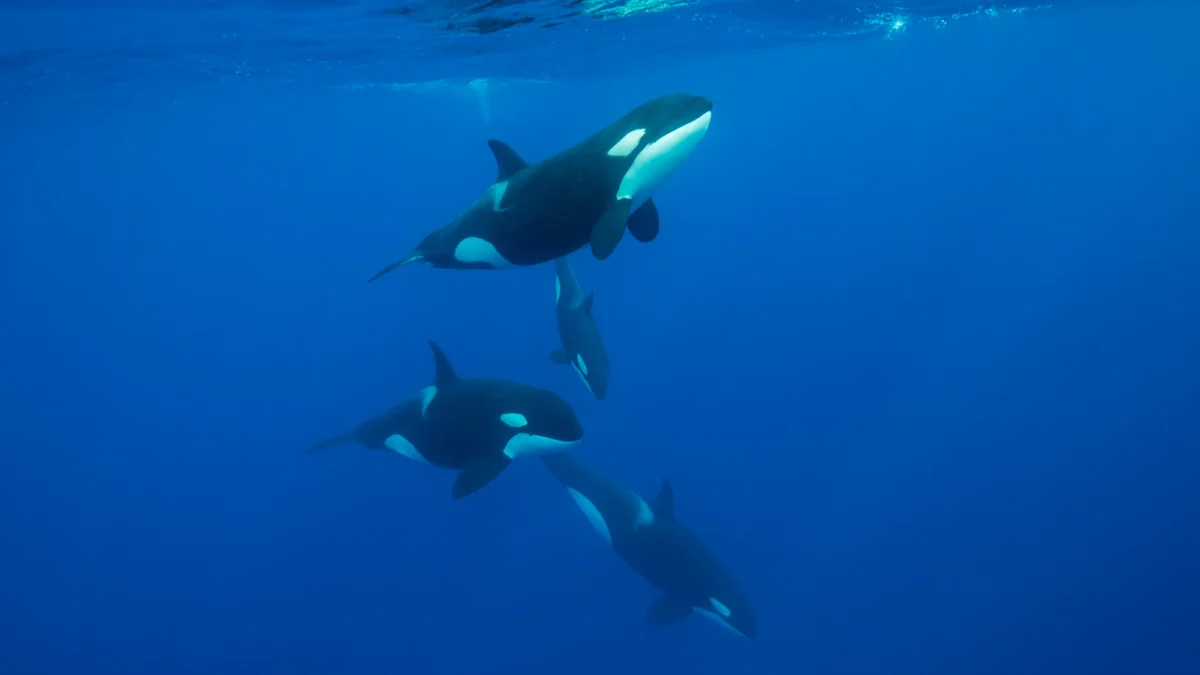
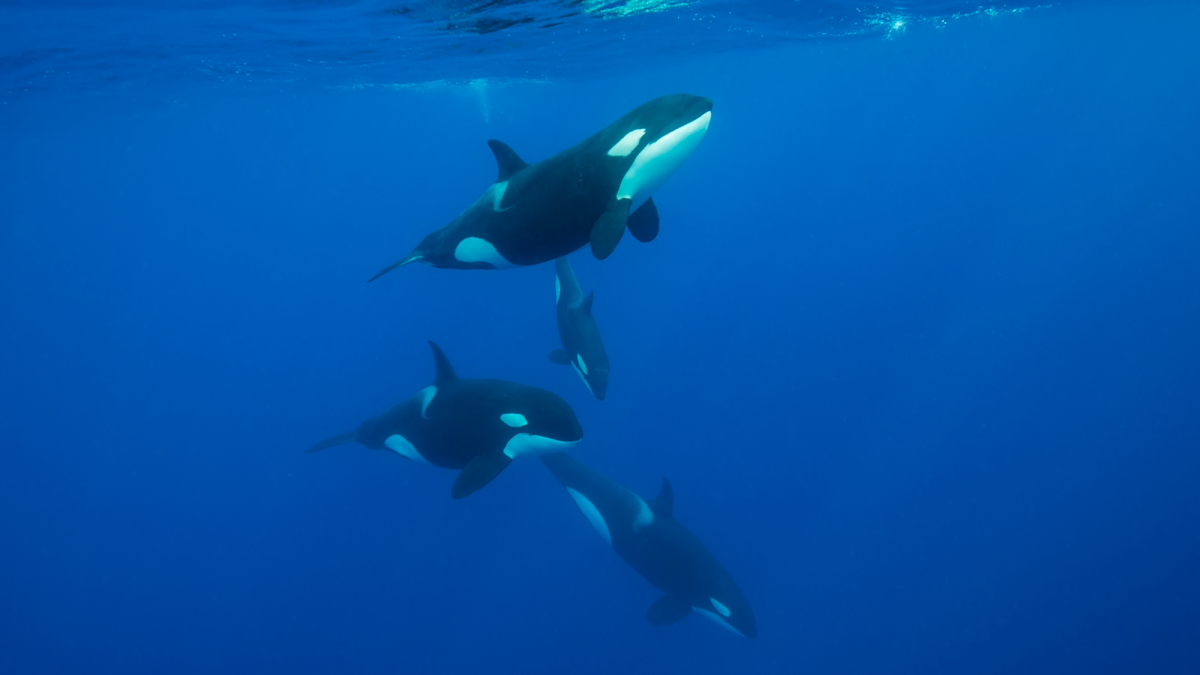
Marine biologists and researchers have documented a previously unobserved hunting and feeding behavior among orca whales (Orcinus orca) in the Gulf of California, revealing a sophisticated level of coordination and "food processing" that further cements their status as the ocean’s ultimate apex predators. According to a study published in the journal Frontiers in Ethology, these cetaceans have been filmed using a "hold-to-ram" technique to break apart the massive, gelatinous bodies of sunfish. This discovery provides new insights into the cultural transmission of hunting techniques within orca pods and suggests that these animals may be utilizing high-impact collisions to facilitate easier consumption for juveniles and to potentially share beneficial microbiomes.
While the great white shark often occupies the public imagination as the most fearsome creature in the sea, the orca is the true master of the marine food web. Orcas are known for their high intelligence, complex social structures, and diverse hunting strategies that vary by region and "ecotype." In the Pacific Northwest, some pods specialize in salmon; in the Antarctic, others create synchronized waves to wash seals off ice floes. In the Gulf of California—a region Jacques Cousteau famously dubbed the "Aquarium of the World"—orcas have now demonstrated a specialized method for handling one of the ocean’s heaviest bony fish: the sunfish.
The Discovery of the Hold-to-Ram Technique
The research, co-authored by Dr. Katy Ayres, a research scientist with Beneath The Waves and Orcas Mexico, stems from two independent sightings that occurred approximately one year apart. The first significant observation took place in July 2024. Dr. Ayres and her team witnessed a pod of orcas interacting with a deceased sharp-tail sunfish (Masturus lanceolatus).
The interaction was far from a simple feeding frenzy. Instead, it involved a high degree of physical coordination between two adult whales. A female orca was observed holding the sunfish by its tail fin, stabilizing the carcass in the water column. Simultaneously, a male orca distanced himself before accelerating to a high speed and ramming the sunfish. The impact was so great that the sunfish’s tissue fragmented into hundreds of small pieces, creating a cloud of organic material.
"At first, I was just excited because I could see what they were eating and document it," Dr. Ayres noted regarding the footage. "But then I wasn’t expecting the sunfish to fragment into so many pieces. As it happened, it became clear we were witnessing something special."
A second, nearly identical event was captured on film in September 2025 by Héctor Franz. This second observation confirmed that the behavior was not an isolated incident of play, but rather a deliberate and repeatable technique used by the orcas in this region to process their prey.
Biological Profile of the Prey: The Sharp-Tail Sunfish
To understand why the orcas utilize such a violent processing method, one must look at the biology of the sunfish. Sunfish are among the heaviest bony fish in the world, with some species reaching lengths of over 10 feet and weights exceeding 4,000 pounds. The sharp-tail sunfish (Masturus lanceolatus) is a deep-water relative of the more common Mola mola.
These fish are characterized by a thick, tough, and gelatinous layer of skin known as a "capsule." This skin is notoriously difficult to penetrate and is often covered in a dense variety of parasites and microorganisms. For an orca, biting through this leathery exterior can be inefficient. The hold-to-ram technique appears to use kinetic energy to bypass the structural integrity of the sunfish’s capsule, effectively "tenderizing" or shattering the meat into manageable portions.
Sunfish often frequent surface waters to regulate their body temperature or to seek out cleaner fish and birds to remove parasites. It is during these surface intervals that they become most vulnerable to the orcas of the Gulf of California, who are known to have an incredibly diverse diet including sharks, rays, sea turtles, and other cetaceans.
Chronology of Behavioral Observations
The timeline of these observations suggests a consistent cultural practice within the Gulf of California orca population:
- July 2024: Dr. Katy Ayres documents a group of orcas, including a juvenile, processing a sharp-tail sunfish. The male orca delivers the ramming blow while the female holds the prey. The juvenile is seen consuming the smaller fragments immediately following the impact.
- Late 2024 – Early 2025: Researchers begin analyzing the footage, noting the "fragmentation" of tissue which had not been previously described in marine biology literature regarding sunfish predation.
- September 2025: Héctor Franz captures high-quality video of the same behavior, providing the secondary evidence required to categorize this as a documented foraging strategy.
- December 2025: The findings are officially published in Frontiers in Ethology, introducing the "hold-to-ram" terminology to the scientific community.
Parental Investment and Social Learning
One of the most compelling aspects of the hold-to-ram behavior is its potential role in "parental investment." In both recorded instances, younger orcas were present and were the primary beneficiaries of the smaller tissue fragments created by the impact.
Orcas are known to teach their young how to hunt through demonstration and "provisioning." By shattering the sunfish into small, bite-sized pieces, the adults may be making a difficult-to-eat prey item accessible to calves who lack the jaw strength or experience to tear through a sunfish capsule on their own. This aligns with other observed orca behaviors, such as "sharing" salmon or teaching calves how to beach themselves to catch seals in Patagonia.
Furthermore, the study explores the "meeting of the microbiomes." When the sunfish tissue fragments, the internal microbes of the fish are released into the water column and onto the orcas. Researchers hypothesize that this contact could provide immune system regulation or nutritional benefits to the whales. This horizontal transfer of microbiota is a growing field of interest in cetacean research, suggesting that feeding is not just about caloric intake, but also about maintaining the health of the pod’s internal biological systems.

Implications for Marine Science and Ecosystem Health
The discovery of this behavior highlights how much remains unknown about the orcas of the Gulf of California. Unlike the well-studied "Resident" and "Transient" populations of the North Pacific, the orcas in the Sea of Cortez are relatively understudied. Every new observation helps scientists map the "cultural boundaries" of different orca groups.
The fragmentation of the sharp-tail sunfish specifically also raises questions about fish anatomy. Scientists believe the disintegration of the tissue may be a species-specific structural response. Larger sunfish species, like the Mola mola, may have different tissue densities that would not react the same way to a high-speed ramming. Future research will focus on whether orcas attempt this technique on other large-bodied prey or if it is a specialized tool reserved exclusively for the sharp-tail sunfish.
Conservation and Ethical Wildlife Observation
As the popularity of whale watching grows in the Gulf of California, researchers are expressing concern over the impact of human interference. The documentation of rare behaviors like the hold-to-ram technique requires a pristine environment where animals feel comfortable acting naturally.
Dr. Ayres emphasized the importance of respectful observation, noting that the increase in boats searching for orcas can lead to "forced encounters" that disrupt hunting and social behaviors. "Seeing orcas here is a real privilege and a relatively rare experience," she said. "I think it’s important that visitors come with realistic expectations and appreciate these animals in their natural environment and not just as an opportunity for a photo or social media post."
The Gulf of California remains a critical laboratory for understanding marine apex predators. As climate change shifts the migratory patterns of prey species like the sunfish, the ability of orcas to adapt their hunting techniques—such as the hold-to-ram method—will be a key factor in their continued dominance of the region’s waters. For now, the "king of the ocean" has proven once again that its most powerful weapon is not just its teeth, but its ability to innovate and cooperate.

