
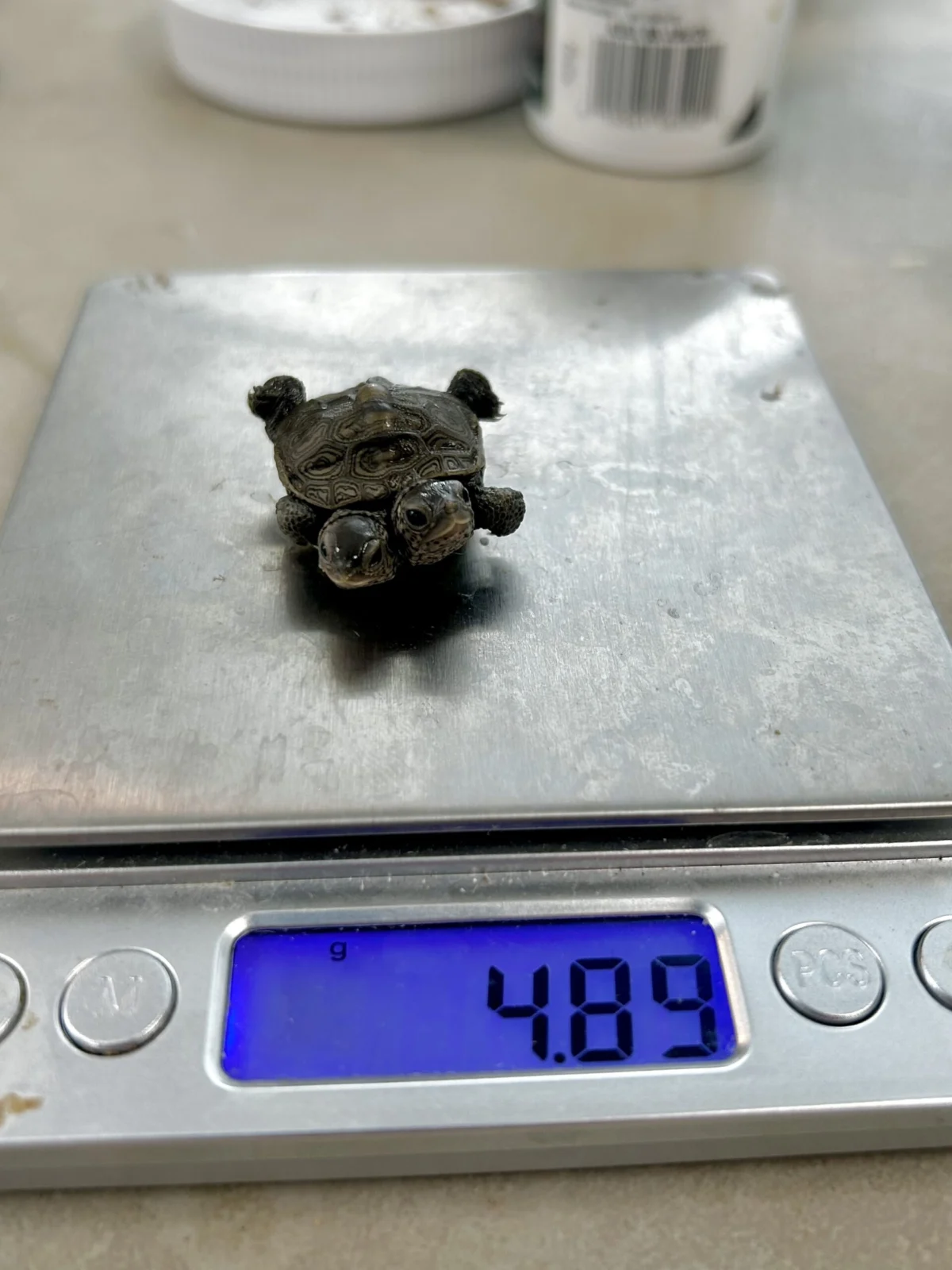
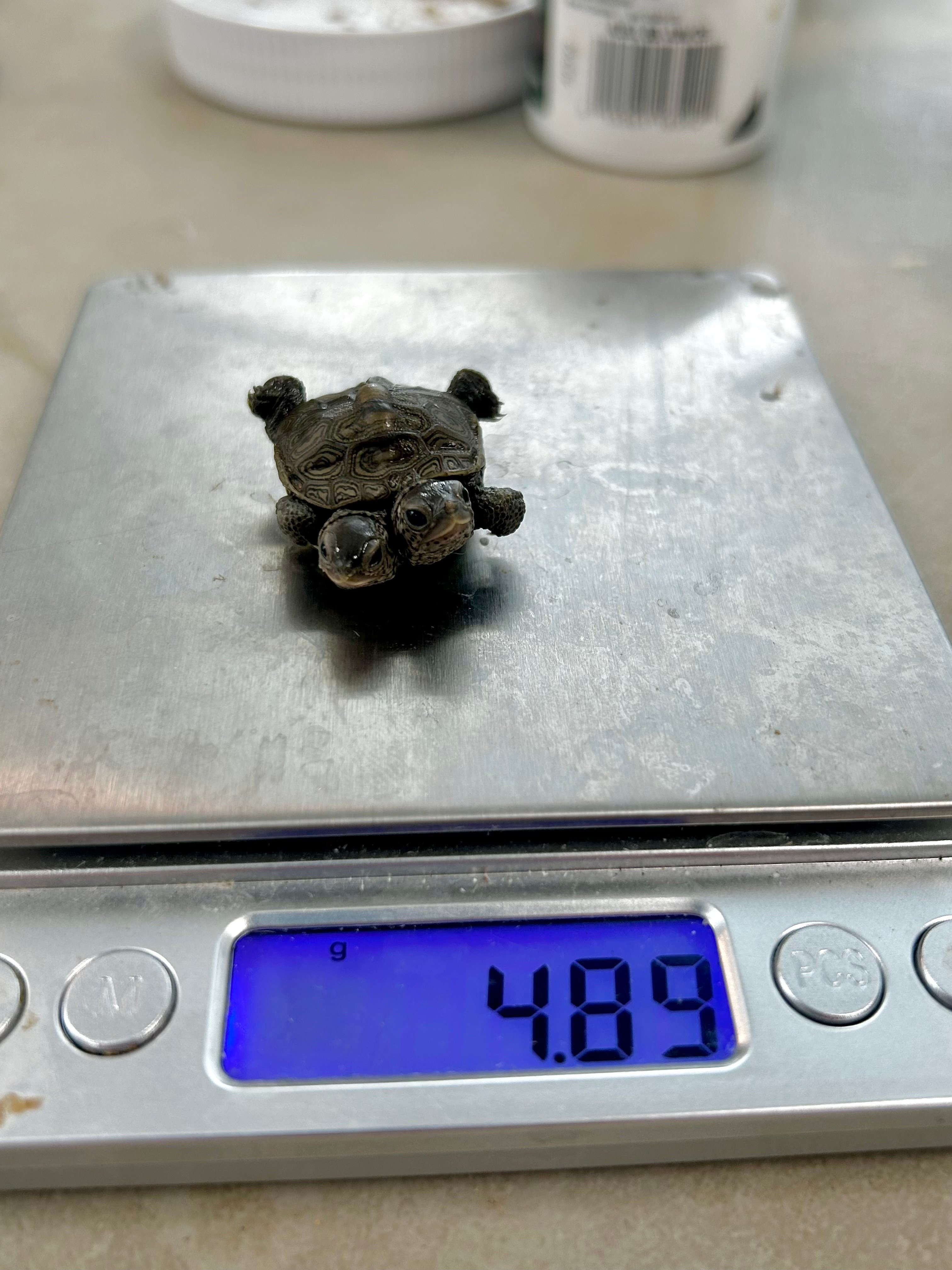
The Cape Wildlife Center, a prominent facility in Massachusetts known for its dedication to regional fauna, recently received an unusual new patient that has captured the attention of biologists and wildlife enthusiasts alike. A hatchling diamondback terrapin, characterized by a rare condition known as bicephaly, was discovered at a protected nesting site in Wellfleet, Cape Cod. Weighing less than a standard nickel, the tiny reptile has become the focus of intense observation as veterinary staff work to understand the extent of its shared anatomy and its long-term viability.
The Biological Phenomenon of Bicephaly
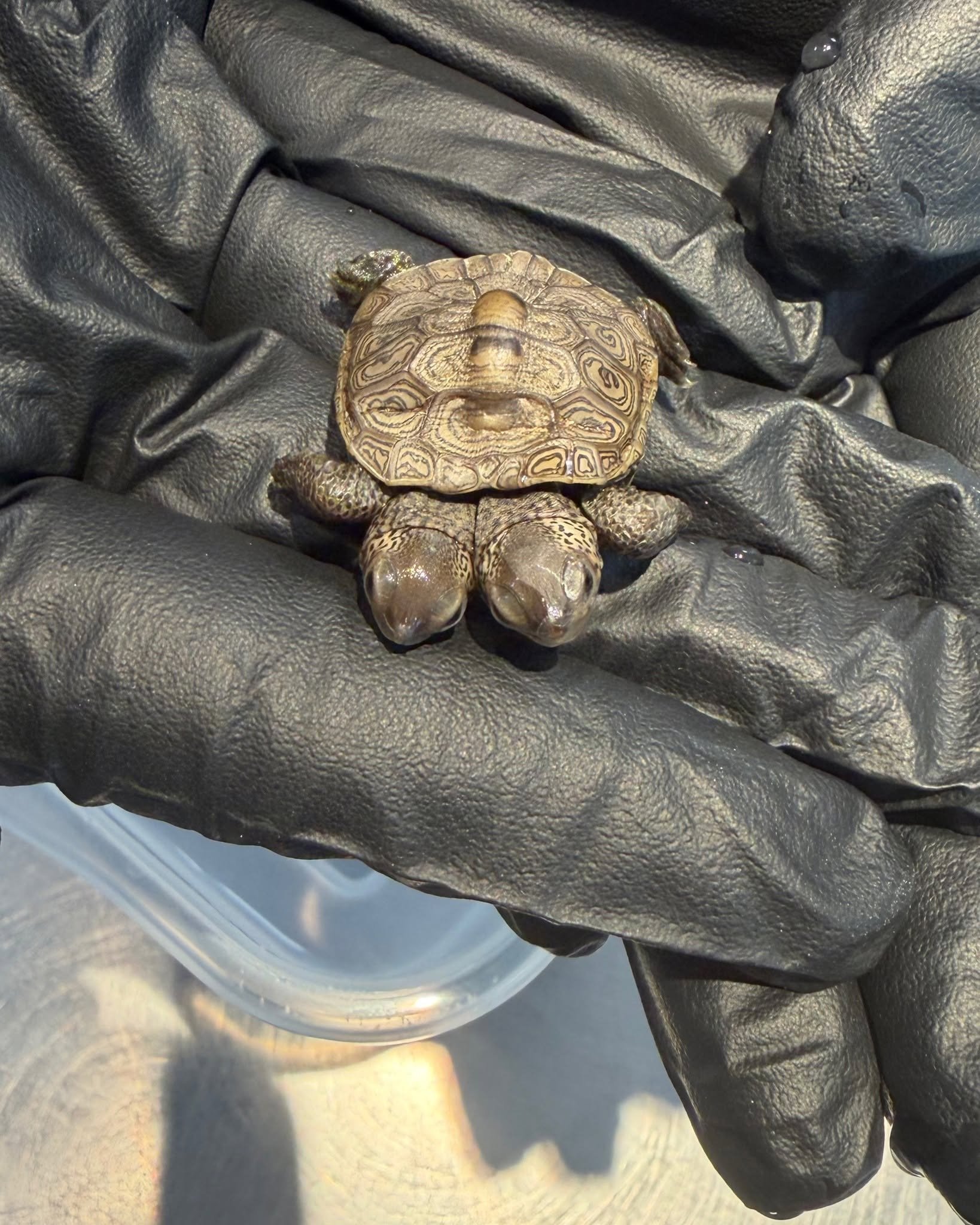
Bicephaly, the state of having two heads, is a rare developmental anomaly that occurs during the embryonic stage of an animal’s development. Scientific consensus suggests that this condition is essentially a failed attempt at twinning. In typical biological processes, an embryo that begins to divide into identical twins must separate completely to form two distinct organisms. In cases of bicephaly, this separation is incomplete, resulting in two distinct heads—and often two distinct brains—sharing a single body.
Zak Mertz, CEO of the New England Wildlife Centers, which oversees the Cape Wildlife Center, notes that the phenomenon is more frequently observed in reptiles than in other vertebrates. While the sight of a two-headed creature is striking, it is a byproduct of complex genetic and environmental triggers during incubation. Because each instance of bicephaly involves different degrees of physical fusion, the internal organization of organs, such as hearts, lungs, and digestive tracts, can vary significantly from one individual to the next.
A Timeline of Rare Sightings in Massachusetts
The discovery of this particular diamondback terrapin is not an isolated incident for the Cape Wildlife Center, nor for the region. Over the past six years, staff members at the facility have documented three separate instances of bicephalic diamondback terrapins. This recurring observation provides researchers with a unique, albeit limited, longitudinal perspective on the survival and care requirements of such animals.
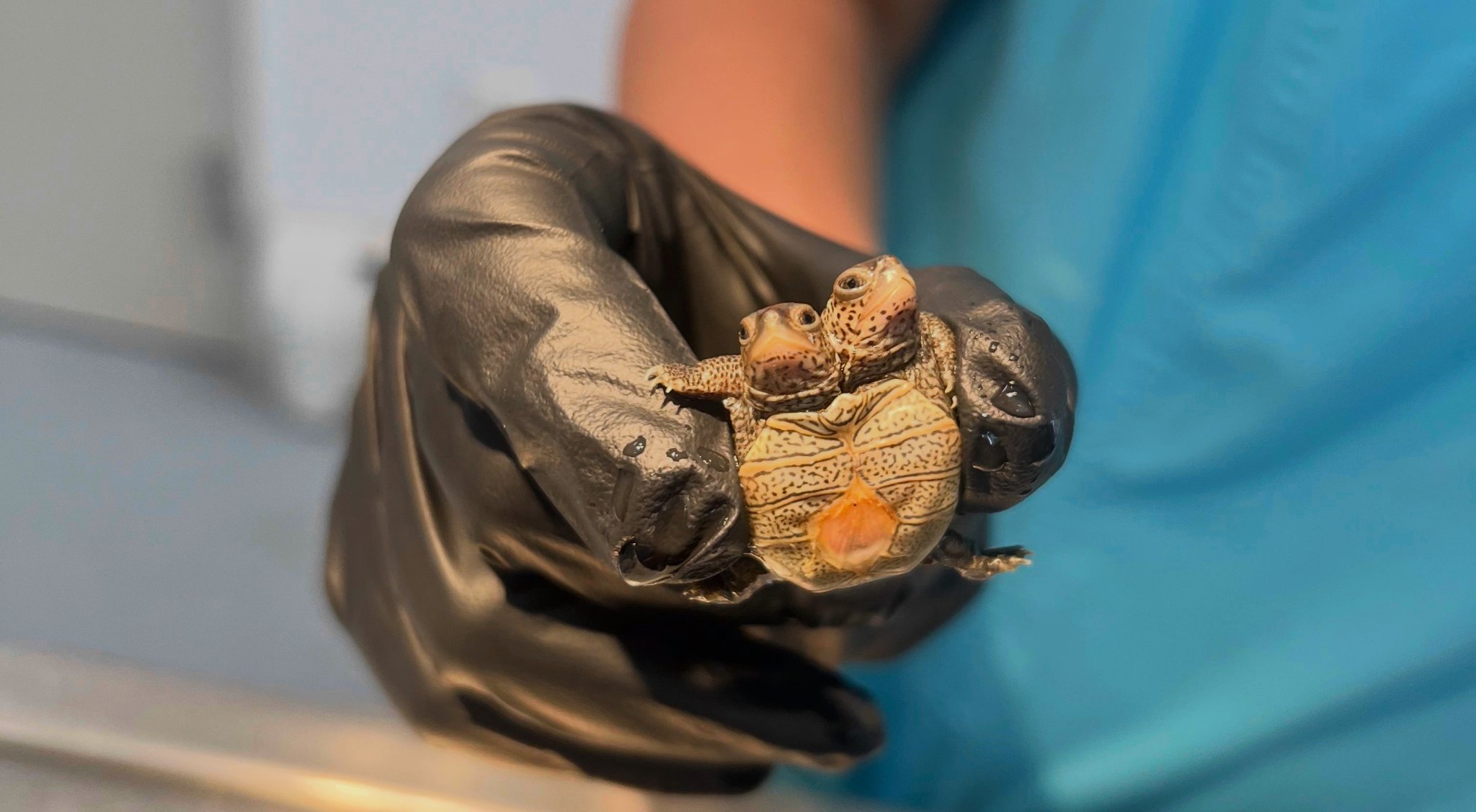
The current hatchling was first identified by conservationists working with the Mass Audubon Wellfleet Bay Wildlife Sanctuary, an organization deeply involved in the protection of local diamondback terrapin populations. Following its discovery in the protected nesting area, the turtle was immediately transported to the Cape Wildlife Center. The transition was managed with extreme care to ensure the specimen remained stable. Since its arrival, the center has established a rigorous monitoring protocol, focusing on the turtle’s alertness, appetite, and general neurological responsiveness.
Conservation Status and Ecological Context
The diamondback terrapin (Malaclemys terrapin) holds a significant place in the Atlantic and Gulf coastal ecosystems of the United States. These unique turtles are the only North American species adapted to life in brackish water, occupying a critical ecological niche in salt marshes and estuaries. However, their populations have faced consistent pressure from habitat destruction, predation, and human interference.
In Massachusetts, the species is currently classified as "Threatened" under the Massachusetts Endangered Species Act. This designation mandates strict protections for their nesting sites and prohibits the handling or disturbance of the animals without appropriate permits. On a federal level, the U.S. Fish and Wildlife Service continues to review the status of the diamondback terrapin to determine if further protections are warranted under the Endangered Species Act. The presence of developmental anomalies like bicephaly, while natural, serves as a poignant reminder of the fragility of these populations as they navigate the challenges of climate change and environmental degradation.
Clinical Assessment and Medical Outlook
The immediate priority for the medical team at the Cape Wildlife Center is to determine the extent of the turtle’s internal anatomy. While physical observation confirms that the hatchling is active and responsive, it remains unclear how many organs are shared between the two heads.
"We are currently monitoring the hatchling to ensure that both heads are alert and reactive," Mertz stated. "Both heads have demonstrated an interest in food, which is a very positive indicator of their neurological health and coordination."
The veterinary staff plans to conduct advanced imaging, such as X-rays or potential CT scans, to map the skeletal and internal structures. This data will be instrumental in determining whether the turtle can eventually be released into the wild or if it will require permanent human care. Because the turtle is currently in a rapid growth phase, the staff is also waiting for it to mature slightly before attempting to determine its sex, which will also influence the long-term management strategy.
Broader Implications for Wildlife Management
The study of bicephalic animals offers scientists rare insights into developmental biology. By documenting these cases, centers like the one in Cape Cod contribute to a broader understanding of how embryonic development can be disrupted. While some might view these animals as mere curiosities, for the biologists on the ground, they represent a significant scientific responsibility.
The care provided to this diamondback terrapin is representative of the evolving mission of modern wildlife rehabilitation. It is no longer just about treating injuries caused by human activity; it is about gathering data on natural anomalies and ensuring that every individual, regardless of its physical limitations, is afforded the highest standard of humane care.
Challenges of Long-term Survival
Historically, the survival rate for bicephalic animals in the wild is low. The challenges are numerous: competition between the two heads for food, difficulty in navigating the environment, and increased vulnerability to predators. In many cases, the shared anatomy creates physiological stressors that an animal cannot overcome as it grows larger.
However, the team at the Cape Wildlife Center remains cautiously optimistic. By providing a controlled environment, the staff can mitigate many of the external risks the turtle would face in the wild. The goal is to maximize the animal’s quality of life, whether that is as a resident in a conservation facility or, in the rare instance that the animal proves fully capable, a return to its natural habitat.
Public Interest and Ethical Stewardship
The public response to the news of the two-headed turtle has been overwhelming, reflecting a deep-seated human fascination with such biological anomalies. Yet, the Cape Wildlife Center has emphasized that its primary duty is to the health and dignity of the animal. They have kept the public informed through updates while maintaining strict boundaries to prevent the turtle from being treated as a spectacle.
This approach highlights the ethical standards upheld by modern wildlife organizations. By balancing public interest with the needs of the animal, the center continues to foster a culture of respect for biodiversity. As the research into this specific turtle continues, the findings will likely be shared with the broader scientific community, adding to the growing body of literature on reptilian developmental abnormalities.
Conclusion: A Sentinel for the Future
The arrival of this two-headed diamondback terrapin is more than just a headline-grabbing story; it is a clinical case study in resilience and biological complexity. As the Cape Wildlife Center continues its work, the turtle remains a small but significant symbol of the delicate balance of life in the salt marshes of Massachusetts.
Whether this specific individual thrives or eventually succumbs to the complications of its anatomy, the data gathered will assist in the ongoing conservation efforts for the diamondback terrapin species. As climate change continues to impact coastal ecosystems, the survival of these turtles—in all their variations—remains a top priority for conservationists who recognize that every hatchling is a vital link in the chain of a healthy, functioning ecosystem. For now, the focus remains on the daily progress of the turtle, providing a testament to the dedication of those committed to the preservation of our natural world.

