
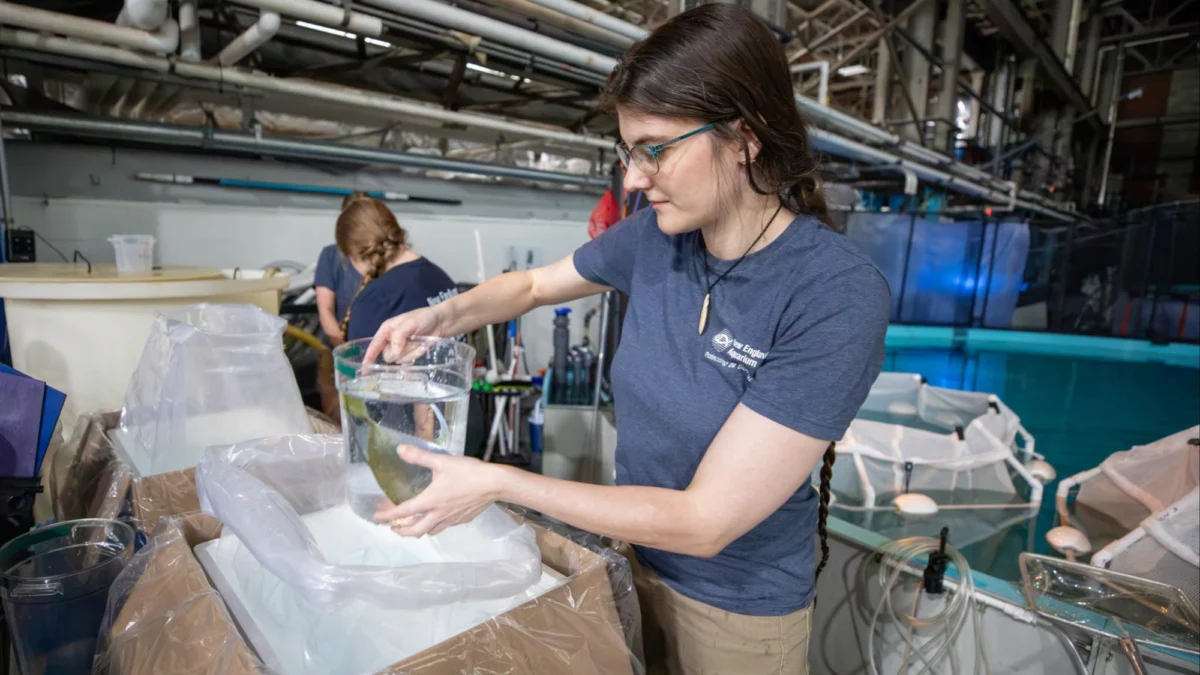
The New England Aquarium recently successfully executed the complex logistical transfer of 22 lookdown fish, a specialized operation that highlights the sophisticated, collaborative network of modern zoological institutions. While moving household pets often involves little more than a travel carrier and a leash, the relocation of aquatic species is a high-stakes engineering challenge requiring precise control over chemistry, temperature, and structural integrity. This recent shipment represents a single data point in a broader, nationwide strategy designed to bolster conservation efforts, improve aquaculture success rates, and ensure the genetic and biological health of populations held in human care.
The Collaborative Ecosystem of Aquariums
The operation conducted by the New England Aquarium is not an isolated event but rather a standard procedure within a highly organized, cooperative framework of North American aquariums. These institutions function as a collective, effectively operating as a distributed research and breeding laboratory. By assigning specific species to individual aquariums based on their specialized expertise, facilities, and staff capabilities, the collective maximizes the chances of successful breeding and population management.
This division of labor allows experts to focus on the nuances of species-specific care. For example, some facilities may specialize in reef fish, while others focus on cephalopods or elasmobranchs. When an institution successfully breeds a surplus of a particular species, those animals are systematically distributed to other member aquariums. This practice, known as inter-institutional transfer, is essential for maintaining genetic diversity and ensuring that no single aquarium carries the entire burden of species survival.
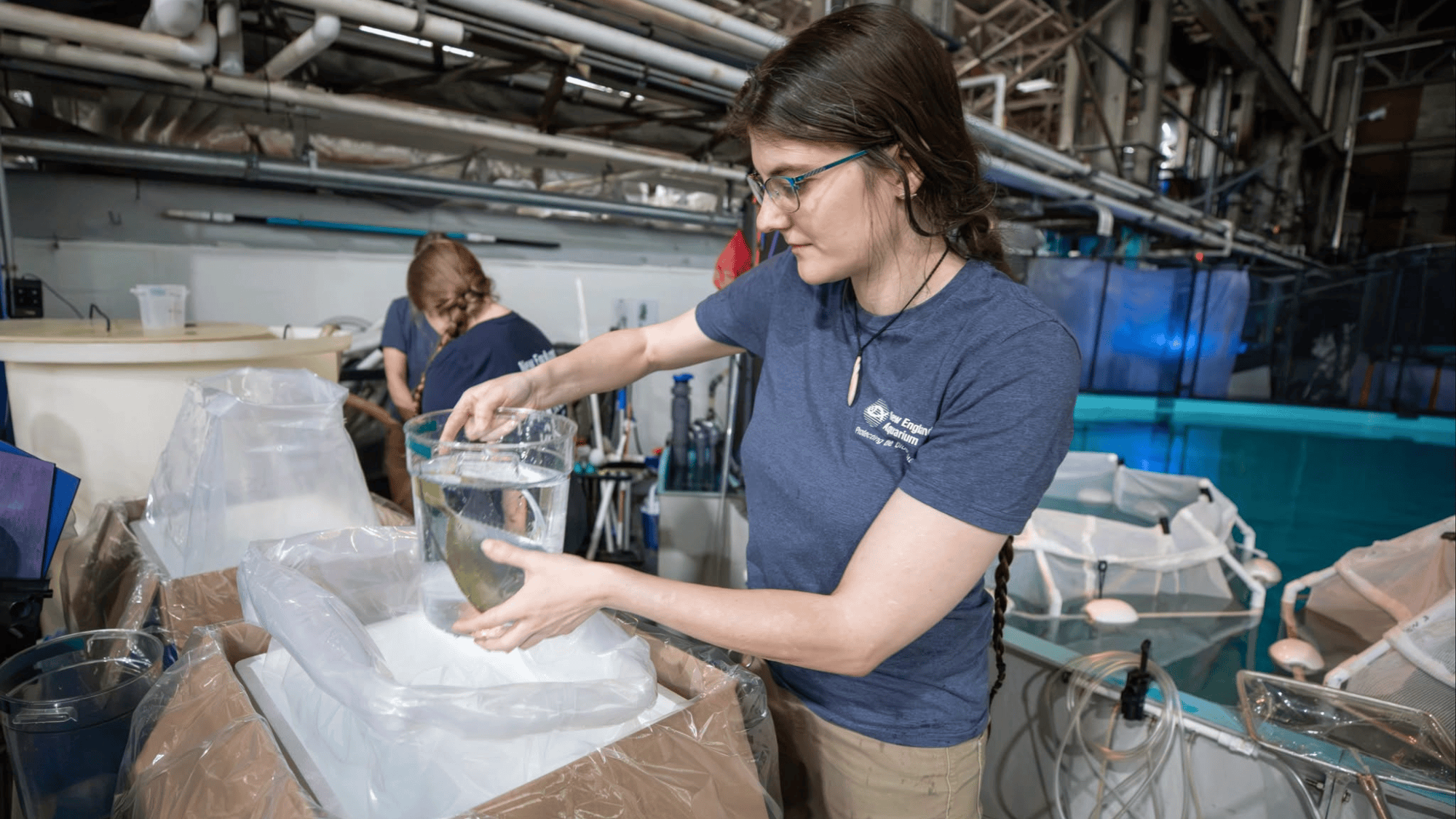
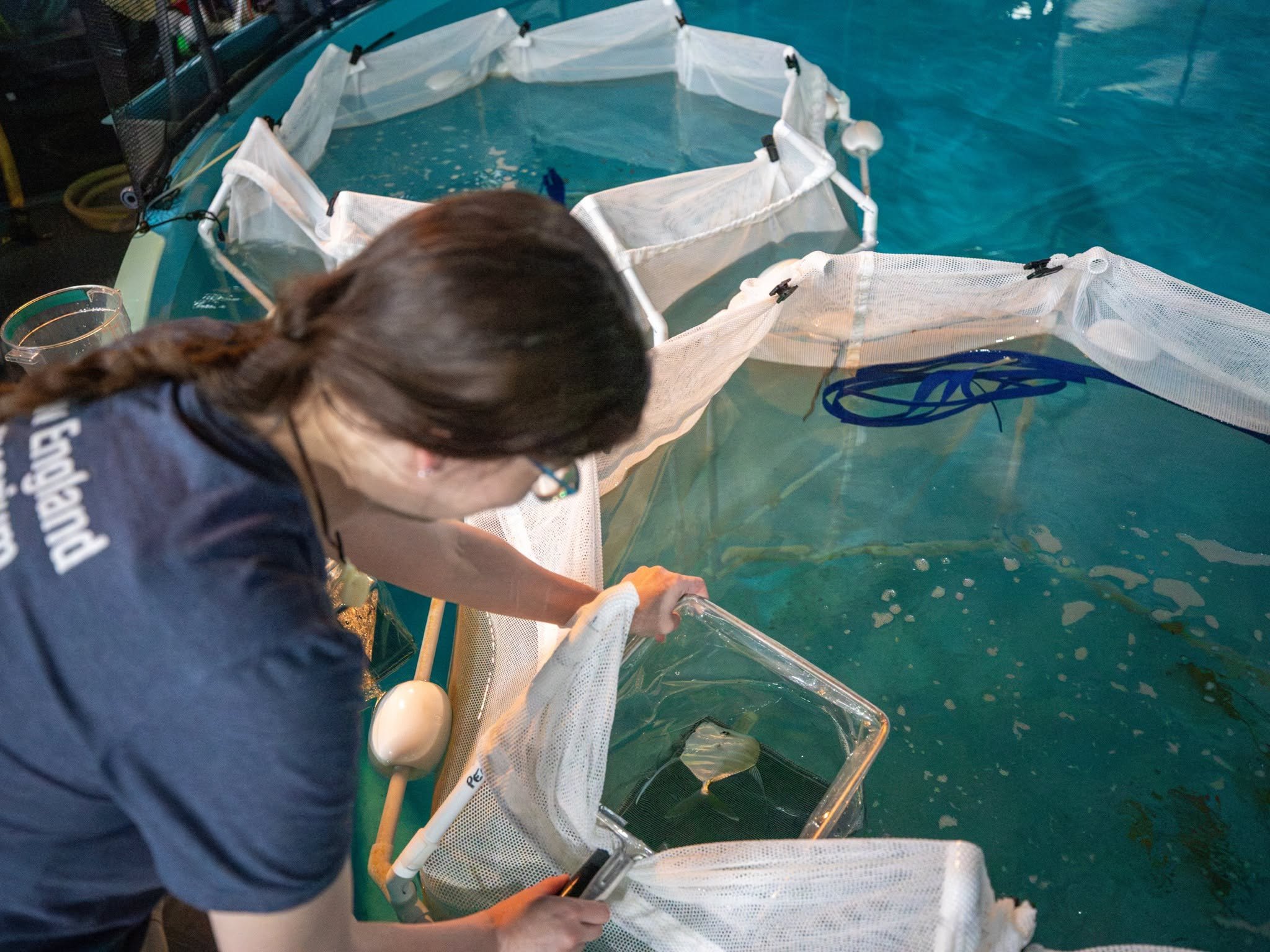
Monika Schmück, the manager of sustainability in the fishes department at the New England Aquarium, notes that this collaborative model has pushed the boundaries of what is possible in captivity. "By working together, we are able to raise more fish and develop aquaculture practices to successfully raise more species, including some that have never been raised before, such as copper/glassy sweepers, blue chromis, and brown chromis," Schmück explains. The New England Aquarium alone raises between 500 and 1,000 fish annually, redistributing them to more than 15 institutions each year.
The Engineering of Aquatic Transport
The logistical hurdle of moving fish stems from the fundamental requirement that they must remain submerged in water throughout their journey. Unlike terrestrial animals, which require ventilation and space, fish require a high volume of water, which introduces the challenge of extreme weight. A single gallon of water weighs approximately 8.34 pounds, meaning that even a small shipment of fish requires specialized, reinforced containers capable of supporting hundreds of pounds while maintaining a leak-proof seal.
The process of preparing a shipment begins with selecting the appropriate transport method: air cargo or ground freight. This decision is dictated by a matrix of variables, including the total weight of the shipment, the proximity of an airport, and, most importantly, the meteorological conditions at both the point of origin and the destination.
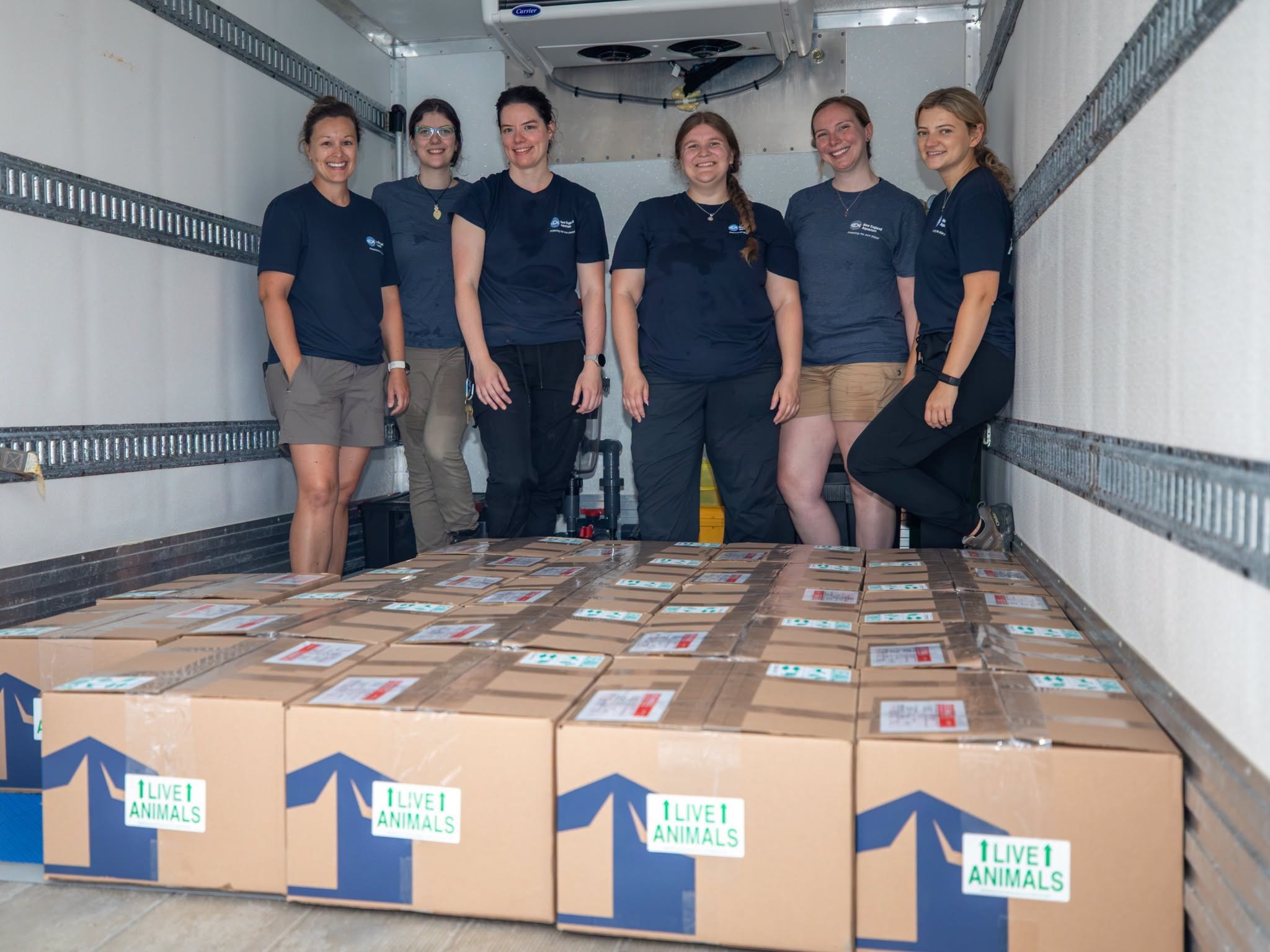
Ground transportation is frequently preferred for its flexibility and lower risk of mechanical delays. When using ground vehicles, teams can exercise greater control over the environment, often utilizing climate-controlled trucks that can maintain stable temperatures regardless of the season. Air cargo, while faster for long-distance hauls, introduces complexities related to cargo hold pressurization, airport handling times, and the rigorous requirements of aviation security.
Maintaining Environmental Stability
The primary concern during any transit is the preservation of water chemistry. Fish are highly sensitive to fluctuations in oxygen levels, ammonia, nitrate, and pH. To mitigate these risks, technicians utilize sophisticated monitoring equipment. Before a fish is placed in its transport container, the water is treated to ensure it matches the specific requirements of the species.
During transit, dissolved oxygen levels must be maintained via oxygen injection systems or specialized aeration equipment. Because fish metabolism can be influenced by stress—which in turn affects waste production—transport teams often utilize additives to neutralize toxic compounds like ammonia. Furthermore, the containers themselves are designed to be insulated to prevent rapid thermal changes. Even a few degrees of fluctuation can trigger a stress response in sensitive species, potentially leading to long-term health complications or mortality.
Chronology of a Transfer
A typical transfer operation follows a rigid, multi-stage protocol:
- Pre-Transport Conditioning: Weeks before the move, the target fish are monitored to ensure they are in peak health. Any signs of illness or stress disqualify an individual from the transport list.
- Water Chemistry Calibration: Teams finalize the water parameters, ensuring that the water quality in the transport containers is identical to the home habitat to minimize "shock" upon introduction.
- Packaging: The fish are carefully netted and transferred to double-layered, high-density polyethylene bags or custom-built tanks. The water-to-air ratio is calculated to provide sufficient oxygen while minimizing sloshing, which can physically injure the specimens.
- Logistical Execution: The boxes are secured in specialized transport crates, labeled with "Live Animal" indicators, and placed in climate-controlled vehicles.
- Monitoring and Arrival: The transit is tracked in real-time. Upon arrival at the destination aquarium, the fish undergo a secondary period of acclimation, where their new environment’s water is slowly introduced to their transport water to ensure a seamless transition.
Implications for Global Conservation
The success of these transport operations has profound implications for global conservation efforts. As wild populations face increasing pressures from climate change, ocean acidification, and habitat loss, the ability to maintain robust "insurance populations" in controlled settings becomes vital. The knowledge gained from transporting and breeding these fish is not limited to the walls of an aquarium; it contributes to a growing body of scientific literature regarding the life cycles and environmental requirements of various species.
Furthermore, by refining aquaculture practices, aquariums reduce the reliance on wild-caught specimens for public display and research. The ability to "grow our own" population, as demonstrated by the New England Aquarium’s success with species that were previously difficult to raise, represents a maturation of the modern zoo and aquarium industry.
The logistical sophistication required to move 22 lookdown fish—or any other species—is a testament to the dedication of modern husbandry teams. It is a process that balances the immediate safety of the individual animal with the long-term goal of species preservation. As these networks continue to expand and share data, the standards for animal transport will likely continue to evolve, incorporating new technologies in climate sensing, water stabilization, and, ultimately, the global health of our oceans. Through these quiet, behind-the-scenes logistical missions, the scientific community ensures that the marvels of the deep are protected, understood, and preserved for future generations.

