
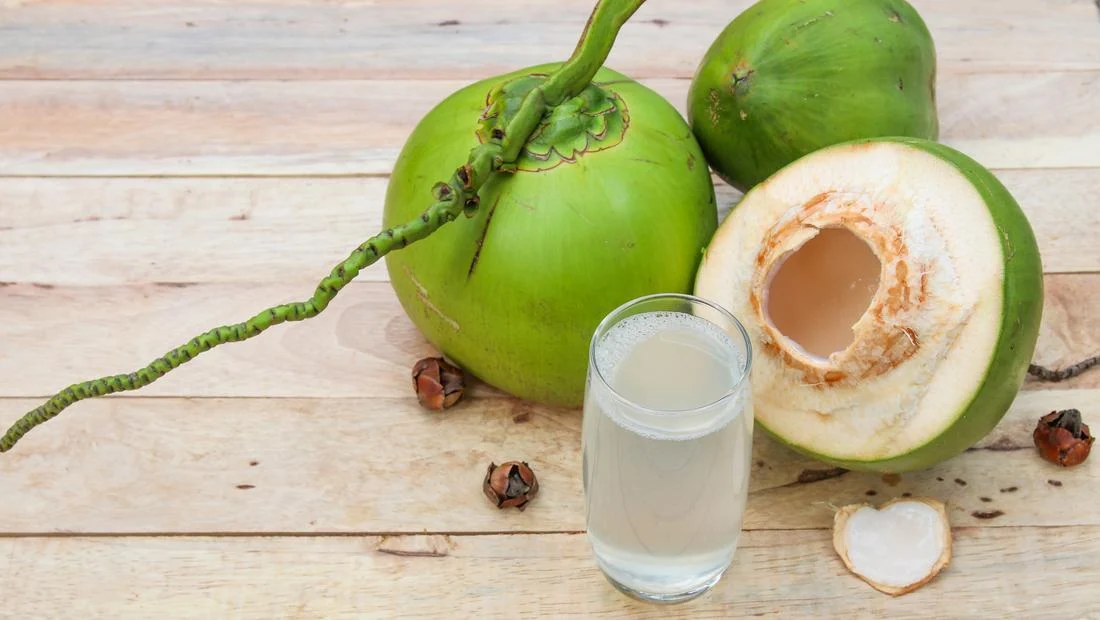
The refreshing allure of coconut water has long been marketed as a natural elixir, often touted in wellness circles as a "kidney detoxifier." However, medical consensus paints a more nuanced picture. While coconut water is a hydrating, electrolyte-rich beverage, it is not a medicinal tool capable of "cleansing" the kidneys or reversing chronic renal disease. Understanding the physiological interaction between coconut water and renal function requires a deep dive into electrolyte balance, mineral metabolism, and the specific limitations of the human kidney.
The Myth of Detoxification and the Reality of Hydration
In the realm of nephrology, the concept of "detoxifying" the kidneys is largely a misnomer. The kidneys function as an autonomous filtration system; they do not store toxins in a way that requires periodic flushing with specific herbal tonics or beverages. Instead, the primary requirement for optimal kidney health is consistent, adequate hydration, which allows the organs to filter waste products from the blood effectively.
Coconut water—the clear liquid found inside young, green coconuts—is essentially nature’s sports drink. It contains significant levels of potassium, magnesium, and sodium. For a healthy individual, these electrolytes are beneficial, particularly after intense physical exertion or fluid loss due to illness. According to clinical data provided by health institutions, when a person feels fatigued by plain water, coconut water serves as a palatable alternative that promotes fluid intake. By maintaining proper hydration levels, an individual indirectly supports the glomerular filtration rate (GFR)—the rate at which the kidneys filter blood—thereby ensuring the urinary tract remains flushed and functional.
The Science of Kidney Stones: Does Coconut Water Help?
One of the more scientifically grounded claims regarding coconut water is its potential role in the prevention of nephrolithiasis, or kidney stones. The pathogenesis of kidney stones typically involves the crystallization of minerals, most commonly calcium, within the urinary tract. When urine becomes highly concentrated, these minerals bond, forming hard deposits.
The medical strategy to prevent stone formation focuses on increasing urine volume to dilute these minerals. Emerging research suggests that coconut water may offer an advantage beyond simple hydration. Studies have indicated that consuming coconut water can increase the concentration of citrate in the urine. Citrate is a critical urinary inhibitor of stone formation; it binds to calcium, preventing it from combining with oxalate or phosphate to form insoluble stones.
Researchers hypothesize that this effect is linked to the alkaline nature of coconut water. By neutralizing acid in the digestive tract, the body may be signaled to increase the secretion of citrate into the urine. However, it is essential to approach these findings with caution. Current studies are largely preliminary, often involving small cohorts of healthy adults rather than patients with a history of recurrent kidney stones. While the data is promising, it is not yet robust enough for medical professionals to prescribe coconut water as a standard clinical intervention for stone prevention.
The Critical Role of Potassium and the Risk of Hyperkalemia
While the hydration benefits are widely recognized, the high potassium content in coconut water represents a significant clinical concern for specific populations. Potassium is a vital mineral that regulates cardiac rhythm, muscle contraction, and nerve signaling. In a healthy physiological state, the kidneys act as a precision control valve, excreting excess potassium through urine to maintain a narrow, safe concentration range in the bloodstream.
When kidney function is compromised, this regulatory mechanism fails. Patients with chronic kidney disease (CKD) or acute renal failure often cannot process high loads of potassium efficiently. If these individuals consume large quantities of coconut water—which can contain approximately 400 to 600 milligrams of potassium per cup—they risk developing hyperkalemia.
Hyperkalemia is a medical emergency. When serum potassium levels rise beyond the physiological limit, the electrical activity of the heart is disrupted, potentially leading to arrhythmias or sudden cardiac arrest. Although cases of severe hyperkalemia directly induced by coconut water consumption are relatively rare in clinical literature, they are well-documented. Most incidents occur in individuals who, perhaps unaware of their underlying renal impairment, consume large volumes of the beverage as a health supplement.
Patient Stratification: Who Should Exercise Caution?
The necessity for dietary restriction is not universal, but it is mandatory for those with impaired renal clearance. For the average healthy adult, the potassium in coconut water is easily managed by the body. However, for the following groups, caution is advised:
- Patients with Chronic Kidney Disease (CKD): Those in advanced stages of kidney disease (Stage 3 and above) are generally advised to monitor their potassium intake strictly.
- Individuals on ACE Inhibitors or ARBs: Medications often prescribed for hypertension, such as Angiotensin-Converting Enzyme (ACE) inhibitors or Angiotensin II Receptor Blockers (ARBs), can naturally cause the body to retain potassium. Combining these medications with high-potassium foods or drinks like coconut water can exacerbate the risk of hyperkalemia.
- Patients with Adrenal Insufficiency: Conditions such as Addison’s disease can affect the body’s ability to regulate electrolyte balance, making these patients more susceptible to fluctuations in potassium levels.
Medical professionals emphasize that "natural" does not automatically mean "safe" for all physiological profiles. A patient with a compromised kidney function requires a personalized nutritional plan. If a patient with renal disease wishes to incorporate coconut water into their diet, it should only be done under the direct supervision of a nephrologist or a renal dietitian who can monitor serum electrolyte levels.
Broader Implications and Public Health Perspectives
The trend of "health hacking" through functional beverages often bypasses the need for medical consultation. In the digital age, anecdotal evidence regarding "detox drinks" spreads faster than verified clinical data. Public health experts note that the primary danger of the "coconut water as a detox" narrative is the potential delay in seeking legitimate medical care. Patients suffering from early-stage kidney disease might opt for self-treatment with coconut water instead of undergoing blood tests or imaging that could identify the root cause of their symptoms.
Furthermore, the commercial marketing of coconut water often highlights its mineral content without emphasizing the threshold of safety for compromised systems. For the general public, the lesson is one of moderation. Coconut water is a superior alternative to high-sugar sodas and processed energy drinks, offering essential electrolytes and hydration. However, it is not a replacement for water, nor is it a therapeutic agent for renal pathology.
Conclusion
As the global wellness industry continues to expand, the scrutiny of popular health trends remains essential. Coconut water is a valuable dietary addition for those with healthy renal systems, offering hydration and potential benefits for stone prevention through citrate modulation. Conversely, it poses a tangible risk to those with pre-existing renal impairments due to its high potassium density.
The kidneys are sophisticated organs that thrive on balance, not on erratic "cleansing" cycles. Whether one is dealing with a history of kidney stones or simply looking for a post-workout beverage, the best approach remains rooted in moderation and informed consumption. If there is any doubt regarding the state of one’s renal health, blood work and professional consultation remain the only reliable diagnostic tools. In the end, nature provides an excellent beverage in the form of coconut water, but it is the individual’s underlying biology that determines whether it is a tonic or a risk factor.

