
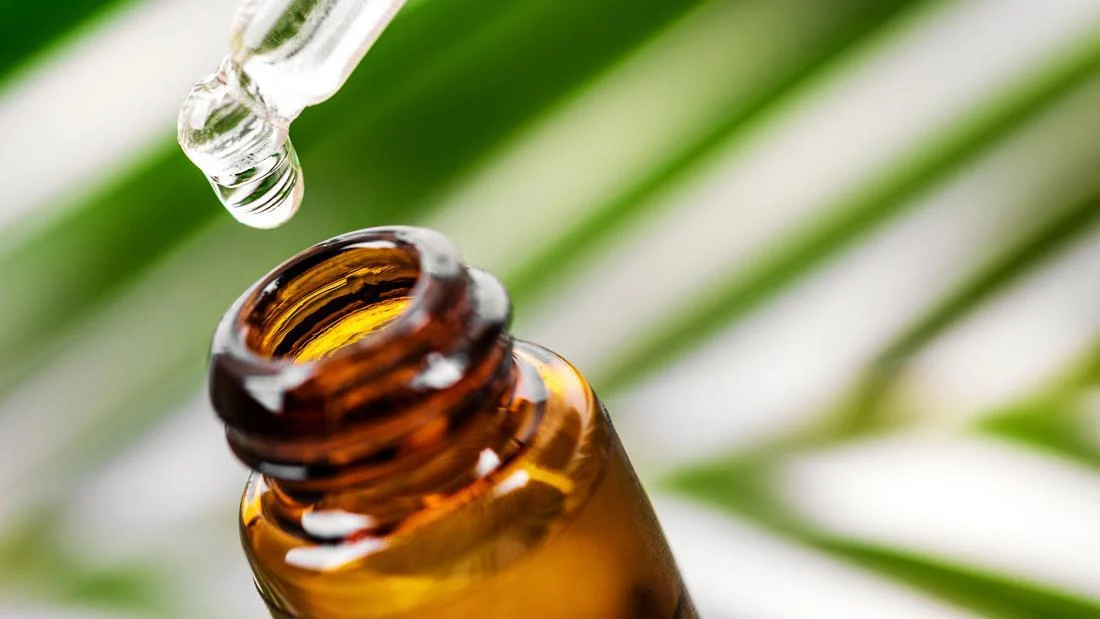
The growing popularity of aromatherapy and holistic health practices has led to a significant surge in the consumption of essential oils globally. From eucalyptus and lavender to peppermint and tea tree, these concentrated plant extracts are widely used for their therapeutic potential, ranging from respiratory relief to stress reduction. However, as the market expands, consumers face an increasing challenge: the proliferation of synthetic fragrance oils that mimic the scent and sensation of natural extracts. This phenomenon, often referred to as "essential oil fraud," poses not only a risk of economic loss but also potential dermatological concerns for unsuspecting users who may unknowingly apply chemical-laden alternatives to their skin.
Dr. Inggrid Tania, General Chair of the Association of Indonesian Traditional and Herbal Medicine Developers (PDPOTJI), has highlighted the growing difficulty in distinguishing between genuine botanical extracts and laboratory-synthesized scents. Because synthetic chemistry has become highly sophisticated, fragrance oils can now replicate the specific aromatic profiles and even the physical sensations—such as the cooling or warming effects traditionally associated with menthol or capsaicin—that consumers rely on to verify the authenticity of a product.
The Complexity of Synthetic Replication
The core issue lies in the fact that essential oils are volatile, complex mixtures of hundreds of chemical compounds derived from plants, whereas fragrance oils are man-made concoctions designed solely to replicate a scent. While a natural lavender oil contains a nuanced chemical profile that changes slightly depending on the season and geography of the harvest, a synthetic fragrance is consistent, stable, and significantly cheaper to produce.
Modern manufacturers can now introduce synthetic compounds to mimic the "tingle" or "heat" that consumers associate with medicinal oils like eucalyptus or clove. For example, by adding synthetic derivatives of chili extract or specific esters, a product can simulate the therapeutic warming sensation of a high-quality essential oil without providing any of the actual botanical benefits.
According to Dr. Inggrid, relying on the five senses is an insufficient strategy for the average consumer. "It is difficult to distinguish these products using only the senses," she stated. "Definitive differentiation requires laboratory analysis, such as Gas Chromatography-Mass Spectrometry (GC-MS), which is not a practical or accessible solution for the general public."
A Chronology of Market Challenges
The rise of the essential oil market has been marked by several distinct phases over the last decade. Historically, essential oils were sold primarily in specialty health stores and by professional practitioners. However, the mid-2010s saw a massive shift as multi-level marketing companies and mass-market retail outlets began promoting these products for daily household use.
- 2015-2017: The Wellness Boom: The global wellness industry began prioritizing "natural" home remedies, leading to a spike in demand for essential oils. As demand outstripped supply, the market saw an influx of adulterated products.
- 2018-2020: Regulatory Scrutiny: Increased reports of allergic reactions and skin irritation led to a crackdown by health agencies worldwide, including the BPOM (Indonesian Food and Drug Authority), to ensure that labels reflected the true contents of the bottles.
- 2021-Present: The Era of Transparency: Consumers are now more informed but still struggle to navigate the technical jargon on labels. The current market is defined by a push for third-party testing and clearer regulatory labeling, though the proliferation of online marketplaces has made enforcement difficult.
Protecting the Consumer: A Three-Pillar Approach
Despite the technical hurdles, experts suggest that consumers can significantly reduce their risk by following a rigorous evaluation process before purchase.
1. Rigorous Label Analysis
The first step in verification is the scrutiny of the ingredient list. Genuine essential oils should list the botanical name of the plant (e.g., Lavandula angustifolia) and typically state "100% pure essential oil." If the label uses vague terms like "fragrance," "parfum," or "nature-identical," it is a clear indicator that the product is synthetic. Consumers should look for transparency in the sourcing and the common name of the plant as the sole ingredient.
2. Regulatory Verification and Licensing
In jurisdictions like Indonesia, the BPOM plays a critical role in consumer safety. Products that have received an official distribution permit (Izin Edar) have undergone at least a basic screening process. Dr. Inggrid emphasizes that consumers should look for the BPOM registration number on the packaging. "Products like kayu putih (cajuput) oil or eucalyptus oil are often registered under the traditional medicine (jamu) or ‘quasi-drug’ categories," she noted. These designations ensure that the product has met safety standards for topical use, even if it is not intended for internal consumption.
3. The Price-Quality Correlation
While price is not a perfect indicator, it is a significant one. The production of essential oils is a resource-intensive process; for example, it takes hundreds of pounds of lavender flowers to produce a single pound of high-quality oil. Therefore, if a product is priced significantly below market averages, it is almost certainly a synthetic fragrance.
Dr. Inggrid notes that while "therapeutic grade" or "pharmaceutical grade" oils exist, they are not strictly necessary for common household applications. "For everyday needs such as treating minor bloating, cold relief, or simple inhalation, high-end therapeutic grade oil is not mandatory. However, what is mandatory is ensuring that the product is a natural extract, not a synthetic imitation."
Broader Implications and Health Risks
The shift toward synthetic oils is not merely an economic issue; it is a public health concern. Synthetic fragrances often contain phthalates and other volatile organic compounds (VOCs) that are known to cause skin sensitization and, in some cases, endocrine disruption. Unlike natural essential oils, which have a complex, evolving interaction with the skin, synthetic oils can cause immediate contact dermatitis in sensitive individuals.
Furthermore, the lack of quality control in unregulated markets can lead to the presence of heavy metals or pesticide residues, as the raw materials used for cheap "essential oils" are often sourced from lower-quality agricultural byproducts.
Future Outlook and Conclusion
As the market continues to evolve, the burden of proof remains largely on the consumer, although there is a growing demand for stricter international standards. Industry analysts suggest that in the coming years, we may see more brands adopting blockchain technology or QR-code-based supply chain transparency, allowing consumers to trace an oil from the field to the bottle.
Until such systems are standard, the advice from the medical community remains clear: prioritize products with verified regulatory backing, demand ingredient transparency, and remain skeptical of "too-good-to-be-true" pricing. By shifting away from synthetic fragrances and moving toward authentic, transparently sourced botanical products, consumers can safely integrate the benefits of nature into their daily routines without falling prey to the chemical imitations that permeate the modern wellness landscape.
The integration of traditional herbal wisdom with modern regulatory oversight represents the most effective way to protect public health. While the allure of a low-cost, sweet-smelling bottle is high, the long-term health of the consumer depends on the ability to distinguish between the genuine essence of a plant and the hollow imitation of a laboratory.

