
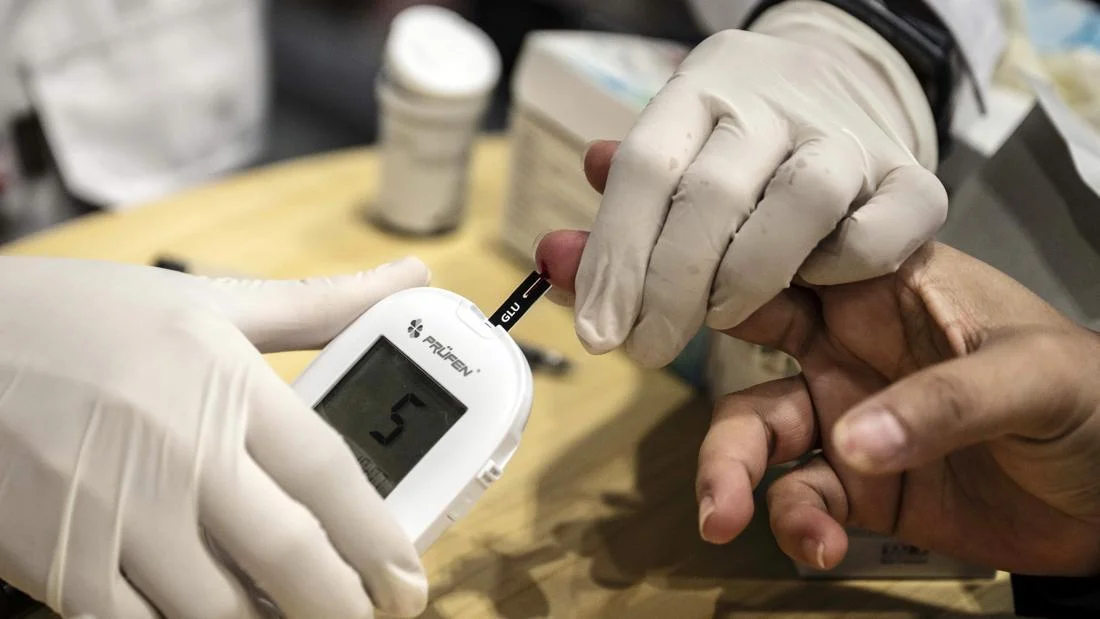
Maintaining stable blood glucose levels has long been a cornerstone of preventive medicine, particularly as the global prevalence of metabolic disorders, prediabetes, and type 2 diabetes continues to rise at an alarming rate. Medical professionals have traditionally recommended structured exercise regimens, dietary modifications, and pharmacological interventions to manage glycemic spikes that typically occur following the consumption of carbohydrate-dense meals. However, a groundbreaking study conducted by researchers at San Diego State University has introduced a remarkably accessible intervention that challenges conventional perspectives on exercise intensity and metabolic health: a mere one-minute bout of light-intensity stair climbing.
Published earlier this year, the study revealed that climbing one or two flights of stairs for just sixty seconds can drastically mitigate postprandial glycemic excursions—reducing blood sugar spikes by up to 40 percent compared to periods of prolonged sedentary behavior. While the scientific community frequently emphasizes the necessity of sustained physical activity, these findings suggest that even micro-bouts of movement integrated into daily routines can exert a profound biochemical influence on human metabolism. As researchers continue to dissect the physiological mechanisms underlying this phenomenon, health experts are increasingly recognizing the value of incorporating brief physical interruptions into environments traditionally dominated by sitting, such as office buildings, universities, and residential high-rises.
Chronology and Experimental Methodology of the San Diego State University Study
The investigation into micro-interventions for blood glucose control originated from a growing interest in how sedentary lifestyles exacerbate metabolic dysfunction. To explore whether ultra-short bursts of physical activity could counteract the physiological consequences of carbohydrate ingestion, a team of researchers at San Diego State University designed a controlled trial involving a cohort of participants.
The study primarily focused on tracking real-time glycemic responses following the consumption of a standardized glucose solution designed to simulate a high-carbohydrate meal. Throughout the testing protocol, participants were subjected to different postural and activity conditions. In the control condition, individuals remained seated for the duration of the monitoring period. In the intervention condition, participants were instructed to engage in a light-intensity activity: walking and climbing a flight or two of stairs for a duration of exactly one minute.
Blood glucose levels were meticulously monitored at regular intervals following the ingestion of the sugar solution. The results captured the attention of the lead investigators. Participants who performed the one-minute stair-climbing activity exhibited blood sugar spikes that were approximately 40 percent lower than those observed when they remained seated. Furthermore, continuous glucose monitoring indicated that this protective metabolic effect persisted for up to 80 minutes following the consumption of the glucose solution, although the magnitude of the reduction gradually tapered off over time.
Scientific Reception and Expert Perspectives
Despite the striking nature of the results, the study’s authors have urged caution against overinterpreting the immediate implications or viewing a one-minute stair climb as a comprehensive substitute for structured physical fitness. Jochen Kressler, a professor of exercise physiology and the senior author of the study, expressed genuine astonishment at the scale of the metabolic response during an interview with The Washington Post.
"Sejujurnya, rasanya hal ini seharusnya tidak berhasil, setidaknya tidak dengan efek sebesar ini," Kressler remarked, reflecting the initial skepticism of the research team given the extraordinarily brief duration of the physical exertion. Nevertheless, Kressler and his colleagues have maintained a rigorous, objective stance regarding the limitations of their findings.
The study featured a relatively small participant pool consisting of 30 healthy individuals who were specifically recruited from a population of exercise physiology students. Consequently, the cohort did not represent a cross-section of the general public, nor did they undergo testing after consuming complex, real-world mixed meals containing fats, proteins, and fibers. Furthermore, Kressler explicitly emphasized that the findings cannot be directly extrapolated to individuals diagnosed with type 2 diabetes—a chronic metabolic condition characterized by insulin resistance, wherein the body’s cells fail to respond effectively to insulin, coupled with an inability of the pancreas to produce sufficient quantities of the hormone required to regulate blood glucose homeostasis.
"Kami belum mengetahui dampak jangka panjangnya," Kressler stated, reinforcing his personal commitment to maintaining his comprehensive exercise routine rather than reducing his physical fitness regimen to sporadic one-minute stair climbs.
Broader Implications: The Health Risks of Postprandial Glycemic Spikes
To fully appreciate the significance of managing blood sugar fluctuations, medical professionals examine the cascading physiological consequences associated with recurrent glycemic spikes. Lisa Marsh, a clinical dietitian affiliated with the Baylor Scott & White Health Texas Provider Network, has extensively documented the systemic toll that unstable blood glucose levels exact on the human body over time.
According to Marsh, sharp and frequent elevations in blood sugar are fundamentally linked to a constellation of severe chronic health complications. These long-term risks encompass microvascular and macrovascular damage that can culminate in chronic kidney disease, cardiovascular complications such as atherosclerosis and heart attacks, and neurodegenerative disorders, including dementia.
In addition to long-term pathological outcomes, acute glycemic volatility precipitates immediate, debilitating symptoms that can impair daily functioning and productivity. Short-term complications frequently manifest as profound physical fatigue, cognitive impairment—colloquially referred to as "brain fog"—diminished physical endurance, and volatile mood disturbances. These symptoms often create a cyclical barrier to maintaining a healthy lifestyle, as fatigue discourages individuals from engaging in planned physical exercise or preparing nutritious meals.
Understanding Normal Blood Glucose Parameters
To contextualize the data surrounding glycemic control, health organizations such as the Centers for Disease Control and Prevention (CDC) outline specific numerical thresholds that define normal blood glucose regulation. While physiological parameters naturally fluctuate throughout a 24-hour cycle in response to circadian rhythms, dietary intake, physical exertion, and stress, established clinical guidelines provide a standardized baseline for healthy individuals.
For those without metabolic impairments, fasting blood glucose levels and pre-meal readings typically range between 80 and 130 milligrams per desiliter (mg/dL). Following the consumption of a meal, blood sugar levels transiently rise; however, in a normally functioning metabolic system, postprandial readings generally remain strictly below 180 mg/dL. When these parameters are consistently exceeded, individuals enter the territory of impaired glucose tolerance, prediabetes, or overt diabetes mellitus, necessitating targeted medical management.
Comprehensive Strategies for Sustainable Blood Glucose Management
While micro-interventions like stair climbing offer exciting avenues for mitigating postprandial glucose excursions, comprehensive metabolic health requires a multifaceted approach integrating physical activity, nutritional balance, hydration, and behavioral consistency.
The Role of Regular Physical Activity
The American Heart Association (AHA) underscores that physical activity acts as a potent biological catalyst for glycemic regulation. When skeletal muscles contract during exercise, they stimulate the translocation of glucose transporter type 4 (GLUT4) proteins to the cell membrane. This process allows circulating glucose to enter the muscle cells directly, independent of insulin signaling, thereby functioning as a natural mechanism to clear excess sugar from the bloodstream and utilize it efficiently as a primary source of cellular energy.
Nutritional Optimization and Balanced Diets
Dietary composition remains a foundational pillar of metabolic stability. Nutritional guidelines consistently advocate for whole, nutrient-dense diets rich in dietary fiber, vegetables, fresh fruits, and lean proteins. Fiber-rich foods slow down the rate of gastric emptying and carbohydrate digestion, preventing the rapid intestinal absorption of glucose that triggers severe postprandial spikes. Conversely, heavily processed foods and refined sugars introduce an overwhelming influx of glucose into the bloodstream that overburdens the endocrine system.
Hydration and Renal Function
Maintaining optimal systemic hydration is another critical yet frequently overlooked component of blood sugar management. According to clinical nutritionist Sapna Peruvemba, adequate water intake supports renal physiology by enabling the kidneys to filter surplus circulating glucose from the bloodstream efficiently. This excess sugar is subsequently excreted through urine, preventing the accumulation of high blood sugar concentrations. Dehydration, by contrast, can concentrate blood glucose levels, exacerbating glycemic volatility.
Behavioral Consistency and Meal Regularity
Establishing consistent eating patterns is essential for metabolic equilibrium. Clinical data compiled by Baylor Scott & White Health indicates that regularly skipping meals can paradoxically impair metabolic function. Prolonged fasting followed by heavy caloric consumption often leads to exaggerated glycemic responses and disrupts basal metabolic rate. Furthermore, irregular eating schedules frequently induce energy crashes that undermine self-regulation, triggering intense cravings for high-carbohydrate, energy-dense foods. By eating balanced, evenly spaced meals throughout the day, individuals can stabilize energy reserves, support sustained metabolic health, and protect against the cumulative dangers of chronic blood sugar dysregulation.

