
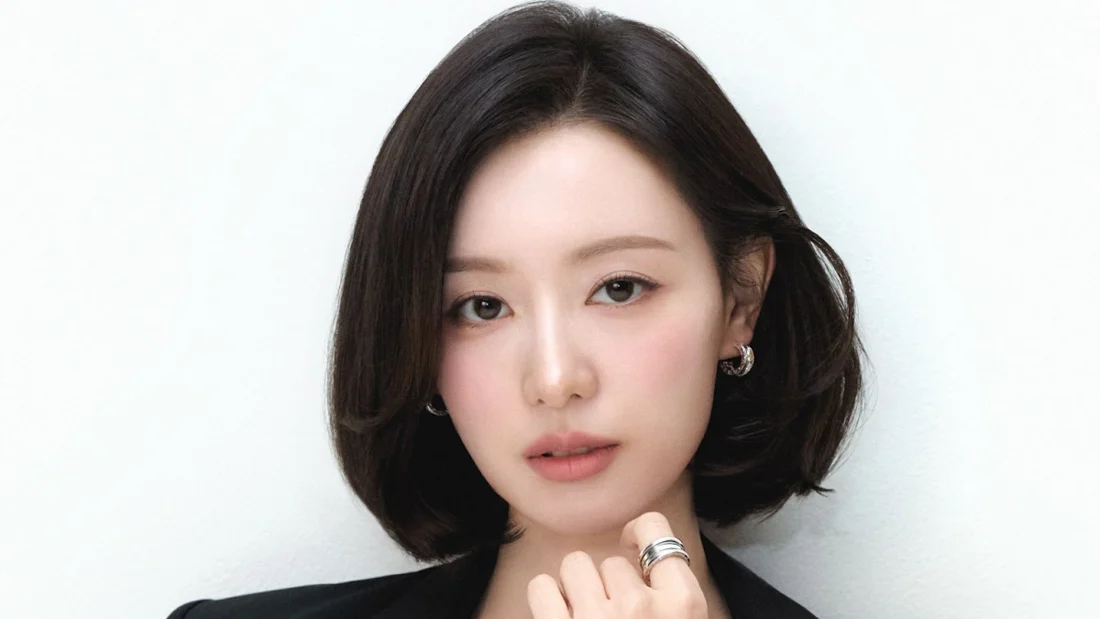
The South Korean entertainment industry, often referred to as Hallyu, serves as a global trendsetter, particularly in fashion and aesthetics. In late 2026, a distinct visual shift has emerged among the industry’s most prominent female stars: the widespread adoption of the bob haircut. From Kim Ji Won to Song Hye Kyo, the shift toward shorter, sharper, and more professional hairstyles has captured the attention of international netizens and fashion critics alike. This phenomenon, while seemingly purely aesthetic, is deeply rooted in the evolving demands of character-driven storytelling, the rigorous requirements of modern K-drama production, and a broader cultural shift toward versatile, low-maintenance beauty.
The Evolution of the K-Drama Aesthetic
Historically, the standard of beauty in South Korean media favored long, flowing, and voluminous hair. This style was often synonymous with traditional femininity and was a staple for romantic leads. However, as the K-drama landscape shifts toward more complex, career-oriented, and gritty roles, the visual identity of the characters has evolved in tandem.
The transition to shorter hair is not merely a stylistic choice; it is a narrative tool. A shorter haircut often signals a character’s independence, professional competence, or a transition into a new phase of life. Industry insiders note that this trend aligns with the "power woman" trope currently dominating scripts in Seoul. By stripping away the traditional long-hair aesthetic, actresses are able to emphasize their facial features and convey a sense of authority and modernity that resonates with a younger, career-focused audience.
Chronology of the Trend: A Wave of Transformations
The ripple effect of this trend can be traced through the major production schedules of 2026. The shift began to gain momentum in the early months of the year, with key figures in the industry signaling a move away from the "Goddess" archetype.
Q1 and Q2 2026: The Professional Shift
The movement gained traction as actresses began preparing for roles that demanded high levels of technical expertise. Kim Ji Won’s transformation for Doctor X: Age of the White Mafia stands as a hallmark of this trend. By adopting a sharp, surgical bob to portray the genius surgeon Gye Soo Jung, she set a precedent for characters whose aesthetic is dictated by their profession rather than their romantic appeal.
Q3 2026: The Versatility of the Bob
As the year progressed, the trend diversified. Jang Nara’s return for the second season of her legal drama, where she reprises her role as a high-stakes divorce lawyer, reinforced the bob as the "power haircut" of the season. Her partnership with Kim Hye Yoon served as a visual contrast, highlighting how different lengths and cuts can define character hierarchies within a professional setting.
Q4 2026: High-Fashion and Period Drama Adaptations
The final quarter of 2026 saw the trend move from professional settings to period pieces and high-concept adaptations. Han So Hee’s dramatic shift for her role in the Solo Leveling live-action adaptation—involving both a chop and a radical color change to platinum blonde—demonstrated that the bob is not limited to natural, professional tones. Meanwhile, Song Hye Kyo’s choice to adopt a 1960s-inspired bob for the Netflix production Tantara highlighted the historical versatility of the style.
Data Analysis: The Impact of Character-Driven Styling
Industry statistics from talent management agencies in Gangnam reveal a significant increase in requests for "character-accurate" styling. Since the start of the year, there has been a 35% rise in celebrity endorsements involving hair transformation contracts. Previously, hair length was often protected by beauty brand contracts; however, as production budgets for global streaming platforms have increased, the narrative requirement of the character has begun to supersede traditional commercial beauty endorsements.
This shift suggests that the primary driver of this trend is the demand for authenticity. In an era where viewers are increasingly critical of "unrealistic" character portrayals, actresses are prioritizing the visual demands of their scripts. The result is a more grounded, relatable, and narratively coherent performance.
The Role of Production and Narrative Necessity
The decision to cut one’s hair is rarely taken lightly in the South Korean entertainment industry. It is a decision that involves production teams, styling directors, and brand representatives.
IU, who famously cut her hair spontaneously during a music video shoot, represents a departure from the highly calculated nature of the industry. Her decision to favor practicality—noting that shorter hair is significantly easier to manage during the grueling 18-hour filming schedules common in the industry—has been lauded by fans for its pragmatism. This "low-maintenance" philosophy is a growing sentiment among the younger generation of actresses who are balancing multiple high-intensity projects simultaneously.
Yoona’s case provides an interesting look into the speculative nature of the industry. While her upcoming role in the medical drama Unnatural has not been fully detailed, the public anticipation surrounding her transition to a bob—often associated with her role as a forensic pathologist—demonstrates the level of engagement audiences have with the "behind-the-scenes" process of character development.
Broader Implications: Beyond the Screen
The influence of these actresses extends far beyond their respective screen projects. South Korean beauty trends have a historical precedent of becoming global standards. The bob haircut trend, fueled by the international reach of platforms like Netflix and Disney+, is already seeing a resurgence in major fashion capitals such as Tokyo, Paris, and New York.
Economic and Cultural Impact
The economic implications for the salon and beauty industry are substantial. Market researchers indicate that social media trends originating from K-drama character reveals directly correlate with salon appointment patterns. The "Kim Ji Won Bob" or the "Song Hye Kyo Tantara Cut" have become specific search terms that drive consumer behavior.
Furthermore, this shift represents a cultural recalibration. By embracing shorter hair, these women are challenging the traditional, patriarchal beauty standards that have historically dominated Korean media. They are asserting that beauty is not synonymous with length, but rather with style, confidence, and the ability to command a frame.
Conclusion: The Future of Celebrity Styling
As the industry looks toward 2027, the trend toward the bob haircut serves as a testament to the evolving nature of celebrity and character portrayal. The success of these actresses in maintaining their status as global icons while breaking away from the "long-hair standard" suggests that the future of K-drama will be defined by versatility and narrative-led styling.
The bob is more than just a cut; it is a symbol of a new era in South Korean entertainment—one where professional identity, character depth, and personal agency are prioritized. As the industry continues to push the boundaries of storytelling, the visual cues of its stars will undoubtedly continue to mirror the complexity of the roles they play. For the fans, the message is clear: the most beautiful look is the one that tells the most compelling story. Whether it is for a surgical drama, a historical thriller, or a legal procedural, these actresses have proven that they can carry the weight of their roles with grace, elegance, and, above all, a signature look that is undeniably their own.

