
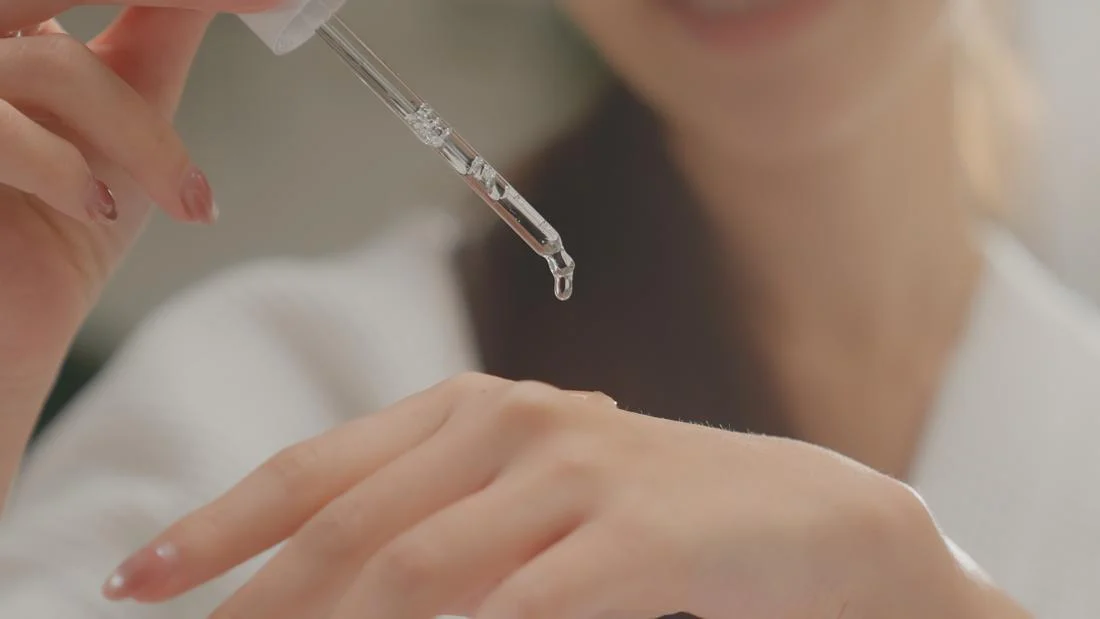
Jakarta — The global popularity of essential oils has surged remarkably over the past decade, driven by a growing consumer preference for natural wellness remedies, organic personal care items, and holistic aromatherapy. Frequently diffused for relaxation, inhaled for stress relief, or integrated into DIY skincare routines, these highly concentrated plant extracts have cemented themselves as household staples. However, a widespread misconception persists that because essential oils are derived from natural botanical sources, they are inherently safe for direct, unmonitored application on the human body. Medical professionals and herbal medicine experts are now raising awareness regarding the potential dermatological hazards of improper essential oil use, emphasizing that natural does not automatically equate to harmless.
According to prominent herbal medicine practitioner and founder of the Herbal Medicine Class, Dr. Prapti Utami, M.Si., consumers must exercise extreme caution before applying any essential oil directly to their skin. Despite their therapeutic benefits, essential oils possess potent active biochemical compounds that can easily provoke adverse dermal reactions, ranging from mild contact dermatitis and localized irritation to severe allergic responses. To mitigate these health risks, Dr. Prapti strongly recommends performing a preliminary patch test before incorporating any new essential oil into a regular wellness or beauty regimen.
The Necessity of Independent Patch Testing
The human epidermis is a complex and highly individualized organ, meaning that dermatological responses to botanical compounds vary significantly from one person to another. A specific essential oil formulation that proves entirely benign and soothing for one individual may trigger an acute inflammatory response, redness, burning, or itching in another. Consequently, assuming universal skin compatibility based on anecdotal reviews or generalized product claims is a hazardous practice.
Dr. Prapti emphasizes that this imperative for caution applies even when essential oils have been properly diluted in a carrier oil. Many consumers labor under the false assumption that dilution completely neutralizes the risk of an adverse immune or skin reaction.
"Because actually, the application of essential oils that have already been mixed with a carrier oil—carrier oils like VCO [Virgin Coconut Oil], almond oil, or candlenut oil—still need to be tested," Dr. Prapti explained.
To conduct an effective and safe self-assessment, users are advised to apply a minuscule amount of the diluted essential oil mixture onto a sensitive, discreet area of the skin, such as the inner forearm or behind the ear. Following the application, the individual should monitor the test site for twenty-four to forty-eight hours to observe whether any hypersensitivity symptoms manifest. This simple precautionary measure serves as an invaluable diagnostic tool, empowering consumers to identify potential sensitivities before exposing larger areas of the body to the botanical solution.
Understanding Distillation Grades and Direct Application
Beyond the necessity of allergy testing, consumers must navigate the complex landscape of essential oil manufacturing quality. Not all commercially available essential oils are formulated or purified for topical application. The production of essential oils relies heavily on intricate steam distillation or cold-pressing processes, which yield varying tiers of purity and chemical composition.
Dr. Prapti highlights that essential oils are classified into distinct production grades—commonly designated as Grade A, Grade B, and subsequent tiers—which directly reflect the overall purity, therapeutic value, and safety profile of the final extract. Grade A essential oils represent the highest echelon of manufacturing excellence, undergoing rigorous extraction and filtration processes that eliminate impurities while preserving the delicate botanical constituents.
"What is certain is that we know distillation has grades, there is grade A, grade B, and so on. Now, grade A is the best grade, a grade that is safe for health, and can be applied directly to human skin," Dr. Prapti elaborated.
Conversely, lower-grade essential oils often contain synthetic additives, residual chemical solvents from substandard extraction methods, or altered molecular structures that make them entirely unsuitable for dermal contact. Applying lower-grade oils directly to the skin can disrupt the skin barrier, induce chemical burns, or lead to systemic toxicity over prolonged exposure. Therefore, verifying the specific product grade and intended use outlined by the manufacturer is a critical preliminary step for any consumer.
The Crucial Role of Carrier Oils in Topical Applications
For essential oils that require topical application—particularly those utilized in therapeutic massage or targeted skincare—experts universally recommend the incorporation of a carrier oil. Essential oils are characterized by high volatility; they possess low boiling points, evaporate rapidly upon exposure to air, and lack thermal stability. This rapid evaporation rate means that neat (undiluted) essential oils can overwhelm localized areas of the skin with an excessively high concentration of active compounds before the body has time to process them.
Carrier oils, derived from the fatty portions of nuts, seeds, and kernels, act as stabilizing agents and delivery vehicles. Commonly utilized carrier oils include Virgin Coconut Oil (VCO), sweet almond oil, jojoba oil, and candlenut oil.
"Carrier oils are oils that carry, to broaden, to bind the essential oil. Because their nature is not heat-resistant and they evaporate quickly, they evaporate very fast," Dr. Prapti noted.
By blending volatile essential oils with a stable carrier oil, the mixture achieves a slower rate of evaporation, allowing the active botanical molecules to disperse evenly across a broader surface area of the skin. This controlled release mechanism not only enhances the therapeutic efficacy of the treatment but also significantly minimizes the risk of localized chemical irritation. However, as Dr. Prapti reiterates, the presence of a carrier oil does not render the mixture universally safe, underscoring once again why individual patch testing remains non-negotiable.
Identifying and Responding to Adverse Skin Reactions
Recognizing the early warning signs of an adverse dermatological reaction is paramount for anyone utilizing botanical extracts. Skin sensitivity to essential oils can manifest immediately or develop gradually over time through cumulative exposure and sensitization. Common symptoms of adverse reactions include persistent pruritus (itching), erythema (redness), a burning or stinging sensation, localized edema (swelling), or the formation of vesicular rashes resembling contact dermatitis.
Should any of these clinical indicators appear following the application of an essential oil—whether diluted or pure—the user must immediately cease application. The affected skin area should be gently washed with mild soap and cool water to remove lingering botanical residues. In cases where irritation persists or escalates, consulting a certified dermatologist or healthcare professional is strongly advised.
Dr. Prapti stresses that the integration of herbal and natural remedies into daily life requires a foundation of informed awareness, deliberate self-observation, and continuous evaluation. Whether an herbal preparation is ingested, inhaled, or topically applied, the user assumes responsibility for understanding the biochemical nature of the substances involved.
"Know yourself, know the herbs that will be applied, and how they are eventually combined. Pay attention, evaluate, and monitor," she advised.
Broader Implications for the Wellness Industry and Consumer Safety
The insights provided by medical and herbal experts highlight a broader regulatory and educational challenge within the rapidly expanding global wellness and aromatherapy market. As e-commerce platforms and direct-to-consumer marketing make botanical products increasingly accessible, consumer education often fails to keep pace with product availability. Many wellness brands prioritize aesthetic marketing and fragrance profiles over comprehensive safety disclosures, leaving novice consumers vulnerable to preventable injuries.
Public health advocates and dermatological associations are increasingly calling for standardized labeling on essential oil packaging. Clear warnings regarding the necessity of dilution, explicit grade disclosures, and mandatory patch-test instructions could substantially reduce the incidence of adverse dermatological events. Furthermore, healthcare systems frequently absorb avoidable burdens when patients present with severe allergic contact dermatitis caused by the misuse of concentrated industrial or cosmetic-grade botanical extracts.
Ultimately, the safe utilization of essential oils transcends mere consumer preference for pleasant fragrances or natural lifestyles. It requires a disciplined approach grounded in pharmacological understanding, strict adherence to product quality standards, and respect for the physiological limits of the human skin. By combining rigorous self-testing protocols, appropriate carrier oil dilution, and a mindful approach to bodily response, consumers can successfully harness the therapeutic benefits of essential oils while safeguarding their long-term health and dermatological well-being.

