
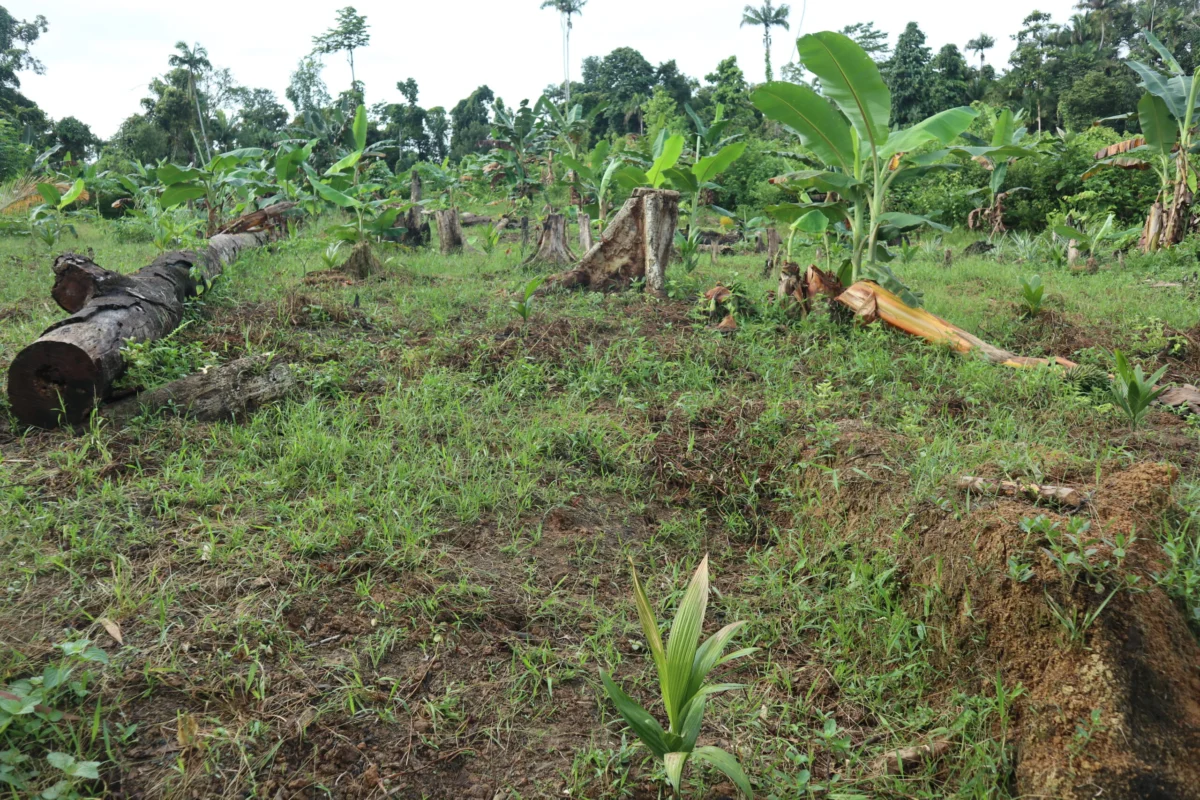
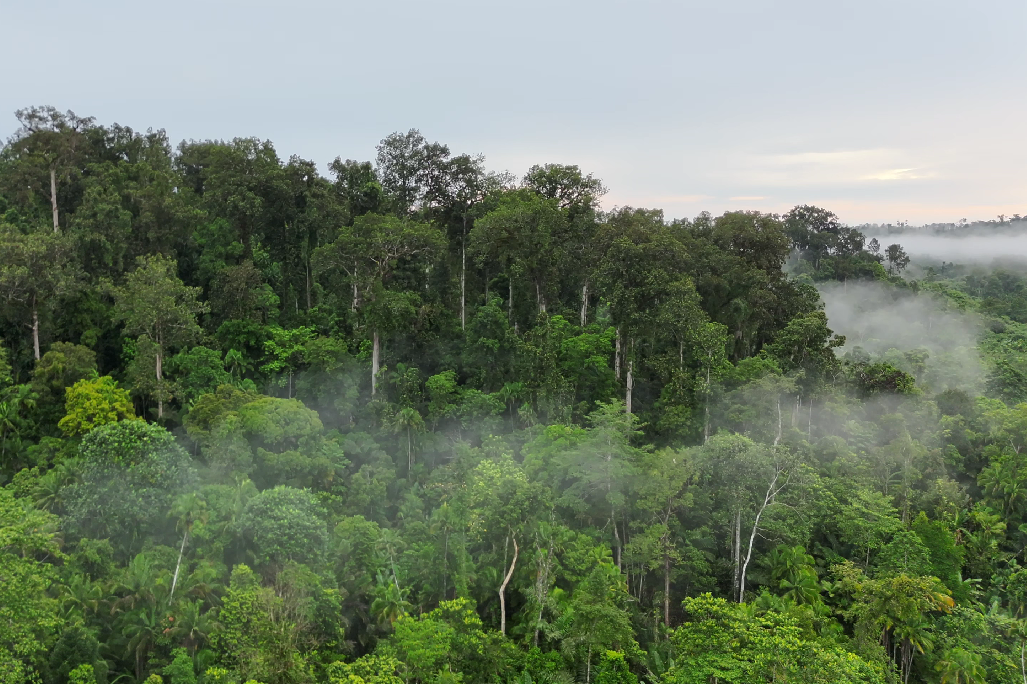
The Mentawai Islands, a remote archipelago located off the western coast of Sumatra, Indonesia, serve as a living laboratory of evolution. Here, amidst dense, ancient rainforests that have remained isolated for millennia, dwell four primate species found nowhere else on Earth: the Bilou, the Joja, the Simakobu, and the Bokkoi. However, a recent expedition to the Siboyak region of North Siberut has underscored a grim reality: these iconic creatures are living on borrowed time as habitat loss and human encroachment tighten their grip on this fragile ecosystem.
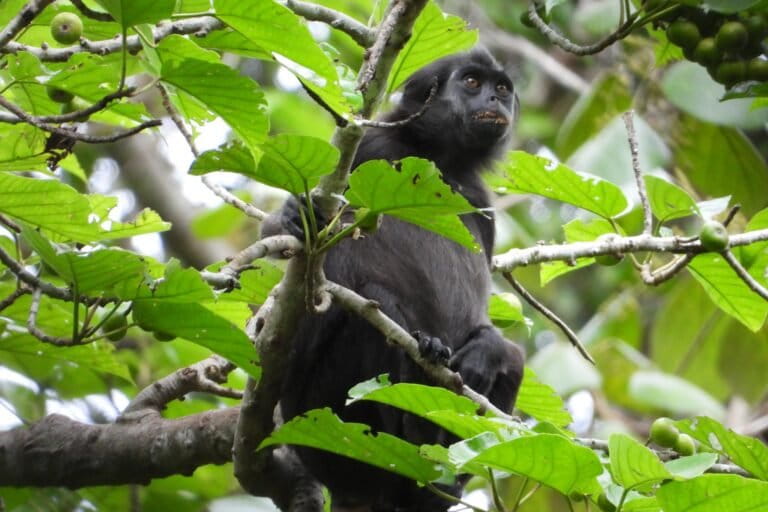
The journey to document these species began with significant logistical challenges, mirroring the precarious state of the islands themselves. On October 31, 2026, the ferry service connecting Padang to the Mentawai Islands was abruptly canceled due to severe weather. For three days, the turbulent Indian Ocean rendered the crossing impossible, a testament to the isolation that both protects and complicates conservation efforts in the region. Upon finally reaching the village of Sikabaluan in North Siberut, the trek toward the Siboyak basecamp revealed a landscape in flux. Moving from concrete infrastructure into muddy, rugged trails, the transition from human-dominated land to primary forest was stark. As motorized transport gave way to footpaths, the silence of the forest was broken only by the rustle of leaves and the absence of cellular connectivity—a reminder of the deep wilderness that still characterizes much of the interior.
A Fragile Sanctuary in Siboyak
The primary objective of the expedition was to conduct a non-invasive survey of the primates within their natural habitat. Working alongside the conservation organization Kalaweit, researchers employed drone technology to navigate the dense canopy, where the primates spend the vast majority of their lives. Traditional ground-based observation in these forests is notoriously difficult; the animals are highly sensitive to human presence and thrive in the upper tiers of the jungle, often over 30 meters above the ground.
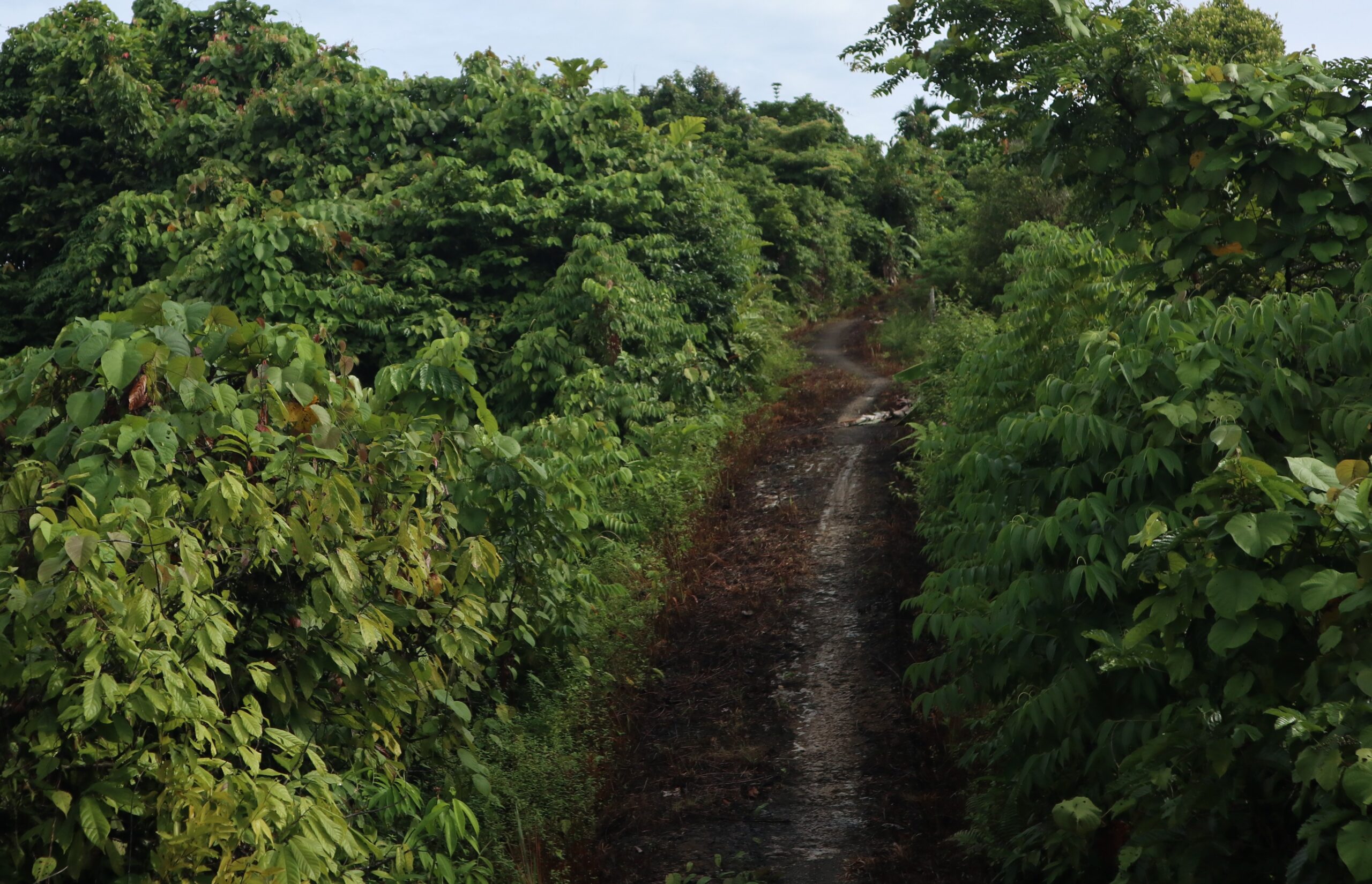
Within ten minutes of deploying the drone, the team captured a rare glimpse of coexistence. High in a massive Keruing tree, a mixed-species assembly was identified. Four Joja (Presbytis siberu) occupied the upper branches, while the lower tiers were shared by Simakobu (Simias concolor) and the sturdy Bokkoi (Macaca siberu). Above them all, the Bilou (Hylobates klossii) reigned in the emergent layer. While the drone provided visual confirmation of at least four individuals, the acoustic landscape suggested a much larger troop of five or more. This sighting, while cause for temporary celebration, was described by field manager Rifta Septiavi as an anomaly. The density of the canopy and the elusive nature of the animals make such encounters increasingly rare, even for those who dedicate their lives to studying them.
Taxonomic Diversity and Evolutionary Significance
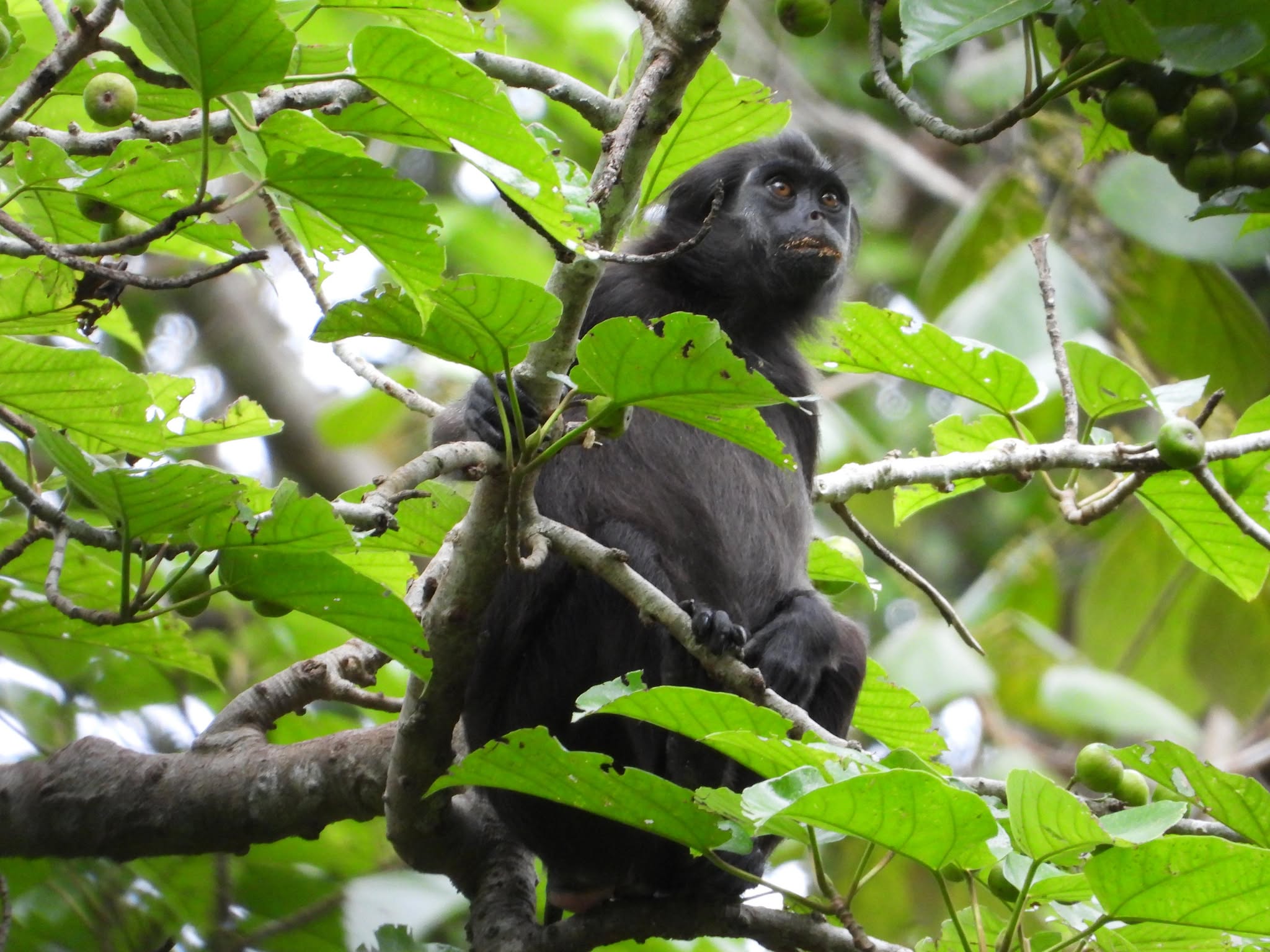
The four species found in the Mentawai Islands represent a unique branch of the primate family tree. The Bilou, or Kloss’s gibbon, is the only member of the Hylobatidae family in the region. Characterized by its jet-black fur and piercing morning vocalizations, the Bilou is a social creature that plays a critical role in forest regeneration through seed dispersal. Its reliance on undisturbed, high-canopy forest makes it a primary indicator species for environmental health.
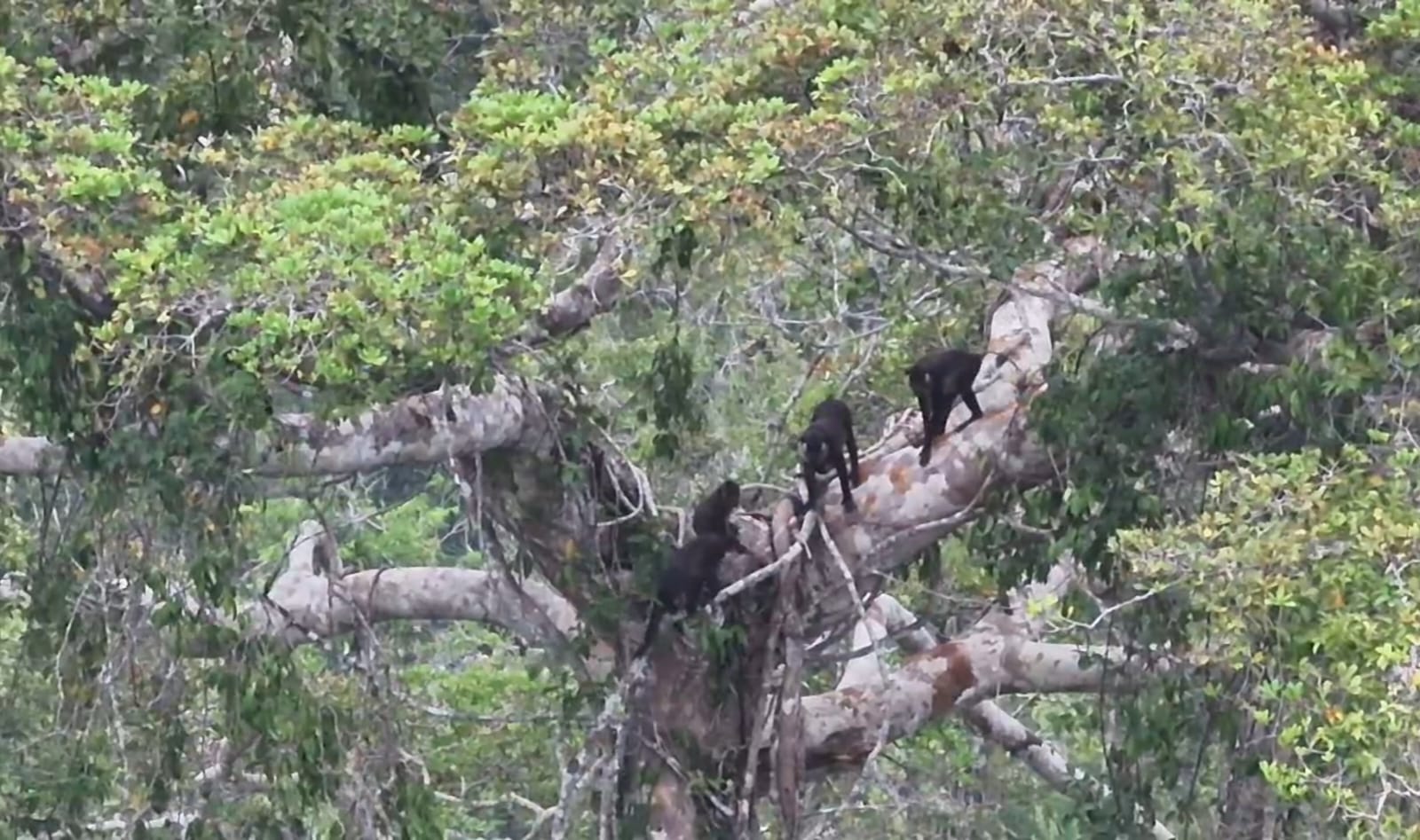
The Joja, or Mentawai langur, is a specialized folivore that lives strictly arboreally. Like the Bilou, it is highly sensitive to canopy fragmentation. Perhaps the most endangered is the Simakobu, or pig-tailed langur. Distinguished by its flat, upturned nose and short tail, the Simakobu is currently classified by the IUCN as Critically Endangered. Its survival is tied to the integrity of the forest floor and mid-canopy structure, both of which are threatened by the expansion of small-scale agriculture and illegal logging. Finally, the Bokkoi, or Siberut macaque, serves as a vital link in the forest food web, consuming a diverse array of fruits and supporting plant biodiversity across the island.
The Cultural Connection to Conservation
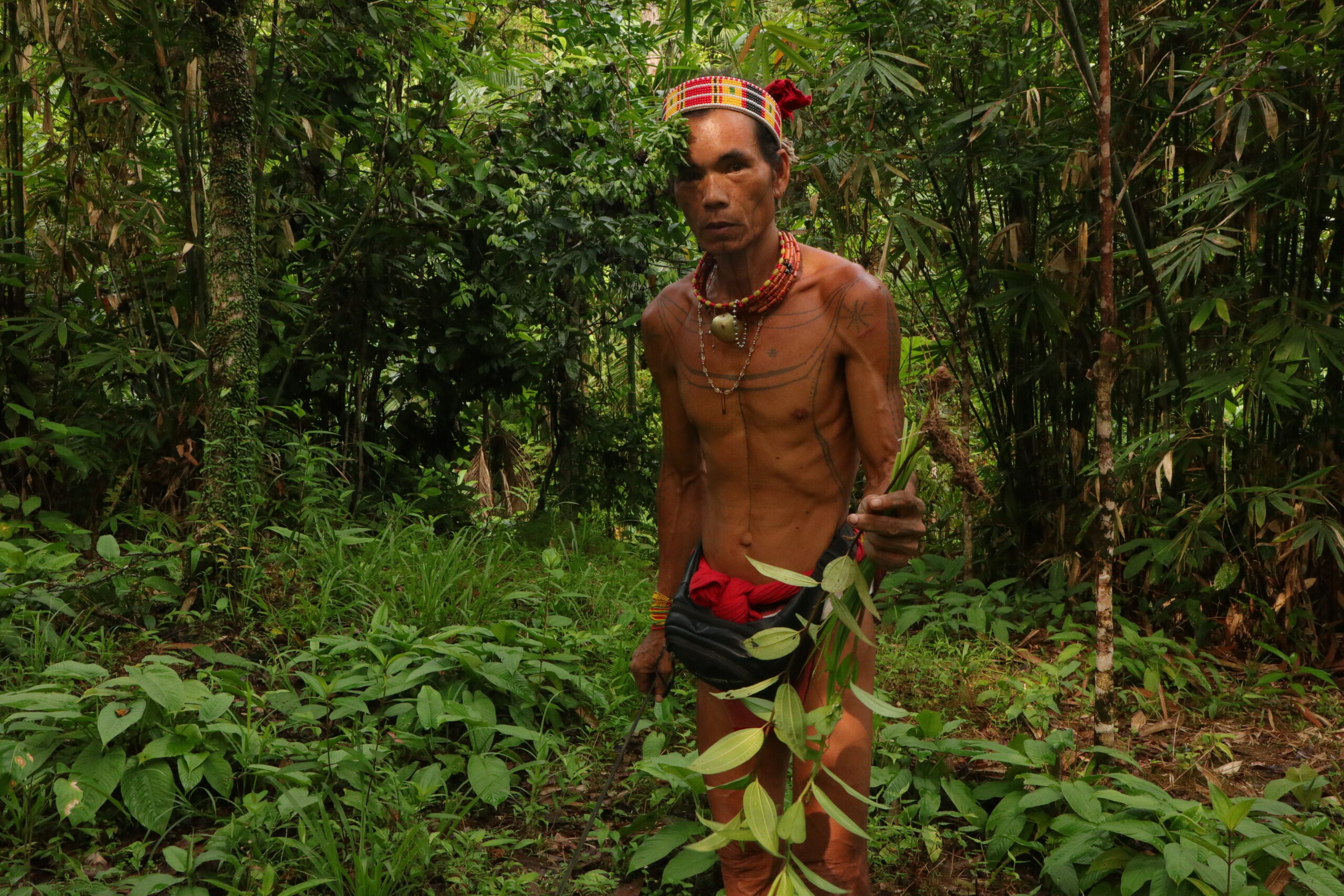
In the Mentawai tradition, particularly within the Arat Sabulungan belief system, the forest is not merely a resource; it is an ancestral home. Aman Kajo, a local Sikerei—a traditional healer and spiritual leader—emphasizes the symbiotic relationship between humans and primates. According to Kajo, the presence of the Bilou acts as a natural alarm clock and a biological barometer for the community. "If you hear the Bilou in the morning, the forest is healthy," he explains.
The cultural prohibition against hunting certain primates, particularly the Bilou, has historically provided a layer of protection. For the Sikerei, there is a strict taboo against consuming primates, as they are believed to be connected to the spirits that oversee the forest. However, this traditional stewardship is under pressure. Modern economic realities, the influx of external populations, and the encroachment of commercial agriculture have diluted these taboos. Kajo notes that in the 1980s, the forest was alive with the sound of these animals; today, that chorus is fading. He attributes this decline not just to direct hunting, but to the slow, systematic dismantling of the forest canopy, which forces the animals into smaller, non-viable fragments.
Declining Populations: A Statistical Reality
The anecdotal observations of the local community are supported by hard data. Recent surveys conducted by the organization Swara Owa, utilizing fixed-point vocal counts, have provided a harrowing outlook on the state of the Mentawai primates. By analyzing population trends from 2005 to 2026, researchers have estimated a total population of approximately 11,903 Bilou across the islands. While this number may sound substantial, it represents a 42% decline over the last two decades, averaging an annual loss of 2.3%.
The survey methodology, which spanned 23 observation points across Siberut, Sipora, and the Pagai islands, highlighted a significant disparity in habitat security. While the Taman Nasional Siberut (Siberut National Park) acts as a vital stronghold for nearly 7,800 individuals, the remaining populations are struggling in fragmented landscapes outside protected boundaries. The mapping of these habitats using Maximum Entropy and Random Forest modeling reveals that much of the remaining forest is becoming too disconnected to support long-term genetic diversity.
The Implications of Habitat Fragmentation
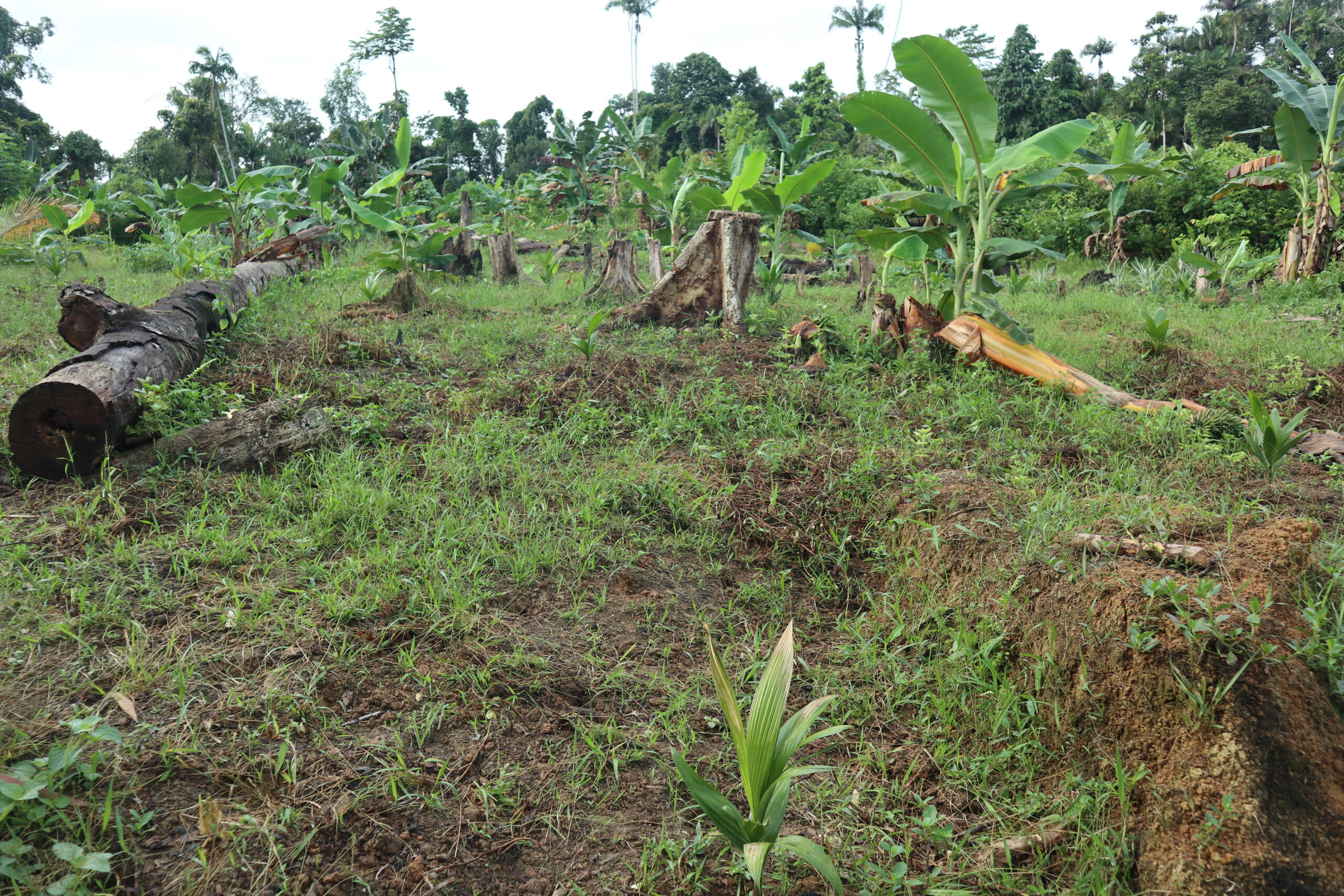
The implications of these findings are profound. Primates in the Mentawai Islands are not just victims of direct habitat loss; they are victims of the "edge effect." As forests are cleared for cocoa, banana, and palm oil plantations, the humidity, temperature, and food availability within the remaining patches change drastically. For specialized species like the Simakobu, these shifts are often fatal.
Furthermore, the expansion of road networks into previously inaccessible areas of the interior facilitates easier access for hunters and illegal loggers. This creates a feedback loop: as the forest is thinned, the primates become more vulnerable to human encounter, and as the forest is lost, the cultural and ecological services these primates provide—such as seed dispersal and spiritual significance—are permanently severed.
Conservation Strategies and Future Outlook
The challenge for the next decade, as outlined in the Asian Langurs Conservation Action Plan 2024–2034, is to transition from reactive protection to landscape-level management. This involves a multi-pronged approach:
- Community-Led Conservation: Empowering local leaders like the Sikerei to formalize traditional taboos into modern land-use agreements.
- Corridor Restoration: Creating "biological bridges" between the protected areas of the national park and the surrounding community-managed forests to allow for genetic migration.
- Strict Enforcement: Enhancing the monitoring of illegal timber extraction and the wildlife trade, which continues to supply markets with exotic pets and bushmeat.
- Sustainable Economic Alternatives: Developing ecotourism models that prioritize the observation of wildlife in its natural habitat, providing a direct economic incentive for the local population to protect the forest rather than clear it.
The scientific consensus is clear: without immediate and robust intervention, the unique primate assemblage of the Mentawai Islands faces a high risk of extinction. The Bilou, the Simakobu, the Joja, and the Bokkoi are more than just biological curiosities; they are the architects of the Mentawai rainforest. Their disappearance would not only represent a tragic loss of global biodiversity but would also signify the collapse of the cultural and ecological fabric that defines one of the world’s most unique island ecosystems. As the sun sets over the Siboyak forest, the faint, haunting call of the Bilou serves as both a reminder of what remains and a warning of what is rapidly slipping away.

