
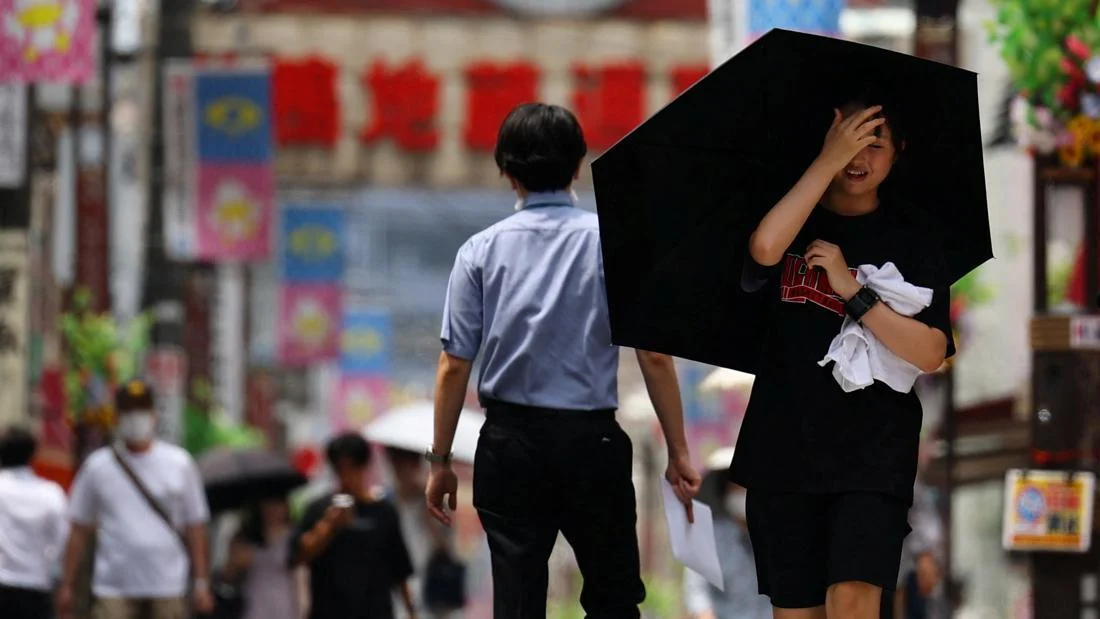
Japan is currently confronting an unprecedented heatwave that has pushed its emergency services to their limits, with over 450 individuals requiring hospitalization due to heat-related illnesses in Tokyo within a single 24-hour period. This alarming figure, recorded on Wednesday, July 22nd, marks the highest single-day toll since comprehensive records began 16 years ago, according to data released by the Tokyo Fire Department on Thursday, July 23rd. The surge in heat-related emergencies coincides with a broader national crisis, where the relentless heatwave has already claimed at least 14 lives across the country in the past week.
The gravity of the situation is underscored by the fact that the number of emergency calls received by the Tokyo Fire Department also reached a historic high, the most significant since at least 1963. This stark data emerged as temperatures across Japan have soared to dangerous levels, prompting urgent calls for public vigilance and preventative measures.
A Nation Under Siege: The Scale of the Heat Emergency
The statistics released by the Tokyo Fire Department paint a grim picture of the immediate impact of the extreme heat. On Wednesday, 453 people were admitted to hospitals in the capital city specifically for conditions linked to heat exposure. This figure represents a dramatic spike and surpasses all previous daily records observed since the department initiated its detailed record-keeping in 2010.
A spokesperson for the fire department issued a direct appeal to the public, emphasizing the critical need for hydration and the consistent use of air conditioning. "We urge the public to stay hydrated and use air conditioners," the spokesperson stated, highlighting the life-saving potential of these simple yet crucial actions. The department noted a discernible increase in patient numbers directly correlating with rising ambient temperatures, with Tuesday and Wednesday witnessing particularly significant surges in heat-related incidents.
Within Tokyo Prefecture, a densely populated region home to approximately 14 million residents, the heatwave has already led to one reported fatality. Beyond this tragic loss, an additional four individuals are in critical condition, and a further 18 are listed in serious condition, all due to the overwhelming effects of the extreme heat. These numbers serve as a stark reminder of the potent and potentially lethal nature of prolonged exposure to high temperatures.
"Kokushobi": A New Term for an Ancient Threat
The severity of the current heatwave has prompted the Japanese government to introduce a new, stark term to underscore the danger: "Kokushobi." This phrase, translating to "extremely hot day," is designed to elevate public awareness and encourage an even higher level of caution. The Japan Meteorological Agency (JMA) and the Fire and Disaster Management Agency (FDMA) have been unequivocal in their messaging, asserting that the current conditions extend far beyond typical summer heat.
The FDMA has gone as far as to characterize the ongoing situation as a "disaster," citing the alarming number of people being rushed to hospitals and the fatalities attributed to heatstroke. This designation signals a shift in how authorities are framing the crisis, acknowledging it not merely as adverse weather but as a significant public health emergency requiring a robust and coordinated response.
On a national scale, the impact is even more widespread. Over the past week, more than 11,000 individuals across Japan have required emergency medical treatment due to excessive exposure to high temperatures. This cumulative figure underscores the pervasive nature of the heatwave and its widespread toll on the population.
A Historical Context: Precedents and Escalating Concerns
While Japan experiences hot summers, the current intensity and duration of the heatwave are raising particular concerns among meteorologists and public health officials. Historically, Japan has faced heat-related challenges, but the confluence of factors such as rising global temperatures, urban heat island effects, and potentially shifting weather patterns may be exacerbating the situation.
Records indicate that heatstroke has been a recurring issue during Japanese summers, but the unprecedented number of hospitalizations in a single day points towards a new level of severity. The 2010 benchmark for daily hospitalizations in Tokyo being surpassed by such a significant margin suggests that the current heat dome is more potent than any recorded in the past decade and a half.
The highest recorded temperature so far this week reached a staggering 41.1 degrees Celsius in Hamamatsu City, Shizuoka Prefecture. Such extreme temperatures are not only uncomfortable but pose significant physiological risks, particularly to vulnerable populations such as the elderly, young children, and individuals with pre-existing health conditions.
Global Parallels and Scientific Explanations
The extreme heat gripping Japan is not an isolated incident. Many regions across the globe are currently experiencing record-breaking temperatures and severe weather events, fueling discussions about the impact of climate change. Scientists have long warned that global warming is increasing the frequency and intensity of heatwaves, making them more prolonged and dangerous.
The atmospheric conditions that can lead to prolonged heatwaves, such as persistent high-pressure systems (often referred to as heat domes), are becoming more common. These systems trap hot air, preventing it from dispersing and leading to sustained periods of dangerously high temperatures. While the specific meteorological mechanisms behind the current Japanese heatwave are being continuously analyzed by experts, the broader context of a warming planet is undeniable.
Official Responses and Public Health Directives
In response to the escalating crisis, Japanese authorities are implementing a range of measures to mitigate the impact of the heat. Beyond public awareness campaigns urging hydration and air conditioner use, government agencies are also working to provide support for vulnerable communities. This includes:
- Public Cooling Centers: Establishing and promoting the use of public cooling centers in community halls, libraries, and other air-conditioned facilities to offer respite from the heat.
- Elderly Welfare Checks: Increasing checks on elderly residents who are at higher risk of heatstroke, particularly those living alone.
- Emergency Service Augmentation: Ensuring that emergency medical services are adequately staffed and equipped to handle the increased demand.
- Information Dissemination: Utilizing various media channels to broadcast real-time temperature information, heatstroke warnings, and advice on preventative measures.
The FDMA’s emphasis on "Kokushobi" is a strategic communication effort designed to convey the seriousness of the situation. By introducing a new term, authorities aim to break through public complacency and impress upon individuals the need for extreme caution. This proactive approach to public messaging is crucial in a country where many still adhere to traditional practices that may not be suitable for extreme heat, such as avoiding air conditioning to save energy or assuming that a strong constitution can withstand high temperatures.
The Tourist Experience: Navigating an Unforgiving Climate
The intense heatwave is also significantly impacting international tourists, who may be less accustomed to such extreme conditions. Many visitors are finding themselves constantly strategizing to avoid dehydration and heat exhaustion while exploring Japan’s attractions.
Nick Estes, a 35-year-old tourist from the United States, shared his family’s experience. "We’ve planned our trip to ensure we can spend time in the subway to cool down, find small air-conditioned shops, doing everything we can to stay cool," he recounted. "It’s really tough, especially for young children. I visited last summer, but somehow this year feels much hotter."
Estes’s observations highlight the challenges faced by travelers, who often have packed itineraries that require significant outdoor activity. The need to constantly seek air-conditioned environments can disrupt sightseeing plans and add an unexpected layer of complexity to travel.
Experts are reinforcing the advice for all individuals, including tourists, to consistently drink water, even before feeling thirsty. Wearing loose-fitting clothing and using protective items like umbrellas and hats are also recommended to shield the head from direct sunlight and prevent heatstroke.
Broader Implications and Future Outlook
The record-breaking heatwave in Japan carries significant implications for public health, the economy, and the nation’s preparedness for future climate-related challenges. The strain on healthcare systems, the potential for reduced productivity due to heat stress, and the impact on outdoor industries are all critical considerations.
This event serves as a potent reminder of the increasing vulnerability of even highly developed nations to the impacts of climate change. As global temperatures continue to rise, Japan, like many other countries, will likely face more frequent and intense extreme weather events. This necessitates a long-term strategy that includes robust infrastructure adaptation, enhanced public health surveillance, and a continued commitment to mitigating greenhouse gas emissions.
The current crisis in Japan underscores the urgent need for global cooperation and immediate action to address the escalating threat of climate change. The human cost of inaction is becoming increasingly evident, and the extreme heatwave serves as a stark, immediate warning for the future. The coming days and weeks will be critical in monitoring the situation and assessing the long-term impact of this unprecedented heat emergency on the Japanese population. The lessons learned from this crisis will be invaluable in shaping future disaster preparedness and public health strategies in the face of a changing climate.

