
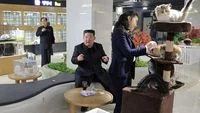
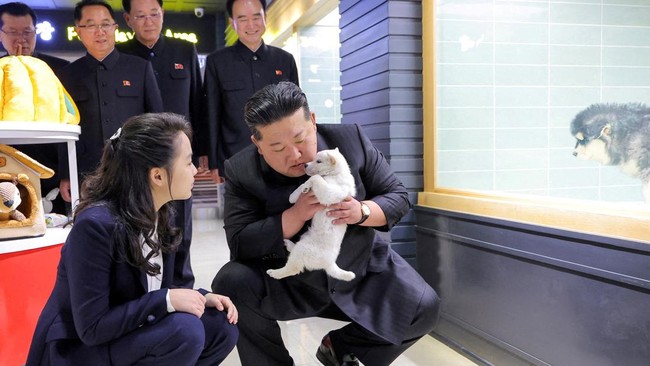
In a rare public display offering a glimpse into the private lives of North Korea’s ruling family, supreme leader Kim Jong Un was recently photographed gently cradling a white dog inside a pet store. Accompanied by his daughter, Kim Ju Ae, the visit formed part of a broader inspection tour of the newly developed Hwasong urban district in the capital city of Pyongyang. The images, officially distributed by the Korean Central News Agency (KCNA) and later picked up by international news organizations via Reuters, immediately drew global attention for their departure from the heavily militarized and formal imagery typically associated with the isolated authoritarian regime.
The outing underscored a carefully orchestrated public relations strategy, blending modern urban development initiatives with familial warmth. While international analysts frequently scrutinize such appearances for clues regarding political succession and domestic policy shifts, the event also highlighted Pyongyang’s ongoing efforts to showcase modern living standards to both its domestic populace and the outside world.
A Stroll Through Modernity: The Hwasong District Inspection
The visit to the pet shop took place within the sprawling Hwasong urban district, a flagship housing and infrastructure project in Pyongyang. Launched in 2022 as part of the regime’s ambitious five-year architectural plan, the Hwasong development represents a significant modernization push aimed at easing chronic housing shortages in the capital while projecting an image of economic progress and administrative competence.
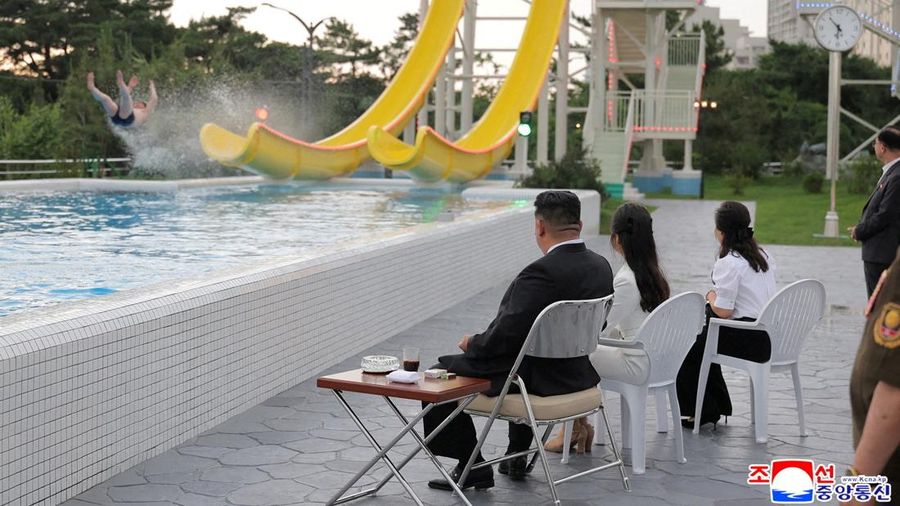
According to state media reports, the expansive district encompasses approximately 40,000 modern apartment units, alongside a myriad of commercial, recreational, and public service facilities. During their inspection tour, Kim Jong Un and Kim Ju Ae did not limit their stops to commercial pet stores. The father-daughter duo also explored various community amenities designed to elevate the standard of living for urban residents, including automotive repair workshops, specialized musical instrument stores, hair salons, and state-of-the-art indoor swimming complexes.
State media quoted the North Korean leader emphasizing the critical importance of these facilities in fostering a modern, hygienic, and civilized urban environment. By integrating consumer-oriented establishments—such as pet supply stores and salons—into state-planned housing projects, the regime appears eager to signal a pivot toward contemporary urban lifestyles, at least for the privileged residents permitted to inhabit these new developments.
The Visual Politics of Kim Ju Ae
The prominent inclusion of Kim Ju Ae in yet another high-profile state inspection continues to fuel intense speculation regarding the regime’s long-term succession plans. Since her initial public debut at a long-range missile test site, Kim Ju Ae has transitioned from an unidentified child accompanying her father to a recurring fixture in state media coverage.
Her presence at a domestic, consumer-focused venue like a pet store contrasts sharply with her early appearances alongside intercontinental ballistic missiles. Analysts suggest this deliberate diversification of her public portfolio is designed to soften her image and embed her within the broader fabric of North Korean society. Rather than solely being framed as a symbol of military might and nuclear deterrence, she is increasingly presented as a companion to the supreme leader in domestic nation-building and civil administration.
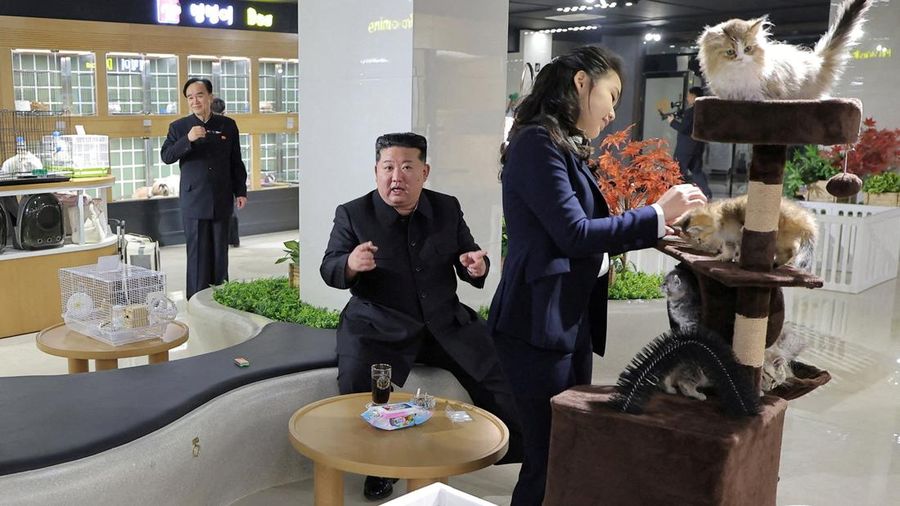
During the visit, photographic evidence published by KCNA captured a relaxed atmosphere. While Kim Jong Un cradled the white puppy and displayed it to his daughter, Kim Ju Ae was seen smiling and interacting with cats housed within the facility. This domestic tranquility serves a dual purpose: it humanizes the ruling dynasty for the domestic audience while reinforcing the paternalistic care the Supreme Leader supposedly extends to all citizens.
Shifting Attitudes Toward Pet Ownership in North Korea
The spotlight on a pet shop in Pyongyang also sheds light on the evolving socio-cultural landscape regarding domestic animals in North Korea. Historically, pet ownership—particularly the keeping of dogs as household companions rather than livestock or working animals—was frequently discouraged by the state as a bourgeois capitalist indulgence unbefitting a socialist society. For decades, official ideology viewed keeping dogs indoors as an unnecessary drain on resources, especially during periods of severe food scarcity and economic hardship.
However, in recent years, official stances have visibly softened, particularly among the growing urban elite in Pyongyang. The establishment of modern pet stores equipped with supplies, grooming services, and various domestic animals reflects a nascent consumer culture among the capital’s privileged class. This shift suggests that the regime is increasingly willing to accommodate certain elements of modern lifestyle preferences, provided they remain concentrated within showcase districts like Hwasong and are portrayed as benefits conferred by the benevolence of the state.
Economic and Humanitarian Context
Beneath the polished facade of the Hwasong district and its gleaming commercial outlets lies a more complex economic reality. International monitors and humanitarian organizations continue to report persistent economic challenges, structural food insecurity, and resource shortages across vast regions of North Korea outside the capital’s elite bubble.
While Pyongyang receives priority allocation of construction materials, energy resources, and consumer goods to maintain its status as a socialist showcase, rural provinces often face acute infrastructural deficits. Projects like the Hwasong development require massive mobilization of labor and material resources, which critics argue diverts attention from broader systemic economic reforms.
Despite these macro-level concerns, the regime utilizes high-profile domestic inspections to project normalcy and resilience in the face of international economic sanctions and diplomatic isolation. By demonstrating that citizens can access consumer goods, recreational facilities, and specialized retail services, Pyongyang aims to reinforce internal political stability and legitimize the leadership’s economic roadmap.
Global Reactions and Analytical Implications
International intelligence agencies and foreign policy experts closely monitor media releases from KCNA for subtle shifts in political signals. The choice of venue—a pet store in a newly completed residential zone—is viewed by Korea watchers as an intentional effort to project a softer image to the international community while maintaining strict ideological control at home.
Some analysts argue that the pairing of Kim Jong Un with his daughter in non-military settings is part of a calculated campaign to normalize her eventual ascension to power or, at a minimum, to cement the continuation of the Kim family dynasty for a fourth generation. By showcasing everyday domestic scenes, the regime attempts to insulate the leadership from criticism regarding economic hardship by framing the supreme leader as an active architect of a better, more comfortable daily life.
Ultimately, the visit to the Hwasong pet store serves as a multifaceted political tableau. It captures the intersection of dynastic continuity, urban modernization, and shifting cultural norms within one of the world’s most secretive nations. As the Hwasong district continues to populate and similar developments expand across Pyongyang, such carefully curated glimpses into the private-public lives of the Kim family will undoubtedly remain a primary lens through which the outside world assesses the internal dynamics of North Korea.

