
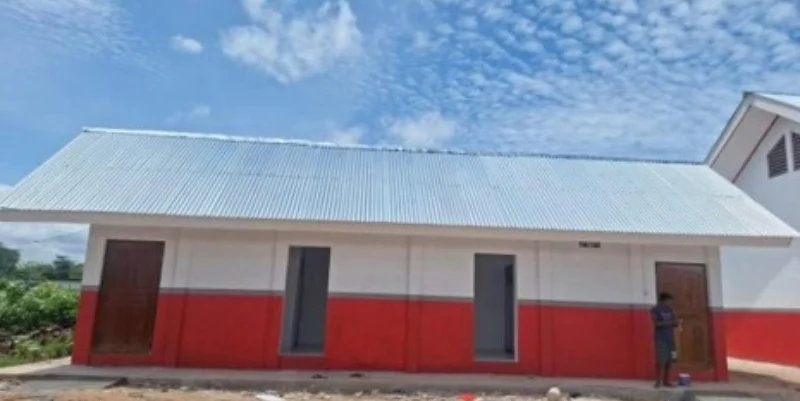
The Ministry of Primary and Secondary Education (Kemendikdasmen) has officially announced an emergency intervention and comprehensive revitalization program for SDN Mboeng, located in the East Manggarai Regency of East Nusa Tenggara (NTT). This decision follows a cascade of public concern sparked by viral documentation of the school’s dilapidated infrastructure, which had forced students to study in makeshift, unsafe classrooms. The ministry’s commitment aims to address both the immediate structural hazards and the long-term educational infrastructure deficits that have hindered learning outcomes for the 84 students currently enrolled at the institution.
The Anatomy of a Crisis: From Viral Exposure to Official Action
The plight of SDN Mboeng gained national attention after images and videos circulated on social media platforms, exposing the stark reality of the school’s physical environment. The footage highlighted a concerning juxtaposition: while the school had been provided with modern digital learning equipment by educational authorities, the facility lacked the foundational infrastructure—most notably a reliable electricity supply—to utilize these tools effectively. Furthermore, the visual evidence of students struggling in classrooms classified as "heavily damaged" prompted an immediate outcry from local communities and educational advocacy groups.
According to official records, SDN Mboeng operates with six distinct study groups (rombel) supported by a faculty of 10 educators. Despite the dedicated staff, the physical capacity of the school has been severely restricted. Out of the total existing structures, only five were classified as permanent buildings, and even among these, two classrooms were deemed structurally unsound and categorized as heavily damaged. The reliance on temporary, makeshift structures created an environment that was not only suboptimal for pedagogical activities but also raised significant safety concerns for the children and staff navigating the premises daily.
Official Response and Administrative Timeline
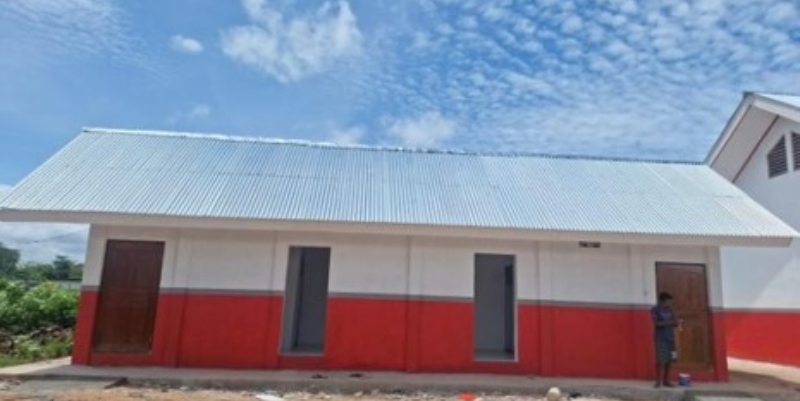
On September 9, 2026, the Director of Primary Schools at the Kemendikdasmen, Moch. Salim Somad, confirmed that the ministry had initiated a direct response to the situation in East Manggarai. "The ministry has descended upon the location; the classrooms that were heavily damaged or operating as emergency units are currently undergoing immediate renovation," Somad stated in a formal briefing.
The timeline of the intervention underscores a shift toward more responsive infrastructure management. Following the viral surge of the school’s condition, the central government coordinated with regional educational offices to conduct a rapid audit of the facility. This audit confirmed that the gap between the school’s digital assets and its physical power infrastructure rendered much of the provided technology ornamental rather than functional. The revitalization project is not merely a cosmetic upgrade but a structural overhaul designed to integrate power capacity, classroom safety, and facility longevity.
Broader Infrastructure Challenges in NTT
The case of SDN Mboeng is emblematic of a larger, systemic struggle in the Nusa Tenggara Timur region. While the spotlight fell on this specific school, it serves as a microcosm for the broader educational infrastructure challenges faced by rural Indonesia. Data from the Kemendikdasmen indicates that the government’s 2026 revitalization program is an expansive initiative covering 1,487 educational units across the province.
The scale of this operation is unprecedented for the region. As noted by the ministry, the financial commitment for this year’s revitalization projects has reached Rp1.2 trillion. This budget is allocated not only for the repair of walls and roofs but for the installation of essential utilities, including electrical grid connectivity for schools that have historically operated off-grid. The increased budgetary allocation in 2026 compared to previous years suggests an intensified effort by the central government to bridge the "digital-infrastructure divide" that has long plagued remote educational institutions.
The Digital Paradox: Technology Without Infrastructure
A critical point of analysis regarding the SDN Mboeng case is the "digital paradox." For several years, national policy has prioritized the digitalization of classrooms, distributing tablets, laptops, and interactive projectors to schools nationwide. However, the case in East Manggarai highlights the dangers of top-down implementation without rigorous site-specific surveys.
Providing digital devices to a school lacking a stable power supply creates an inequitable environment where students are theoretically equipped for the 21st century but are practically restricted by 20th-century structural limitations. Education experts suggest that the ministry’s current strategy—which now mandates an infrastructure audit prior to the deployment of high-tech hardware—is a necessary evolution in national educational policy. This move is expected to ensure that future distributions of digital assets are accompanied by the necessary electrical and structural support to make them viable.
Socio-Economic Implications for Rural Education
The implications of the revitalization of SDN Mboeng extend beyond the immediate comfort of the 84 students. In many rural areas of NTT, the local primary school acts as the primary community anchor. When school infrastructure fails, it is often a sign of broader economic stagnation in the village. By investing Rp1.2 trillion into 1,487 schools across the province, the government is essentially attempting to stabilize the human capital foundation of these remote areas.
Furthermore, the involvement of the central government in local school governance signals a move toward stricter quality control. Historically, the maintenance of primary schools has been the purview of regional governments, which often face budget constraints and bureaucratic bottlenecks. The direct intervention by the Kemendikdasmen indicates a shift where the central authority is willing to bypass regional gridlock to ensure that basic educational standards are met. This centralized oversight is likely to continue as long as the infrastructure deficit remains a significant barrier to the national objective of improving literacy and numeracy scores in Eastern Indonesia.

Long-term Sustainability and Maintenance Protocols
While the immediate repairs at SDN Mboeng are a welcome relief, the long-term challenge remains the maintenance of these upgraded facilities. The historical pattern of "repair, decay, and repeat" has long plagued public infrastructure in the archipelago. To break this cycle, the Kemendikdasmen has indicated that it is developing a more sustainable maintenance framework.
This framework includes:
- Periodic Audits: Establishing a digital reporting system where schools can alert the ministry to structural issues before they reach a "heavily damaged" status.
- Integrated Utility Planning: Ensuring that any future allocation of digital equipment is strictly contingent on the verification of electricity and internet connectivity.
- Community-Based Monitoring: Engaging local parent-teacher associations (Komite Sekolah) to act as oversight bodies for the quality of construction materials and contractors employed during the revitalization projects.
Conclusion: A Turning Point for NTT Schools
The intervention at SDN Mboeng serves as a definitive case study in the power of public oversight and the responsiveness of the state. While the initial neglect of the school was a failure of local assessment, the swift response from the Kemendikdasmen indicates a maturing of national educational policy.
As the Rp1.2 trillion budget for 2026 continues to roll out, the success of these 1,487 projects will be measured not just by the number of roofs repaired or walls painted, but by the tangible improvement in the quality of instruction provided to the students of NTT. For the 84 students at SDN Mboeng, the immediate focus is on the transition from a makeshift classroom to a permanent, safe, and potentially digitized learning environment. For the Ministry, however, the challenge is to ensure that the current wave of funding creates a durable foundation that does not require another viral social media campaign to trigger maintenance.
The integration of digital technology into rural schools, supported by robust physical infrastructure, remains one of the most significant challenges for the current administration. As the ministry continues to monitor the progress of the revitalization, the eyes of the public remain fixed on whether these commitments will result in a lasting transformation of the educational landscape in East Manggarai and beyond. The modernization of SDN Mboeng is a small, yet critical, step in a much larger journey toward educational equity in Indonesia.

