
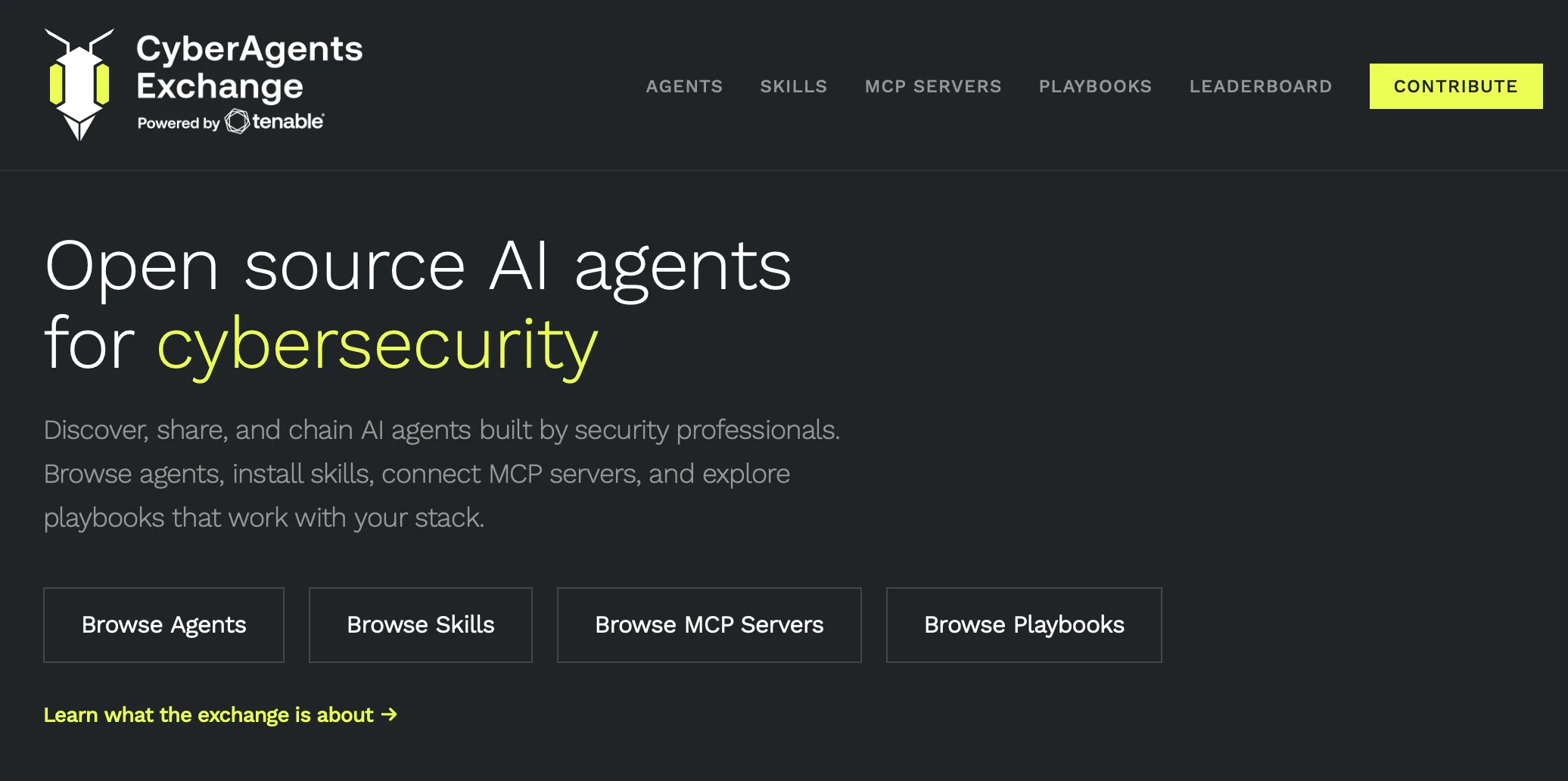
In a landmark development for the cybersecurity industry, Tenable, the global leader in exposure management, has officially announced a strategic collaboration with artificial intelligence research powerhouse OpenAI. The partnership introduces the CyberAgents Exchange AI Inspector, a sophisticated security verification framework designed to evaluate and validate the integrity of AI-driven system components. Unveiled during OpenAI’s inaugural Intelligence at Work: Cyber Summit, this initiative represents a critical pivot toward standardizing security protocols for the rapidly expanding domain of agentic AI within enterprise environments.
The collaboration addresses the growing anxiety among Chief Information Security Officers (CISOs) regarding the adoption of autonomous AI agents. As organizations increasingly integrate AI capable of executing complex workflows—ranging from automated code deployment to internal network management—the threat surface for potential exploitation has widened significantly. The CyberAgents Exchange AI Inspector acts as a rigorous gatekeeper, providing a multi-layered security assessment for AI agents, specialized skills, Model Context Protocol (MCP) servers, and multi-agent playbooks before they are granted access to sensitive corporate infrastructure.
The Genesis of the Partnership: A Response to Rapid AI Proliferation
The genesis of this collaboration lies in Tenable’s active participation in the OpenAI Daybreak Defense Network, a collaborative effort aimed at leveraging frontier AI to bolster global cybersecurity resilience. The Cyber Summit, which served as the backdrop for this announcement, functioned as a nexus for global cybersecurity leaders to deliberate on the shift from static generative AI models to autonomous agentic systems.
Historically, the cybersecurity industry has struggled to keep pace with the velocity of AI development. While Large Language Models (LLMs) have been scrutinized for data privacy and prompt injection vulnerabilities, the rise of agentic AI introduces a new class of risks. These systems are designed to interact with external tools and APIs, effectively functioning as a digital workforce. Without adequate verification, a compromised or poorly constructed agent could inadvertently serve as a "backdoor" into a company’s core internal network. By aligning Tenable’s deep expertise in vulnerability management with OpenAI’s advanced model capabilities, the partnership seeks to bridge the trust gap between open-source innovation and enterprise-grade security requirements.
Technical Architecture: How the AI Inspector Operates
The Exchange AI Inspector is engineered to move beyond superficial scanning, employing a tri-fold evaluation methodology that ensures every component within the CyberAgents Exchange meets stringent safety criteria. The inspection process is built upon a foundation of static analysis, dynamic behavioral testing, and community-vetted verification.
First, the system performs a static code analysis of the AI component to identify inherent security flaws, such as hardcoded credentials or insecure API endpoints. Second, the platform subjects the agent to a sandbox environment where it is monitored for malicious intent or unintended side effects during task execution. Finally, the Inspector leverages the "cyber-specific" reasoning capabilities of OpenAI’s advanced models to simulate potential attack vectors that traditional scanners might overlook.
This layered approach is critical for the "CyberAgents Exchange," an open-source registry launched in August 2026. Since the "SWARM build" event hosted by Tenable at Black Hat USA, the registry has matured from a pilot project into a repository housing over 100 verified AI components. By centralizing these components and applying the Inspector’s vetting process, Tenable and OpenAI are effectively creating a "trusted ecosystem" where developers can share innovations without compromising the security posture of the organizations that deploy them.
Chronology of Developments
- August 2026: Launch of the CyberAgents Exchange, an open-source registry dedicated to the cybersecurity community to facilitate the sharing of agentic AI tools.
- Post-Black Hat USA (Q3 2026): The "SWARM build" event accelerates the growth of the repository, drawing significant contributions from global developers and security researchers.
- Q4 2026 (Cyber Summit): OpenAI hosts the Intelligence at Work: Cyber Summit, serving as the official platform to announce the integration of the Exchange AI Inspector.
- Present Day: The Inspector begins active service, providing automated security scoring for all new and existing components within the registry, ensuring that enterprise users can filter for "verified" assets.
Expert Perspectives and Industry Impact
Eric Doerr, Chief Product Officer at Tenable, underscored the strategic necessity of this collaboration, emphasizing that the potential of artificial intelligence is fundamentally tethered to the ability of security teams to verify the tools they employ. "Agentic AI will only reach its full potential in the enterprise if security teams can trust the components they are introducing into their environments," Doerr stated during the summit.
He further elaborated on the synergy between the two companies, noting that by combining OpenAI’s model intelligence with Tenable’s extensive database of vulnerability research, the partnership is establishing a new standard for how AI components should be audited. "We are moving from a state of ‘trust by default’ to ‘verify by design,’" Doerr remarked. Industry analysts suggest that this shift is essential, as the cost of a single misconfigured AI agent could potentially lead to large-scale data exfiltration or the unauthorized manipulation of enterprise resource planning (ERP) systems.
Broader Implications for Enterprise Security
The adoption of agentic AI is expected to grow by nearly 40% year-over-year according to current industry forecasts, necessitating a proactive stance on governance. The implications of the CyberAgents Exchange AI Inspector are twofold:
- Standardization of Security Audits: By providing a unified platform for inspection, the industry is moving toward a standardized "bill of health" for AI components. This mirrors the evolution of the software supply chain, where tools like Software Bill of Materials (SBOM) became mandatory for enterprise software procurement.
- Mitigating Third-Party Risk: Enterprises are often hesitant to adopt open-source AI tools due to the lack of liability and transparency. By providing an objective, third-party assessment of these tools, Tenable is effectively lowering the barrier to entry for organizations that wish to leverage community-built innovations without the associated risk of integrating unvetted code.
Furthermore, the collaboration signals a departure from the "security-as-an-afterthought" mentality that characterized the early adoption phase of generative AI. By embedding security into the registry process, Tenable and OpenAI are encouraging a developer-first security culture where vulnerability assessment occurs at the point of creation, rather than during deployment.
Looking Ahead: The Future of Autonomous Defense
As the CyberAgents Exchange continues to scale, the role of the AI Inspector will likely evolve to include real-time monitoring and continuous assessment. The goal, according to contributors, is to eventually reach a state where agents can self-patch or report on their own security posture, creating a self-healing security loop.
The collaboration between Tenable and OpenAI highlights a critical trend in the tech industry: the convergence of AI research and cybersecurity operations. As frontier AI models become more capable, the boundary between the "attacker" and the "defender" becomes increasingly blurred, with both sides utilizing the same underlying technologies to achieve their objectives. In this high-stakes environment, the ability to rapidly inspect, categorize, and trust AI agents is not merely a competitive advantage—it is a baseline requirement for the digital enterprise.
As of the latest reports from the Cyber Summit, the industry response has been largely positive, with major global enterprises expressing interest in integrating the Exchange AI Inspector into their internal development pipelines. While the technology is still in its early stages, the partnership between Tenable and OpenAI represents the most concerted effort to date to ensure that the next generation of autonomous AI remains a benefit to the enterprise, rather than an unmanageable liability.
Disclosure: This article has been prepared based on official corporate releases and industry data, with content synthesis facilitated by AI tools and overseen by editorial staff to ensure accuracy and journalistic integrity.

