
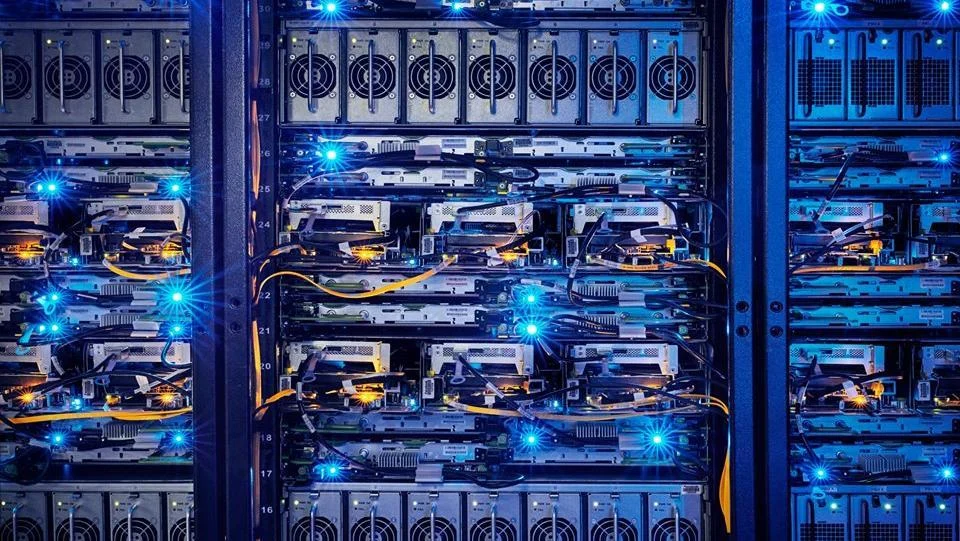
The global race to achieve artificial intelligence dominance has triggered an unprecedented construction boom in hyperscale data centers. While the industry frequently touts its advancements in processing power and computational efficiency, a darker, less-discussed reality is emerging from the mechanical heart of these facilities: the proliferation of per- and polyfluoroalkyl substances (PFAS). These synthetic compounds, commonly referred to as "forever chemicals," are integral to the high-performance cooling systems, semiconductor manufacturing, and electrical insulation required by AI-driven servers. However, their persistence in the environment, coupled with the rapid hardware turnover cycles characteristic of the data center industry, is creating a mounting ecological threat that regulators are only beginning to address.
The Chemistry of Infrastructure: Why PFAS?
PFAS are a vast group of synthetic chemicals characterized by their strong carbon-fluorine bonds, which make them highly resistant to heat, water, oil, and degradation. In the context of modern data centers, these properties are indispensable. PFAS are used extensively in heat transfer fluids for server cooling systems, dielectric materials for high-speed circuit boards, and the flame-retardant coatings applied to the thousands of miles of cabling that link massive server clusters.
The rapid scaling of AI requires hardware that operates at extreme densities. As server racks become more tightly packed to accommodate high-powered GPUs, the heat generated necessitates sophisticated thermal management. PFAS-based coolants provide the necessary chemical stability to prevent equipment failure. Furthermore, the semiconductor chips themselves—the bedrock of AI—require PFAS in the etching and lithography processes. Consequently, the demand for AI compute capacity is directly correlated with the demand for these durable, yet environmentally hazardous, substances.
Chronology of Concern: From Industrial Use to Environmental Hazard
The environmental scrutiny of PFAS is not new, but its application to the tech sector is a recent evolution. For decades, PFAS were primarily associated with firefighting foams, non-stick cookware, and waterproof textiles. The following timeline outlines the shift in focus toward the digital infrastructure industry:
- 2000s–2010s: PFAS contamination is identified primarily in water supplies near manufacturing plants and military bases. Public health studies begin to link exposure to endocrine disruption, immune system suppression, and various forms of cancer.
- 2020–2022: As cloud computing and AI adoption accelerate, the volume of data center construction reaches record levels. Industry reports begin to highlight the "material footprint" of tech infrastructure, though chemical composition remains largely proprietary.
- 2023: Investigative journalism and environmental watchdogs begin to draw direct links between the high-speed replacement cycles of AI hardware and the release of PFAS into landfills and water systems.
- 2024: A report from The Guardian reveals that major global chemical producers are scaling up PFAS production specifically to meet the projected needs of the data center industry, prompting calls for immediate regulatory intervention.
Supporting Data: The Scale of the Problem
The scope of the issue is difficult to quantify precisely due to the lack of transparent supply chain reporting, but available data points toward a massive accumulation of risk. According to industry analyses, the average lifespan of a data center server is approximately three to five years. Because AI technology evolves at a breakneck pace, many firms are replacing hardware even sooner to gain marginal improvements in performance.
When these components are decommissioned, they rarely undergo specialized chemical recycling. Instead, they enter the waste stream, where the PFAS coatings on circuit boards and the residual fluids in cooling units can leach into groundwater. ChemSec, a Swedish organization dedicated to chemical safety, has warned that the planned expansion of PFAS production facilities is on a collision course with global environmental goals. The organization estimates that without strict phase-out mandates, the next decade will witness a "wave" of persistent chemical pollutants entering the biosphere, effectively embedding the toxicity of the AI revolution into the food chain.
Incident Reports: Beyond Chemical Leaks
The environmental impact of data centers is not limited to the slow, steady leaching of chemicals. High-profile industrial accidents demonstrate that these facilities pose immediate threats to local ecosystems. In a recent incident reported by Gothamist, approximately 5,000 gallons of diesel fuel leaked from an Equinix data center in Secaucus, New Jersey. The fuel flowed directly into a local waterway in the New Jersey Meadowlands, a sensitive ecological area.
This incident underscores a broader critique voiced by environmental activists: data centers are massive industrial sites that require the same level of safety oversight as heavy manufacturing plants, yet they are often permitted as light commercial infrastructure. Ben Dziobek, executive director of the Climate Revolution Action Network, argues that the current localized approach to data center regulation is fundamentally flawed. "Pitting individual towns against multi-billion dollar tech companies is a recipe for disaster," Dziobek noted. "These facilities operate on a regional and national scale, creating impacts—whether it’s toxic spills, massive water consumption, or electrical grid strain—that ignore municipal boundaries."
Regulatory and Industry Implications
The regulatory landscape is beginning to shift. In the European Union, the European Chemicals Agency (ECHA) has received a proposal to ban the entire class of PFAS chemicals. However, the tech industry has lobbied heavily for exemptions, arguing that the transition to "PFAS-free" alternatives would threaten the progress of artificial intelligence and national digital security.
In the United States, the Environmental Protection Agency (EPA) has begun setting strict limits on PFAS levels in drinking water, which is forcing municipalities to bear the costs of filtration. The financial burden of these "forever chemicals" is essentially being socialized, while the profits from AI expansion remain privatized.
Fact-Based Analysis: The Path Forward
The fundamental tension lies between the insatiable demand for AI computational power and the planetary boundaries of chemical safety. If the tech industry is to remain sustainable, several critical shifts must occur:
- Supply Chain Transparency: Tech giants must be required to disclose the chemical composition of their server hardware. Currently, the "black box" nature of proprietary tech components masks the severity of the PFAS usage.
- Circular Economy Initiatives: The industry must move away from the "rip-and-replace" model of hardware management. Designing for modularity and chemical recovery is essential to ensure that PFAS are captured rather than dumped into landfills.
- Alternative Chemistry: There is an urgent need for R&D investment into non-toxic alternatives for thermal management and insulation. While these substitutes may currently be less efficient, the long-term cost of environmental remediation far outweighs the short-term benefit of current cooling methods.
- Integrated Regulatory Oversight: As noted by policy experts, data center impact assessments must move beyond local zoning boards. A federal or international framework is required to manage the cumulative environmental footprint of these facilities, particularly regarding their impact on shared water resources and regional electrical grids.
Conclusion
The data center industry stands at a crossroads. While the promise of AI technology continues to capture public imagination, the physical cost of building this digital infrastructure is becoming impossible to ignore. PFAS, once hailed as a miracle of modern engineering for its durability and resilience, has become a symbol of the industry’s failure to account for the long-term environmental consequences of its growth. As the volume of hardware waste grows, the imperative for both industry self-regulation and government oversight becomes absolute. Without a systemic change in how data centers are constructed, maintained, and decommissioned, the "AI revolution" risks leaving behind a legacy of contamination that will persist long after the current generation of servers has been rendered obsolete. The path toward a truly sustainable digital future requires acknowledging that, in the context of the environment, some things—especially forever chemicals—should never be part of the equation.

