
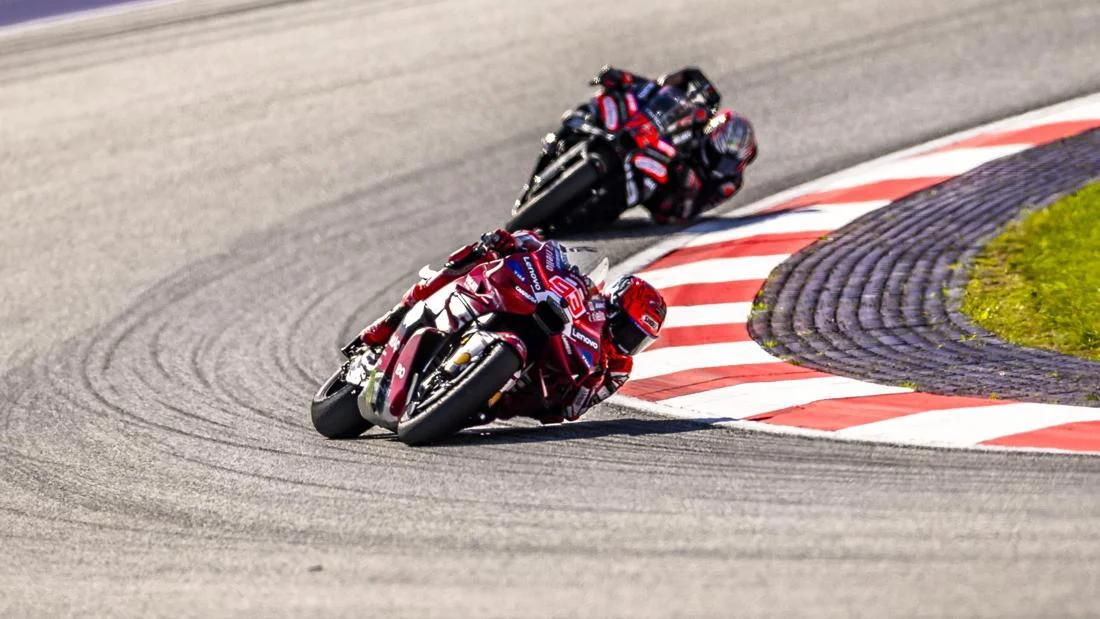
The landscape of professional motorcycle racing is poised for a potential transformation as MotoGP authorities contemplate a significant adjustment to the weekend format for the 2027 season. Reports emerging from the paddock suggest that series organizers are actively proposing the introduction of a standalone qualifying session specifically designed to determine the starting grid for the Saturday Sprint Race. Currently, the starting order for both the Sprint and the Grand Prix is derived from a single qualifying session held on Saturday morning. By separating these two, officials aim to refine the competitive structure of the weekend, though the proposal remains subject to rigorous review by the Grand Prix Commission.
This strategic shift represents the latest effort by Dorna Sports and the FIM to optimize the Sprint Race concept, which was originally integrated into the MotoGP calendar at the beginning of the 2023 season. Since its inception, the Sprint Race has served as a high-intensity, half-distance event that awards points to the top nine finishers, injecting a surge of adrenaline into the weekend schedule. However, as the sport matures, organizers are evaluating whether the current "one-size-fits-all" qualifying model sufficiently serves the unique demands of both the shorter Sprint and the traditional endurance-focused Sunday Grand Prix.
Evolution of the Sprint Race Format
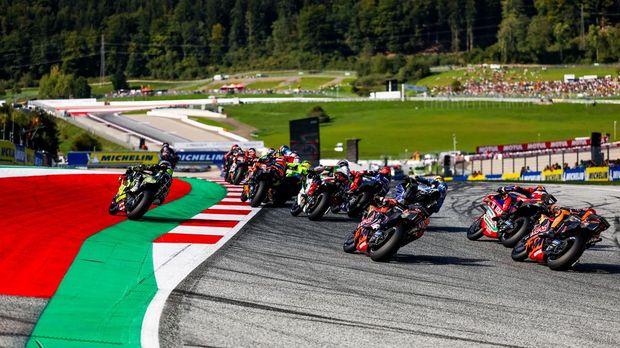
When MotoGP first introduced the Sprint Race in 2023, it was a move intended to increase fan engagement, broaden television reach, and create more "must-watch" content during the Saturday segment of the race weekend. Unlike Formula 1, which employs a selective approach to Sprint weekends—choosing specific circuits based on track characteristics and logistics—MotoGP committed to holding a Sprint Race at every single event on the calendar.
The decision to make Sprint Races a permanent fixture at every Grand Prix was a bold move that set MotoGP apart from other premier motorsport categories. While Formula 1 is scaling its Sprint schedule to roughly 10 events out of a 24-race calendar for the upcoming season, MotoGP has remained steadfast in its commitment to the format. This saturation, while beneficial for audience metrics, has placed significant physical and mental strain on the riders, who must compete at 100 percent intensity twice per weekend.
By proposing a dedicated qualifying session for the Sprint, organizers are acknowledging that the requirements for a sprint-style race—where immediate off-the-line performance and aggressive early-lap overtakes are paramount—differ from the tactical, tire-saving nature of a full-length Sunday Grand Prix.
Logistics and the Burden on the Paddock
The primary hurdle facing the implementation of a separate Sprint qualifying session is the already heavily congested weekend itinerary. A standard MotoGP weekend is a meticulously balanced machine, consisting of Free Practice sessions, the existing Qualifying segments, media duties, sponsor commitments, and technical debriefings.
Adding a new competitive session into the mix would require a total restructuring of the weekend timetable. Teams and riders are already operating at the limit of their endurance. A typical Saturday in the current format is arguably the most demanding day in the paddock; riders must navigate Q1 and Q2 to determine their grid spots, participate in a press conference, and then immediately transition into the physical volatility of the Sprint Race.
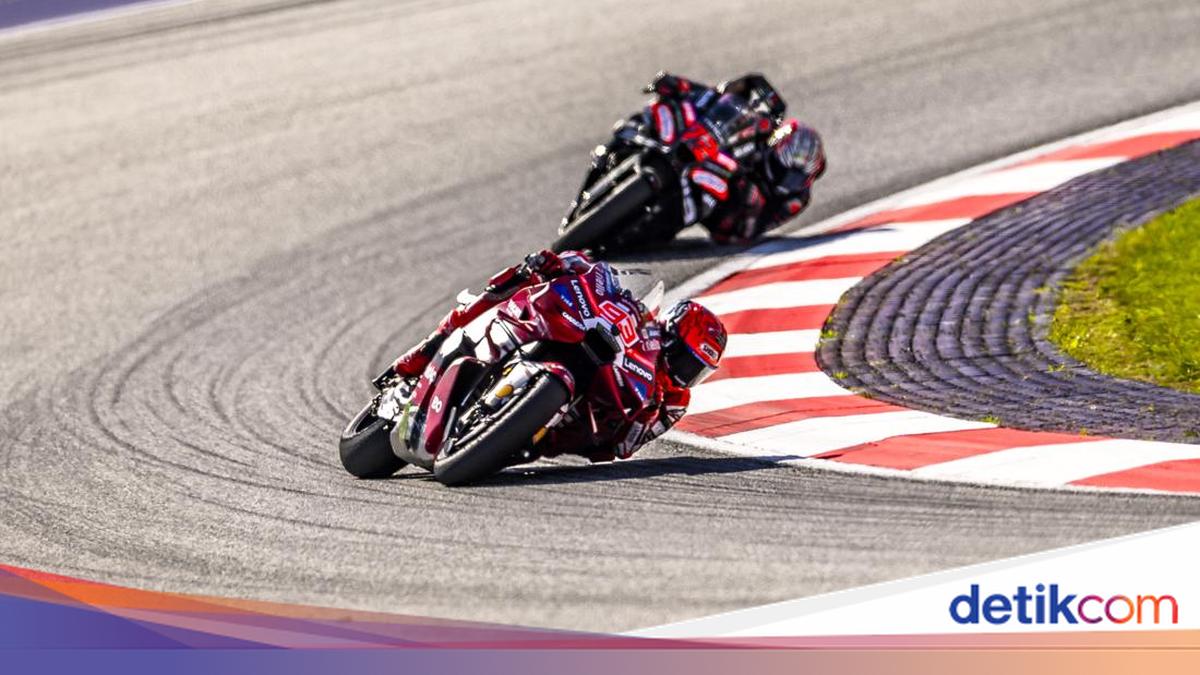
Should the proposed format be adopted, the Grand Prix Commission would need to ensure that the schedule does not infringe upon mandatory rest periods or safety requirements. Critics within the industry suggest that simply adding more track time could lead to fatigue-related errors, which would be antithetical to the sport’s ongoing focus on safety. Furthermore, the additional wear and tear on machinery and the logistical complexity of scheduling a new qualifying slot—potentially replacing existing practice time—will necessitate extensive consultation with the manufacturers, including Ducati, KTM, Aprilia, Yamaha, and Honda.
Historical Context and Previous Proposals
This is not the first time MotoGP has explored radical changes to its weekend structure. The sport has frequently looked for ways to balance innovation with tradition. A notable example of this occurred during recent planning phases for the 2027 technical regulations, when organizers proposed limiting teams to the use of a single motorcycle per rider for the duration of the entire weekend. The intent behind that proposal was to reduce costs and simplify logistics, but it was ultimately met with resistance and eventually discarded after feedback from teams regarding the risks associated with bike damage and potential technical failures.
The current proposal regarding Sprint qualifying suggests a more surgical approach to reform. Rather than changing the hardware, organizers are looking to modify the competitive framework. This measured approach may be a reaction to the lessons learned from previous rejected proposals, signaling a desire for greater consensus-building within the Grand Prix Commission.
The Role of the Grand Prix Commission
The Grand Prix Commission (GPC) remains the final arbiter of these changes. Comprised of representatives from Dorna Sports, the FIM (International Motorcycling Federation), IRTA (International Road Racing Teams Association), and the MSMA (Motorcycle Sport Manufacturers’ Association), the GPC is designed to ensure that any major regulatory change benefits the sport as a whole.
For the Sprint qualifying proposal to pass, it requires a degree of consensus that has historically been difficult to achieve. Manufacturers are concerned with budget caps and resource allocation, while teams are concerned with the health and safety of their riders. The rider themselves, who often bear the brunt of these structural changes, have periodically expressed frustration when major format shifts are announced without their prior consultation. History shows that when the rider body feels sidelined—such as during the initial rollout of the Sprint format in 2023, where many learned of the plan via the media—morale and cooperation can suffer.
Implications for Strategy and Competition
From a technical perspective, separating the qualifying sessions could dramatically alter the strategic landscape of a MotoGP weekend. Currently, riders must find a "compromise setup" that works well for a single flying lap, the short-burst intensity of the Sprint, and the high-fuel-load endurance of the Sunday race.
If a separate qualifying session is introduced, teams might be able to optimize the bike’s electronics and suspension specifically for the Sprint qualifying lap, potentially leading to faster times and even tighter margins at the front of the pack. However, it also introduces a new variable: the risk of a crash during a dedicated Sprint-qualifying session could compromise a rider’s entire Saturday, leaving them with no time to repair the bike before the race starts shortly thereafter.
Moreover, the added session would provide television broadcasters with another premium event, increasing the commercial value of the Saturday broadcast. From a marketing standpoint, having two distinct grid-setting sessions creates two distinct narrative arcs for the weekend, which could help sustain viewer interest from Friday through Sunday.
Financial and Resource Considerations
The financial implications of an additional qualifying session are not trivial. Manufacturers must consider the cost of extra tires, fuel, and the potential for increased engine mileage. While MotoGP operates under strict engine allocation rules, any increase in track time effectively accelerates the lifecycle of these high-performance power units.
Furthermore, the personnel required to manage an additional qualifying session—ranging from marshals and medical staff to timing officials and broadcast crews—adds a layer of operational complexity. These stakeholders must be aligned if the 2027 season is to proceed with this new format.
Looking Ahead to 2027
The 2027 season is already being viewed as a landmark year for MotoGP, characterized by the introduction of new engine displacement regulations and a renewed focus on sustainability and safety. The potential for a new Sprint qualifying format would only add to the significance of this transition.
As the proposal moves through the internal review process, the primary focus will likely remain on whether the change enhances the "show" without compromising the integrity of the Grand Prix itself. The sport is currently enjoying a highly competitive era, with multiple manufacturers capable of fighting for the podium. Any change that threatens to distort this balance or place excessive strain on the competitors will be scrutinized heavily by all stakeholders.
While no official timeline for a final decision has been released, industry insiders expect the Grand Prix Commission to deliberate throughout the remainder of the 2026 season. Should the proposal gain traction, testing protocols for the new format could potentially be integrated into end-of-season tests or pre-season sessions in early 2027.
In conclusion, the proposal to implement a dedicated qualifying session for the MotoGP Sprint Race reflects the ongoing evolution of the sport in an era of high-speed media and fan-focused entertainment. While the logistical and physical challenges are substantial, the potential for a more refined, competitive weekend structure provides a compelling incentive for change. As the paddock prepares for the 2027 campaign, all eyes will be on the Grand Prix Commission to see if this vision of a more structured weekend becomes a reality or remains a cautionary tale of over-complication in professional motorcycle racing. The outcome will undoubtedly shape the tactical and commercial future of the world’s premier two-wheeled racing series for years to come.

