
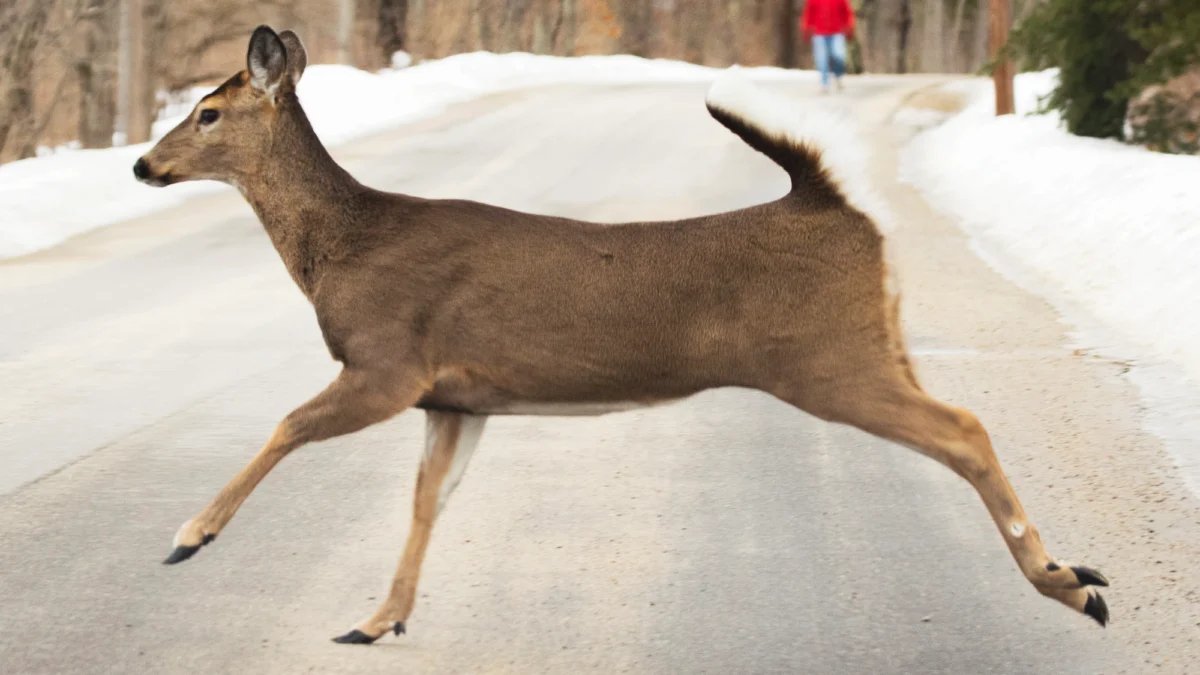
As the autumn season descends, bringing with it vibrant foliage and the onset of cooler temperatures, a secondary, more hazardous phenomenon takes hold across North American landscapes: the annual deer rut. While humans transition into a season of seasonal festivities and shifting daylight, the biological imperatives of the white-tailed deer population shift toward intense reproductive activity. This transition significantly alters the behavior of deer, leading to a spike in wildlife-vehicle collisions that peak between October and December. Understanding the biological drivers of this behavior and the subsequent risks to motorists is essential for road safety during the final quarter of the year.
The Biology of the Rut: Driven by Daylight
The deer breeding season, colloquially known as the "rut," is not triggered by temperature fluctuations or food availability, but rather by photoperiodism—the physiological reaction of organisms to the length of night or a photoperiod. As the autumnal equinox passes and daylight hours diminish, the pineal gland in both bucks and does responds to the shifting light levels.
In bucks, this shift triggers a surge in testosterone, leading to increased aggression, heightened focus on mating, and a dramatic shift in energy allocation. According to wildlife biologists, these physiological changes cause bucks to abandon their usual caution. In their pursuit of does, they often travel across unfamiliar terrain, frequently crossing busy roadways that intersect their natural habitats. During this high-stakes period, some bucks may neglect their nutritional needs entirely, burning as much as 20 percent of their body mass as they prioritize reproduction over foraging.
For does, the timing of the rut is equally critical. They become more active during daylight hours as they attempt to evade persistent suitors, often moving into areas they would normally avoid, including suburban neighborhoods and high-traffic corridors. This increased mobility, combined with the distraction inherent in mating behavior, makes deer significantly less predictable than during the summer months.
Chronology and Peak Risk Windows
The risk profile for motorists changes drastically as the calendar progresses from late September through the end of the year. While deer activity is generally higher at dawn and dusk throughout the year, the rut compresses this activity into specific, high-intensity windows.
- Late September to Early October: The "pre-rut" phase begins. Bucks begin to establish dominance, and yearling males start to disperse from their birth ranges in search of new territories. This phase is characterized by an increase in deer movement across rural and suburban roads.
- Mid-October to Mid-November: The peak of the rut. This is the period of highest risk. Bucks are actively trailing does, often chasing them across roads without regard for oncoming traffic.
- Late November to December: The "secondary rut." If a doe was not bred during the primary window, she will enter a second estrus cycle. While less intense than the primary rut, it maintains a level of risk for drivers that remains elevated compared to the spring and summer months.
The end of daylight saving time further exacerbates this issue. As the clocks "fall back," human commuting patterns shift, placing more drivers on the road during the exact hours—dawn and dusk—when deer are most active. This temporal overlap creates a "perfect storm" for accidents.
Supporting Data on Wildlife-Vehicle Collisions
Statistical analysis consistently identifies the fourth quarter of the year as the deadliest period for deer-vehicle interactions. Data from the Insurance Institute for Highway Safety (IIHS) and various state wildlife agencies suggest that approximately 1.5 million deer-vehicle collisions occur annually in the United States, resulting in over $1 billion in property damage and hundreds of human fatalities.
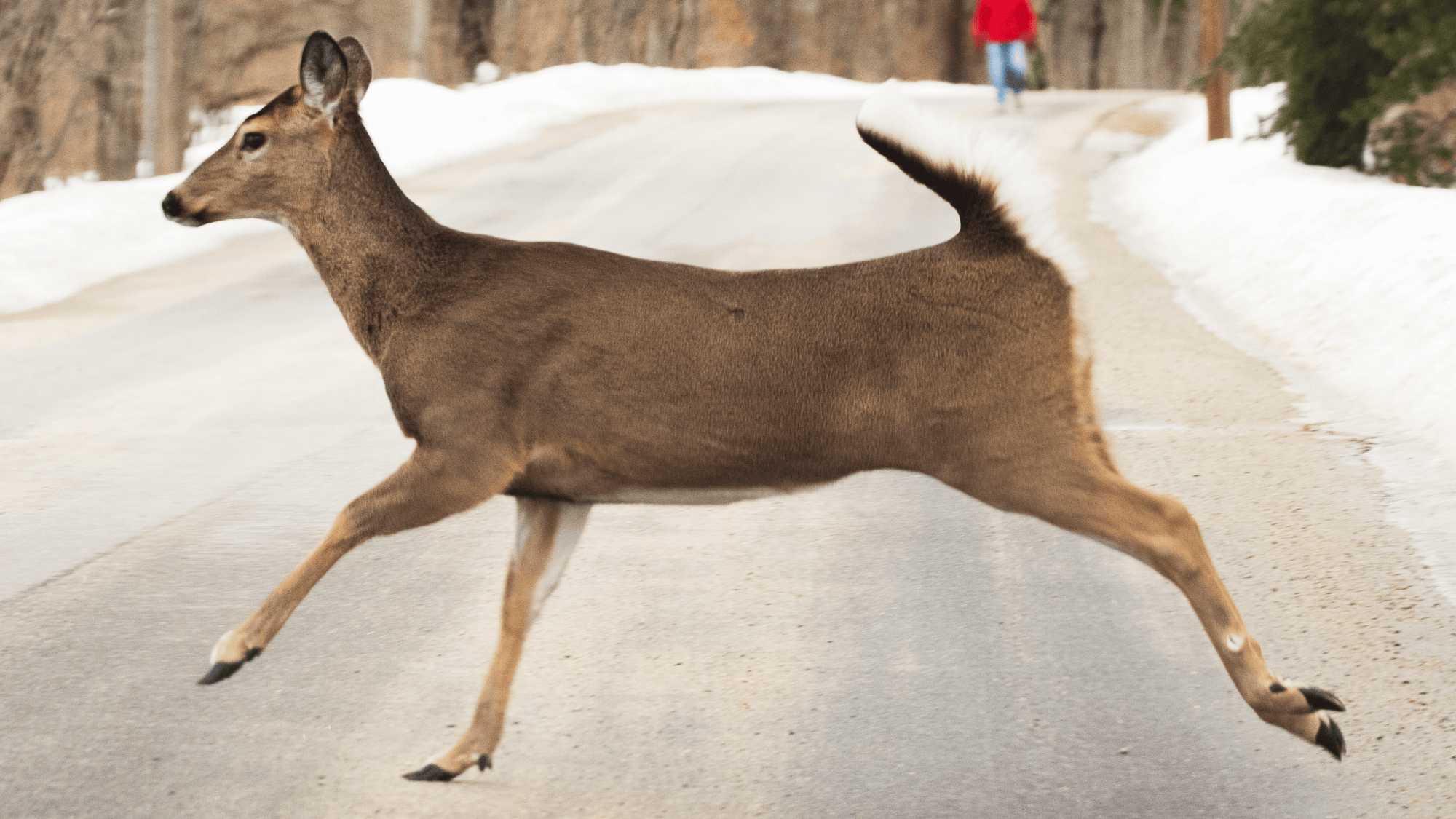
In states such as Pennsylvania, Michigan, and Wisconsin, the number of reported incidents rises sharply in November. Wildlife traffic studies indicate that deer are crepuscular, meaning they are most active during the low-light hours of dawn and dusk. Because visibility is naturally reduced during these times, the added factor of deer distraction creates a significant hazard. Furthermore, studies on deer behavior have shown that they often travel in social groups or follow established trails. Consequently, a single deer crossing a roadway is frequently followed by others, a factor that many motorists fail to account for when they see one animal cross safely.
Official Guidance and Expert Recommendations
Wildlife management agencies and transportation departments emphasize that while some collisions are unavoidable, proactive driver behavior can mitigate the severity of these incidents. The consensus among safety experts is to maintain constant vigilance, particularly in "deer crossing" zones marked by government signage.
The Raven Ridge Wildlife Center and similar advocacy groups offer specific advice for those who find themselves involved in a collision:
- Immediate Response: If a collision occurs, pull the vehicle to a safe location on the shoulder, activate emergency flashers, and remain inside the vehicle if it is safe to do so.
- Emergency Protocol: Do not attempt to move the deer from the road. The animal may be injured and unpredictable, posing a physical threat to the driver, or it may still be alive and constitute a traffic hazard for other vehicles. Call 911 immediately to report the accident. This ensures that law enforcement or animal control can address the scene and manage potential traffic flow issues.
- Post-Incident Awareness: If a driver manages to stop in time for one deer, they must assume that others are nearby. Staying stopped until the animal or group has fully cleared the area is critical to avoiding secondary collisions.
Broader Implications for Infrastructure and Ecology
The impact of the rut on road safety serves as a broader reminder of the friction between human infrastructure and wildlife corridors. As urban sprawl continues to fragment natural habitats, the frequency of these interactions is likely to rise.
From an ecological perspective, the rut is a vital process for the health of deer populations, ensuring the strongest males pass on their genes. However, from a policy perspective, it necessitates improved urban planning. Solutions such as wildlife overpasses and underpasses, as well as improved lighting and sensor-based warning systems, are being explored by departments of transportation to reduce the mortality rate of both deer and humans.
The economic implications are also significant. Beyond the immediate costs of vehicle repairs, insurance premiums are influenced by the regional frequency of these collisions. In states with high deer populations, the "deer-strike" factor is a core component of actuarial risk assessments for auto insurance providers.
Conclusion: A Season of Caution
As autumn deepens, the combination of biological necessity and human scheduling requires a heightened state of awareness for motorists. While the visual beauty of the season draws many to the roads, the unseen biological clock of the white-tailed deer dictates a dangerous shift in the environment. By understanding the behavioral patterns of the rut—specifically the increased movement of bucks, the social nature of deer migration, and the impact of the daylight-saving shift—drivers can better prepare themselves to navigate these hazards. The responsibility remains with the motorist to anticipate the unpredictable, ensuring that the season remains one of scenic enjoyment rather than one marked by preventable tragedy. Through education, patience, and vigilance, the risks associated with the rut can be effectively managed, protecting both the human and wildlife populations that share the landscape.

