
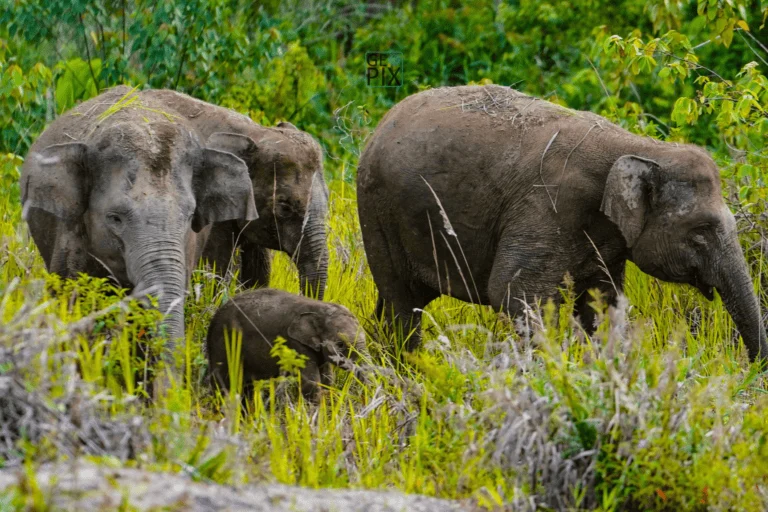
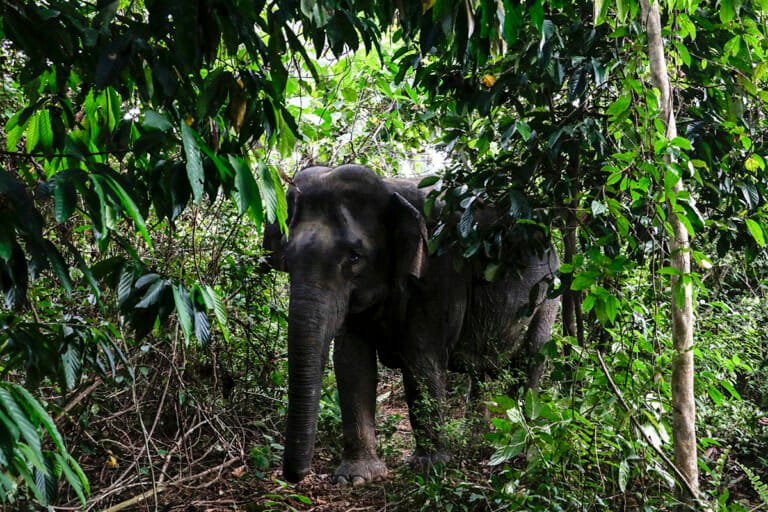
A harrowing incident in the Tebo Regency of Jambi has once again cast a harsh spotlight on the precarious existence of the Sumatran elephant (Elephas maximus sumatranus). On August 24, 2026, the lifeless body of a one-year-old elephant calf was discovered inside a deep pit located within the concession area of PT Lestari Asri Jaya (LAJ)—a subsidiary of Royal Lestari Utama (RLU), which is part of the global tire manufacturing giant, the Michelin Group. The calf, which had been trapped for days, ultimately succumbed to dehydration. This death is not an isolated tragedy but rather the latest indicator of a collapsing ecosystem in the Bukit Tigapuluh landscape, where the intersection of corporate land use, illegal encroachment, and environmental degradation has created a fatal trap for one of Indonesia’s most iconic endangered species.
Chronology of the Discovery and Investigation
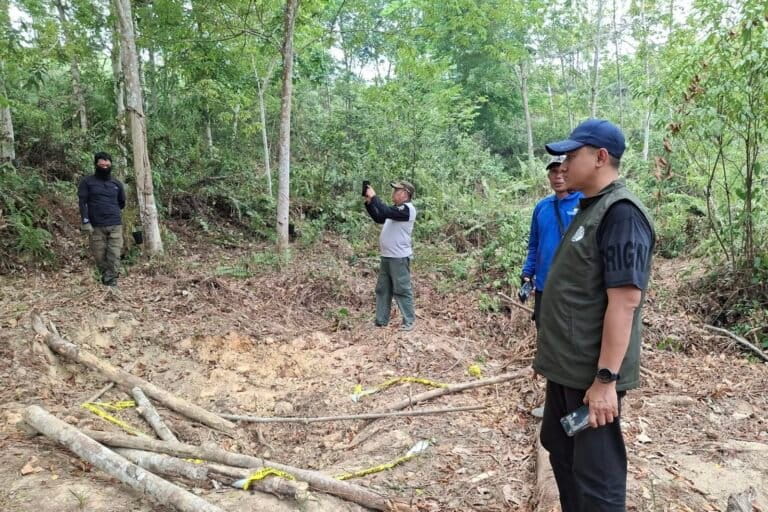
The discovery occurred approximately three kilometers from the Business Unit 4 Mandelang mess in the Muara Sekalo Village, Sumay District. While the calf is believed to have died several days prior to the report, the official notification was filed on August 24, 2026. Following the report, the Directorate General of Law Enforcement for the Ministry of Environment and Forestry (Gakkum Kehutanan) launched an immediate investigation.
The Gakkum team conducted a thorough sweep of the site, collecting physical evidence and testimonies. Among those summoned for questioning were the Head of Conservation and the Head Foreman of Rubber Tapping for PT LAJ, four staff members from the Frankfurt Zoological Society (FZS), a veterinary medical officer from the Jambi Natural Resources Conservation Agency (BKSDA), and the specialized personnel responsible for monitoring the elephant’s GPS collar.
Preliminary findings from the necropsy performed by a government veterinarian confirmed that the calf died of severe dehydration after being unable to escape the pit. Laboratory tests ruled out poisoning as the cause of death. Despite the absence of chemical toxins, the investigation remains active, with authorities focusing on potential corporate negligence regarding the safety of the concession area and the maintenance of habitat corridors.
The Corporate Responsibility Debate
The death of the calf has triggered a broader debate regarding the obligations of companies operating in protected wildlife landscapes. Dwi Januanto Nugroho, Director General of Law Enforcement for the Ministry of Forestry, emphasized that holding a concession license is not merely a permit for resource extraction but a legal mandate to safeguard the biodiversity contained within those boundaries.
"An operating permit carries the inherent obligation to protect the forest, the habitat, and the wildlife living within it," Nugroho stated. He noted that elephants do not recognize human-drawn concession boundaries. When their migratory routes intersect with corporate land, the company is responsible for implementing robust mitigation strategies. The Ministry has directed officials to audit PT LAJ’s compliance with conservation protocols, specifically questioning why such a dangerous pit remained unsecured in an area known to be frequented by protected wildlife.
Hari Novianto, Head of the Sumatra Gakkum Regional Office, confirmed that investigators are currently analyzing how the calf ended up in the pit. "We are tracing additional witnesses and physical evidence. If we find clear evidence of negligence or a breach of environmental regulations, we will pursue legal action according to the full extent of the law," he asserted. As of mid-October 2026, PT Royal Lestari Utama had not provided a formal statement to the press, despite multiple inquiries regarding the incident.
A Landscape Under Fire: The Bukit Tigapuluh Crisis
The tragedy in the LAJ concession is unfolding against a backdrop of catastrophic wildfires that have decimated thousands of hectares across the Bukit Tigapuluh landscape. According to data from Walhi Jambi, as of October 18, 2026, the total area affected by fires reached 8,079 hectares—a figure significantly higher than the 300 hectares reported by the local BKSDA.
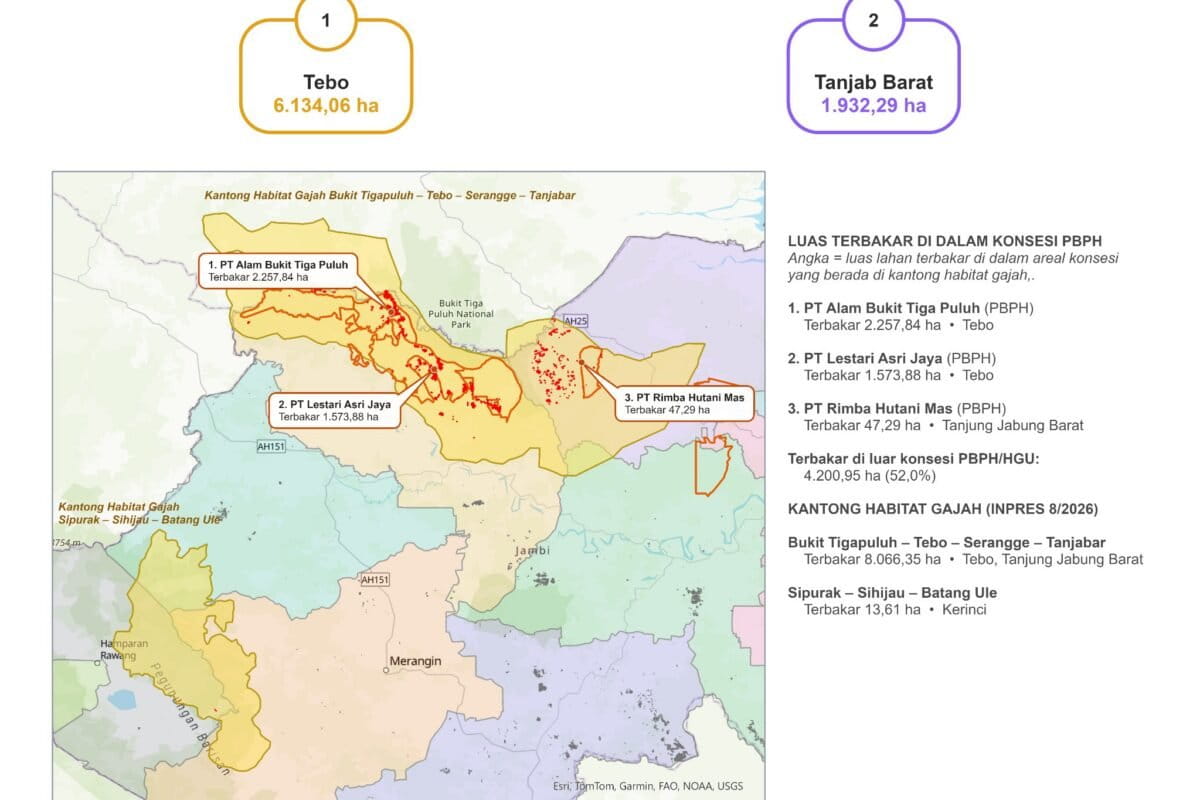
The environmental impact is profound. Over 1,573 hectares of the PT LAJ concession have been scorched, while 2,257 hectares of the restoration area managed by PT Alam Bukit Tigapuluh (ABT) have been severely damaged. These regions serve as critical habitats for Sumatran elephants, as well as the critically endangered Sumatran tiger and orangutan.
Nety Riana Sari, Communications and Partnership Manager for ABT, identified the extreme heat caused by the El Niño phenomenon as a primary driver of the spike in hotspots. In September 2026 alone, over 500 hotspots were recorded in Block 2, a critical zone adjacent to the Bukit Tigapuluh National Park (TNBT). The combination of smoke, fire suppression activities, and vegetation destruction has effectively severed the movement corridors that these animals rely on to traverse the forest. When these corridors are blocked, elephants are forced to enter human-dominated spaces, leading to an inevitable increase in human-wildlife conflict.
Systemic Failures and Illegal Encroachment
The Bukit Tigapuluh landscape is currently caught in a cycle of "ecological chaos." Oscar Anugrah, Executive Director of Walhi Jambi, argues that the current crisis is a direct result of unsustainable natural resource management. "There is a three-way struggle for space occurring here: between the local communities and the state, between communities and corporations, and finally, between humans and wildlife that have lost their homes," Anugrah explained.
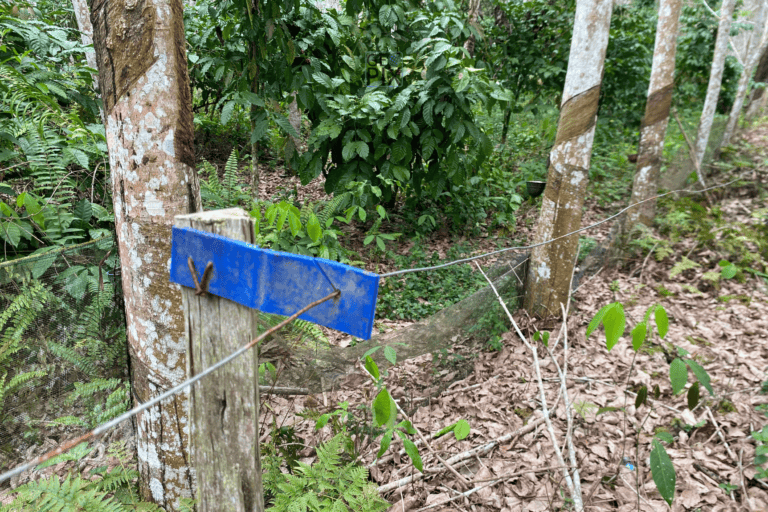
The situation is exacerbated by the presence of illegal infrastructure. Annisa Rahmawati, a Senior Wildlife Campaigner with Geopix, pointed out that the threat to elephants is not limited to natural disasters. Her organization has documented over 100 kilometers of illegal electric fencing installed within the PT LAJ concession. These lethal traps, often used to protect illicitly established farms within the concession, pose a constant threat to migrating herds. Since 2013, Geopix has recorded at least 16 elephant deaths in the Bukit Tigapuluh landscape, with several attributed to poisoning or electrocution.
Furthermore, human encroachment into the Wildlife Conservation Area (WCA) has reached critical levels. Surveys indicate that there are at least 363 houses occupied by residents within the WCA, a clear sign that the company’s efforts to reserve 9,700 hectares for conservation have been undermined by ineffective enforcement against land clearing.
Shrinking Horizons: The Future of the Sumatran Elephant
The historical range of the Tebo elephant population has been decimated. Once capable of roaming over 600,000 hectares reaching from Jambi to Riau, the surviving population is now effectively confined to a fragmented 82,000-hectare area. Himawan Sasongko, Head of the BKSDA Jambi, noted that the movement patterns of the elephants have changed drastically. "Movement used to be horizontal, from west to east. Now, it has become vertical—north to south—trapped between corporate plantations and human settlements," Sasongko explained.
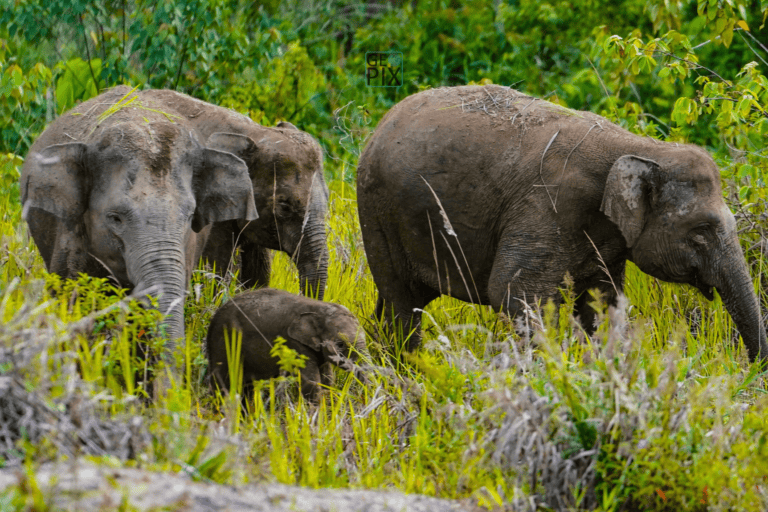
There are currently an estimated 120 elephants in the Bukit Tigapuluh landscape, distributed in six groups across Tebo and one in Tanjung Jabung Barat. While reproduction rates in the wild remain relatively healthy, the survival of the calves is increasingly threatened by the loss of secure, contiguous forest.
The Forum for the Conservation of the Sumatran Elephant (FKGI) has warned that the expansion of plantations and the loss of forest cover in buffer zones have made the situation unsustainable. Between 2008 and 2017, over 189,000 hectares of forest in the Bukit Tigapuluh ecosystem were converted. This loss of habitat resulted in 866 recorded human-elephant conflicts between 2019 and 2021.
Conclusion: A Call for Landscape-Scale Reform
The death of the calf at the PT LAJ site is a symptomatic failure of a system that prioritizes industrial expansion over ecological integrity. Experts, including Muhammad Hilal Frikriansyah of FKGI Jambi, argue that short-term mitigation strategies—such as driving elephants away from villages—are insufficient. The path forward requires a radical restructuring of spatial management in the Bukit Tigapuluh landscape.
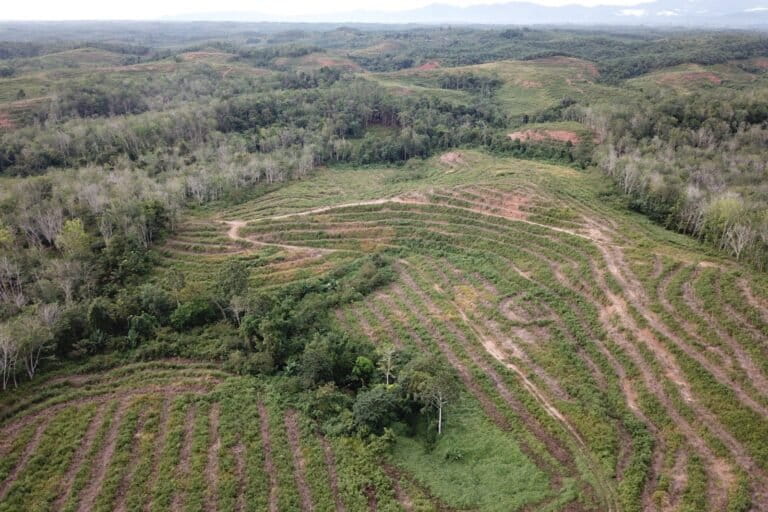
"We need a comprehensive re-planning of the landscape that prioritizes the restoration of forest corridors," Frikriansyah urged. Without the secure connection of these migratory routes, the remaining elephant populations will remain isolated, vulnerable to further human conflict, and increasingly susceptible to the impacts of climate change-induced fires. The survival of the Sumatran elephant in Jambi hinges on whether the state and the corporate sector can move beyond rhetoric and provide the physical, protected space necessary for a species that is rapidly running out of room to roam. The clock is ticking, and the loss of each calf represents a significant blow to the genetic viability and future of the species in this historic range.

