
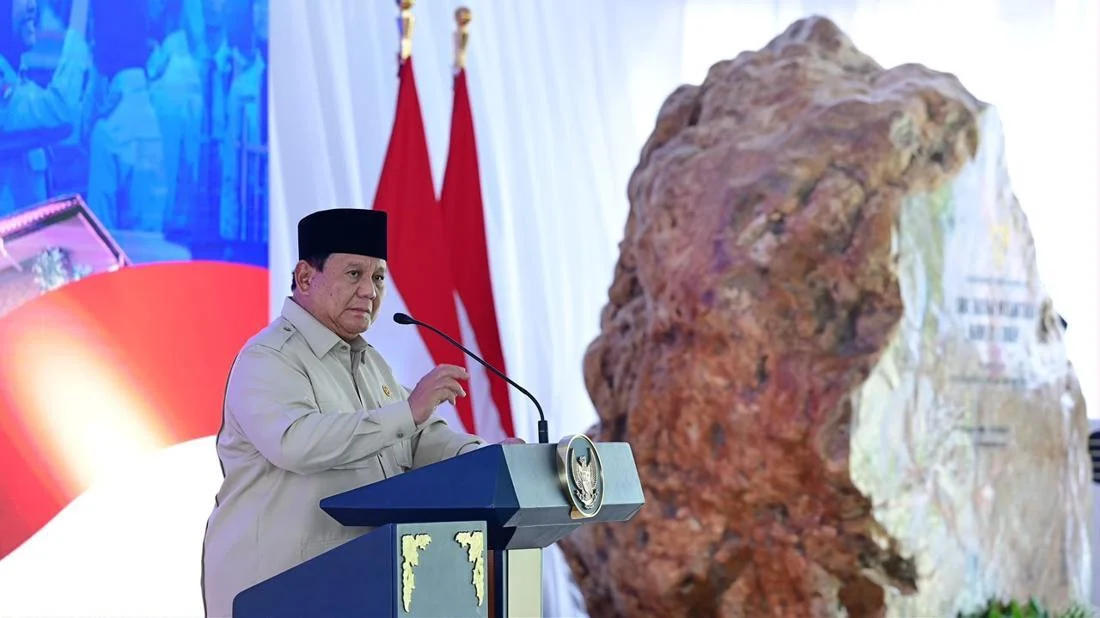
The Southeast Asia Freedom of Expression Network (SAFEnet), a prominent digital rights advocacy organization, has issued a provocative invitation to President Prabowo Subianto, urging him to formally lodge a complaint regarding the recent high-profile illegal wiretapping scandal that has sent shockwaves through the Indonesian political establishment. The organization’s public overture, delivered via their official X (formerly Twitter) handle on November 3, 2026, serves as a sharp commentary on the current state of digital privacy and the rule of law in Indonesia.
The call to action does not stop at the President. SAFEnet has also extended an invitation to former National Police Chief Listyo Sigit Prabowo, who has been named a suspect in the ongoing investigation. By inviting both the alleged victim—the President—and a high-ranking official currently facing criminal charges to utilize the same platform for digital rights violations, SAFEnet is emphasizing a core tenet of its mandate: that the right to digital privacy and due process is universal and should not be dictated by one’s station in life.
The Anatomy of the Surveillance Scandal
The controversy centers on the unauthorized use of the Lawful Interception Management System (LIMS), a powerful technological framework designed for authorized government surveillance in the interest of national security and criminal investigation. According to details provided by the Criminal Investigation Agency (Bareskrim) of the Indonesian National Police, the system was allegedly compromised to monitor the communications of President Prabowo and several other high-profile figures.
Kabareskrim Polri Komjen Asep Safrudin confirmed during a press briefing that the illicit surveillance activities were conducted between 2025 and 2026. The investigation revealed that specific telephone numbers were input into the LIMS without the required legal verifications or judicial oversight. "Several phone numbers were entered into the system without verification and subsequently intercepted without any connection to lawful investigations mandated by existing laws," stated Asep.
The scale of the operation appears extensive. Investigators believe that the targets were not limited to the President but included an array of influential individuals, including government officials, political figures, journalists, prominent activists, and business leaders. Furthermore, the case took a darker turn when investigators uncovered evidence of a systematic effort to obstruct justice, specifically an attempt to purge data logs in October 2026, presumably to erase the digital footprints of the illegal interceptions.
The Legal Ramifications and Key Figures
The investigation has led to the formal naming of three high-ranking officials as suspects: former National Police Chief and current Chief of Presidential Staff Listyo Sigit Prabowo, Inspector General Ahrie Sonta Nasution, and Inspector General Eko Hadi Santoso.
The involvement of a former police chief in such an investigation creates an unprecedented institutional crisis for the Indonesian law enforcement apparatus. As the investigation progresses, the central question revolves around the chain of command and the degree to which institutional resources were misappropriated for personal or political gain. While the current suspects have been charged, legal experts emphasize that the presumption of innocence remains, and the prosecution must provide concrete evidence to substantiate the claims of "illegal access" under the Electronic Information and Transactions (ITE) Law.
Digital Privacy in the Spotlight: SAFEnet’s Role
SAFEnet’s involvement in this dialogue highlights a growing anxiety regarding the vulnerability of communication systems in the digital age. Through their dedicated portal, aduan.safenet.or.id, the organization provides a mechanism for citizens to report various digital rights abuses, including hacking, doxing, and, as in this case, unauthorized surveillance.
By publicly inviting the President to use this channel, SAFEnet is making a broader point about the fragility of privacy protections for all citizens. Their statement, "Pak Prabowo, please feel free to report to SAFEnet as a victim of privacy violations," serves as a poignant reminder that when the executive branch of government falls victim to state-sanctioned surveillance tools, it exposes a systemic failure that threatens the privacy of the average citizen as well.
The organization’s focus on Listyo Sigit Prabowo also adds a layer of complexity. By suggesting that he too could file a complaint if he feels his digital rights were violated through "criminalization" or procedural errors, SAFEnet is calling for a consistent application of the law. This approach avoids partisan framing, focusing instead on the legal and human rights standards that should govern the use of surveillance technology.
Chronology of the Surveillance Crisis
- 2025–2026: The period identified by Bareskrim during which the Lawful Interception Management System (LIMS) was allegedly misused to intercept communications of unauthorized targets.
- October 2026: Evidence suggests an organized attempt to delete logs and data from the LIMS to destroy evidence of illegal surveillance.
- Early November 2026: Official investigation leads to the naming of three suspects: Listyo Sigit Prabowo, Ahrie Sonta Nasution, and Eko Hadi Santoso.
- November 3, 2026: SAFEnet releases a statement via social media, publicly calling for the victims and the accused to utilize formal digital rights complaint mechanisms.
Broader Implications: Accountability and Governance
The scandal has prompted a re-evaluation of how Indonesia manages its interception technology. The LIMS, intended to be a tool for justice, has become a symbol of potential institutional overreach. Analysts argue that the case underscores the urgent need for a more transparent oversight mechanism for digital surveillance technologies. Currently, the lack of independent auditing and stringent, publicly accountable verification processes has created a "black box" environment where the line between national security and political espionage is dangerously blurred.
Furthermore, the involvement of the Presidential Chief of Staff in the scandal presents a significant governance challenge. If those responsible for overseeing the President’s office are simultaneously implicated in the illegal surveillance of the President himself, it suggests a profound breakdown in the internal security protocols of the Indonesian government.
The Road Ahead: Transparency or Cover-up?
As the judicial process moves forward, the public and international observers will be watching to see if the investigation remains confined to these three suspects or if it expands to reveal broader networks of corruption. The incident has also reinvigorated the debate regarding the ITE Law in Indonesia, which has often been criticized for its broad, and sometimes vague, definitions of "illegal access."
SAFEnet’s intervention, while characterized by some as a "celetukan" (a clever remark), carries the weight of a serious challenge. It forces the state to confront its own standards: If the law is to protect citizens from digital harassment, it must be applied with equal rigor when the state itself is accused of being the harasser.
The question remains whether President Prabowo or his representatives will engage with such mechanisms, or if the government will pursue a more traditional, state-led path to justice. Regardless of the outcome, the fact that a digital rights organization has effectively inserted itself into the center of a national security scandal marks a turning point in the influence of civil society in Indonesian governance.
Conclusion
The case of the alleged surveillance of President Prabowo is not merely a story about political infighting; it is a critical case study on the ethics of state power in the digital era. The intersection of high-level politics, law enforcement, and digital rights advocacy has created a volatile environment where the definition of "lawful" is being tested. As the investigation into the former National Police Chief and his associates proceeds, the demand for transparency and a clear demonstration that no individual is above the laws of privacy will remain at the forefront of the public discourse. Whether or not the President chooses to heed the advice of activists, the message from organizations like SAFEnet remains clear: the protection of the digital sphere is an essential, non-negotiable requirement for a healthy democracy.

