
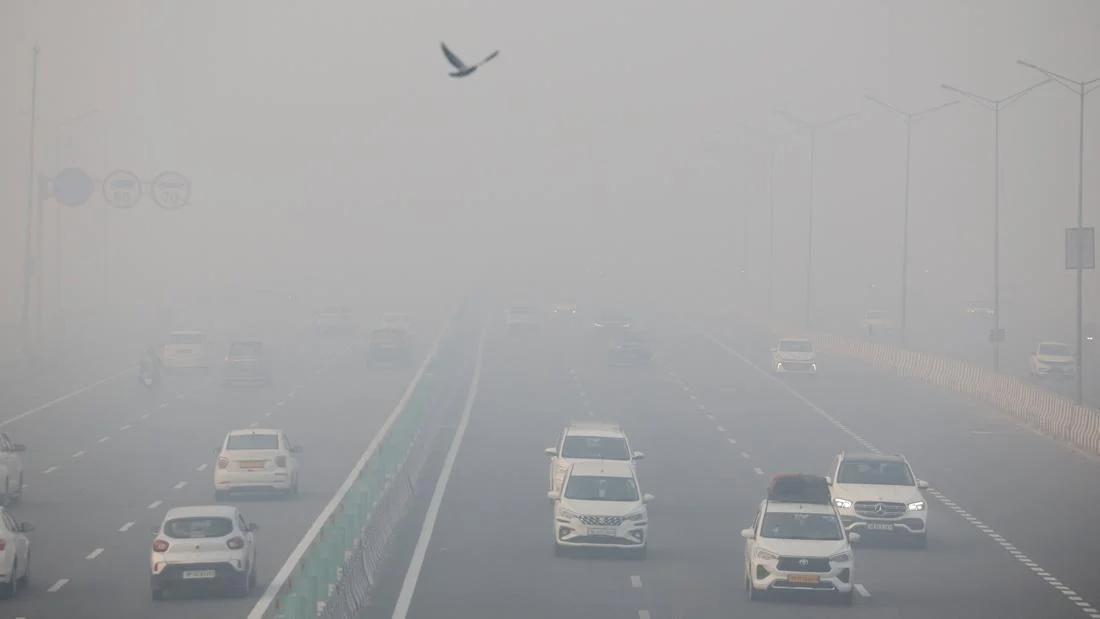
New Delhi once again finds itself choking under a dense, toxic blanket of smog as air pollution levels surge dramatically across India’s sprawling capital. On Monday, November 9, 2026, residents awoke to a hazy metropolis where visibility was severely restricted, casting a pale, apocalyptic gray over streets, iconic landmarks, and residential neighborhoods alike. The alarming spike in particulate matter has reignited urgent conversations surrounding chronic environmental degradation, urban health crises, and the ongoing struggle of authorities to secure a breathable environment for millions of citizens.
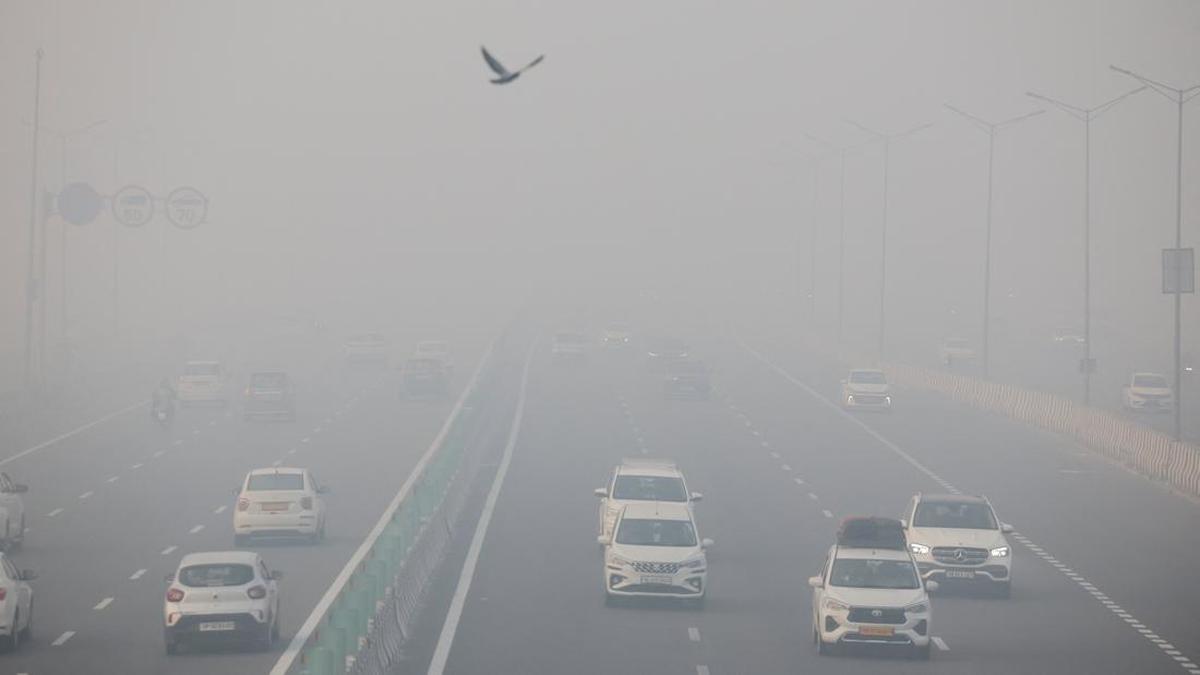
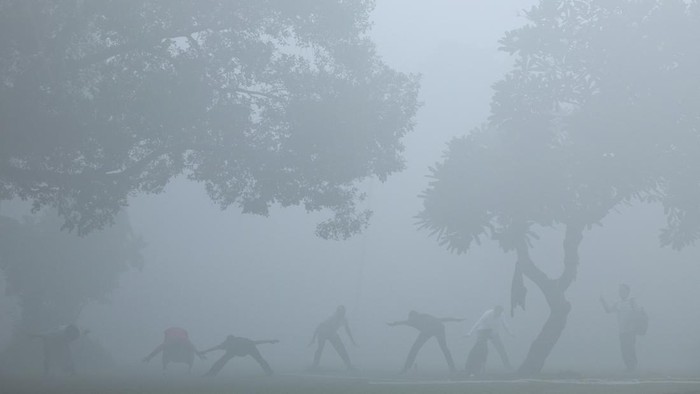
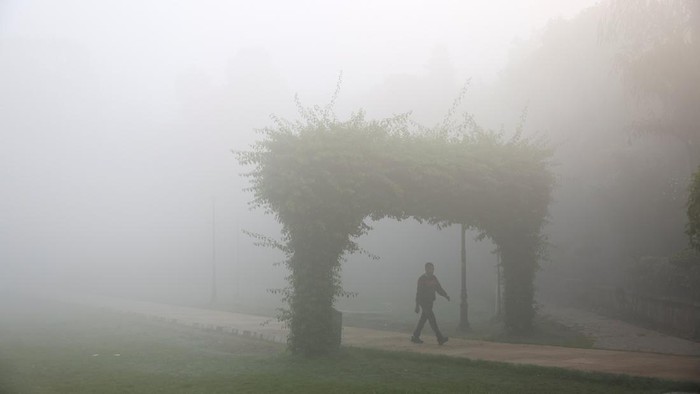
Visual documentation from the city captured the severe gravity of the situation. Major roadways and thoroughfares were shrouded in a thick pall of pollution, forcing motorists to navigate with drastically reduced visibility while traffic continued to crawl through the noxious atmosphere. Public spaces, including popular city parks that typically serve as green lungs for recreation and relaxation, were similarly engulfed. Trees, walking paths, and architectural features stood blurred and obscured behind stagnant layers of suspended pollutants, altering the daily routines of citizens who rely on these outdoor sanctuaries for exercise and respite.
Understanding the Anatomy of New Delhi’s Air Quality Crisis
The severe degradation of air quality in New Delhi is not an isolated meteorological anomaly, but rather a recurring, systemic crisis driven by a combination of geographic, seasonal, and anthropogenic factors. As winter approaches, meteorological conditions such as lower wind speeds and dropping temperatures create a thermal inversion trap. This atmospheric phenomenon prevents local pollutants from dispersing into the upper atmosphere, causing them to linger stubbornly near the ground surface.
Compounding these natural weather patterns are massive inputs of emissions from various sources. Vehicular exhaust from millions of cars, two-wheelers, and diesel trucks traversing the metropolitan area pours continuous streams of nitrogen dioxide and fine particulate matter into the air. Furthermore, industrial emissions from surrounding manufacturing hubs, urban construction dust, and the controversial practice of seasonal agricultural stubble burning in neighboring states synergize to transform the capital’s air shed into a hazardous chemical soup.
Health experts and environmental agencies have repeatedly warned that the air quality index (AQI) readings during these peak pollution episodes frequently trespass far into "severe" and "hazardous" categories. Breathing in air laden with high concentrations of PM2.5—tiny particulate matter measuring less than 2.5 microns in diameter—poses severe physiological threats. These microscopic toxins are capable of penetrating deep into the pulmonary alveoli and even crossing into the bloodstream, triggering widespread systemic inflammation and cardiovascular complications.
Immediate Health Impacts and Vulnerable Populations
The sudden and aggressive surge in air pollution places an immediate and heavy burden on the public healthcare infrastructure of New Delhi. Medical practitioners across the city report spikes in patient admissions for acute respiratory distress, chronic obstructive pulmonary disease (COPD) exacerbations, severe asthma attacks, and eye irritations.
While the general population experiences noticeable discomfort, including throat irritation, coughing, and chest tightness, certain demographics face disproportionately severe risks. Pediatric populations, whose respiratory systems and lung capacities are still developing, are particularly vulnerable to the toxic onslaught. Similarly, the elderly population, many of whom manage pre-existing cardiovascular and pulmonary conditions, experience heightened morbidity and mortality risks during prolonged smog episodes.
Outdoor workers—such as delivery personnel, traffic police, construction laborers, and street vendors—form another critical vulnerable group. Deprived of the luxury of staying indoors in filtered environments, these workers absorb significant doses of harmful pollutants over prolonged periods, amplifying their long-term susceptibility to chronic illnesses. Public health advocates continue to stress the urgent necessity of targeted intervention strategies, such as the distribution of N95 respirators to outdoor laborers and the establishment of clean-air shelters equipped with proper air filtration systems.
Policy Responses, Mitigation Challenges, and Institutional Hurdles
Efforts to combat the perennial pollution crisis in India’s capital region have historically involved a mix of emergency response measures and long-term regulatory frameworks. When AQI levels cross severe thresholds, authorities typically deploy emergency protocols under the Graded Response Action Plan (GRAP). These measures often include restrictions on heavy diesel-powered transport entering the city, the mandatory halt of non-essential construction and demolition activities, and directives encouraging institutions to adopt work-from-home arrangements or suspend physical classes for schools.
However, critics and environmental analysts point out that reactionary measures, while necessary for immediate damage control, fail to address the root causes of the crisis. Long-term mitigation requires sustained, cross-jurisdictional cooperation between federal, state, and local governments. Addressing stubble burning requires providing farmers with economically viable alternatives and machinery to manage crop residue without resorting to fire. Simultaneously, transitioning the public and private transport sectors toward rapid electrification, modernizing industrial emission standards, and expanding urban green spaces demand massive financial investments and unwavering political commitment.
The challenges of urban governance in a densely populated megacity like New Delhi further complicate these initiatives. Rapid urbanization, population growth, and economic development continually outpace infrastructural adaptations. As the city grapples with the aftermath of the November 9 pollution spike, policymakers face renewed pressure from civil society, international observers, and public health organizations to formulate more robust, proactive, and enforceable environmental policies.
Broader Implications for Sustainable Urban Development
The ongoing struggle against toxic smog in New Delhi serves as a bellwether for the broader challenges confronting rapidly industrializing developing economies. The fundamental tension between aggressive economic growth and environmental preservation highlights a critical paradigm in modern governance: the imperative to decouple development from ecological destruction.
As climate change alters regional weather patterns and urban centers expand, the frequency and intensity of environmental crises are projected to escalate unless radical systemic shifts occur. The visibility loss and health hazards documented in the capital on this autumn day are emblematic of a broader planetary challenge. Ensuring that cities remain habitable requires moving beyond superficial crisis management toward a holistic transformation of energy grids, agricultural economies, waste management systems, and urban mobility frameworks.
Ultimately, the persistent shroud of smog over New Delhi is not merely a localized atmospheric issue, but a profound humanitarian and developmental challenge. Safeguarding public health and restoring ecological balance require a unified, science-based approach that prioritizes clean air as an indispensable fundamental right for every citizen.

