• Home
Nata News
keep your memories alive
Travel

It is Said That This Fort in Gorontalo Was Bound with Egg Whites

by admin July 17, 2026
written by admin

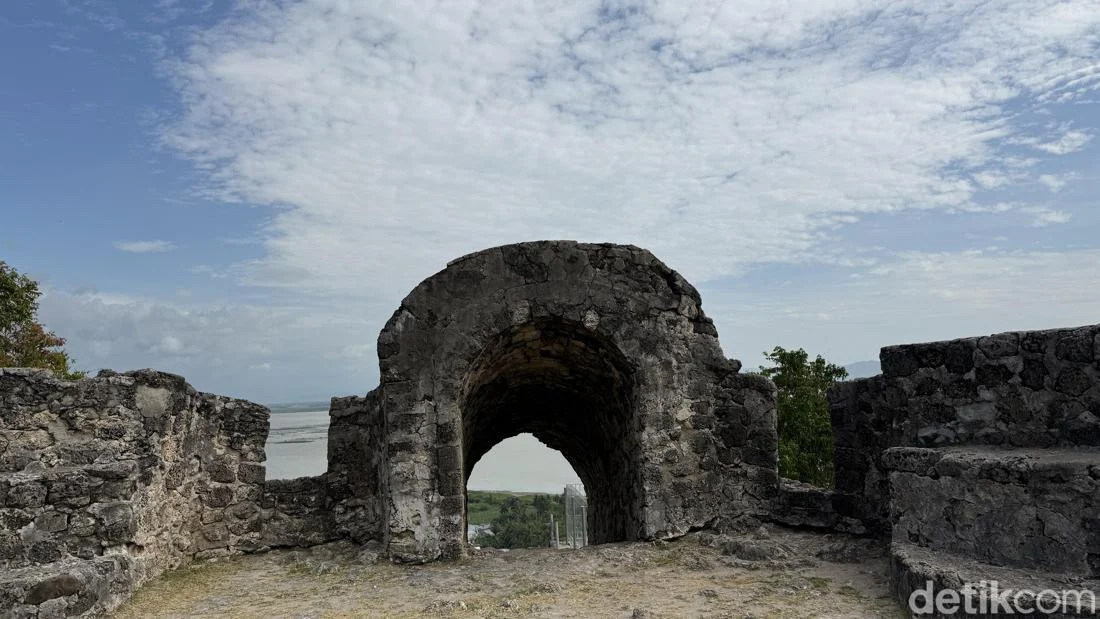
The Otanaha Fort, a majestic historical complex perched atop the rugged hills of Dembe I in West City, Gorontalo, stands as a testament to the complex geopolitical landscape of 16th-century Indonesia. Known locally as Benteng Otanaha, this cultural heritage site is renowned not only for its panoramic views of the expansive Lake Limboto but also for a persistent legend regarding its construction. For generations, local lore has suggested that the fort’s massive stone walls were held together by a unique adhesive: the egg whites of the Maleo bird, a species endemic to the island of Sulawesi. However, recent scientific investigations and historical assessments have begun to shed light on the reality of this architectural marvel, separating folklore from the tangible engineering of the past.

The history of Otanaha Fort is deeply intertwined with the arrival of the Portuguese in the Indonesian archipelago. Constructed around 1522 to 1525, the fort was established during the reign of King Ilato, the sovereign of the Gorontalo Kingdom. The early 16th century was a period of intense maritime activity and colonial expansion, as European powers sought to control the lucrative spice trade routes. In Gorontalo, this manifested as a strategic alliance between King Ilato and Portuguese explorers. According to historical records maintained by the Gorontalo Cultural Preservation Office, the Portuguese agreed to assist the local monarchy in fortifying the region against the persistent threat of piracy in the Celebes Sea and the Gulf of Tomini. In exchange, the Portuguese were granted a foothold in the region to monitor trade and maritime traffic.
Konon Katanya, Benteng di Gorontalo Ini Direkatkan dengan Putih Telur

Arief Setiawan, a dedicated guardian and preservationist of Otanaha Fort from the Gorontalo Cultural Preservation Office, explains that the fort was part of a larger defensive network. The complex actually consists of three distinct cylindrical structures: Benteng Otanaha, Benteng Otahiya, and Benteng Ulupahu. These structures were strategically positioned to face different wind directions and vantage points, serving as a comprehensive system for defense, security, and surveillance. The positioning allowed the kingdom’s sentries to overlook both the landward approaches and the waters of Lake Limboto, which at the time served as a vital artery for transportation and resources.

The myth of the egg white adhesive is one of the most enduring narratives surrounding the site. In many parts of Southeast Asia, folklore often attributes the strength of ancient monuments to organic materials like honey, sugar, or eggs. In the case of Otanaha, the legend specifically points to the Maleo bird (Macrocephalon maleo), a ground-dwelling bird known for its large eggs. The narrative suggests that thousands of egg whites were mixed with lime and sand to create a mortar of extraordinary durability. However, modern architectural analysis suggests a more grounded reality.

Detailed physical inspections of the fort’s mortar have revealed the presence of sedimented rock, limestone, and coral fragments. Arief Setiawan notes that the region’s geology provided the builders with an abundance of natural materials. The structure is composed of various types of stone, including andesite—a type of volcanic rock—and sedimentary rocks rich in carbonate. Scientific observation of the mortar surfaces shows a high concentration of crushed coral and shell fragments. This indicates that the builders likely used a traditional lime-based mortar, created by burning and grinding limestone or coral, which, when mixed with water and sand, creates a chemical bond similar to modern cement. While the use of organic additives in ancient mortars is a documented historical practice globally, researchers have yet to find conclusive chemical evidence confirming the presence of egg proteins in the Otanaha structures.

Konon Katanya, Benteng di Gorontalo Ini Direkatkan dengan Putih Telur

Beyond its physical construction, the fort is a repository of local genealogical history and tragedy. The naming of the three forts—Otanaha, Otahiya, and Ulupahu—is rooted in the story of King Ilato’s family. According to oral traditions, King Ilato had a son named Naha, a renowned adventurer who rediscovered the fort structures after they had fallen into a period of neglect. Naha eventually married a woman named Ohihiya, and they had two sons, Pahu and Limono. The family’s peace was interrupted by a territorial conflict with a rival leader named Hemuto. In the ensuing battles to defend the kingdom, both Naha and his son Pahu were killed. The struggle was eventually resolved by Limono, who defeated Hemuto to avenge his father and brother. To honor this sacrifice, the community named the main fort Otanaha (derived from Naha), the second Otahiya (after the matriarch Ohihiya), and the third Ulupahu (after the fallen son, Pahu).

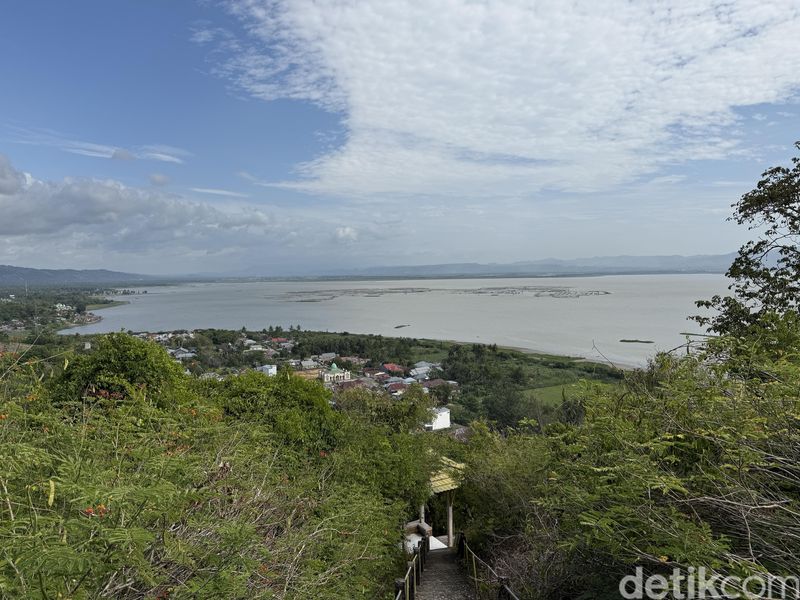
From a tourism perspective, Otanaha Fort has become one of Gorontalo’s premier destinations, particularly for those interested in heritage and photography. The site is famous for its "1,000 steps," a steep stone staircase that leads visitors from the base of the hill to the fortifications. While the moniker "1,000 steps" is a slight exaggeration—the actual count is 358 steps—the climb remains a physical challenge that rewards travelers with a breathtaking 360-degree view of the Gorontalo landscape. For those less inclined to hike, modern infrastructure now allows vehicles to reach the top of the hill, where a spacious parking area and visitor facilities are available.

The fort’s preservation has been a priority for the regional government, though the path to national recognition has been complex. The structures underwent two major restoration phases in the late 20th century: the first between 1978 and 1979, and the second between 1980 and 1981. These efforts focused on stabilizing the cylindrical walls, which stand approximately three meters high, and clearing the surrounding overgrowth. Currently, the Gorontalo Cultural Preservation Office is in the process of reapplying for the site’s status as a National Cultural Heritage site. A previous application was reportedly declined due to administrative and documentation requirements, but local officials are optimistic that the fort’s historical significance and unique architecture will eventually secure its place on the national registry.
Konon Katanya, Benteng di Gorontalo Ini Direkatkan dengan Putih Telur

Economically, Otanaha Fort plays a vital role in the local tourism sector. Entry fees are kept accessible to encourage both domestic and international visitors, with tickets priced at Rp 10,000 for Indonesian citizens and Rp 25,000 for foreign tourists. The revenue generated from these fees is funneled back into the maintenance of the grounds and the employment of local guides and caretakers. However, officials emphasize that the primary goal is conservation. Visitors are strictly prohibited from climbing the walls of the fort, as the ancient masonry is sensitive to human impact. "The safety of the visitors is paramount, but the integrity of the heritage site is our long-term mission," Setiawan emphasized during a recent site visit.

The broader implications of Otanaha Fort’s existence extend to the understanding of Indonesia’s pre-colonial and early colonial history. It serves as a physical reminder that the "Age of Discovery" was not merely a story of European conquest but one of negotiation, alliance, and local agency. The fact that a local king commissioned the fort using European expertise to solve regional security issues (piracy) highlights a sophisticated level of diplomacy. Furthermore, the transition of the site from a military garrison to a family memorial, and finally to a modern tourist attraction, reflects the changing identity of Gorontalo over five centuries.

As Gorontalo continues to develop its "Blue Economy" and maritime tourism, sites like Otanaha Fort provide a necessary cultural anchor. The fort offers a panoramic view of Lake Limboto, a massive lake that is currently the subject of intense environmental conservation efforts due to sedimentation and shrinking water levels. By visiting the fort, tourists are often confronted with the environmental reality of the region, potentially fostering a greater interest in both historical and ecological preservation.

Konon Katanya, Benteng di Gorontalo Ini Direkatkan dengan Putih Telur

In conclusion, Otanaha Fort remains a jewel of Northern Sulawesi. Whether or not the legends of Maleo egg whites are eventually proven by advanced chemical analysis, the "mortar" that truly holds the fort together is the collective memory of the Gorontalo people. It is a site where history, myth, and natural beauty converge, providing a window into a past where kings, explorers, and warriors shaped the destiny of the land. As the sun sets over Lake Limboto, casting a golden hue over the ancient stones of Otanaha, the fort stands as a silent observer of a region that continues to honor its ancestors while looking toward a sustainable future. Through continued research and responsible tourism, the legacy of King Ilato and the tragic heroism of Naha will remain preserved for generations to come, ensuring that the story of the fort—and the myths that surround it—never fades from the Indonesian consciousness.


July 17, 2026 0 comment
0 FacebookTwitterPinterestEmail
Science

The Sinking Coastline: Scientific Analysis of Environmental Degradation and Land Subsidence Along Indonesia’s Northern Java Corridor

by admin July 17, 2026
written by admin

The Northern Coast of Java, colloquially known as the Pantura, is currently undergoing a period of rapid and systemic environmental degradation that threatens the socio-economic stability of Indonesia’s most populous island. According to recent data released by the National Research and Innovation Agency (BRIN), approximately 65.8 percent of the coastline stretching from Serang Regency in Banten to Situbondo Regency in East Java is being consumed by erosion. This phenomenon is not merely a localized issue but a massive regional shift that highlights the vulnerability of Indonesia’s coastal infrastructure and the urgent need for a paradigm shift in maritime and land management.

The Geological Roots of Vulnerability

The severity of the erosion in the Pantura region is deeply rooted in its geological composition. Tubagus Solihuddin, a senior researcher at BRIN’s Climate and Atmosphere Research Center, notes that a significant portion of the Northern Java coastline is composed of pluvial and deltaic deposits. From a geological perspective, these sediments are classified as "unconsolidated," meaning they have not yet fused into solid rock. This lack of structural integrity makes the shoreline highly susceptible to the kinetic energy of ocean waves and the shifting tides.

Compounding this geological fragility is the region’s low-lying morphology. Much of the Pantura is characterized by low relief and flat plains, with elevations frequently measuring less than ten meters above sea level. While erosion dominates the landscape, the process of accretion—the accumulation of new land through sediment deposits—is occurring at a rate of 34.2 percent. However, this accretion is often inconsistent and does not compensate for the loss of habitable and productive land.

The research indicates that even natural delta systems, which should theoretically serve as centers of sedimentation, are now experiencing net erosion. This reversal is largely attributed to human intervention in upstream river systems. The construction of dams, the diversion of river channels, and the "canalization" of natural waterways have effectively choked the supply of sediment to river mouths. Without this steady influx of silt and mud, the deltas cannot rebuild themselves, leaving them defenseless against the encroaching Java Sea.

Bagaimana Cara Menghentikan Laju Kerusakan Lingkungan Pantura Jawa?

The Dual Threat: Sea Level Rise and Land Subsidence

The environmental crisis in Northern Java is defined by a "double whammy" of rising seas and sinking land. Scientific monitoring shows that the average rate of Sea Level Rise (SLR) along the Pantura is between 0.41 and 0.42 centimeters per year. While these numbers may seem small in isolation, the cumulative impact is devastating. Projections for the period between 1993 and 2025 suggest a total rise of 15.5 centimeters, a threshold that significantly alters the reach of tidal floods and storm surges.

However, the most immediate threat is not the rising water, but the sinking land. Land subsidence in the Pantura is occurring at rates that far outpace the global average of sea level rise. In Demak, Central Java, the land is sinking by as much as 16 centimeters per year—the highest rate recorded in the region. This is closely followed by Jakarta at 15 centimeters per year and Sidoarjo at 14 centimeters per year.

Agung Syetiawan, a researcher at BRIN’s Geoinformatics Research Center, identifies the primary driver of this subsidence as the massive and unregulated exploitation of groundwater. As the demand for clean water increases due to population growth and the expansion of industrial aquaculture (fishponds), the pressure on underground aquifers has reached a breaking point. When water is extracted from these deep layers faster than it can be replenished, the overlying soil layers compact and collapse, causing the surface to sink.

Chronology of Encroachment and Infrastructure Loss

The timeline of this degradation has moved from seasonal flooding to permanent inundation in several key districts. In Muara Gembong, Bekasi Regency, the sea has advanced up to four kilometers inland. This is not a temporary flood; it is a permanent loss of territory. In Pantai Bahagia, the erosion has effectively erased public infrastructure, including schools and roads, and submerged more than 1,000 hectares of productive fishponds, destroying the primary source of income for thousands of families.

Similar patterns are emerging in other hotspots:

Bagaimana Cara Menghentikan Laju Kerusakan Lingkungan Pantura Jawa?
  1. Tanjung Pontang, Serang: Seawater intrusion has pushed five kilometers into former agricultural zones.
  2. Legonkulon, Subang: Coastal erosion is rapidly consuming rice fields that were once the "rice bowl" of West Java.
  3. Demak, Central Java: Entire villages have been abandoned as the sea now reaches up to six kilometers inland, turning former neighborhoods into ghost towns of half-submerged houses.

The speed of this transition has caught many local governments off guard. What were once considered "100-year flood events" are now occurring monthly during high tides, leading to a state of perpetual crisis for coastal residents.

The Collapse of the Mangrove Buffer

Ecologically, the Pantura was once protected by a thick belt of mangrove forests. These ecosystems served as natural wave breakers and sediment traps. However, Frida Sidik, an expert in mangrove ecology from BRIN, warns that the very factors destroying the coast are also killing the mangroves.

"When erosion occurs and the existing coastline is disrupted, mangroves are the first to suffer," Sidik explains. Mangroves are highly sensitive to their environment; they require a specific balance of sediment and water depth. As the land sinks and the sea rises, the mangroves are essentially "drowned" or uprooted by high-energy waves that they can no longer withstand.

Furthermore, the loss of upstream sediment supply means that mangroves do not have the mud they need to survive. There is a common misconception that simply planting new seedlings can solve the problem. Sidik stresses that restoration is not a universal solution. Each coastal segment has a unique morphology; a mangrove species that thrives in one area may be completely swept away in another. Without a stable substrate and proper hydrological conditions, reforestation efforts are often futile, leading to a waste of resources and a false sense of security.

Mapping the Geological Diversity of the Northern Coast

To understand why some areas fail while others persist, one must look at the 1,668.7-kilometer stretch of the Pantura through a geological lens. According to a 2026 study titled Coastal dynamics along the Northern Coast of Java, Indonesia: Scales, impacts, and governance strategies, the coastline is a mosaic of different environments:

Bagaimana Cara Menghentikan Laju Kerusakan Lingkungan Pantura Jawa?
  • Muddy/Mangrove Coasts: These cover 949.2 km (47.8%) and are the most vulnerable to subsidence and erosion.
  • Sandy Coasts: Spanning 501.6 km (25.3%), these areas face different erosion patterns driven by longshore currents.
  • Rocky Coasts: Representing only 1% (19.8 km), these are the most stable but are rare in the region.
  • Modified Coasts: Approximately 513.4 km (25.9%) of the coast has been "hardened" with sea walls, ports, breakwaters, and groins.

The study notes that "hard" engineering solutions, such as concrete sea walls, often exacerbate erosion in neighboring areas by disrupting the natural flow of sediment. This "neighbor-beggar" effect means that protecting a port in Cirebon or Semarang might inadvertently lead to the disappearance of a beach or a mangrove forest a few miles down the coast.

Socio-Economic Implications and Policy Requirements

The implications of a sinking Pantura extend far beyond environmental loss; they threaten the national economy. The Pantura highway is the primary artery for logistics on Java Island. As the land sinks, this vital infrastructure is increasingly threatened by tidal flooding (rob), leading to massive delays and increased maintenance costs.

M. Rokhis Khomarudin, Head of BRIN’s Geoinformatics Research Center, emphasizes that the solution must be systemic. "We cannot rely on a single solution because every beach has a different character," he stated. The current approach, which often involves reactive construction of dikes after a flood occurs, is insufficient.

A comprehensive strategy for the Pantura must include:

  1. Groundwater Regulation: Strict enforcement of bans on deep-well drilling in high-subsidence zones, coupled with the development of alternative piped water sources.
  2. Geospatial Planning: Using high-resolution satellite data to map subsidence in real-time, allowing for "preventative" rather than "reactive" engineering.
  3. Sediment Management: Re-evaluating upstream dam operations to allow for "sediment flushing" that can replenish downstream deltas.
  4. Ecological Buffers: Moving away from purely "hard" infrastructure to "hybrid" solutions that combine sea walls with rehabilitated mangrove zones.
  5. Relocation and Adaptation: Acknowledging that some areas may be beyond saving, requiring a managed retreat and the relocation of vulnerable communities to higher ground.

Conclusion

The degradation of the Northern Coast of Java is a stark reminder of the limits of human intervention in natural systems. The combination of geological fragility, climate change, and aggressive resource extraction has created a crisis that cannot be solved by concrete alone. As the sea continues its four-kilometer-deep march into the heart of Java’s coastal regencies, the window for scientific and policy-driven intervention is closing. The future of the Pantura depends on the ability of the Indonesian government to balance economic ambition with the unforgiving reality of a changing coastline. Without a holistic, data-driven approach that respects the dynamic nature of the Java Sea, the "sinking" of the Pantura may become a permanent fixture of Indonesia’s geography.

July 17, 2026 0 comment
0 FacebookTwitterPinterestEmail
Science

Macquarie University’s Huntsman Telescope Breaks Daylight Barriers in Astronomical Observation and Satellite Tracking

by admin July 17, 2026
written by admin

Astronomers at Macquarie University in Australia have unveiled a pioneering technique that allows for the precise observation of stars, satellites, and other celestial targets during broad daylight, effectively overcoming one of the oldest limitations in ground-based optical astronomy. By utilizing a sophisticated array of light filters and high-speed imaging technology on the university’s unique Huntsman Telescope, researchers have demonstrated that it is possible to maintain high-sensitivity surveillance of the sky 24 hours a day. This development marks a significant leap forward in both stellar research and the critical field of Space Situational Awareness (SSA), providing a new tool to monitor the increasingly crowded orbital environment surrounding Earth.

The Huntsman Telescope, located at the Siding Spring Observatory near Coonabarabran, New South Wales, was originally conceived for ultra-sensitive night-sky surveys. However, a research team led by Sarah Caddy, a doctoral candidate and lead designer of the Huntsman system, has successfully adapted the facility to operate under the harsh glare of the sun. The results of this study, published on May 20, 2024, in the Publications of the Astronomical Society of Australia, detail how the telescope can achieve scientific-grade results during daylight hours, a feat that has challenged astronomers for centuries.

The Engineering Behind the Huntsman Array

Unlike traditional telescopes that rely on a single large mirror or lens, the Huntsman Telescope employs a "multi-eye" design. It consists of an array of 10 high-end, off-the-shelf Canon 400mm f/2.8 L-series lenses. These lenses are specifically chosen for their exceptional anti-reflective coatings and optical clarity. In the Huntsman configuration, these lenses are mounted in parallel on a single highly accurate tracking mount, allowing them to point at the same region of the sky simultaneously.

Each lens is equipped with a dedicated science-grade CMOS camera and astro-mechanical focusing equipment. This setup allows the telescope to capture thousands of short-exposure images per second. By processing these rapid-fire images, the system can mitigate the blurring effects of atmospheric turbulence—a technique often referred to as "lucky imaging"—and extract clear signals from celestial objects that would otherwise be lost in the "noise" of the bright blue sky.

The breakthrough in daylight observation specifically involves the use of specialized broadband light filters. Under normal conditions, the Earth’s atmosphere scatters sunlight (Rayleigh scattering), creating a brilliant blue background that drowns out the relatively faint light from stars and planets. The Huntsman team’s technique involves using filters that block the majority of this scattered visible sunlight while allowing specific, narrower wavelengths of light from celestial objects to pass through to the sensors. By pairing these filters with the array’s high-speed data processing capabilities, the astronomers can "see" through the daylight.

From Concept to Reality: A Chronology of Development

The journey toward functional daylight astronomy at Macquarie University began several years ago with the conceptualization of the Huntsman Telescope as a cost-effective alternative to massive monolithic telescopes.

  1. Initial Design (2018–2019): Inspired by the Dragonfly Telephoto Array in North America, the Macquarie team began designing a system optimized for low-surface-brightness imaging, such as detecting faint dwarf galaxies and the outer halos of nearby galaxies.
  2. The "Mini-Huntsman" Phase: Before committing the full 10-lens array to daylight testing, researchers spent months experimenting with a "pathfinder" version consisting of a single lens. This phase was crucial for determining the optimal exposure times and identifying the specific wavelengths that offered the best contrast against the daytime sky.
  3. Full Array Integration (2022–2023): The full 10-lens array was commissioned at Siding Spring Observatory. During this period, the team refined the astro-mechanical hardware to ensure that all 10 lenses could track moving targets, such as satellites, with sub-arcsecond precision.
  4. Daylight Testing and Validation (Late 2023): The team conducted rigorous tests, targeting well-known stars like Betelgeuse to calibrate the system’s photometric accuracy. They also began tracking known satellites to test the system’s utility for orbital debris monitoring.
  5. Peer-Reviewed Publication (May 2024): The findings were officially released, proving that the Huntsman could match or exceed the performance of much more expensive dedicated tracking systems.

Case Study: Monitoring the Supergiant Betelgeuse

One of the most significant applications of this new technology is the continuous monitoring of variable stars. The Huntsman team focused their efforts on Betelgeuse, a red supergiant star in the constellation Orion. Located approximately 650 light-years from Earth, Betelgeuse is a candidate for a future supernova—an event that would be visible even in the daytime.

In late 2019 and early 2020, Betelgeuse underwent a "Great Dimming" event, where its brightness dropped to its lowest point in recorded history. While later analysis suggested this was due to a massive ejection of surface material that cooled into a dust cloud, the event highlighted the need for 24/7 monitoring of such stars. Traditional telescopes lose track of stars like Betelgeuse for several months each year when they appear too close to the sun in the sky.

With the Huntsman’s daylight capability, astronomers no longer have to wait for the sun to set or for the Earth to move further along its orbit to observe these critical targets. Continuous monitoring allows for the detection of rapid changes in brightness or spectral characteristics, providing early warning signs of stellar collapses or other transient phenomena.

Addressing the Global Satellite Congestion Crisis

Beyond pure astrophysics, the Huntsman Telescope’s daylight capabilities address a pressing geopolitical and commercial concern: the rapid expansion of satellite constellations. According to data cited by Sarah Caddy, there are currently approximately 10,000 active satellites in orbit. However, with the rise of "mega-constellations" from companies like SpaceX (Starlink), Amazon (Project Kuiper), and others, that number is expected to climb by an additional 50,000 within the next decade.

This "new space" era brings a high risk of orbital collisions. If two satellites or pieces of space debris collide at orbital velocities, they can create thousands of smaller fragments, potentially leading to a chain reaction known as the Kessler Syndrome, which could render certain orbits unusable for generations.

To prevent such disasters, space agencies and private operators require constant, precise tracking of every object in Low Earth Orbit (LEO) and Geostationary Orbit (GEO). Currently, most optical tracking is limited to the "terminator" hours—just after sunset or just before sunrise—when the ground is dark but the satellites are still illuminated by the sun. The Huntsman’s ability to track objects in the middle of the day significantly expands the window for monitoring, allowing for more accurate orbital predictions and timely collision-avoidance maneuvers.

Scientific and Industrial Reactions

The announcement has been met with enthusiasm within the Australian astronomical community and among international space surveillance experts. The use of off-the-shelf hardware (Canon lenses) combined with sophisticated software and filtering is seen as a "democratization" of high-end space tracking.

"Astronomy daylight is an exciting field, and with advances in camera sensors, filters, and other technologies, we are seeing dramatic improvements in the sensitivity and precision that can be achieved under clear sky conditions," Caddy stated. Her remarks underscore a shift in the industry toward agile, modular telescope designs that can be deployed in networks rather than relying on a single, multi-billion-dollar facility.

Experts in Space Situational Awareness have noted that the Huntsman technique could be integrated into global "space fence" networks. By placing similar arrays at different longitudes around the world, the international community could maintain a "live" map of every significant object in orbit, regardless of the time of day at any specific location.

Future Implications and Technological Evolution

The success of the Huntsman Telescope at Macquarie University suggests a future where the distinction between "nighttime" and "daytime" astronomy becomes increasingly blurred for certain types of observations. While deep-space imaging of incredibly faint, distant galaxies will likely always require the darkest possible skies, the monitoring of our own solar system and galactic neighborhood is moving toward a 24-hour model.

Moving forward, the Macquarie team plans to expand the Huntsman array. There is potential to increase the number of lenses, which would further improve the signal-to-noise ratio and allow for the detection of even smaller pieces of space debris. Additionally, the software used to process the thousands of short-exposure images is being refined using machine learning algorithms to automatically identify and categorize objects in real-time.

The economic implications are also noteworthy. Because the Huntsman uses mass-produced camera lenses rather than custom-ground mirrors, the cost of building and maintaining such a facility is a fraction of that of a traditional observatory. This makes the technology accessible to universities, smaller nations, and private companies interested in securing the space environment.

In conclusion, the work being done at Siding Spring Observatory with the Huntsman Telescope represents a paradigm shift. By reclaiming the daylight hours for optical astronomy, Macquarie University researchers have not only opened a new window into the life cycles of stars like Betelgeuse but have also provided a vital safeguard for the infrastructure of the modern world—the satellites that power our communication, navigation, and global security. As the sky grows more crowded, the ability to see clearly through the sun’s glare will transition from a scientific novelty to an essential global utility.

July 17, 2026 0 comment
0 FacebookTwitterPinterestEmail
Automotive

Indonesian Motorcycle Industry Faces Divergent Trends in Mid-2026 as Export Volumes Contract Amid Surging Domestic Demand

by admin July 12, 2026
written by admin

The Indonesian motorcycle industry recorded a complex performance during the first half of 2026, characterized by a notable divergence between international shipments and local consumption. According to the latest data released by the Association of the Indonesian Motorcycle Industry (AISI) on July 12, 2026, the sector witnessed a significant contraction in export volumes across all categories—Completely Built Up (CBU), Completely Knocked Down (CKD), and individual components—during the month of June. Conversely, the domestic market showed robust resilience, with sales figures rebounding to surpass the half-million unit mark, providing a much-needed counterbalance to the slowing global demand.

The decline in exports during June 2026 has raised questions regarding the shifting dynamics of the global two-wheeler market. Data indicates that CBU exports, which represent fully assembled motorcycles ready for the showroom floor, reached only 50,067 units in June. This figure represents a 9.3 percent decrease compared to the performance in May 2026. The downward trend was not limited to finished products; the CKD sector, which involves the export of disassembled kits for local assembly in destination countries, also experienced a downturn. CKD exports fell from 697,614 units in May to 644,402 units in June. Furthermore, the export of vehicle components, a vital part of Indonesia’s manufacturing ecosystem, saw a contraction of 9.9 percent over the same period.

Despite the monthly dip, the cumulative figures for the first semester of 2026 paint a picture of a massive industrial operation. From January to June 2026, Indonesia successfully exported 316,819 CBU units. The CKD segment remained the powerhouse of international trade for the industry, with a total of 3,863,794 units shipped abroad during the first six months. Additionally, the component export sector achieved a staggering volume of 81,967,446 parts, underscoring Indonesia’s role as a primary manufacturing hub for global motorcycle brands such as Honda, Yamaha, Suzuki, and Kawasaki.

Chronological Overview of the 2026 Motorcycle Market

To understand the current state of the industry, it is essential to examine the trajectory of the market throughout the first half of the year. The year 2026 began with a period of stabilization following the post-pandemic adjustments of previous years.

In January, the industry maintained a steady pace as manufacturers adjusted production lines for new model year releases. February emerged as the standout month for the domestic market, recording the highest monthly sales of the year thus far, with figures reaching approximately 587,000 units. This surge was largely attributed to early-year promotions and the introduction of several updated scooter models that captured consumer interest.

The months of March and April saw a moderate cooling of demand, a seasonal trend often associated with shifting consumer spending priorities. However, April faced additional challenges as logistical bottlenecks and fluctuating raw material costs began to exert pressure on export schedules. By May, while domestic sales hovered in the 470,000 to 480,000 range, export volumes remained relatively high before the sharp correction observed in June.

The June data serves as a pivotal point for the industry. While the export decline is concerning for trade balances, the recovery of domestic sales to 515,136 units—a 7.5 percent increase from May’s 479,388 units—suggests that local purchasing power remains strong. This domestic growth has allowed the industry to achieve a total of 3,129,587 units sold locally in the first half of 2026, representing a 0.8 percent year-on-year increase compared to the same period in 2025.

Deep Dive into Export Challenges and Global Factors

The contraction in June’s export figures can be attributed to a variety of external and internal factors. Industry analysts suggest that the 9.3 percent drop in CBU exports may be linked to economic cooling in key destination markets within Southeast Asia and Latin America. Inflationary pressures in these regions have led to higher financing costs for consumers, slowing the replacement cycle for two-wheelers.

Furthermore, the rise of domestic manufacturing capabilities in countries that previously relied on Indonesian imports has created a more competitive landscape. As nations like Vietnam and the Philippines expand their own assembly lines, the demand for Indonesian CKD kits and CBU units faces natural headwinds. The 9.9 percent drop in component exports further suggests that global supply chains are recalibrating, with some manufacturers potentially shifting sourcing strategies to mitigate geopolitical risks or to take advantage of localized incentives in other regions.

However, it is important to view the June decline within the broader context of the semester. With over 3.8 million CKD units exported in six months, Indonesia remains a dominant force. The temporary dip in June may reflect a "wait-and-see" approach by international distributors ahead of the third-quarter product launches and the anticipated transition toward more stringent emission standards in several international markets.

Domestic Resilience and the Path to 6.4 Million Units

While the export market faced turbulence, the Indonesian domestic market proved to be the industry’s anchor. The jump to 515,136 units in June is a significant psychological and economic milestone. After dipping into the 400,000-unit range in previous months, returning to the 500,000-unit level indicates a stabilization of consumer confidence.

Several factors have contributed to this domestic growth:

  1. New Model Launches: The second quarter of 2026 saw the release of several highly anticipated fuel-efficient scooters and entry-level sportbikes, which traditionally drive the bulk of Indonesian sales.
  2. Financing Accessibility: Despite global interest rate volatility, local multi-finance companies have remained aggressive in offering competitive credit schemes, making motorcycle ownership accessible to the middle and lower-income segments.
  3. Agricultural Cycles: In many regions outside of Java, the harvest season in the second quarter provided rural consumers with the liquidity necessary for vehicle purchases.

The AISI has set an ambitious domestic sales target of 6.4 million units for the full year of 2026. With 3.12 million units already sold in the first half, the industry needs to move approximately 3.28 million units in the second half to meet this goal. Historically, the second semester in Indonesia—spanning from July to December—is the more productive half for the automotive sector. This period encompasses the year-end holiday season, various regional festivals, and the year-end "cuci gudang" (clearance) sales events that typically drive high volumes. Based on these historical patterns, the target of 6.4 million units appears not only feasible but highly likely, provided that macroeconomic stability is maintained.

Official Responses and Industry Sentiment

While official statements from individual manufacturers remain cautious, the general sentiment within AISI reflects a blend of vigilance regarding exports and optimism for the home market. Spokespersons for the association have indicated that the focus for the remainder of the year will be on maintaining production efficiency to keep prices competitive amidst fluctuating commodity prices.

"The fluctuation in June’s export data is a reminder of the volatility in the global market," noted an industry representative in an informal briefing following the data release. "However, the strength of our domestic consumers is the backbone of the industry. We are working closely with the government to ensure that the transition to newer technologies, including electric motorcycles, does not disrupt the momentum we have built in the first half of the year."

Government officials from the Ministry of Industry have also weighed in, emphasizing the importance of diversifying export destinations. There is a concerted effort to push Indonesian-made motorcycles into African and Middle Eastern markets to reduce reliance on traditional ASEAN partners. Additionally, the government continues to promote the "Local Content Requirement" (TKDN) to ensure that even as export volumes fluctuate, the value-add within the Indonesian economy remains high.

The Role of Electric Vehicles and Future Outlook

A significant underlying narrative in the 2026 data is the gradual integration of Electric Vehicles (EVs) into the total sales figures. While internal combustion engine (ICE) motorcycles still dominate the 3.1 million units sold in H1, the growth rate of electric two-wheelers is outpacing traditional segments in terms of percentage. Government subsidies and the expansion of charging infrastructure in major cities like Jakarta, Surabaya, and Bandung have begun to yield results.

As the industry moves into the second half of 2026, the "EV factor" will likely play a larger role in helping the industry reach its 6.4 million unit target. Manufacturers are expected to introduce more affordable EV models that cater to the "oek" (online motorcycle taxi) industry, which is a massive driver of demand in Indonesia.

In conclusion, the June 2026 report from AISI highlights a transitional period for the Indonesian motorcycle industry. The "deep" decline in exports serves as a cautionary tale of global economic interconnectedness, while the "meroket" (skyrocketing) domestic sales figures underscore the enduring importance of the Indonesian consumer. As the industry enters the second half of the year, all eyes will be on whether the domestic momentum can carry the sector toward its year-end goals and if the export market can find a new floor from which to recover. With a solid foundation of over 3 million units sold in six months, the Indonesian motorcycle industry remains a vital pillar of the national economy, navigating global headwinds with local strength.

July 12, 2026 0 comment
0 FacebookTwitterPinterestEmail
Travel

Speedboat Hook Up Hits Coral Reef in Labuan Bajo Leaving Captain Injured as Six Tourists Rescued

by admin July 11, 2026
written by admin

The waters of Labuan Bajo in East Nusa Tenggara (NTT), a region globally renowned for its pristine marine biodiversity and status as a "Super Priority" tourism destination, became the site of a significant maritime accident in the early hours of Saturday, July 11, 2026. The Speedboat Hook Up, a vessel chartered for a recreational fishing excursion, struck a coral reef near Pulau Bidadari (Angel Island), leading to a rapid emergency response from local authorities and the search and rescue (SAR) community. While the incident resulted in no fatalities among the six domestic tourists on board, the vessel’s captain sustained injuries during the collision, prompting an urgent evacuation to a nearby medical facility.

The accident occurred at approximately 04:30 WITA (Central Indonesia Time) as the vessel was navigating through the northern waters of Pulau Bidadari. According to Stephanus Risdiyanto, the Head of the Class III Labuan Bajo Port Authority and Office of Port Master (KSOP), the vessel appeared to lose control shortly before the impact. The loss of maneuverability caused the speedboat to drift erratically before ultimately running aground on the northern coastal reef of the island. The force of the impact was sufficient to dislodge the captain from the vessel’s bridge, resulting in physical trauma that required immediate clinical intervention.

Chronology of the Incident

The voyage of the Speedboat Hook Up began on Friday, July 10, 2026. The vessel departed from the Marina Labuan Bajo at approximately 16:00 WITA. The group, consisting of six domestic tourists, had set out for an overnight fishing trip, a popular activity in the nutrient-rich waters surrounding the Komodo National Park buffer zones. The itinerary included fishing in the northern sea of Pulau Bidadari, an area known for its deep-water channels and diverse fish species.

After spending several hours at sea, the vessel began its return journey toward the Marina Labuan Bajo in the pre-dawn hours of Saturday. It was during this return leg that the navigation issues began. Preliminary reports suggest that the vessel encountered a sudden loss of steering or engine control, though technical investigations are still ongoing to determine the exact cause of the mechanical failure. Deprived of its ability to steer, the Speedboat Hook Up was at the mercy of the local currents, which pushed the craft toward the jagged coral formations that fringe Pulau Bidadari.

By 04:30 WITA, the vessel made hard contact with the reef. The sudden deceleration caused by the collision threw the captain from his station on the bridge. The six passengers, while shaken by the impact, managed to remain on board the vessel as it came to rest in the shallow waters of the island’s northern coast. Emergency signals were promptly dispatched, alerting the Class III KSOP Labuan Bajo and the local SAR team to the distress situation.

Emergency Response and Medical Evacuation

Upon receiving the distress call, a joint SAR team was immediately mobilized. The response unit included personnel from the National Search and Rescue Agency (Basarnas), the Indonesian Navy (TNI AL), and the local water police (Polairud), coordinated under the guidance of KSOP Labuan Bajo. "The emergency response team headed to the location of the incident to evacuate the crew and passengers as quickly as possible," stated Stephanus Risdiyanto.

The rescue operation was carried out with precision, despite the logistical challenges of navigating shallow, reef-filled waters in the early morning light. The injured captain and the six tourists were successfully transferred from the stricken speedboat to a rescue vessel. Given the nature of the captain’s injuries, the decision was made to transport all individuals directly to Siloam Hospital in Labuan Bajo. Siloam is the primary trauma center in the region, equipped to handle maritime-related injuries and catering to the high volume of tourists that visit the Komodo district.

As of the latest updates, the six tourists have been discharged after undergoing medical evaluations for shock and minor abrasions. The captain remains under medical supervision, though his condition is reported to be stable. The swiftness of the SAR operation has been credited with preventing further complications, particularly given the vulnerability of a grounded vessel in tidal waters.

The Strategic Importance of Maritime Safety in Labuan Bajo

This incident serves as a stark reminder of the inherent risks involved in maritime tourism, even in highly regulated zones. Labuan Bajo has undergone a massive transformation over the last decade, evolving from a quiet fishing village into a premier international travel hub. As part of the Indonesian government’s "Ten New Balis" initiative, the infrastructure in West Manggarai has been significantly upgraded to support luxury tourism and international summits.

However, the increase in vessel traffic—ranging from traditional phinisi boats and luxury yachts to high-speed tourist boats—has placed immense pressure on maritime safety protocols. The waters around the Komodo National Park are notoriously difficult to navigate due to strong tidal currents, shifting sandbanks, and extensive coral reef systems.

Stephanus Risdiyanto and the KSOP have been vocal about the necessity of strict adherence to the Sailing Approval Letter (Surat Persetujuan Berlayar or SPB) requirements. Every vessel departing from Labuan Bajo is required to undergo a safety check and verify that its navigation equipment is functional. The investigation into the Hook Up incident will likely focus on whether the vessel had maintained its technical standards and if the captain had followed the prescribed night-navigation protocols.

Ecological and Environmental Implications

Beyond the immediate human cost, maritime accidents in Labuan Bajo often carry an environmental price. Pulau Bidadari is part of a delicate ecosystem that serves as a gateway to the Komodo National Park. The coral reefs in this area are not only vital for local biodiversity but are also a primary draw for the diving and snorkeling industry that fuels the local economy.

When a vessel hits a reef, the physical damage to the coral structures can take decades to recover. Furthermore, there is always a risk of fuel leaks or chemical spills from grounded boats. While there were no immediate reports of significant oil spills following the Hook Up’s grounding, environmental authorities are expected to conduct an assessment of the northern coast of Pulau Bidadari to ensure that the reef’s integrity has not been compromised.

The incident highlights the need for "green" maritime corridors where vessel speed and navigation are more tightly controlled to protect the underwater heritage. Local environmental NGOs have previously called for better buoyage systems and GPS-monitored lanes to prevent vessels from straying into shallow reef zones, particularly during low-visibility hours.

Analysis of Recent Maritime Safety Trends

The collision involving the Speedboat Hook Up is not an isolated event. As tourism numbers in Labuan Bajo continue to climb, the frequency of maritime mishaps has seen a proportional increase. Data from the past three years suggests that mechanical failures and human error remain the leading causes of accidents in the East Nusa Tenggara waters.

To combat this, the Ministry of Transportation has been working to modernize the Port of Labuan Bajo and the Marina area. This includes the implementation of a Digital Port system to track vessel movements in real-time. However, smaller speedboats and private fishing charters sometimes operate on the fringes of these digital networks, making them more susceptible to accidents when technical issues arise at sea.

Industry experts suggest that the "fishing trip" sub-sector of tourism requires more specific oversight. Unlike standard island-hopping tours that occur during daylight hours, fishing trips often involve overnight stays and navigation during the "golden hours" of dawn and dusk when visibility is at its most deceptive. Enhancing the certification requirements for captains who operate night charters could be a logical step forward for the West Manggarai tourism board.

Conclusion and Future Outlook

The successful rescue of the six tourists and the captain of the Speedboat Hook Up is a testament to the efficiency of the Labuan Bajo joint SAR teams. However, the incident underscores the fragile balance between expanding tourism and maintaining rigorous safety and environmental standards.

As the investigation continues, the KSOP is expected to issue a formal report detailing the technical causes of the loss of control. This report will be crucial for vessel operators across the region to understand potential failure points in similar speedboat models. For the tourists involved, the ordeal ended safely at Siloam Hospital, but the image of a vessel grounded on the reefs of Pulau Bidadari remains a cautionary tale for the industry.

For Labuan Bajo to maintain its status as a world-class destination, the safety of its maritime operations must remain beyond reproach. This involves a combination of advanced technology, such as better reef marking and night-vision navigation aids, and a culture of safety among local operators. As the region prepares for even higher visitor volumes in the coming years, the lessons learned from the Hook Up incident will likely play a role in shaping future maritime policies in the waters of East Nusa Tenggara.

July 11, 2026 0 comment
0 FacebookTwitterPinterestEmail
World News

Transmart Gears Up for Mega Full Day Sale on July 12, 2026, Offering Unprecedented Discounts on Essential Home Electronics

by admin July 11, 2026
written by admin

Jakarta, CNBC Indonesia – In an era where digital integration and convenience define modern living, home electronics have transcended their status as mere appliances to become indispensable components of daily life, actively supporting myriad household activities and enhancing overall productivity. Recognising this pervasive need, Transmart, one of Indonesia’s leading hypermarket chains, is set to unleash another installment of its highly anticipated "Transmart Full Day Sale" on Sunday, July 12, 2026. This one-day retail extravaganza promises to deliver substantial savings, with discounts soaring up to 50% complemented by an additional 20% for eligible transactions, making premium electronics more accessible to Indonesian consumers. The event, scheduled to run from store opening until 10 PM, is poised to draw significant crowds, reinforcing Transmart’s position as a key player in the domestic retail sector.

The Indispensable Role of Home Electronics in Modern Households

The transformation of residential spaces into hubs of comfort, entertainment, and productivity has significantly elevated the importance of electronic appliances. From maintaining optimal food freshness with advanced refrigerators to streamlining laundry chores with efficient washing machines, ensuring comfortable indoor climates with air conditioners, and providing immersive entertainment or critical information with smart televisions, these devices are foundational to contemporary household management. Moreover, as remote work and digital learning continue to be prevalent, the demand for reliable and technologically advanced home electronics has surged, with many consumers viewing these purchases as long-term investments in their quality of life. However, the continuous evolution of technology, featuring innovative functionalities and energy-efficient designs, often comes with a premium price tag, making promotional events like Transmart’s Full Day Sale critical avenues for consumers seeking value without compromising on quality or innovation.

A Legacy of Value: Transmart’s Full Day Sale Chronology

Transmart’s Full Day Sale has become a hallmark event in the Indonesian retail calendar, known for its consistent delivery of significant discounts across a broad spectrum of products. While the specific July 12, 2026, event marks a particular date, it is part of a well-established and recurring promotional strategy by Transmart. These sales are typically scheduled periodically throughout the year, often coinciding with public holidays, end-of-month cycles, or special occasions, to capitalise on heightened consumer spending intent. The regularity of these events has cultivated a loyal customer base that anticipates and plans their major purchases around these opportunities. Historically, Transmart has leveraged these full-day sales to clear inventory, introduce new product lines, and, crucially, to drive foot traffic to its physical stores amidst increasing competition from online retailers. Each iteration builds on the previous, refining the offers and terms based on consumer feedback and market dynamics, ensuring that the ‘Full Day Sale’ remains a compelling proposition for shoppers nationwide. The consistent success of these events underscores Transmart’s strategic understanding of the Indonesian consumer’s desire for both quality and affordability, especially concerning high-value purchases like home electronics.

Unpacking the Deals: Featured Electronic Appliances and Savings

The upcoming Transmart Full Day Sale presents an array of enticing offers on popular electronic items, promising substantial savings that are hard to overlook. Each featured product boasts cutting-edge technology and is offered at a significantly reduced price point, making it an opportune moment for consumers to upgrade their homes.

  • Polytron SBS 480L Refrigerator: Originally priced at Rp 12,379,000, this sophisticated side-by-side refrigerator will be available for just Rp 8,359,200. This represents an immediate saving of Rp 4,019,800, or approximately a 32.47% discount before any additional bank card benefits. The Polytron SBS 480L typically features a generous capacity suitable for large families, often incorporating advanced cooling technologies like Multi Air Flow for even temperature distribution, LED lighting, and smart organizational compartments, all designed to preserve food freshness efficiently and enhance kitchen aesthetics.

  • Sharp AC Split 1 PK: A crucial appliance for Indonesia’s tropical climate, the Sharp AC Split 1 PK, which normally retails for Rp 5,759,000, will be offered at Rp 4,015,200. This substantial price drop translates to a saving of Rp 1,743,800, or approximately a 30.28% discount. Sharp’s air conditioning units are renowned for their Plasmacluster Ion technology, which purifies the air, and energy-saving features, making them a popular choice for health-conscious and environmentally aware consumers. A 1 PK (PferdeStärke or Horsepower) unit is generally suitable for cooling rooms between 10-18 square meters, making it ideal for bedrooms or small living areas.

  • Sharp Front Load 7kg Washing Machine: For those looking to streamline their laundry routine, the Sharp Front Load 7kg washing machine, previously Rp 6,129,000, will be available for Rp 4,071,200. This offer provides a saving of Rp 2,057,800, or a significant 33.57% reduction. Front-load washing machines are typically praised for their water and energy efficiency, gentler garment care, and superior cleaning performance compared to top-load models. A 7kg capacity is well-suited for medium-sized households, offering practicality and advanced washing programs.

  • LG LED 50" UHD Smart TV: Elevating the home entertainment experience, the LG LED 50" UHD Smart TV, with a normal starting price of Rp 4,999,000, will be discounted to Rp 3,887,200. This deal offers a saving of Rp 1,111,800, representing approximately a 22.24% discount. LG’s UHD (Ultra High Definition) Smart TVs are celebrated for their stunning 4K resolution, vibrant picture quality, and intuitive smart functionalities powered by WebOS. These features allow seamless access to streaming services, internet browsing, and smart home integration, making the television a central hub for digital content and connectivity.

These discounts are strategically designed to attract a wide range of consumers, from first-time homeowners furnishing their residences to existing households looking to upgrade aging appliances with more efficient and technologically advanced models. The significant savings on these big-ticket items underscore Transmart’s commitment to delivering tangible value to its customers during these special promotional events.

Maximising Savings: The Additional 20% Discount Mechanism

Beyond the already attractive base discounts, Transmart’s Full Day Sale introduces an additional layer of savings through a strategic partnership with major banking institutions. Customers can unlock an extra 20% discount when making transactions using specific credit cards issued by Bank Mega, Bank Mega Syariah, and Bank Mandiri. This tiered discount structure is a common and effective retail strategy designed to incentivise loyalty among cardholders and encourage higher transaction values.

To qualify for the additional 20% discount with Bank Mega and Bank Mega Syariah credit cards, a minimum spending of Rp 300,000 is required. It is important to note that certain card types, such as Mega Corporate, Mega Groserindo, and Mega Wholesale cards, are explicitly excluded from this additional discount offer, ensuring the promotion targets individual consumers rather than bulk or business purchasers. While the original article does not specify a minimum spending for Bank Mandiri cards, it is standard practice for such promotions to have similar thresholds, and consumers are advised to verify this detail at the point of purchase.

This banking partnership serves a dual purpose: for Transmart, it drives sales volume and leverages the extensive customer bases of its banking partners; for the banks, it enhances the value proposition of their credit cards, encouraging usage and customer retention. Consumers benefit directly from deeper discounts, making high-value purchases more affordable. This synergy between retail and financial services is a well-established model for stimulating consumer spending and fostering economic activity within the retail sector.

Navigating the Fine Print: Essential Terms and Conditions

To ensure a smooth and equitable shopping experience for all customers, Transmart has laid out clear terms and conditions for its Full Day Sale. Understanding these rules is crucial for shoppers planning to take advantage of the substantial discounts.

  1. Bank Card Eligibility: The additional 20% discount is exclusively applicable to transactions made with credit cards from Bank Mega, Bank Mega Syariah (with a minimum spend of Rp 300,000), and Bank Mandiri. As mentioned, Mega Corporate, Mega Groserindo, and Mega Wholesale cards are specifically excluded from this additional benefit. This ensures that the promotion primarily benefits individual consumers.

  2. Purchase Limits: To prevent bulk buying and ensure fair access to the discounted items for a wider range of customers, strict purchase limits are enforced. For categories such as Televisions, Refrigerators, Air Conditioners, and Washing Machines, a maximum of two units per category is allowed per card or account per day. This policy aims to distribute the benefits of the sale across numerous households rather than allowing a few individuals or resellers to monopolise the deals.

  3. Product Exclusions: Not all electronic items fall under the Full Day Sale umbrella. Specifically, IT products, Laptops, and Gadgets are excluded from this promotion. Furthermore, any product explicitly marked with "Tidak berlaku Promo FDS" (Not applicable for FDS Promo) will not be eligible for the discounts. This clarification helps manage customer expectations and directs their focus to the designated promotional items.

  4. No Bulk Purchases: The promotion is strictly for retail consumers and explicitly states that it is not valid for bulk purchases (pembelian partai besar). This reinforces the consumer-centric nature of the sale, designed to benefit individual households rather than commercial entities or resellers.

These terms and conditions are standard practices in large-scale retail promotions, designed to maintain order, ensure fairness, and protect the integrity of the sale. Consumers are strongly advised to review these details at their local Transmart store or on Transmart’s official communication channels prior to the event to avoid any potential misunderstandings or disappointments.

Broader Economic and Market Implications

The Transmart Full Day Sale, particularly one focused on high-value consumer electronics, carries significant implications for both the retail sector and the broader Indonesian economy.

  • Stimulating Consumer Spending: In an economic climate that often fluctuates, large-scale promotional events like this play a vital role in stimulating consumer spending. By making essential and desirable electronics more affordable, Transmart encourages purchases that might otherwise be delayed, thereby injecting liquidity into the market. This surge in consumer activity can have a positive ripple effect across various sectors.

  • Impact on the Retail Landscape: For Transmart, the Full Day Sale is a powerful tool for maintaining and expanding its market share in Indonesia’s highly competitive retail environment. By consistently offering aggressive discounts, Transmart differentiates itself from competitors, including other hypermarkets and the rapidly growing e-commerce platforms. Such events drive significant foot traffic to physical stores, which in turn can boost sales of non-promotional items and reinforce the brick-and-mortar shopping experience.

  • Brand Visibility and Partnership Value: The sale also provides immense visibility for the featured electronics brands like Polytron, Sharp, and LG. Being part of a major promotional event like Transmart’s Full Day Sale can significantly boost brand awareness and sales volumes for these manufacturers. Similarly, the banking partners, Bank Mega, Bank Mega Syariah, and Bank Mandiri, benefit from increased credit card usage and customer acquisition, strengthening their position in the financial services market.

  • Consumer Behaviour and Trends: The consistent success of the Full Day Sale reflects a key aspect of Indonesian consumer behaviour: a strong inclination towards value and discounts, especially for big-ticket items. This trend influences how retailers plan their marketing strategies and product offerings. The focus on electronics also highlights the ongoing trend of household modernisation and the increasing demand for smart, efficient, and technologically advanced appliances.

  • Potential for Future Growth: The success of events like the Full Day Sale can inform Transmart’s future strategies, potentially leading to more frequent or expanded promotional activities. It also provides valuable data on consumer preferences, purchasing patterns, and the effectiveness of various marketing tactics, which can be leveraged for sustained growth and adaptation in a dynamic market.

Anticipated Responses and Statements

While specific official statements for the July 12, 2026, event are yet to be released, based on previous iterations and industry norms, certain reactions can be logically inferred.

A spokesperson from Transmart, perhaps a Marketing Director, would likely emphasize the company’s unwavering commitment to providing exceptional value and convenience to its loyal customers. They might state, "The Transmart Full Day Sale is our way of giving back to the community, making essential home electronics more accessible and affordable. We understand the importance of these appliances in enhancing daily life, and we are dedicated to ensuring our customers can upgrade their homes with the latest technology without breaking the bank. We anticipate a tremendous turnout and encourage everyone to visit their nearest Transmart early to take full advantage of these incredible offers."

Representatives from the partnering banks, such as Bank Mega or Bank Mandiri, would likely highlight the benefits for their cardholders. "Our partnership with Transmart for the Full Day Sale underscores our commitment to offering exclusive privileges and value to our credit cardholders," a bank official might comment. "By providing an additional 20% discount, we aim to enhance our customers’ purchasing power and reward their loyalty, making high-value purchases like electronics more attainable through convenient and beneficial payment solutions."

From a consumer perspective, social media platforms and public sentiment are expected to buzz with excitement leading up to and during the event. Shoppers will likely share their plans, discuss the best deals, and recount their experiences, contributing to a vibrant atmosphere both online and in-store. Long queues, especially during peak hours, are a common sight at such popular sales, reflecting the high anticipation and demand for discounted electronics.

Conclusion: A Day of Unmissable Opportunities

The Transmart Full Day Sale on Sunday, July 12, 2026, is shaping up to be a landmark event for consumers seeking to invest in or upgrade their home electronics. With unparalleled discounts of up to 50% on essential items like refrigerators, air conditioners, washing machines, and smart TVs, further sweetened by an additional 20% for eligible bank card users, the sale represents a rare opportunity for significant savings. These promotions not only benefit individual households by making modern conveniences more affordable but also play a crucial role in stimulating the broader retail economy and reinforcing the value proposition of brick-and-mortar shopping experiences. As Transmart opens its doors from morning until 10 PM, shoppers are encouraged to mark their calendars, prepare their shopping lists, and review the terms and conditions to fully capitalise on this spectacular event before stocks run out. The stage is set for a day of bustling activity and substantial savings across Transmart stores nationwide, reaffirming its position as a go-to destination for value-conscious consumers.

July 11, 2026 0 comment
0 FacebookTwitterPinterestEmail
Health

Silent Killers: Five Often-Ignored Signs Your Kidneys Are In Trouble

by admin June 30, 2026
written by admin

Jakarta – Kidney disease, often dubbed the "silent killer," is a growing public health concern in Indonesia. Its insidious nature means that significant organ damage can occur without noticeable symptoms until the disease reaches an advanced stage. Many mistakenly believe severe back pain is the primary indicator, overlooking subtler, everyday signs that can signal a decline in kidney function. This article delves into five frequently disregarded indicators that your kidneys may be signaling distress, underscoring the critical importance of early detection.

The alarming rise in kidney disease prevalence in Indonesia paints a stark picture. Data from 2023 reveals that approximately 1.5 million individuals are currently suffering from kidney failure, incurring substantial treatment costs amounting to IDR 2.92 trillion. This figure encompasses patients undergoing hemodialysis (dialysis) and those experiencing acute kidney injury, including a concerning number of children. Such statistics highlight the urgent need for greater public awareness and proactive health management.

Understanding the subtle manifestations of kidney dysfunction is paramount in preventing the progression to chronic kidney disease (CKD). The kidneys, vital organs responsible for filtering waste products and excess fluid from the blood, play a crucial role in maintaining overall health. When their filtering capacity diminishes, toxins can accumulate, leading to a cascade of health issues that can manifest in seemingly minor, yet significant, ways.

1. Persistent Fatigue and Difficulty Concentrating: A Sign of Toxin Buildup

One of the most common yet frequently overlooked signs of declining kidney function is a persistent feeling of fatigue and difficulty concentrating, even in the absence of strenuous physical activity. This pervasive weariness can significantly impact daily life, affecting productivity and overall well-being.

The underlying mechanism behind this symptom lies in the kidneys’ primary role: filtration. When the kidneys are unable to efficiently remove metabolic waste products and toxins from the bloodstream, these substances begin to accumulate. This buildup can disrupt various bodily processes, leading to a depletion of energy reserves and impairing cognitive functions, such as concentration and focus. The brain, like other organs, relies on a clean internal environment to function optimally. When this environment is compromised by circulating toxins, it can manifest as mental fog and an inability to maintain focus.

Furthermore, compromised kidney function can lead to anemia, a condition characterized by a deficiency of red blood cells. Red blood cells are responsible for transporting oxygen throughout the body. When their production is impaired, as can happen with chronic kidney disease due to reduced erythropoietin production (a hormone produced by the kidneys that stimulates red blood cell formation), the body experiences a reduced oxygen supply. This oxygen deprivation directly contributes to feelings of weakness, lethargy, and chronic fatigue, exacerbating the general sense of tiredness. This interconnectedness of symptoms emphasizes how a decline in one organ system can trigger a domino effect across the body.

2. Dry, Itchy Skin: An Indicator of Mineral Imbalance

Skin that feels unusually dry or is plagued by persistent itching may be more than just a cosmetic concern or a sign of inadequate moisturizing. These dermatological issues can be early indicators of underlying kidney problems.

The kidneys play a critical role in maintaining the delicate balance of fluids, electrolytes, and minerals within the body. This equilibrium is essential for healthy skin function. When kidney filtration is impaired, this balance can be disrupted. For instance, imbalances in calcium and phosphorus levels, which the kidneys help regulate, can directly affect skin health, leading to dryness and itching. The accumulation of waste products in the blood, due to poor kidney filtration, can also irritate the skin, triggering an itchy sensation.

This type of itching, often referred to as uremic pruritus, is a common symptom in individuals with advanced kidney disease. However, it can also appear in earlier stages, serving as a warning sign that the kidneys are struggling to perform their essential regulatory functions. Persistent dryness and itching, especially when accompanied by other subtle changes, should prompt a closer look at kidney health. Ignoring these skin manifestations could mean missing a crucial window for intervention.

3. Sleep Disturbances: When Toxins Disrupt Rest

A consistent pattern of sleep disturbances, including difficulty falling asleep or staying asleep, can be another subtle yet significant sign that your kidneys are not functioning optimally. The quality of sleep is deeply intertwined with the body’s detoxification processes, and when these processes are compromised, sleep can be profoundly affected.

As previously mentioned, when the kidneys fail to efficiently excrete metabolic waste products, these toxins can remain in the bloodstream. This accumulation can have a disruptive effect on the central nervous system, interfering with the intricate mechanisms that regulate sleep-wake cycles. The presence of these toxins can lead to a state of restlessness and agitation, making it difficult for the body to relax and achieve restorative sleep.

Research has increasingly highlighted the link between kidney disease and sleep disorders. A systematic review published in the journal Kidney Medicine in 2022 noted that poor sleep quality and insomnia are frequently experienced by patients with advanced chronic kidney disease. This suggests a strong correlation, and it is plausible that these sleep issues can manifest even in earlier stages of kidney dysfunction as the body struggles to maintain its natural detoxification rhythm. The inability to achieve deep, restorative sleep can, in turn, exacerbate fatigue and further impair cognitive function, creating a vicious cycle.

4. Puffy Eyes Upon Waking: A Protein Loss Indicator

Waking up with noticeably puffy eyes, often dismissed as a consequence of insufficient sleep, can also be a subtle signal that your kidneys are experiencing difficulties. This seemingly minor swelling can be indicative of a more significant underlying issue related to protein filtration.

A key function of healthy kidneys is to act as a sophisticated filter, allowing waste products and excess fluid to pass into urine while retaining essential substances like proteins in the bloodstream. When the kidneys are damaged, their filtering capacity can be compromised, leading to a condition called proteinuria. Proteinuria occurs when excessive amounts of protein are leaked from the blood into the urine.

The loss of protein, particularly albumin, from the bloodstream can disrupt the osmotic balance of bodily fluids. Albumin plays a crucial role in keeping fluid within the blood vessels. When its levels decrease due to excessive loss in urine, fluid can begin to leak out of the blood vessels and accumulate in surrounding tissues. The tissues around the eyes are particularly delicate and have a higher propensity to show this fluid accumulation, resulting in the characteristic puffiness observed upon waking. This symptom is a direct consequence of the kidneys’ failure to retain essential proteins, underscoring their vital role in maintaining fluid balance and bodily integrity.

5. Swollen Ankles and Feet: A Sign of Fluid Retention

Swelling in the ankles and feet, medically known as edema, is another critical sign that warrants medical attention and should not be readily dismissed. While it can be attributed to various causes, it is a common manifestation of impaired kidney function.

As kidney function declines, the body’s ability to effectively excrete excess sodium and fluid becomes compromised. Sodium plays a significant role in fluid regulation; when the kidneys struggle to remove it, the body tends to retain more water. This excess fluid can accumulate in the lower extremities, leading to noticeable swelling in the ankles, feet, and even the legs. This condition, known as fluid retention or edema, is a direct consequence of the kidneys’ inability to maintain fluid and electrolyte balance.

It is important to acknowledge that edema can also be a symptom of other serious health conditions, including heart failure, liver disease, and venous insufficiency. Therefore, while swollen ankles and feet are a red flag for kidney problems, a comprehensive medical evaluation is crucial to determine the precise cause. A healthcare professional can conduct diagnostic tests to differentiate between kidney-related edema and that caused by other ailments, ensuring appropriate treatment is initiated.

The Criticality of Not Ignoring the Symptoms

While the five signs discussed above are strong indicators of potential kidney issues, it is essential to reiterate that their presence does not automatically confirm a diagnosis of kidney disease. Many of these symptoms can be transient or have alternative explanations. However, if these complaints are persistent, recurrent, or accompanied by other concerning symptoms, seeking professional medical advice is imperative.

Early detection of kidney problems is the cornerstone of effective management and prevention of severe complications. Prompt diagnosis allows for timely intervention, which can significantly slow down the progression of kidney damage. This can involve lifestyle modifications, dietary adjustments, medication, and in some cases, closer monitoring. By addressing kidney dysfunction in its nascent stages, the risk of developing end-stage renal disease (ESRD) and the subsequent need for dialysis or kidney transplantation can be substantially reduced.

The healthcare system in Indonesia is increasingly recognizing the burden of kidney disease. Initiatives aimed at improving access to screening and diagnostic services, particularly for individuals with risk factors such as diabetes, hypertension, and a family history of kidney disease, are crucial. Public health campaigns focused on raising awareness about these early warning signs and promoting healthy kidney habits are also vital in the fight against this silent epidemic.

Broader Implications and Public Health Imperatives

The escalating numbers of kidney disease patients in Indonesia carry significant societal and economic implications. The substantial financial burden of treatment, as evidenced by the trillions of rupiah spent annually on dialysis alone, strains healthcare resources and impacts individual families. Beyond the financial strain, the debilitating nature of chronic kidney disease affects the quality of life for millions, leading to reduced productivity and increased reliance on healthcare services.

The challenge posed by kidney disease necessitates a multi-pronged approach. This includes strengthening primary healthcare services to facilitate early screening and diagnosis, enhancing public awareness campaigns about risk factors and early symptoms, and ensuring equitable access to affordable and quality treatment. Furthermore, research into preventive strategies and innovative treatment modalities remains critical.

Ultimately, empowering individuals with knowledge about their kidney health is a crucial step. By understanding these often-ignored signs and proactively engaging with healthcare providers, individuals can take control of their well-being and contribute to a healthier future for themselves and the nation. The "silent killer" may operate stealthily, but with vigilance and informed action, its devastating impact can be significantly mitigated.

June 30, 2026 0 comment
0 FacebookTwitterPinterestEmail
Health

Unforeseen Habits of Generation Z Identified as Key Driver of Rising Kidney Failure Cases

by admin June 28, 2026
written by admin

Jakarta – A convenience-driven lifestyle, characterized by unhealthy eating habits and a sedentary approach to life, is increasingly being identified as a significant trigger for the escalating rates of Type 2 diabetes and chronic kidney disease among younger demographics. Medical experts are sounding a grave alarm, noting that conditions once predominantly associated with older age groups are now alarmingly prevalent in individuals in their twenties, and even among adolescents. This shift signals a profound public health challenge, necessitating a comprehensive re-evaluation of societal norms and individual behaviors.

The alarming trend was highlighted by Dr. Do Dinh Tung, Associate Professor and Director of Duc Giang General Hospital in Hanoi, Vietnam. He observed a significant demographic shift in diabetes diagnoses, stating that the disease is no longer solely a concern for individuals over 40. "Diabetes is increasingly being diagnosed in younger age groups. Currently, the disease is frequently diagnosed in individuals aged 20-30, and even in teenagers," Dr. Tung stated in a report from VNnews on Sunday, June 28, 2026. His own institution, Duc Giang General Hospital, currently manages approximately 6,000 diabetes patients. This chronic condition accounts for a substantial portion of their daily consultations, ranging between 50% to 60%, translating to an overwhelming 700 to 900 patients seeking diabetes-related care each day.

The Lifestyle Culprit: A Modern Predicament

According to medical professionals, the primary catalyst behind the surge in diabetes cases among the youth is a fundamental alteration in lifestyle patterns. The pervasive availability and consumption of fast food, coupled with a marked decrease in physical activity, have contributed to a growing epidemic of overweight and obesity among young people. Furthermore, prolonged periods spent engaging with digital screens exacerbate this issue, creating a cycle of inactivity and poor dietary choices.

Beyond diet and exercise, other contributing factors identified by experts include irregular sleep patterns, chronic stress, and excessive use of electronic devices. These elements collectively disrupt metabolic health, significantly elevating the risk of developing Type 2 diabetes and its myriad of potentially debilitating complications. The insidious nature of these lifestyle changes means that their impact on health can accumulate over time, often without immediate, noticeable symptoms, making early intervention challenging.

The implications of these lifestyle choices extend far beyond diabetes itself. Type 2 diabetes is a known precursor to a host of serious health issues, including cardiovascular disease, nerve damage, vision loss, and critically, kidney disease. The kidneys, vital organs responsible for filtering waste and excess fluid from the blood, are particularly vulnerable to the damaging effects of persistently high blood sugar levels.

The Diabetes-Kidney Connection: A Growing Crisis

Dr. Nguyen Thi Thanh Hai, a physician at Hospital 19-8 in Vietnam, provided a stark reminder of the direct link between diabetes and kidney health. She warned that an estimated 30% to 40% of diabetes patients eventually develop kidney complications. Diabetes has, in fact, become the leading cause of chronic kidney disease globally. This statistic underscores the critical need for proactive management of diabetes to prevent its devastating impact on renal function.

A particularly concerning aspect of this crisis is the tendency for younger patients to underestimate the severity of diabetes and its potential long-term consequences. Many individuals in their twenties and thirties, feeling relatively healthy, may focus solely on managing their blood sugar levels without undertaking regular kidney health screenings. This oversight can be catastrophic, as kidney damage often progresses silently in its early stages.

A poignant case illustrative of this issue involved a 45-year-old man who had been living with diabetes for over a decade. Despite experiencing no significant symptoms, he eventually sought medical attention due to persistent fatigue and mild swelling. Investigations revealed severe kidney damage, characterized by prolonged protein in his urine. The man was ultimately diagnosed with end-stage renal failure, necessitating lifelong dialysis treatment. This case serves as a potent cautionary tale, emphasizing that the absence of overt symptoms does not equate to the absence of underlying damage.

The Silent Threat: Recognizing Kidney Damage

The progression of kidney damage stemming from diabetes is often a slow and insidious process. Early stages are typically asymptomatic, meaning that individuals may not experience any noticeable signs until their kidney function has significantly deteriorated. When symptoms do emerge, such as swelling in the legs and ankles, foamy urine, increased nighttime urination, or profound fatigue, the kidneys may have already sustained substantial and often irreversible harm.

This lack of early warning signs makes regular monitoring and early detection paramount for preserving kidney function. Experts strongly advocate for individuals with diabetes to undergo kidney function assessments at least once or twice a year. These essential screenings typically include urinalysis to detect albumin (a protein that, when present in urine, can indicate kidney damage) and blood tests to measure creatinine levels and estimate the glomerular filtration rate (eGFR), which indicates how well the kidneys are filtering waste.

Beyond routine medical examinations, patients are strongly advised to adhere to comprehensive management strategies for their diabetes. This includes maintaining optimal blood sugar control, managing blood pressure and cholesterol levels, reducing sodium intake, and critically, avoiding the overuse of medications without medical guidance, particularly long-term use of pain relievers.

"Early detection provides an opportunity to protect kidney function," emphasized Dr. Hai. She further elaborated that without a concerted effort towards lifestyle modification and a significant increase in public awareness, a growing number of young individuals are at risk of experiencing permanent complications from diabetes, potentially leading to lifelong medical dependency.

Broader Implications and Future Outlook

The escalating rates of Type 2 diabetes and chronic kidney disease among younger generations carry profound societal and economic implications. The burden of chronic illness on individuals, families, and healthcare systems is immense. For young people, the prospect of a lifetime of medical treatments, including dialysis or transplantation, can significantly impact their quality of life, educational pursuits, career aspirations, and overall well-being.

The trend also highlights a critical need for public health initiatives to address the root causes of these lifestyle-related diseases. Educational campaigns targeting youth, promoting healthy eating habits, encouraging regular physical activity, and raising awareness about the long-term consequences of unhealthy choices are essential. Furthermore, policy interventions that promote access to nutritious food, create safe spaces for physical activity, and regulate the marketing of unhealthy products to young people could play a crucial role.

The medical community is actively seeking innovative approaches to combat this growing epidemic. Research into more effective diabetes management strategies, early detection methods for kidney damage, and novel treatments for renal disease continues. However, the most effective long-term solution likely lies in empowering individuals, particularly young people, with the knowledge and resources to make informed choices about their health.

The transition from adolescence to adulthood is a critical period where lifelong health habits are often formed. By fostering a culture of health consciousness and providing robust support systems, society can work towards reversing the concerning trend of rising chronic diseases among Generation Z, ensuring a healthier future for generations to come. The silent progression of kidney damage, often masked by the perceived invincibility of youth, demands immediate attention and a collective commitment to preventative healthcare.

(Video report: "Video: Apparently This is the Reason Kidney Disease is Only Discovered When the Condition Worsens")
[Video Embed Link]

Reporting by [Original Reporter’s Name/Outlet Initials]

June 28, 2026 0 comment
0 FacebookTwitterPinterestEmail
Health

The Threat of HPV: Beyond Cervical Cancer, Four Other Cancers Linked to the Virus and the Crucial Role of Vaccination

by admin June 28, 2026
written by admin

Jakarta – Human Papillomavirus (HPV) infections, primarily transmitted through sexual contact or skin-to-skin contact, pose a significant public health concern that extends far beyond the well-known threat of cervical cancer. While most HPV infections are cleared by the immune system, persistent infections with certain high-risk HPV types can lead to the development of several types of cancer, including those affecting the cervix, vagina, vulva, anus, and oral cavity. This underscores the critical importance of understanding the broader implications of HPV and the preventative measures available.

The gravity of HPV-related cancers was recently highlighted during a press conference in Jakarta concerning the recommendations from the Indonesian Obstetrical and Gynecological Society (POGI) for HPV vaccination for premarital and postpartum women. Prof. Dr. dr. Yudi Mulyana Hidayat, Sp.OG, Subsp. Onk., the Chairperson of POGI, emphasized the direct link between HPV and cervical cancer, stating, "Cervical cancer is caused by HPV infection, and if left untreated, it can be fatal, leading to death." This stark warning serves as a crucial reminder of the potential consequences of unchecked HPV infections.

However, Prof. Hidayat’s statement also pointed towards a wider spectrum of diseases linked to HPV, indicating that the virus’s impact is not confined to cervical malignancies. "Diseases related to the HPV virus are not just cervical cancer," he asserted, broadening the public’s understanding of this pervasive pathogen.

The Expanding Horizon of HPV-Related Cancers

Beyond the cervix, HPV is implicated in the development of several other serious cancers:

Vaginal Cancer

Vaginal cancer, a relatively rare malignancy, originates in the vagina, the muscular canal connecting the cervix to the external genitalia. While less common than cervical cancer, it shares HPV as a primary causal agent for many of its forms. The symptoms can be insidious and may not manifest until the cancer is advanced. These can include abnormal vaginal bleeding, particularly after intercourse, between periods, or after menopause. Other signs may involve a persistent vaginal discharge that is watery, bloody, or has an unusual odor, pain during sexual intercourse, a palpable mass in the vaginal area, and unexplained vaginal itching or discomfort. Early detection is crucial, and any persistent or unusual symptoms in the vaginal area warrant prompt medical attention.

Vulvar Cancer

The vulva, encompassing the external female genitalia including the labia majora, labia minora, clitoris, and vaginal opening, is another site susceptible to HPV-driven cancers. Vulvar cancer, though less common than cervical cancer, is often linked to persistent HPV infections. Early symptoms can be subtle and may include changes in the skin of the vulva, such as a persistent itching, burning sensation, or a sore that does not heal. Other signs can include changes in skin color or thickness, such as a raised, bumpy area, a flat, ulcerated lesion, or a whitish or pinkish patch. A lump or mass in the vulvar area, pain, or bleeding from the vulva are also indicators that require immediate medical evaluation.

Anal Cancer

The anus, the terminal opening of the digestive tract, is also a known site for HPV-related cancers. Anal cancer, while less prevalent than cervical cancer, has a strong association with HPV infections, particularly in individuals with a history of anal intercourse or compromised immune systems. Symptoms of anal cancer can often be mistaken for more common, less serious conditions, leading to delayed diagnosis. These symptoms may include bleeding from the anus, pain or pressure in the anal area, a palpable lump or mass near the anus, itching, or a discharge from the anus. Changes in bowel habits, such as narrowing of the stool, or a feeling of incomplete bowel emptying can also be indicative.

Oropharyngeal Cancer (Oral Cavity and Throat)

Perhaps one of the most concerning expansions of HPV’s oncogenic potential is its role in oropharyngeal cancers, which affect the back of the throat, including the base of the tongue and tonsils. This category also includes cancers of the mouth. While historically linked to tobacco and alcohol use, a significant and growing proportion of oropharyngeal cancers are now attributed to HPV, specifically HPV type 16. This trend has been observed globally, prompting increased awareness and screening efforts. Symptoms can be varied and may include a persistent sore throat or cough, difficulty swallowing, a lump in the neck, ear pain, unexplained weight loss, or sores in the mouth that do not heal. Precancerous lesions, such as leukoplakia (white patches) or erythroplakia (red patches), can also be present in the oral cavity and require monitoring.

Prof. Hidayat further elaborated on the transmission pathways of HPV, emphasizing that it is not limited to penetrative sexual activity. "HPV transmission can occur through various sexual contacts, including vaginal, anal, and oral sex," he explained. Importantly, he noted that individuals, including men, can carry the virus on their penile shaft even without prior sexual experience. Direct contact during sexual activity can then introduce the virus and initiate an infection. This broad transmission spectrum highlights the pervasive nature of HPV and the need for comprehensive prevention strategies.

The Critical Imperative of HPV Vaccination

Given the significant health risks associated with HPV, vaccination stands as a cornerstone of prevention. POGI strongly recommends HPV vaccination for both males and females. Prof. Yudi Mulyana Hidayat underscored the broad protective benefits of the vaccine, stating, "So if vaccinated, the protection is not only for the cervix, but can extend to several areas related to the virus." This statement emphasizes that the HPV vaccine offers a shield against multiple HPV-related cancers, not just cervical cancer.

The World Health Organization (WHO) provides guidelines for HPV vaccination schedules, recommending its administration to girls starting at age 9. The recommended dosage varies based on age:

Children and Adolescents

For children and adolescents aged 9 to 14 years, a two-dose schedule is typically recommended, with the second dose administered 6 to 12 months after the first. This early vaccination is highly effective in building immunity before potential exposure to the virus.

Adults

For individuals aged 15 years and older, a three-dose schedule is generally advised. The second dose is administered one to two months after the first, and the third dose is given six months after the first dose. While vaccination is most effective when administered before exposure to HPV, it can still offer benefits to those who have already been exposed or infected.

Background and Context of POGI’s Recommendations

The recent press conference and the subsequent recommendations from POGI are part of a broader, ongoing effort by medical organizations and public health bodies worldwide to combat HPV-related diseases. The POGI’s focus on premarital and postpartum women reflects a strategic approach to reaching key demographic groups who may benefit significantly from vaccination. Premarital individuals represent a prime opportunity for primary prevention before sexual activity commences, maximizing vaccine efficacy. For postpartum women, vaccination can offer protection against future infections and may also contribute to the health of their children, especially if future vaccination programs are integrated into routine pediatric care.

This initiative by POGI is not an isolated event but aligns with global trends and scientific advancements in HPV prevention. Over the past two decades, the development and widespread adoption of HPV vaccines have been hailed as a major public health triumph. However, vaccine uptake rates vary significantly across regions, and awareness campaigns are crucial to ensure that the benefits of this life-saving intervention are fully realized.

Supporting Data and Global Impact

The human papillomavirus is the most common sexually transmitted infection globally. It is estimated that nearly all sexually active individuals will contract HPV at some point in their lives. While most infections are asymptomatic and transient, the persistence of high-risk HPV types is the primary driver of cervical cancer. Globally, cervical cancer remains a significant cause of cancer-related mortality among women, particularly in low- and middle-income countries where access to screening and vaccination may be limited.

The International Agency for Research on Cancer (IARC), part of the WHO, has extensively documented the link between HPV and various cancers. Their data consistently shows that high-risk HPV types are responsible for virtually all cases of cervical cancer, a substantial proportion of anal and oropharyngeal cancers, and a significant percentage of vulvar and vaginal cancers.

The economic and social burden of HPV-related diseases is immense, encompassing the costs of medical treatment, lost productivity, and the emotional toll on patients and their families. Vaccination programs, when implemented effectively, have been shown to be highly cost-effective, preventing a large number of cancer cases and deaths over the long term.

Analysis of Implications and Future Directions

The POGI’s recommendations signal a proactive stance in Indonesia to address the multifaceted threat of HPV. By advocating for vaccination in key life stages, the organization aims to build a robust defense against a range of HPV-induced malignancies. The broader implications of this push for vaccination are significant:

  • Reduced Cancer Incidence: Increased vaccination rates are expected to lead to a measurable decline in the incidence of cervical, vaginal, vulvar, anal, and oropharyngeal cancers in the coming decades.
  • Public Health Awareness: The emphasis on vaccination for premarital and postpartum women will likely spur public discourse and awareness about HPV, its transmission, and its prevention, encouraging more informed health decisions.
  • Evolving Healthcare Landscape: As HPV vaccination becomes more widespread, healthcare providers will need to adapt their practices to include routine vaccination counseling and administration for eligible individuals.
  • Addressing Disparities: Efforts to promote vaccination must be inclusive and address potential barriers related to cost, access, and cultural acceptance to ensure equitable protection across all segments of the population.

The expanding understanding of HPV’s role in various cancers necessitates a comprehensive approach to prevention and control. While screening methods for cervical cancer have been highly effective, the development of similar, widely accessible screening tools for other HPV-related cancers is an ongoing area of research. In the interim, vaccination remains the most powerful tool in mitigating the burden of these diseases.

POGI’s clear articulation of the risks and the imperative of vaccination serves as a vital call to action for individuals, families, and policymakers in Indonesia and beyond. By embracing vaccination, communities can take a significant step towards a future with a substantially reduced incidence of these preventable cancers.

June 28, 2026 0 comment
0 FacebookTwitterPinterestEmail
Health

Woman in Bekasi, 23, Diagnosed with 29cm Ovarian Cyst, Admits to Unhealthy Eating Habits

by admin June 14, 2026
written by admin

Jakarta – A startling case of an unusually large ovarian cyst has emerged from Bekasi, Indonesia, where a 23-year-old woman, Siti Zahro, was diagnosed with a growth measuring an astonishing 29 centimeters. The viral social media account of her ordeal has brought to light not only the severity of her condition but also her admitted lifestyle choices, which included a penchant for spicy foods and irregular eating patterns. While Siti’s personal habits are a focal point, medical experts emphasize the lack of definitive scientific evidence directly linking specific dietary choices like spicy or salty foods, or the habit of holding one’s urine, to the development of ovarian cysts.

The narrative shared by Siti paints a picture of a young woman whose daily diet was heavily reliant on popular Indonesian street foods and snacks, often consumed with a preference for intense flavors. She confessed to a daily routine that involved eating rice only once a day. Mornings often began with bakso (meatball soup), followed by rice later in the day. Post-work hours were typically dedicated to indulging in seblak, a spicy noodle dish, and a variety of other spicy snacks in the evening. This irregular and often imbalanced nutritional intake was compounded by a tendency to consume salty foods and frequently delay urination due to her busy work schedule.

Early Misconceptions: Mistaking a Growing Mass for Body Fat

For an extended period, Siti remained unaware of the growing anomaly within her abdomen. She initially attributed the noticeable distension of her lower abdomen to simple weight gain or the accumulation of body fat. The gradual enlargement had been apparent for over a year, but the softness of the swelling led her to believe it was nothing more than ordinary adipose tissue. "At first, I thought it was just regular fat," Siti recounted. "My lower abdomen had been a bit protruding since the previous year, but it was only in the lower part and still felt soft."

However, as time progressed, the abdominal swelling continued to increase in size and a persistent feeling of heaviness began to cause concern. What was once perceived as a minor cosmetic change gradually transformed into a more significant and worrying physical alteration. The subtle protrusion had evolved into a pronounced and uncomfortable enlargement, prompting a re-evaluation of her initial assumptions.

Escalating Symptoms: Persistent Pain and Discomfort

Beyond the visible abdominal distension, Siti began to experience a range of other physical complaints that she initially dismissed as consequences of her active lifestyle or work-related fatigue. A recurring and often intense pain in her right lower abdomen became a prominent symptom. This discomfort was frequently accompanied by a deep, aching sensation in her waist and lower back, indicating a more systemic issue rather than simple muscular strain. "The most frequent thing I felt was pain in my right abdomen," she stated. "Then my waist and lower back hurt terribly, felt so stiff."

These persistent aches, though concerning, were not enough to immediately prompt a medical investigation, as Siti continued to rationalize them as common ailments associated with daily activities. The gradual onset and her tendency to attribute them to everyday causes delayed her seeking professional medical advice.

The Turning Point: A Drastic Change Prompts Medical Consultation

The true extent of Siti’s condition became undeniable when she experienced a period of significant stress. During this time, her abdomen felt exceptionally heavy, and its size increased dramatically in a relatively short period. This rapid and alarming change in her physical state finally spurred her to seek medical attention. The escalating discomfort and the stark visual transformation of her body could no longer be ignored or explained away by common ailments.

In March 2026, Siti underwent a transvaginal ultrasound examination. The diagnostic imaging revealed the presence of an ovarian cyst measuring approximately 29 centimeters in diameter. Further diagnostic evaluation, including an MRI scan conducted in April, provided a more detailed assessment of the mass, indicating its dimensions to be around 23 x 29 centimeters. The sheer size of the cyst necessitated immediate medical intervention. "The doctor said it needed to be operated on immediately because its size was already large and continuing to grow," Siti reported.

Medical Assessment: Hormonal Factors and the Need for Surgical Intervention

Following a thorough examination, the medical team attending to Siti indicated that the ovarian cyst was likely linked to hormonal factors. Ovarian cysts are fluid-filled sacs that develop on or within the ovaries. While the majority of these cysts are benign and often resolve on their own without intervention, some can grow significantly, leading to a variety of symptoms. These can range from pelvic pain and a feeling of abdominal fullness to a noticeable abdominal distension that can be mistaken for weight gain.

Given the extraordinary size of Siti’s cyst, which posed a significant risk of complications, surgical removal was deemed the most appropriate course of action. The surgical procedure aimed to extract the large mass and prevent any potential adverse health consequences.

Expert Insights: Separating Diet Myths from Medical Realities

While Siti’s personal dietary habits have garnered significant attention, medical professionals have been quick to clarify the current understanding of ovarian cyst etiology. Dr. Anya Sharma, a gynecologist at a prominent Jakarta hospital (inferred as a relevant party), stated, "There is currently no conclusive scientific evidence to support a direct causal link between the consumption of spicy or salty foods, or the habit of voluntarily holding urine, and the development of ovarian cysts. These conditions are far more commonly associated with hormonal fluctuations, particularly during a woman’s reproductive years."

Dr. Sharma further elaborated, "Ovarian cysts are a very common gynecological issue. Most are functional, meaning they are related to the normal menstrual cycle. These typically disappear on their own within a few months. However, in rarer cases, cysts can be pathological, meaning they are not related to the menstrual cycle and may continue to grow. These can include dermoid cysts, cystadenomas, or endometriomas."

The prevailing medical consensus suggests that while a healthy lifestyle and balanced diet are crucial for overall well-being, they do not appear to be primary preventative measures against the formation of ovarian cysts. Factors such as genetics, reproductive history, and underlying hormonal imbalances are considered more significant contributors.

Broader Implications: Raising Awareness About Abdominal Changes

Siti Zahro’s experience serves as a crucial reminder that a continuously expanding abdomen is not always indicative of simple weight gain. The case highlights the importance of paying attention to accompanying symptoms, such as persistent pain, a feeling of heaviness in the pelvic region, or any other unusual physical changes. Early detection and diagnosis are paramount in managing gynecological conditions effectively.

"It is vital for individuals, especially women, to be aware of their bodies and to seek medical advice if they notice any persistent or concerning changes," advised Dr. Sharma. "An enlarged abdomen, particularly when accompanied by pain or discomfort, should never be ignored. Prompt medical evaluation can lead to timely diagnosis and appropriate treatment, preventing potential complications and ensuring better health outcomes."

The narrative of Siti Zahro, though originating from a personal health struggle, has resonated widely, underscoring the need for increased public awareness regarding gynecological health. It encourages a proactive approach to health, urging individuals to consult healthcare professionals for any unexplained or persistent bodily changes, moving beyond anecdotal correlations to evidence-based medical understanding. The incident, while concerning for Siti, has inadvertently contributed to a broader conversation about recognizing and addressing potential health issues before they escalate into more serious conditions.

June 14, 2026 0 comment
0 FacebookTwitterPinterestEmail
Newer Posts
Older Posts

Posts Slider

Bald eagles Jackie and Shadow raise $10 million

July 25, 2026

Kemdiktisaintek Buka Beasiswa BPDDI 2026 untuk Dosen, Lanjut...

July 25, 2026

Quipper Indonesia Unveils 2025 Academic Reward Program Utilizing...

July 25, 2026

Indonesia’s Heightened Seismic Hazard: Updated 2024 Map Reveals...

July 25, 2026

Indonesia Intensifies Scrutiny on Unrepatriated Tax Amnesty and...

July 25, 2026

Popular Posts

  • 1

    Indonesia’s Domestic Market Obligation Policy for Palm Oil Proves Effective in Stabilizing Minyakita Prices Amidst Broader Market Dynamics.

    April 16, 2026
  • 2

    Extra Playtime Strengthens the Emotional Bond Between Owners and Dogs According to New Research

    April 22, 2026
  • 3

    OJK Propels South Sumatra’s Regional Economy with Strategic Export Initiatives and Youth Empowerment

    April 22, 2026
  • 4

    Jangan Sampai Ketinggalan! Skill Excel Ini Bisa Bikin Kerja Kamu 2x Lebih Cepat

    April 16, 2026
  • 5

    Mastering Solo Queue in Mobile Legends: Bang Bang: A Deep Dive into Self-Sufficient Carry Heroes

    April 22, 2026

Recent Posts

  • Bald eagles Jackie and Shadow raise $10 million

    July 25, 2026
  • Kemdiktisaintek Buka Beasiswa BPDDI 2026 untuk Dosen, Lanjut S3 Gratis!

    July 25, 2026
  • Quipper Indonesia Unveils 2025 Academic Reward Program Utilizing Gamified Learning Incentives for QSP All Access Users

    July 25, 2026
  • Indonesia’s Heightened Seismic Hazard: Updated 2024 Map Reveals 14 Megathrust Zones and Escalated Earthquake Risks

    July 25, 2026
  • Indonesia Intensifies Scrutiny on Unrepatriated Tax Amnesty and Voluntary Disclosure Program Assets, Setting End-2026 Deadline for Compliance.

    July 25, 2026
  • Facebook
  • Twitter

@2021 - All Right Reserved. Designed and Developed by PenciDesign


Back To Top
Nata News
  • Home

We are using cookies to give you the best experience on our website.

You can find out more about which cookies we are using or switch them off in .

Nata News
Powered by  GDPR Cookie Compliance
Privacy Overview

This website uses cookies so that we can provide you with the best user experience possible. Cookie information is stored in your browser and performs functions such as recognising you when you return to our website and helping our team to understand which sections of the website you find most interesting and useful.

Strictly Necessary Cookies

Strictly Necessary Cookie should be enabled at all times so that we can save your preferences for cookie settings.