
In an era where mobile technology is deeply integrated into every aspect of daily life, the smartphone has evolved far beyond a communication device into a sophisticated personal safety platform. Modern handsets—specifically those running the latest iterations of Android and iOS—now house an array of advanced sensors and software protocols designed to act as a digital lifeline. Understanding these tools is not merely a matter of technical literacy; it is a critical component of personal preparedness. Whether you are traversing remote locations, navigating urban environments, or dealing with underlying medical conditions, the features embedded within your device can bridge the gap between a crisis and a successful rescue.
The Evolution of Emergency Mobile Technology
The trajectory of mobile safety began with basic location services, but the last decade has seen a rapid acceleration in the sophistication of these tools. The transition from simple E911 location pings to automated crash detection and satellite-based SOS messaging marks a shift in how engineers prioritize human survival.
The chronology of this development is striking. In 2017, the widespread adoption of standardized emergency alerts via cell broadcast technology began to mature. By 2022, Apple introduced crash detection for the iPhone 14, setting a new industry standard that Google and other Android manufacturers quickly mirrored. By 2026, with the widespread adoption of Android 17 and iOS 27, these features have moved from experimental add-ons to core operating system components.
Android: A Multi-Layered Safety Ecosystem
For users of modern Android devices, particularly the Pixel series and other high-end handsets, the "Safety and Emergency" settings menu is the control center for survival.
The primary feature, Medical Information, allows users to input blood type, known allergies, current medications, and pre-existing conditions. Crucially, this data is accessible via the lock screen, ensuring that first responders—even those without access to a user’s password—can obtain vital information in seconds. Statistics from emergency medical services suggest that having rapid access to a patient’s medical history can reduce initial diagnostic time by up to 30% in trauma scenarios.
Beyond medical data, Google has leveraged its massive user base to create a global seismometer network. The Earthquake Alerts system utilizes the accelerometers in millions of Android devices to detect P-waves (the initial, less destructive waves of an earthquake). This allows the system to send alerts to users in the path of the tremor seconds before the more damaging S-waves arrive, providing a window of opportunity to seek cover.
Perhaps the most significant advancement is the integration of satellite connectivity. As of late 2026, flagship devices such as the Pixel 9 and beyond, as well as the latest Samsung Galaxy S-series, include satellite SOS capabilities. This allows for communication in "dead zones" where cellular and Wi-Fi networks are unavailable. In remote areas, this feature has already proven its worth, allowing hikers and travelers to relay their coordinates directly to search-and-rescue teams when conventional methods fail.
iOS: Apple’s Integrated Approach to Personal Security
Apple’s approach to safety is characterized by its deep integration within the ecosystem. The "Emergency SOS" suite on iOS 27 is designed for speed and ease of access during high-stress situations.
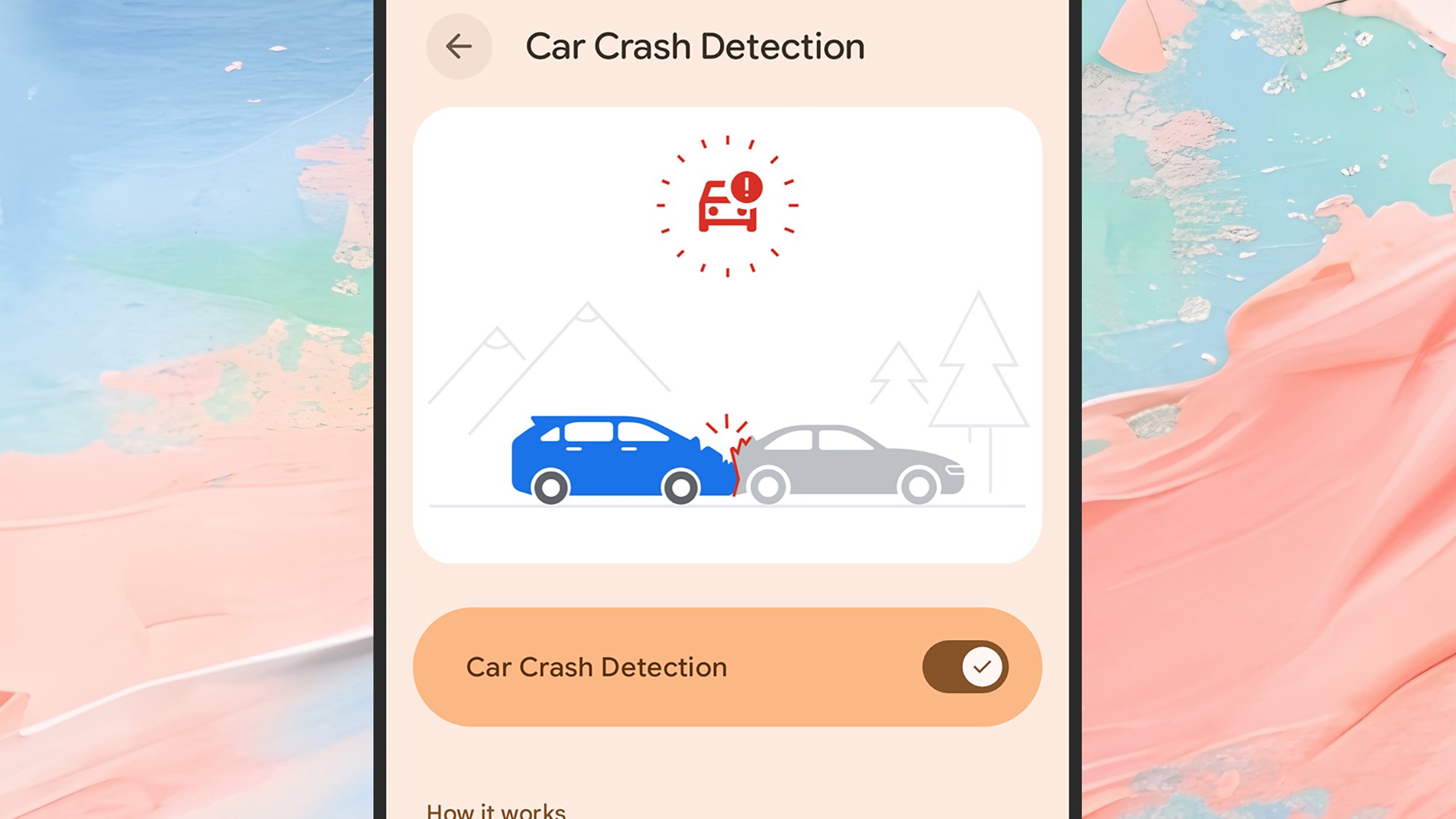
The iPhone’s "Check In" feature, introduced in recent years, addresses the safety needs of individuals in transit. By setting a duration for a trip or a specific destination, a user can automatically notify trusted contacts if they fail to arrive or respond to a prompt. This is a significant evolution from passive location tracking, as it requires active engagement to confirm safety, thereby reducing the likelihood of "false alarms" while ensuring accountability.
Apple’s crash detection, like its Android counterpart, utilizes high-G accelerometers, gyroscopes, and microphone data to identify the unique physical signature of a severe vehicle collision. When such an event occurs, the device initiates a countdown and, if not canceled, contacts emergency services with the precise GPS coordinates of the incident. This technology has been credited by multiple highway safety agencies with decreasing "golden hour" response times—the critical window following a trauma during which medical intervention is most effective.
Comparative Analysis and Technical Implications
While both operating systems offer similar core functionalities, the implementation differs in its user experience. Android’s strength lies in its "Personal Safety" app, which provides a granular level of customization for users who want to manage exactly what information is broadcasted during a crisis. Apple, conversely, focuses on the "Emergency SOS" slider and physical button combinations, which provide a tactile, reliable way to trigger an alert even when a screen may be shattered or unresponsive.
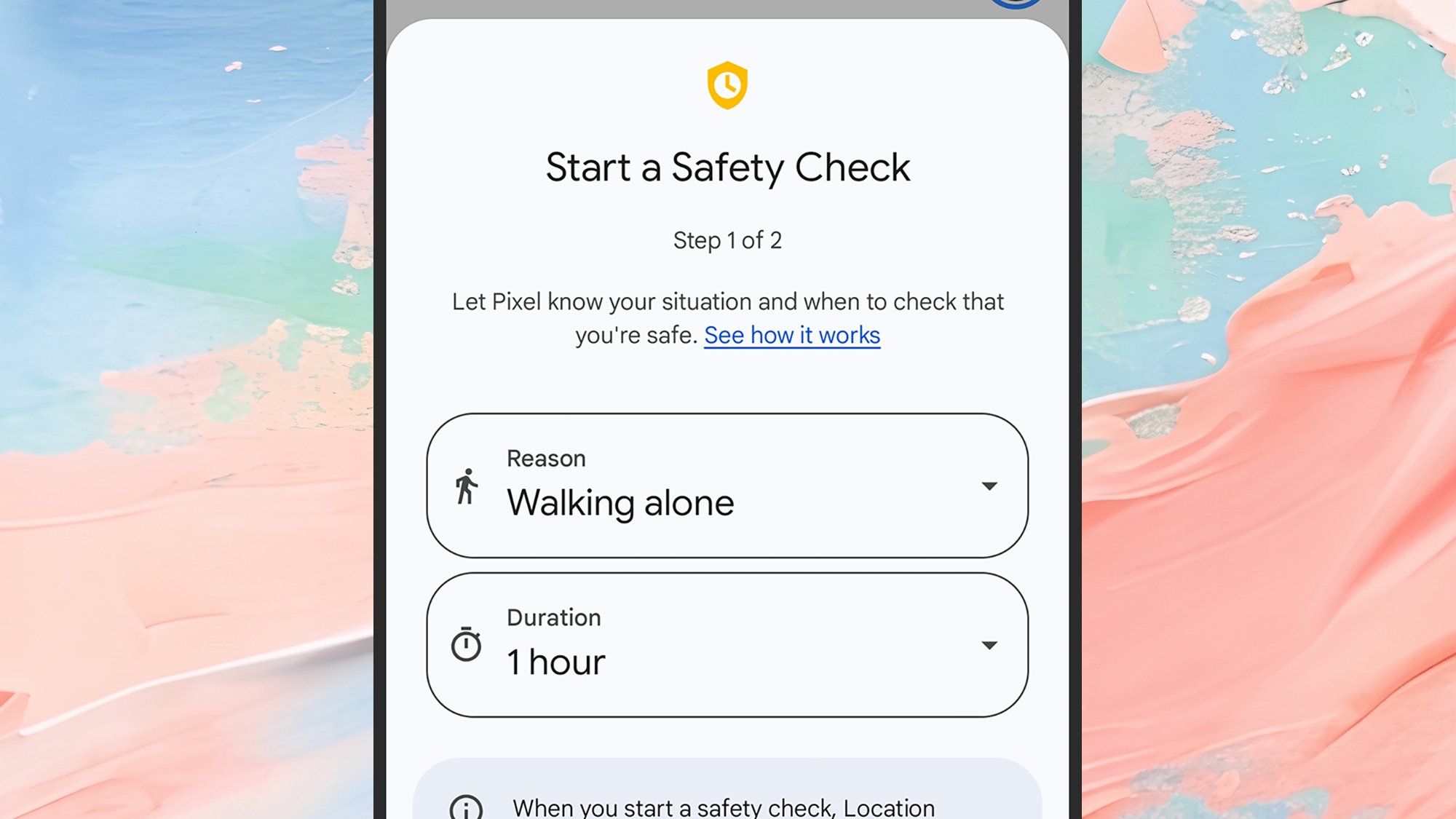
The reliance on these systems carries broader implications for public infrastructure. As more users rely on automated crash detection, emergency dispatch centers are seeing a rise in automated calls. In some jurisdictions, this has led to the development of "Automatic Crash Notification" (ACN) protocols, where dispatchers receive data packets directly from the phone, including the estimated impact force and the direction of the vehicle, which helps in triaging resources before an ambulance even arrives at the scene.
Official Responses and Best Practices
Public safety officials consistently emphasize that while these features are revolutionary, they are not a substitute for human awareness. The National Highway Traffic Safety Administration (NHTSA) and other global safety bodies recommend that users treat their phones as a secondary layer of security.
"The technology is only as effective as its configuration," notes one independent emergency technology consultant. "If the user has not updated their medical ID or defined their emergency contacts, the device is essentially a paperweight in a medical emergency."
To ensure maximum efficacy, users are advised to:
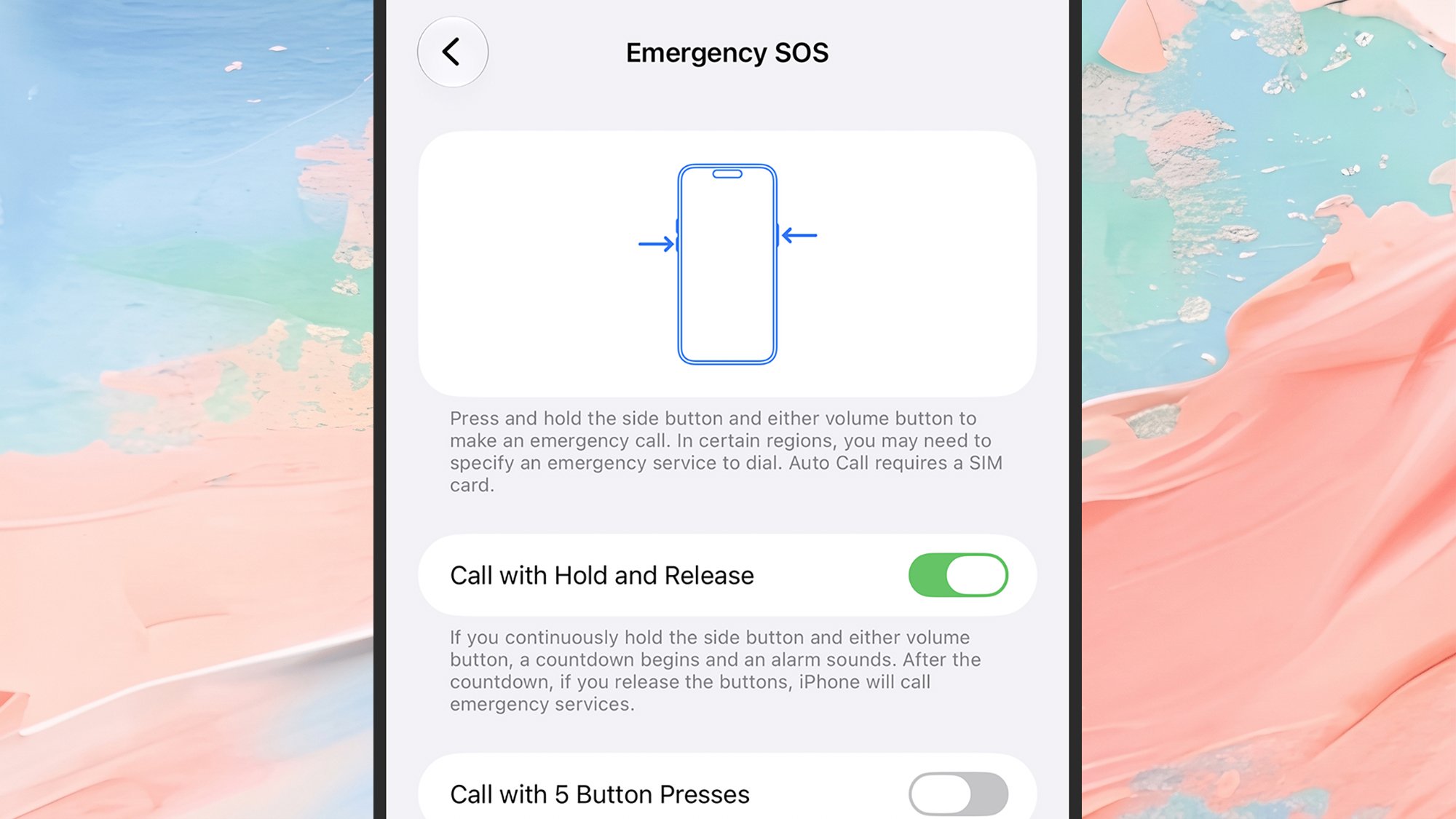
- Audit Settings Regularly: Check the "Safety and Emergency" or "Emergency SOS" settings after every major OS update to ensure new features are enabled.
- Populate Medical IDs: Keep medical information updated annually.
- Define Trusted Contacts: Ensure that emergency contacts are not only listed but are also aware they are the primary point of contact in an emergency.
- Test the Workflow: Know exactly which buttons to press or which voice commands trigger an emergency call on your specific device.
The Broader Impact: A Paradigm Shift in Survival
The democratization of these safety tools represents a fundamental change in the relationship between citizens and emergency services. In the past, reporting a disaster or an accident relied entirely on the presence of a bystander or the victim’s ability to communicate clearly. Today, the device acts as a silent witness, capable of reporting data when the user is physically unable to do so.
As we look toward the future, the integration of AI-driven voice analysis and biometric monitoring—such as heart rate variability tracking to detect shock—is the next frontier. These advancements promise to further narrow the gap between the onset of a medical emergency and the arrival of professional help.
However, the rapid adoption of these technologies also necessitates a conversation about privacy. While the benefits to physical safety are clear, the data generated by these devices is sensitive. Major manufacturers have largely moved toward end-to-end encryption for emergency data, ensuring that location pings and medical records remain private until the moment they are required for life-saving purposes.
Ultimately, the smartphone of 2026 is a sophisticated safety instrument. By moving beyond the passive use of mobile technology and proactively configuring these life-saving features, users are not just buying a phone; they are installing a personal security system that is ready to act when the unexpected occurs. The responsibility remains with the user to bridge the gap between capability and readiness.

