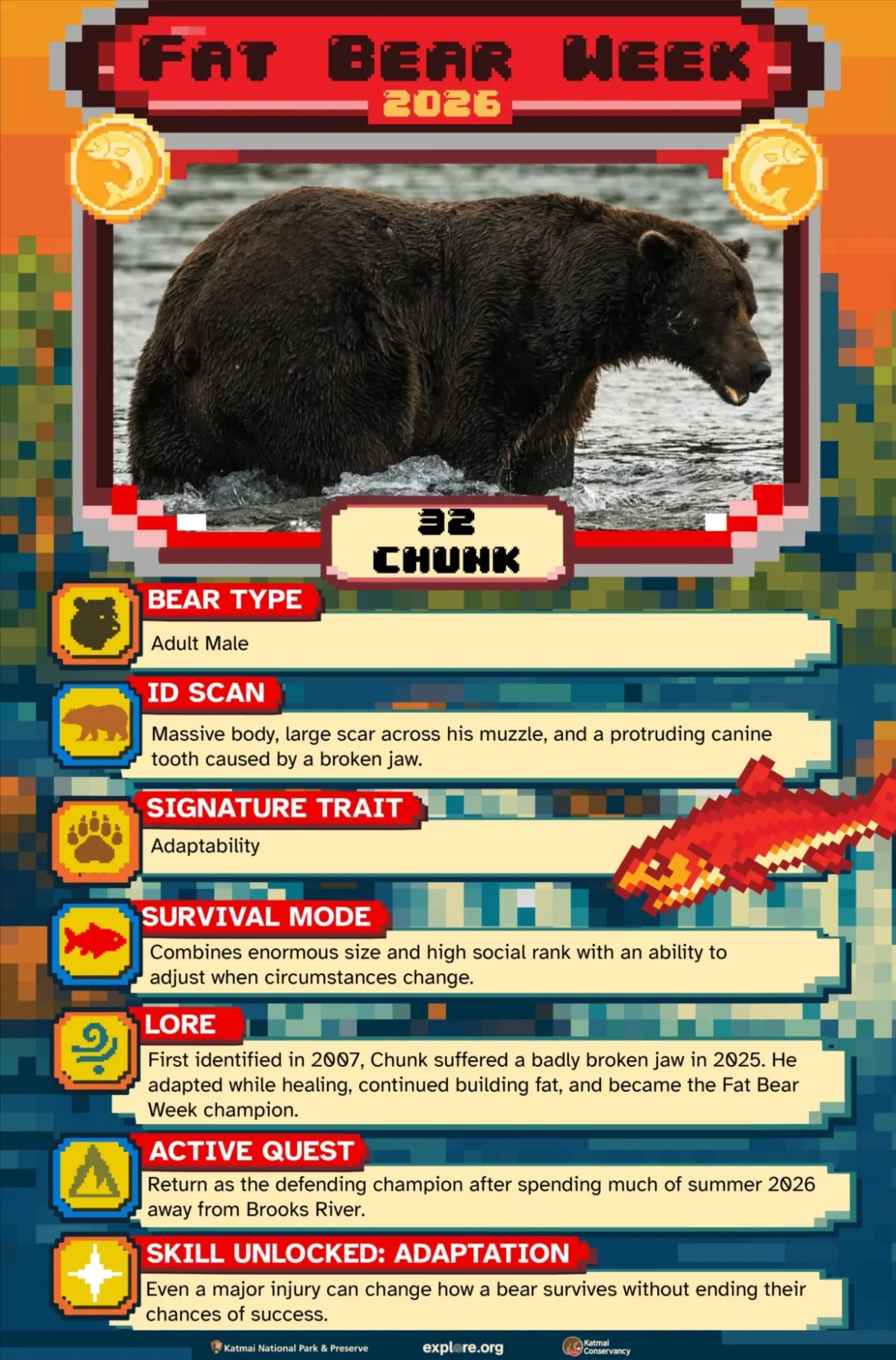
The annual celebration of ursine girth, Fat Bear Week, has reached a fever pitch in its 2026 iteration, as the contest at Katmai National Park and Preserve transitions from its initial logistical hurdles to a fierce display of competitive dominance. Following a record-breaking surge in voter engagement that temporarily overwhelmed the infrastructure of Explore.org on the competition’s opening day, the event organizers have recalibrated the schedule to ensure a fair democratic process for the thousands of global wildlife enthusiasts who participate annually. This year’s bracket has already produced significant upsets, cementing the reputation of the Brooks River as one of the most dynamic ecological arenas in the world.
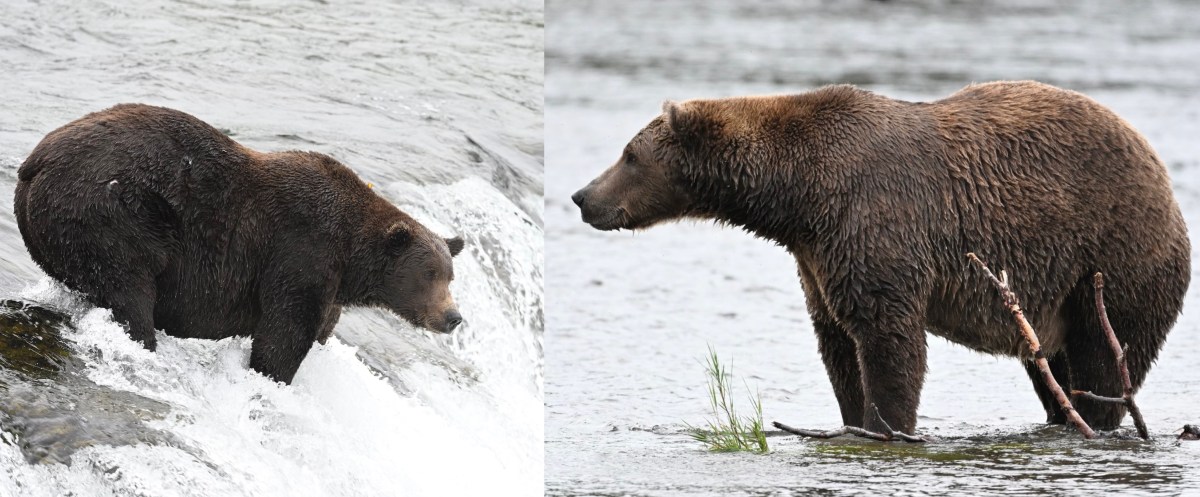
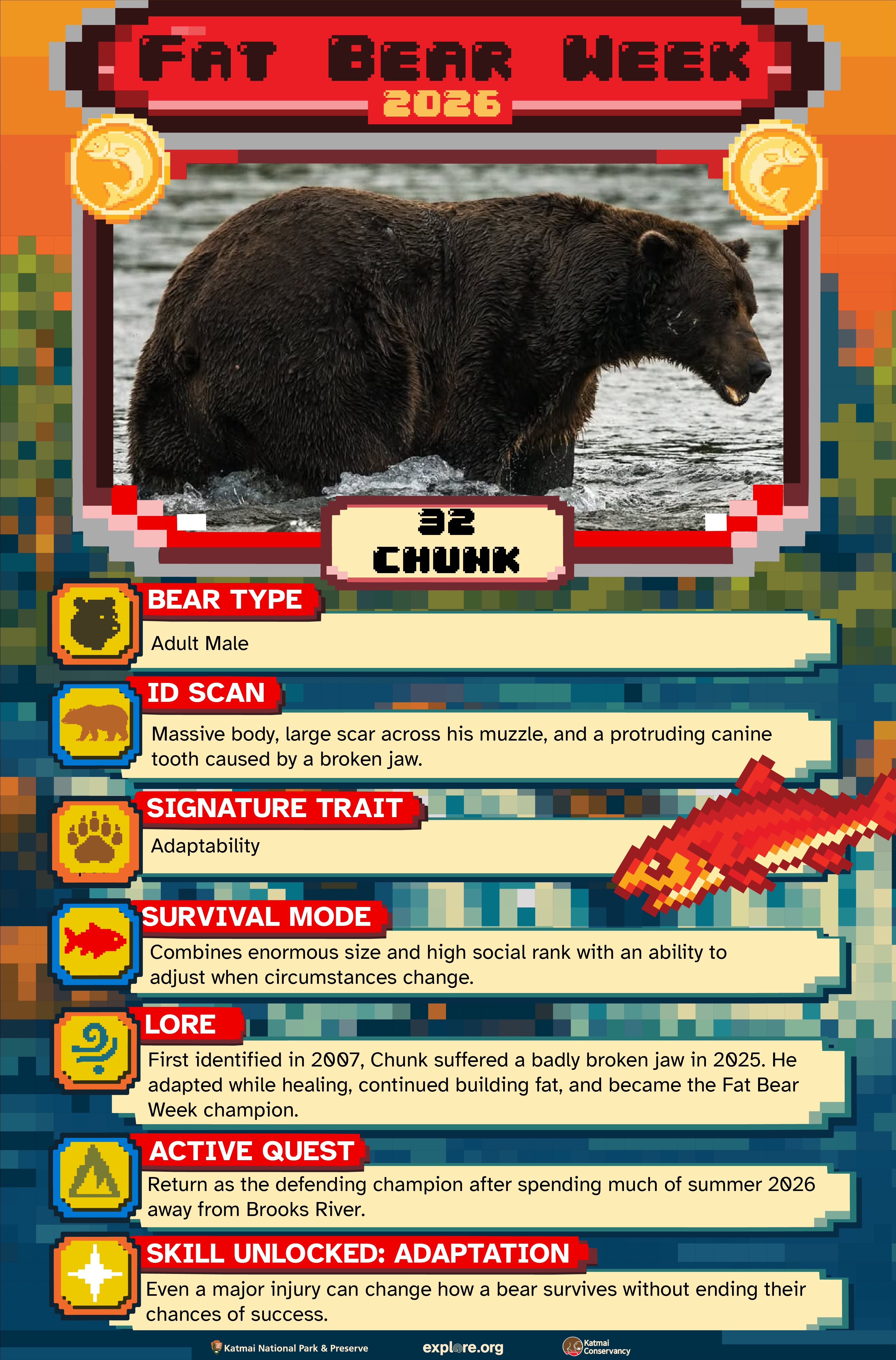
The most notable development in the latest round of voting is the definitive end of the 2025 champion’s reign. Bear #32, widely known as Chunk, failed to secure a back-to-back victory, succumbing to the rising profile of the innovative angler, Bear #164, Bucky Dent. Furthermore, the veteran powerhouse Walker, celebrated for his dominance at the Brooks Falls, successfully dispatched his challenger, the bird-hunting specialist Gully, while the next generation of subadult bears—specifically Backpack (Bear #89) and the Brady Bunch representative 620—have advanced to subsequent rounds, signaling a potential shift in the park’s long-term social hierarchy.
A Chronology of the 2026 Competition
The 2026 edition of Fat Bear Week began with unprecedented enthusiasm. On September 23, Explore.org reported that the volume of traffic to the voting portal had exceeded the system’s capacity, forcing a strategic pause in the proceedings. This delay, while frustrating for some, highlighted the growing international cultural footprint of the event. The organizers issued an immediate update, extending the first round of voting into September 23 and shifting the second part of the bracket to Thursday, September 24.
This scheduling pivot was critical to maintaining the integrity of the tournament. By September 24, the polls had stabilized, allowing the public to witness the clash between the established titans of the Brooks River and the emerging subadults who are rapidly gaining size and experience. The progression of the tournament is now set to conclude on September 29, when a singular champion will be crowned, marking the pinnacle of the salmon-fattening season in Alaska.
The Rise of Innovation: Bucky Dent vs. Chunk
The defeat of Chunk by Bucky Dent represents one of the most significant upsets in recent Fat Bear Week history. Chunk, a bear whose physical profile and history of interaction with other prominent bears like Grazer made him a household name among wildlife observers, entered the competition as the clear favorite. His 2025 victory was the result of a massive, late-season weight gain, but his performance in 2026 was hampered by a long period of absence from the park’s cameras during the summer months.
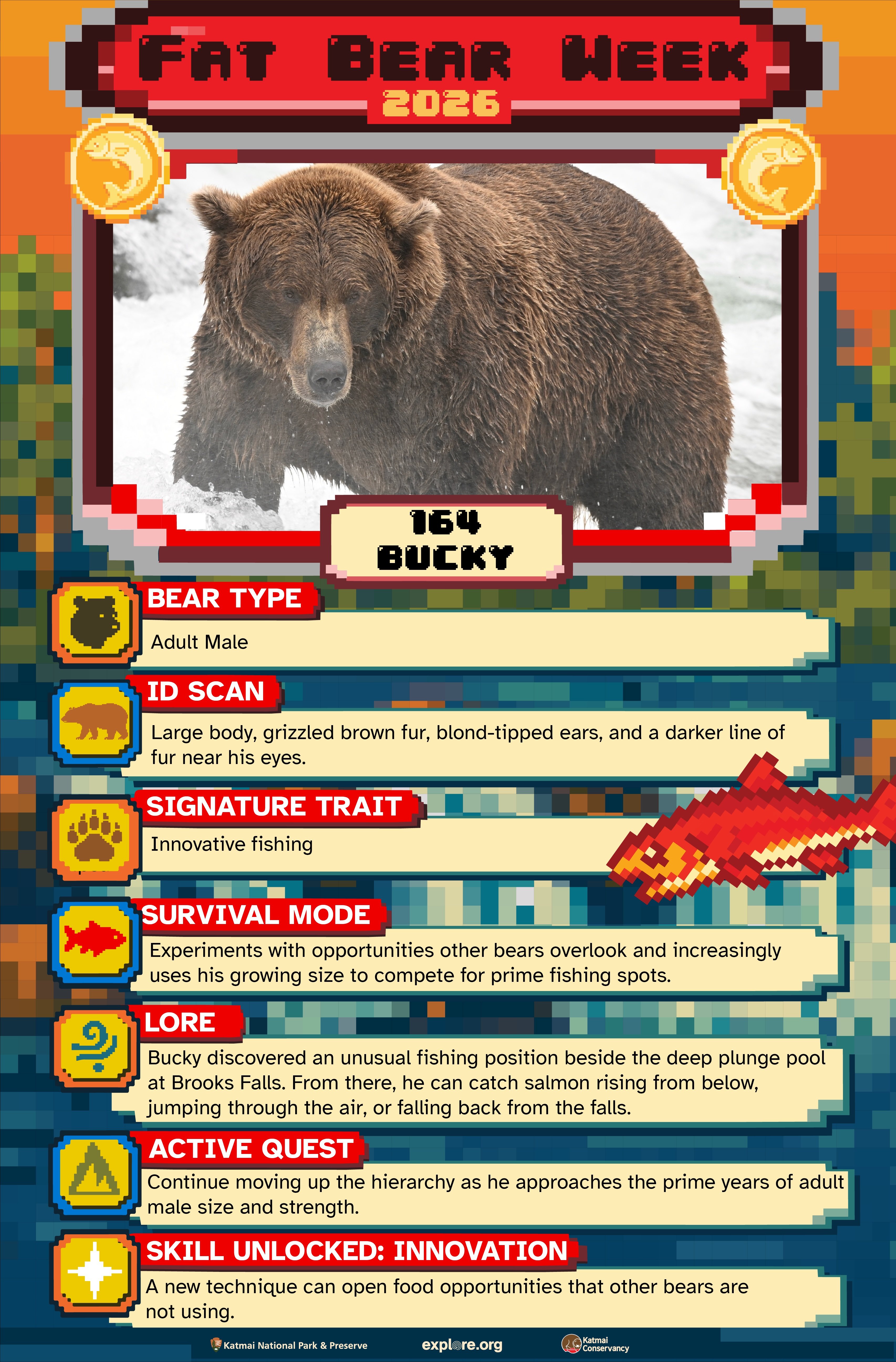
In contrast, Bucky Dent, a 7.5-year-old male, has gained traction due to his behavioral adaptability. First appearing in the Katmai region in 2019, Bucky Dent faced the classic challenges of a subadult bear: limited access to prime fishing locations and intense competition from older, larger males. His solution—a pioneering technique of positioning himself in the deepest plunge pools under the Brooks Falls to intercept fish falling from the ledge—demonstrates a level of cognitive flexibility often overlooked in large predators. His advancement suggests that voters are increasingly favoring "innovation" and "resourcefulness" alongside sheer physical mass.
Tactical Dominance: The Case of Walker and Gully
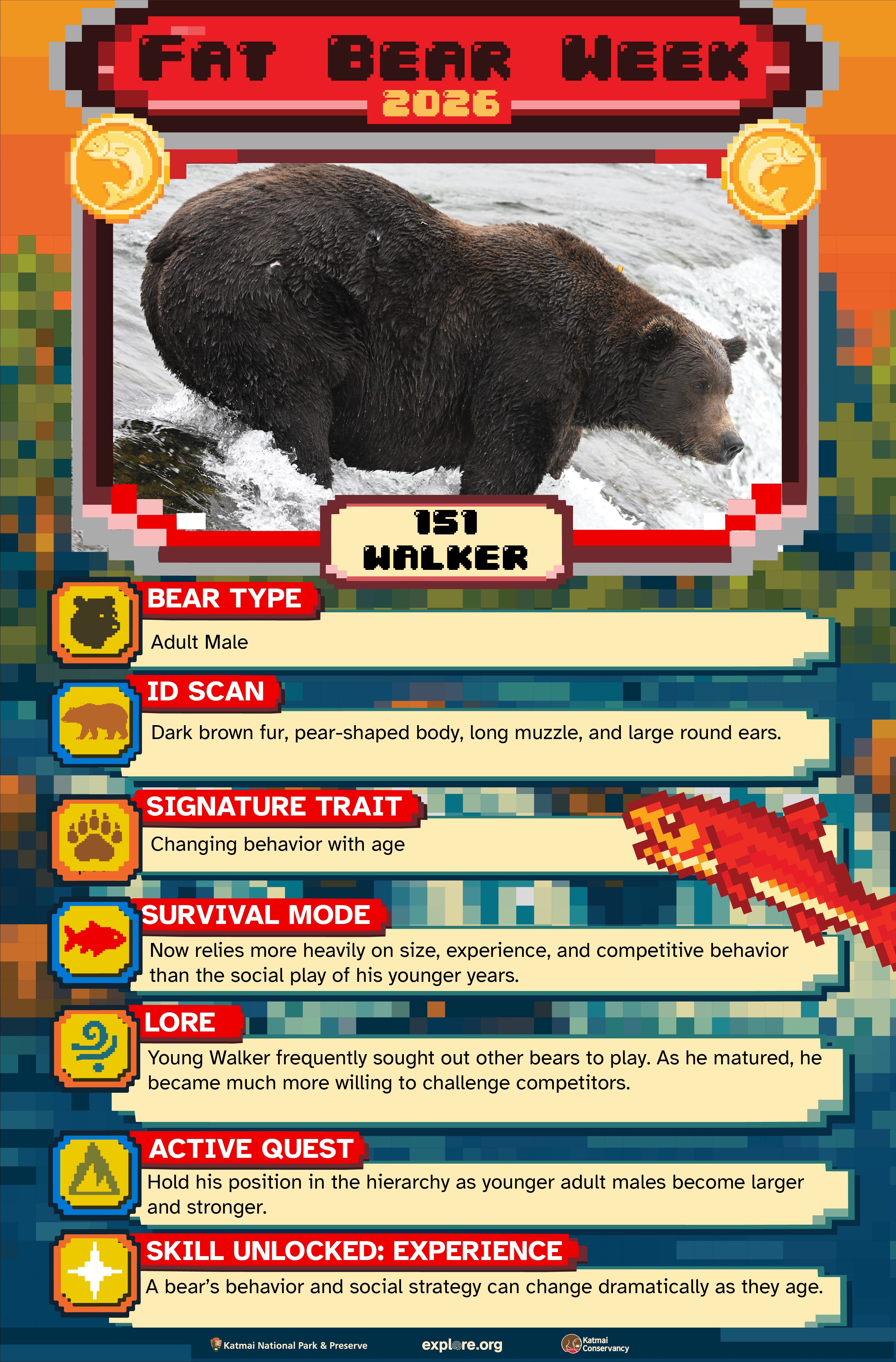
In the heavy-weight division of the bracket, the confrontation between Walker (#151) and Gully (#903) offered a masterclass in behavioral ecology. Walker, a fixture of the Brooks River since 2009, has long been characterized by his "chill" demeanor and steady, consistent fishing habits. Often compared to a reliable regular at a local establishment, Walker has evolved from a playful subadult into a dominant force that commands respect at the falls.
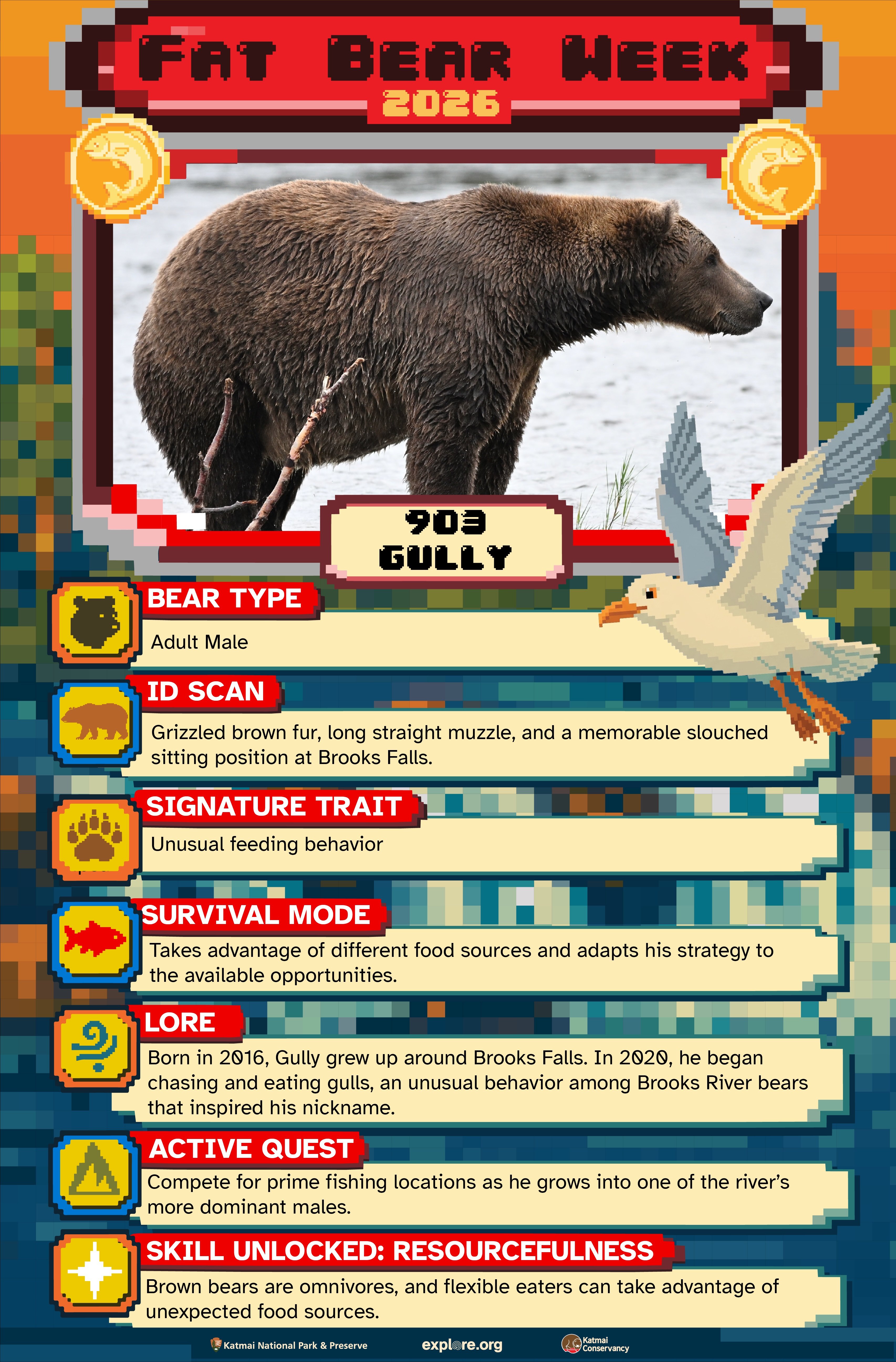
Gully, conversely, represents a more aggressive style of foraging. As an offspring of the celebrated two-time champion Grazer, Gully has inherited both a high level of confidence and a specialized dietary habit: hunting gulls. This opportunistic behavior has enabled him to maintain a high caloric intake even when salmon runs are contested. The decision by voters to advance Walker over Gully underscores the preference for seasoned, long-term residents who have successfully navigated the complexities of the Brooks River hierarchy for over a decade.
The Subadult Contingent and the Future of Katmai
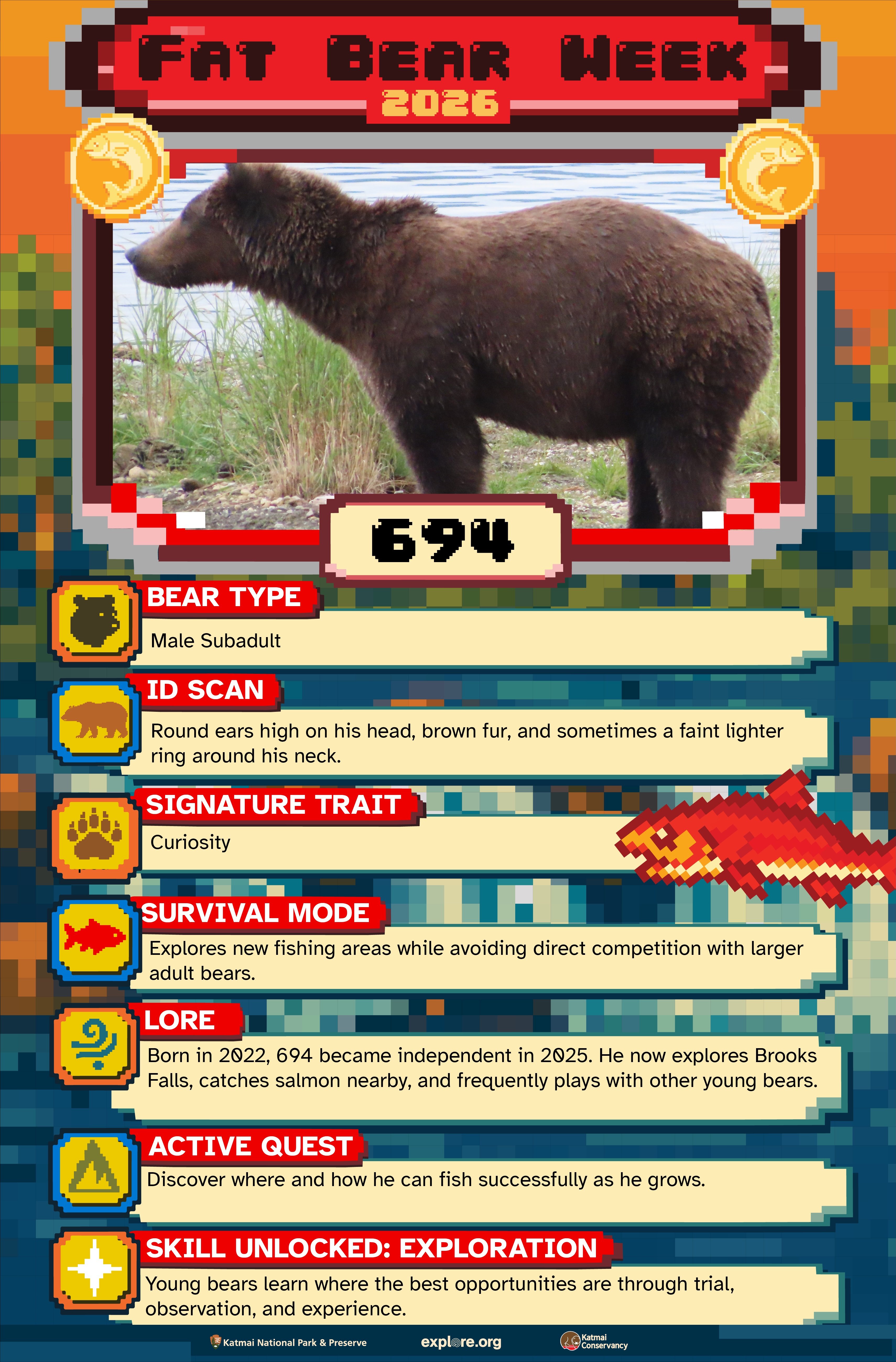
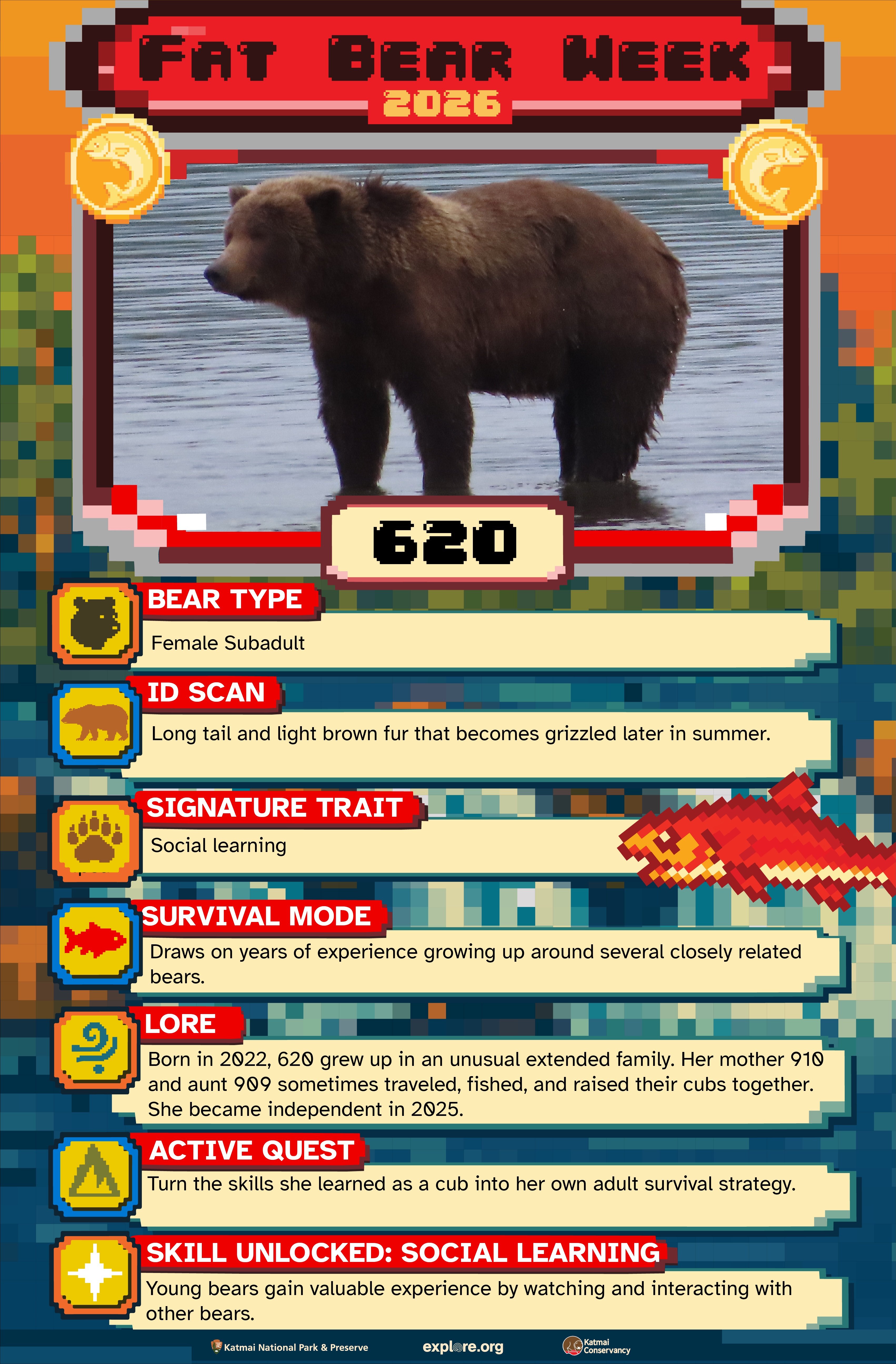
While the heavyweights often capture the spotlight, the inclusion of subadult bears—such as the Brady Bunch member 620 and the survivor Backpack—is essential for understanding the future trajectory of the population. The "Brady Bunch" family, formed when Bear #910 merged her lineage with her sister’s (Bear #909) in a rare display of communal social structure, has become a focal point for researchers. Bear 620’s advancement in the tournament reflects the public’s fascination with these unique family dynamics.
Similarly, the narrative of Backpack (#89) serves as an inspiration for many. Having overcome a debilitating leg injury as a yearling—an injury that would have likely been fatal in more precarious environments—his survival is a testament to the support of his mother, Bear #435 (Holly), and his own resilience. His preference for "quiet strength" over overt aggression distinguishes him from his peers and has clearly resonated with a voter base that appreciates strategic, low-conflict survival methods.
Ecological Context and Data-Driven Conservation
The implications of Fat Bear Week extend far beyond the entertainment value of selecting the "fattest" bear. The event serves as a massive, real-time data collection effort regarding the health of the Bristol Bay salmon ecosystem. Each year, park biologists and rangers utilize the imagery from the bear cams to monitor individual weight gain, which serves as a proxy for the overall productivity of the salmon run.
According to data from the National Park Service, the ability of these bears to gain significant body mass before the onset of winter is directly linked to the health of the salmon stocks returning to the Brooks River. A successful, heavy bear is an indicator of a successful, healthy river system. Therefore, the engagement generated by Fat Bear Week provides critical financial support for the Katmai Conservancy. The "Otis Fund," named in honor of the legendary four-time champion, has seen significant contributions during this year’s tournament, with Explore.org matching donations made between September 22 and October 3.
Official Responses and Public Engagement
The administrative team behind Fat Bear Week has maintained a high level of transparency regarding the technical difficulties experienced during the opening round. By acknowledging the record-breaking turnout, they have effectively turned a technical failure into a testament to the event’s popularity.
"We are seeing a level of engagement that speaks to a global desire for conservation-focused education," a representative from the Katmai Conservancy noted in a recent bulletin. The shift in the voting schedule was handled with a focus on fairness, ensuring that the delay did not penalize any specific bear’s bracket. The organizational agility displayed by the park staff and Explore.org partners has been praised by wildlife advocates who view the competition as a vital bridge between the scientific community and the general public.
Implications of the 2026 Tournament
As the tournament progresses, the central question remains: what does a winner signify in the context of the 2026 environmental climate? With climate patterns shifting and affecting the timing of salmon migrations, the bears of Katmai are being forced to adapt. The success of bears like Bucky Dent, who utilize innovative fishing techniques, suggests that the most successful individuals in the future will be those who can best adapt to changing environmental variables.
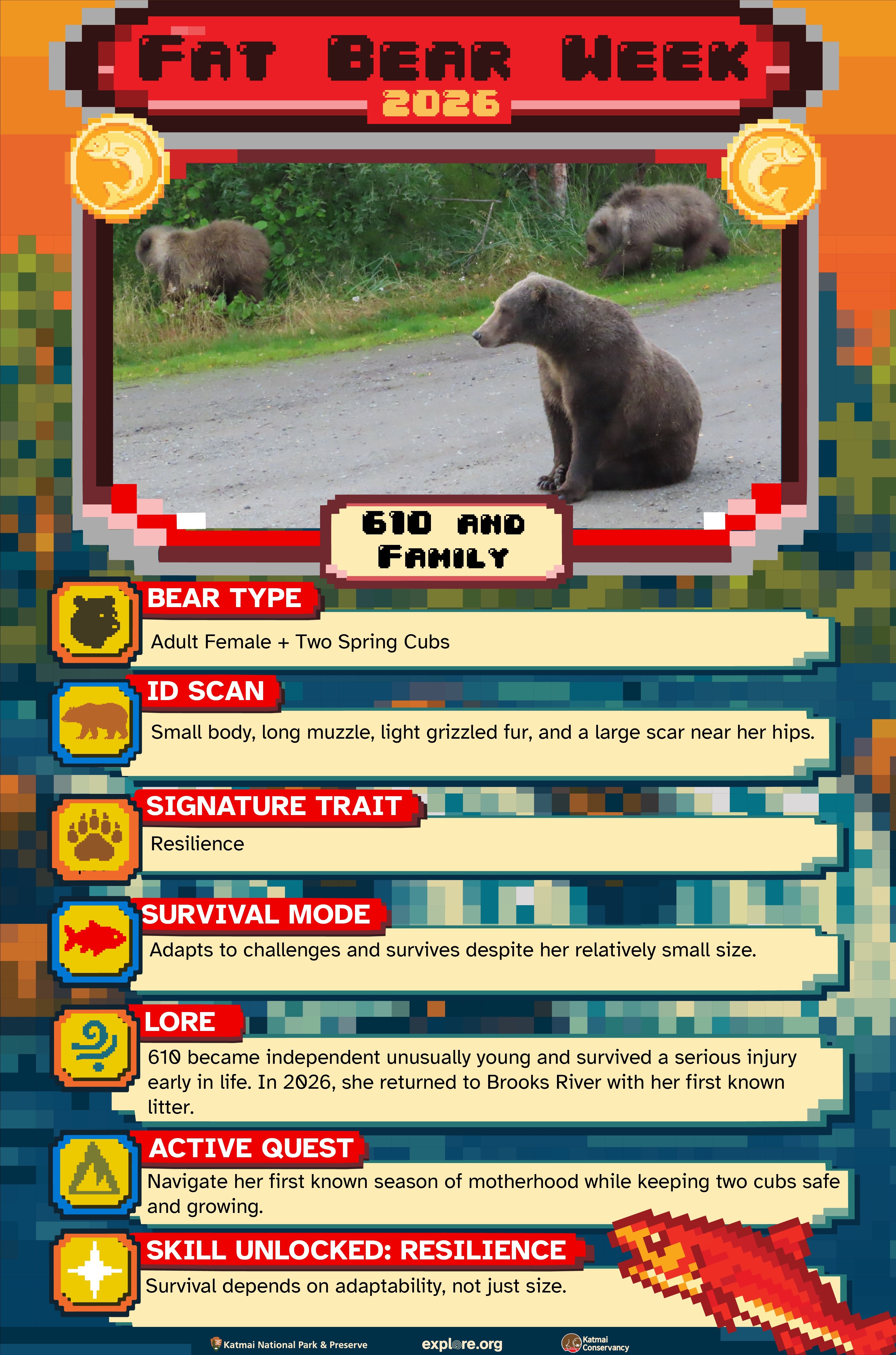
Furthermore, the public’s continued interest in the life histories of these bears—from the tragedy of lost cubs to the resilience of injured yearlings—fosters a deeper, more empathetic connection to the wilderness. This emotional investment is the backbone of modern conservation efforts. By humanizing the bears through these bracket-style competitions, the event ensures that the protection of the Katmai National Park and Preserve remains a priority for a global constituency.
As the final rounds approach, the competition is expected to intensify. The remaining contenders represent a diverse cross-section of the Brooks River population, each with their own survival strategies, histories, and unique place in the complex social fabric of the park. The crowning of the 2026 champion on September 29 will be more than just a victory for an individual bear; it will be a celebration of an ecosystem that continues to thrive against the odds, providing a necessary sanctuary for one of nature’s most iconic apex predators. The legacy of the competition is firmly established, and the record-breaking participation this year confirms that the world remains deeply invested in the survival and success of these Alaskan giants.