
The concept of a vacation is rarely a universal experience, as it is fundamentally shaped by geography, climate, and the socio-technical infrastructure of a nation. In Indonesia, the world’s largest archipelago, the rhythm of leisure is dictated largely by the tropical monsoon cycle. During peak periods such as the year-end holidays, Christmas, New Year, or the Eid al-Fitr festivities, millions of citizens gravitate toward natural landmarks, including volcanic peaks, ancient temple complexes like Borobudur, and the vast coastlines of Bali and Lombok. The primary logistical constraint for the Indonesian traveler is the rain; the arrival of the wet season brings significant risks, including landslides, flash floods, and hazardous maritime conditions, leading a majority of tourists to favor the dry season for its predictability and safety.
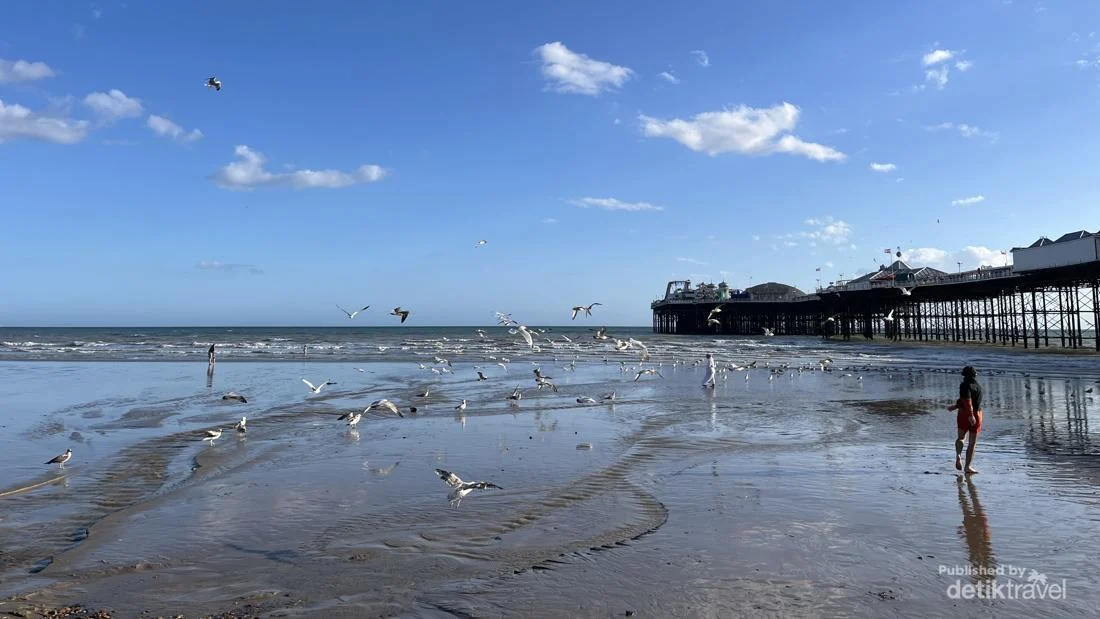
Conversely, in the United Kingdom, and specifically in the coastal city of Brighton, the holiday experience is governed by a completely different set of environmental and biological variables. While an Indonesian traveler might seek shade from the relentless 35-degree Celsius heat, a resident of the United Kingdom views the emergence of the sun as a rare and precious commodity. This divergence in behavior highlights the profound impact of local environments on human social patterns. In Brighton, a city famed for its pebble beaches and bohemian atmosphere, the challenges of a vacation are not found in the threat of a monsoon, but rather in the aggressive behavior of the local avian population and the nuances of a highly integrated public transportation network.
Meteorological Influences on Social Behavior
To understand the vacation culture in Brighton, one must first examine the climatological context of the British Isles. Unlike the relatively consistent day-night cycles and temperatures of equatorial Indonesia, the UK experiences four distinct seasons, with winter often characterized by "grey skies" and limited daylight. Data from the UK Met Office suggests that many parts of the country receive fewer than 1,500 hours of sunshine per year, a stark contrast to the nearly 3,000 hours enjoyed in many parts of Indonesia.
This scarcity creates a psychological and physiological phenomenon often referred to as "sun-seeking." When temperatures rise above 20 degrees Celsius—a temperature that many Indonesians might consider chilly or "mild"—the British public flocks to outdoor spaces. The physiological need for Vitamin D, combined with the psychological lift provided by serotonin production in response to sunlight, turns every sunny day into a spontaneous public event. In Brighton, the "Lower Promenade" and the sprawling lawns of the Royal Pavilion become densely packed with locals, international students, and the Indonesian diaspora, all eager to absorb the warmth that is so often absent during the winter months.
In Indonesia, the relationship with the sun is more adversarial. High humidity and a high UV index mean that outdoor activities are often scheduled for the early morning or late afternoon. The "stay indoors" mentality is a survival mechanism against heatstroke and dehydration. In Brighton, the opposite is true; the indoors are a reminder of the long, dark winter, and the outdoors represent a fleeting opportunity for revitalization.
The Avian Conflict: Seagulls as a Tourism Variable
While Indonesian tourists might worry about the sudden onset of a tropical downpour ruining a picnic, visitors to Brighton face a more sentient adversary: the European Herring Gull (Larus argentatus). These birds, which serve as the mascot for the local Premier League football club, Brighton & Hove Albion, have evolved from seaside scavengers into highly efficient "urban hunters" with a specific focus on human provisions.
The phenomenon of "seagull mugging" has become a documented concern for local authorities and a staple of the Brighton tourist experience. Unlike the relatively shy wildlife found in Indonesian national parks, Brighton’s seagulls exhibit a lack of fear toward humans. This behavior is attributed to "kleptoparasitism," a foraging strategy where one animal takes food from another. In Brighton, this has been exacerbated by the high density of "walk-away" food outlets serving fish and chips, ice cream, and burgers.
Eyewitness accounts from residents and visitors illustrate the severity of the issue. Incidents of seagulls snatching food directly from the hands of pedestrians are common. In one notable observation near the Jubilee Library, a diner distracted by a mobile phone call lost an entire meal to a gull in a matter of seconds. More concerning are the reports of physical injury; a student named Alma recounted an instance where a tourist’s hand was lacerated by a gull’s beak as it dove for a sandwich. This aggression has prompted a variety of responses, from warning signs posted by the Brighton & Hove City Council to social media campaigns advising tourists on how to "gull-proof" their lunch.
The economic implications are also noteworthy. Local vendors often have to replace meals stolen by birds to maintain customer satisfaction, adding an "avian tax" to the cost of doing business. Furthermore, the birds have been known to enter retail establishments. Viral footage on platforms like TikTok and YouTube frequently depicts seagulls walking into convenience stores and exiting with bags of crisps, demonstrating a level of cognitive mapping and boldness that surprises those accustomed to more docile urban wildlife.
Transportation Infrastructure and the Logistics of Leisure
A second major point of divergence between the Indonesian and British holiday experience lies in the realm of mobility. In Indonesia, the private vehicle remains the undisputed king of tourism. Whether it is a family car, a motorcycle, or a chartered minibus, the preference for private transport is driven by a lack of comprehensive "last-mile" public connectivity in many rural or mountainous tourist destinations. This reliance on private transport leads to the infamous "macet" or traffic congestion that plagues routes to Puncak, Bandung, or the coastal roads of Bali during long weekends. Finding parking becomes a central stressor for the Indonesian traveler, often dictating the timing and destination of the trip.
Brighton offers a starkly different logistical model. As a city designed with a high degree of walkability and integrated into the national rail network, the necessity for a private vehicle is significantly reduced. The Brighton Main Line connects the city to London Victoria and London Bridge in approximately one hour, allowing for a massive influx of "day-trippers" who arrive without cars.
Once in the city, the Brighton & Hove Bus and Coach Company operates one of the most efficient bus fleets in the country, with many routes running 24 hours a day. The city’s infrastructure also prioritizes cycling and pedestrian movement, particularly along the seafront. For the international visitor, this creates a sense of freedom; the "challenge" is not finding a parking spot, but navigating the train schedule or ensuring one has a contactless payment method for the bus.
This difference in transportation philosophy has profound implications for urban planning and environmental impact. While Indonesia is currently making strides in public transit—with the expansion of the KAI rail network and the introduction of the Jakarta MRT—the cultural shift away from private car ownership for leisure remains in its early stages. In Brighton, the "car-free" holiday is not just a possibility but often the preferred method, reducing the city’s carbon footprint and alleviating the pressure on its historic, narrow streets.
Comparative Analysis of Tourism Challenges
When analyzing these two distinct holiday environments, it becomes clear that "convenience" is a subjective term. In Indonesia, convenience is defined by the ability to control one’s environment—using a private car with air conditioning to navigate the heat and having the flexibility to change plans based on the weather. The challenges are external and environmental: rain, heat, and traffic.
In Brighton, convenience is defined by accessibility and integration. The challenge is behavioral and social: managing the aggressive local wildlife and timing one’s activities to coincide with the unpredictable appearance of the sun. The "pencuri bersayap" or winged thieves of Brighton represent a unique intersection of nature and urban life that requires tourists to be constantly vigilant, a sharp contrast to the more relaxed, if occasionally rain-soaked, picnic culture in Indonesia.
Furthermore, the role of the international community in Brighton adds a layer of cultural synthesis. Students from Japan, such as Soske, and members of the Indonesian diaspora find themselves adapting to these British quirks. They learn to shield their food, to carry umbrellas even on sunny days, and to embrace the "walking culture" that is often avoided in the humid heat of Jakarta or Surabaya.
Implications for Global Tourism and Urban Management
The comparison between Indonesia and Brighton serves as a microcosm for the broader challenges facing the global tourism industry. As climate change alters weather patterns, the "safe" seasons for travel in the tropics may shift, requiring more robust infrastructure to handle extreme weather. Conversely, in temperate zones like the UK, rising temperatures may lead to even larger crowds at coastal resorts, putting further strain on public transport and increasing human-wildlife conflicts.
For urban managers in Brighton, the "seagull problem" is more than a nuisance; it is a management issue involving wildlife protection laws. The Herring Gull is a protected species under the Wildlife and Countryside Act 1981, making it illegal to harm or cull them. This necessitates innovative, non-lethal deterrents, such as the use of birds of prey (hawks) to scare them away or the installation of specialized bins that gulls cannot penetrate.
In Indonesia, the focus remains on infrastructure and disaster mitigation. Improving public transit to tourist hubs and developing "weather-proof" tourism attractions are essential for the continued growth of the sector. The Indonesian government’s focus on "10 New Balis" reflects an awareness that diversifying destinations can help manage the load on existing infrastructure and provide a variety of experiences that are less dependent on the traditional dry-season window.
Conclusion
Ultimately, the act of going on holiday is an exercise in adaptation. Whether one is navigating the congested toll roads of Java during Lebaran or guarding a tray of chips from a diving seagull on the Brighton Palace Pier, the essence of the journey remains the same: a search for a change of pace and a new perspective.
The differences between Indonesia and Brighton highlight how human culture is a creative response to the environment. Indonesians have mastered the art of the "flexible itinerary," ready to pivot at the first sign of a storm. The residents and visitors of Brighton have mastered the art of "opportunistic leisure," ready to drop everything the moment the clouds part. Both locations offer unique challenges that, while occasionally frustrating, contribute to the rich tapestry of travel stories that define our global experience. As tourism continues to evolve, the ability to appreciate these nuances—from the rhythm of the rain to the bold flight of a seagull—will remain the hallmark of the seasoned traveler.

