
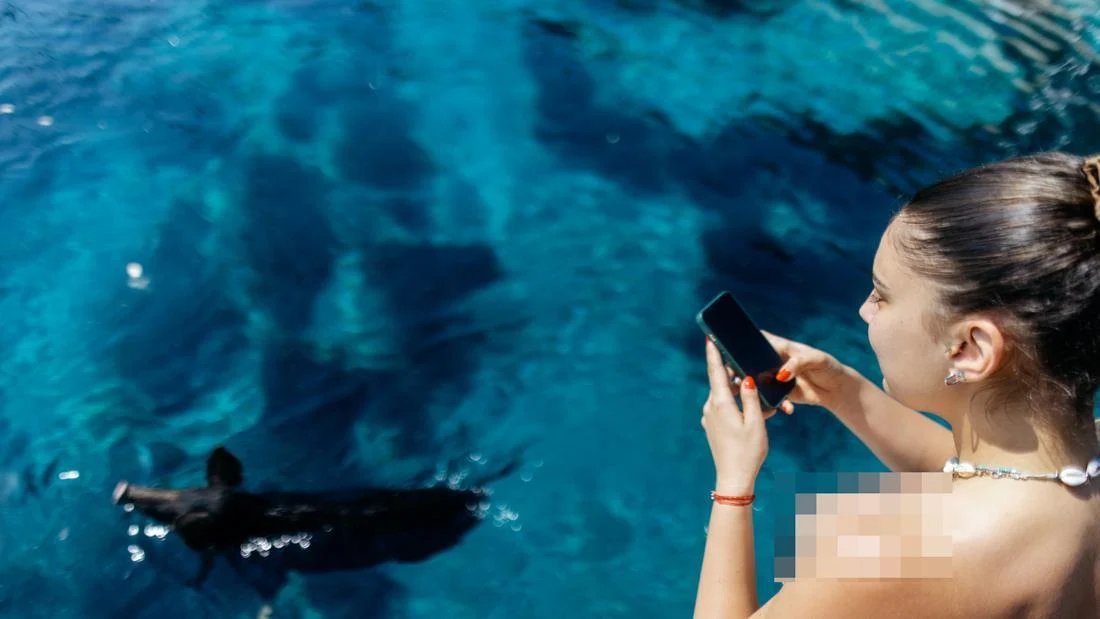
Pulau Atokos is rapidly transforming from an obscure, privately owned sanctuary into one of the most talked-about destinations in the Greek Mediterranean. Nestled within the picturesque expanse of the Ionian Islands, this small territory near Ithaca has captured global attention due to an unexpected and charming demographic: a thriving population of wild boars that regularly trade the dense inland forests for the pristine, sun-drenched coastline. While Greece is internationally renowned for its whitewashed architecture, ancient historical ruins, and iconic sunset views in places like Santorini and Mykonos, Atokos offers an entirely different kind of coastal experience—one where wildlife encounters take center stage against a backdrop of turquoise waters.
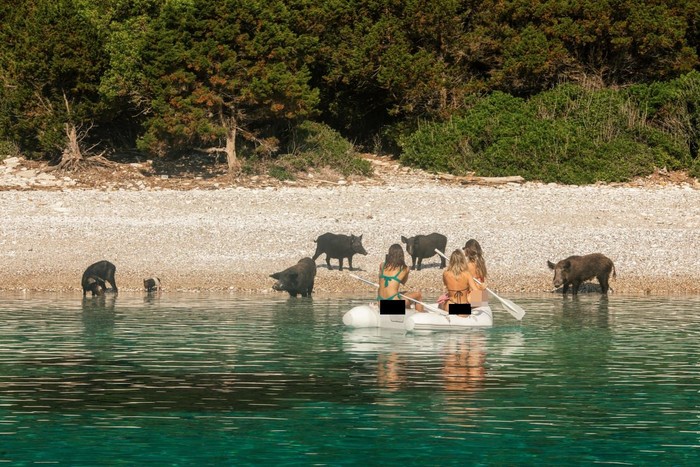
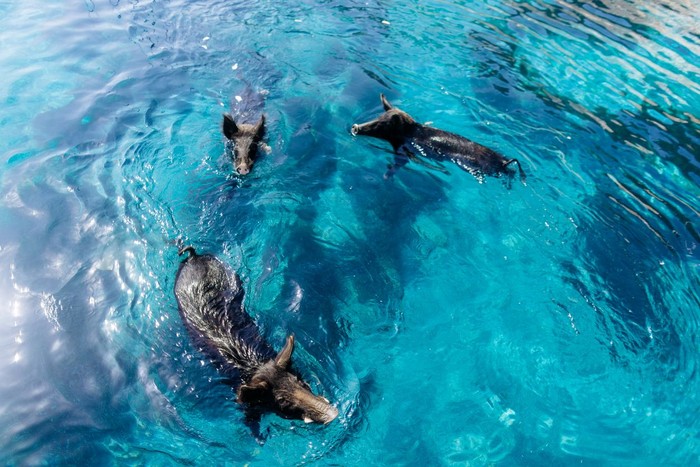
The phenomenon driving tourism to Atokos centers on the unusual behavior of its four-legged inhabitants. Unlike typical wild boars that tend to shy away from human contact and remain deep within woodland habitats, the boars of Atokos have grown remarkably accustomed to the presence of tourists and watercraft. As Mediterranean temperatures rise, particularly during the peak afternoon hours, these animals instinctively make their way down to the shoreline. Visitors lounging on the beach or anchoring in the shallows are frequently greeted by the sight of wild boars wading into the sea, swimming gracefully, or simply standing in the refreshing surf to cool their bodies. This extraordinary interaction between untamed wildlife and curious travelers has turned the island into a viral sensation across global travel platforms and social media networks.
Geographical Context and Accessibility

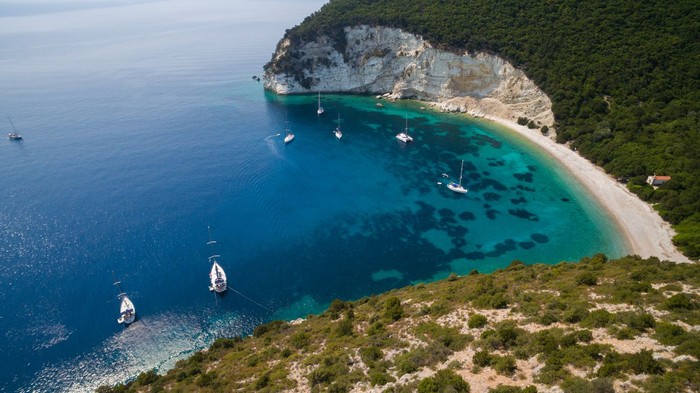
Atokos is part of the Echinades island complex, a cluster of islets within the Ionian Sea. Historically, the island has remained largely uninhabited by humans, functioning primarily as a private estate and a refuge for nature. However, the surge in digital visibility has radically altered local tourism dynamics. Situated a relatively short boat ride from more populated neighboring islands such as Ithaca and Lefkada, Atokos has transitioned from a quiet maritime secret into a mandatory stop on private yacht itineraries and commercial day-boat tours.
The logistical shift in regional tourism is palpable. Renato Bisa, a prominent tour operator who manages excursions from nearby Ithaca, notes that the exponential growth in demand has completely transformed his daily operations. Where boats once sailed to Atokos intermittently, operators now run multiple trips per day to accommodate international travelers eager to witness the swimming boars firsthand. This sudden influx of maritime traffic highlights the growing global appetite for unique, nature-based travel experiences that diverge from traditional sightseeing.

Wildlife Management and Tourist Etiquette
The increasingly social nature of the Atokos wild boars has prompted discussions among conservationists and tour operators regarding responsible wildlife tourism. While the animals are widely regarded as docile and thoroughly habituated to humans, experts emphasize that they remain wild creatures with unpredictable instincts. Because the boars do not always linger on the beaches, tour operators frequently employ specific strategies—such as bringing along fresh fruit to toss into the water—to entice the animals toward the coastline and tourist vessels.
This practice, while effective for guaranteeing sightings, has underscored the necessity of establishing clear boundaries between wildlife and visitors. Environmental and animal welfare advocates point out that feeding wild animals can lead to unnatural dependencies and potential behavioral changes. As Atokos continues to welcome higher volumes of daily visitors, local tourism authorities and boat captains are facing mounting pressure to implement sustainable guidelines that protect the island’s fragile ecosystem while still allowing travelers to appreciate its unique natural wonders.
Economic Implications for the Ionian Region
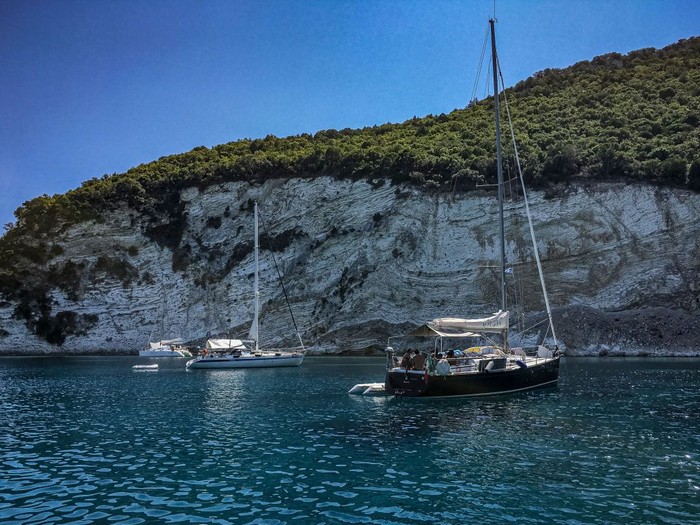
The viral popularity of Atokos carries significant economic implications for the broader Ionian island network. Traditionally, tourism revenue in the region has been concentrated in major hubs like Corfu, Zakynthos, and Kefalonia, with smaller surrounding islands serving as quiet backdrops. The rise of Atokos demonstrates the powerful economic catalyst of niche, social media-driven tourism, breathing new life into local maritime businesses, boat rental agencies, and hospitality providers in secondary ports like Ithaca.
Local businesses are capitalizing on the trend by bundling Atokos into comprehensive island-hopping packages. Tourists who previously visited the region solely for historical landmarks or culinary tourism are now extending their stays to secure a spot on boat tours heading toward the boar-inhabited shores. This diversification of regional attractions helps distribute tourist spending more evenly across smaller communities, though it also necessitates careful infrastructure planning to prevent environmental degradation in previously pristine marine zones.
Future Outlook and Conservation Challenges
Looking ahead, the long-term sustainability of Atokos as a premier wildlife destination depends heavily on balanced management strategies. Local stakeholders, regional Greek tourism boards, and environmental researchers are currently tasked with monitoring the carrying capacity of the island. Unregulated marine traffic, anchoring damage to seagrass meadows, and unregulated interaction with the wildlife pose tangible threats to the delicate ecological balance that made Atokos appealing in the first place.
Moreover, because the island is privately owned, future development rights and access policies remain subject to change. If property owners decide to commercialize the territory further or restrict public access, the current era of spontaneous wildlife tourism could face sudden limitations. For now, however, Atokos remains an enchanting anomaly in the Mediterranean—a place where the boundaries between wilderness and leisure dissolve into the clear blue waters of the Ionian Sea, offering a fleeting glimpse of nature adapting to the modern age of global travel.

