
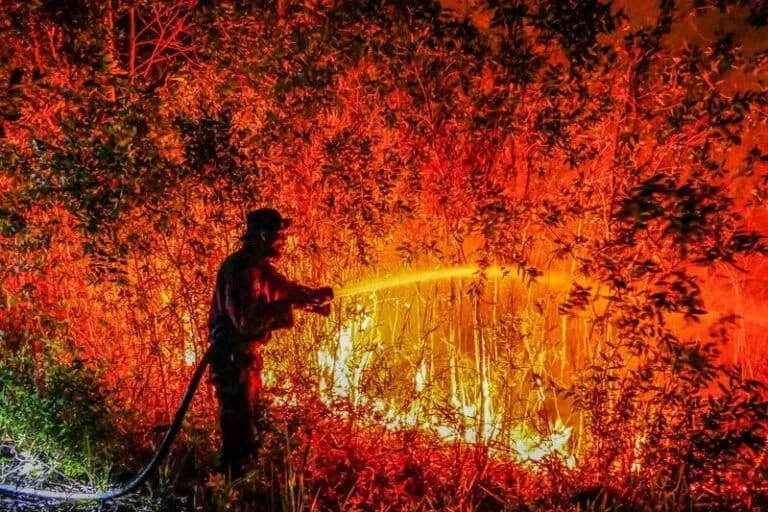
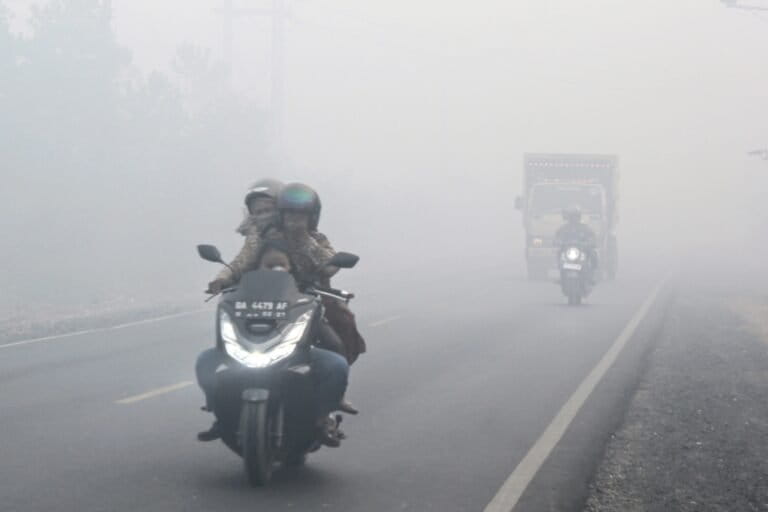
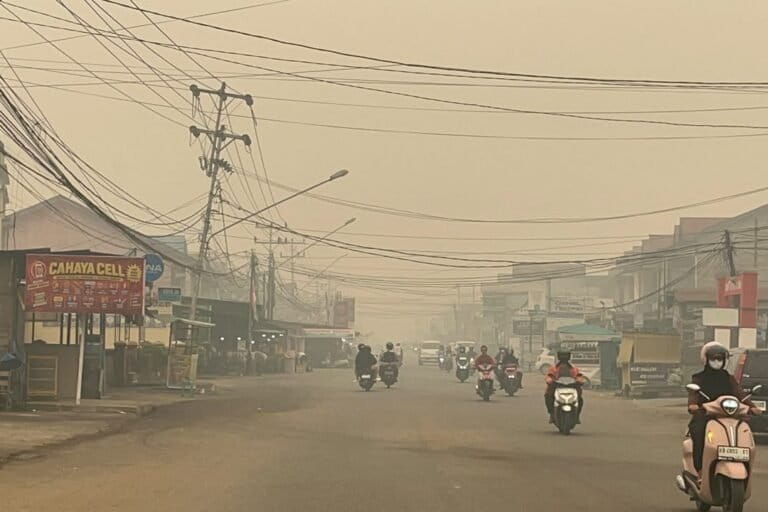
The archipelago is currently grappling with a severe environmental and public health crisis as uncontrolled forest and land fires (karhutla) continue to ravage the peatland ecosystems of Kalimantan. The situation has spiraled into a regional emergency, with tens of thousands of citizens suffering from Acute Respiratory Infections (ISPA) and hazardous smog blanketing vast swathes of the island, extending its toxic reach to neighboring nations. As of mid-September 2026, the fires remain largely unabated, exposing deep-seated vulnerabilities in land management, corporate accountability, and cross-border environmental governance.
The Human Toll: A Health Crisis in Numbers
The latest figures from the health authorities in Central Kalimantan (Kalteng) paint a grim picture of the public health landscape. With over 72,431 confirmed cases of ISPA, the healthcare system is struggling to cope with the influx of patients. Palangkaraya stands as the epicenter of the crisis, reporting 16,166 cases, followed closely by Kotawaringin Barat with 12,467, and Kotawaringin Timur with 7,982.
Medical experts and advocacy groups warn that the particles emitted from peat fires are significantly more hazardous than standard urban pollution. According to data from the Center for Indonesia’s Strategic Development Initiative (CISDI), these particulates are ten times more damaging to the developing lungs of children. Vulnerable populations—including infants, pregnant women, the elderly, and those with pre-existing conditions like asthma—are at the highest risk of long-term pulmonary damage and developmental interference. The lack of sufficient "safe houses" and adequate respiratory protection in the most affected villages has left millions to endure the smog in their own homes, which offer little sanctuary from the fine particulate matter (PM2.5) that permeates indoor spaces.
Chronology of the 2026 Conflagration
The current surge in fire activity follows a pattern of environmental degradation that has been intensifying since the start of the year. From January to June 2026, the Yayasan Auriga Nusantara documented a staggering 190,546 hectares of scorched land—a footprint equivalent to two-and-a-half times the landmass of Singapore.
The emergency reached a tipping point on August 31, when local authorities declared a state of "Emergency Response" for karhutla. Despite the mobilization of over 2,000 joint personnel, the fires have not only persisted but worsened. The government’s decision to deploy thousands of Civil Servants (ASN) for fire-suppression duties has been met with skepticism. Critics, including local environmental watchdog WALHI, argue that personnel without specialized training or personal protective equipment (PPE) are being sent into high-risk environments, raising concerns about both the efficacy of the response and the safety of the responders themselves.
Peatlands and the Myth of Restoration
A significant portion of the burning occurs in Peat Hydrological Units (KHG). These areas are critical carbon sinks; however, they have become the most volatile fuel sources during the dry season. Greenpeace Indonesia has noted that many of the areas currently on fire are locations that were targeted for restoration efforts between 2016 and 2020. This raises a fundamental question about the durability and effectiveness of past government initiatives. If land that has undergone intensive restoration is still prone to catastrophic burning, it suggests that the underlying structural causes—such as drainage and the alteration of the water table for industrial agriculture—have not been addressed.
Regional Contagion: The Transboundary Haze
The environmental impact is no longer contained within Indonesian borders. Greenpeace data indicates that between August 4 and September 6, smoke plumes have drifted across the sea to Malaysia, Singapore, Brunei Darussalam, and the Philippines. Malaysia has been particularly affected, with parts of Sarawak reporting Air Pollutant Index (API) readings exceeding 500 on September 5, a level classified as hazardous.
The Malaysian government has responded with cloud-seeding operations and stringent public health mandates, including school closures and mandatory limitations on outdoor activities. However, activists in Malaysia are pushing for a more robust approach. There is mounting pressure on the Malaysian government to hold corporations based in their own country accountable for their roles in the regional haze. Activists have held protests at the Indonesian Embassy in Kuala Lumpur, demanding greater transparency regarding the ownership and concession data of the burning land.
The New Frontier: Papua as an Emerging Epicenter
While Kalimantan has traditionally dominated the headlines regarding fire crises, the 2026 season has identified Papua as an alarming new hotspot. Pantau Gambut’s analysis reveals that 99% of the fire activity in Merauke, Papua, is concentrated within areas designated under Ministry of Forestry decree SK 591/2025. These lands have been earmarked for National Strategic Projects (PSN) focused on food and energy security.
The rapid conversion of Papua’s wetlands into industrial agricultural sites involves extensive drainage, which turns naturally moist, water-rich soil into dry, combustible material. The spike in fire activity in these areas—from 627 heat points in June to nearly 6,000 in August—suggests that the development of these projects is fundamentally incompatible with the ecological integrity of the region. Experts warn that unless these development models are re-evaluated, Papua risks becoming a permanent, recurring site of ecological disaster similar to the peatlands of Sumatra and Kalimantan.
Legal Pathways: The Power of Litigation
As the physical crisis continues, the legal framework for accountability is undergoing a significant test. Professor Andri Gunawan Wibisana of the University of Indonesia emphasizes that the existing system for holding corporations accountable is deeply flawed. The reliance on administrative sanctions, which often favor a "business-friendly" approach, has failed to act as a deterrent.
However, a new precedent is emerging through the Supreme Court Regulation (Perma) Number 1 of 2023. This regulation provides a legal pathway for citizens to sue corporations for damages related to smoke pollution, even when it is difficult to pinpoint the exact source of a specific plume of smoke. This "causality" provision is a breakthrough for victims who have previously struggled to prove that a specific company’s fire was the direct cause of their respiratory issues. Legal advocates argue that if enough civil lawsuits are filed, the financial burden of the health crisis could finally be shifted from the public sector to the private actors responsible for the land degradation.
Analysis of the Policy Failure
The persistent nature of these fires highlights a critical disconnect between national policy and field-level enforcement. Since the introduction of the Job Creation Law (UU Cipta Kerja), the emphasis on administrative penalties has effectively created a shield for large-scale operators. Criminal prosecutions, when they occur, frequently target small-scale farmers or indigenous communities rather than the corporate entities behind the large-scale land clearing.
This systemic bias in law enforcement ensures that the "big players" remain untouched while the most vulnerable are held responsible for the environmental destruction. Furthermore, the lack of transparency regarding concession maps prevents the public and regional neighbors from effectively monitoring which entities are violating fire-prevention protocols.
Implications for the Future
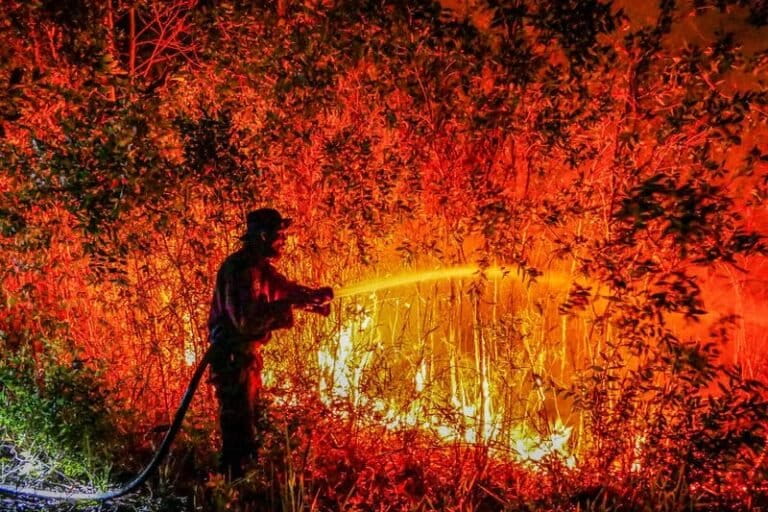
The 2026 fire season serves as a harrowing reminder that the climate and health crises are deeply intertwined. With the world moving toward more erratic weather patterns, the management of peatlands and the restriction of forest clearing must be prioritized as a matter of national security.
The international demand for accountability—specifically from neighboring countries—is likely to increase. The Indonesian government faces a dual challenge: it must address the domestic health emergency while navigating the delicate diplomatic tensions arising from the transboundary haze. Failure to act with greater transparency and stricter enforcement will not only result in further loss of biodiversity and public health but will also degrade Indonesia’s standing in global environmental governance. As the smoke continues to rise, the call for a shift toward sustainable land management is no longer a matter of policy preference; it has become a necessity for the survival of the regional ecosystem.

