
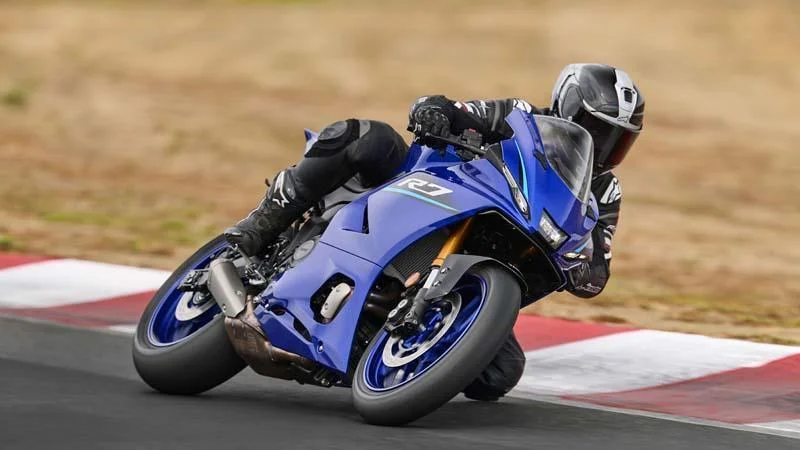
The 2026 Yamaha YZF-R7 has officially made its debut in Thailand, marking a significant evolution for the R-Series family as it bridges the gap between the entry-level YZF-R3 and the recently introduced high-performance YZF-R9. This latest iteration of the middleweight supersport machine represents a major technological leap for the platform, integrating advanced electronics previously reserved for Yamaha’s flagship liter-class motorcycles. In the Thai market, the standard 2026 Yamaha YZF-R7 is priced at 345,000 baht, approximately Rp 184 million, while the highly anticipated YZF-R7 70th Anniversary Edition, finished in the iconic Anniversary White livery, is offered at 348,000 baht, or roughly Rp 185.6 million.
Yamaha’s strategy with the 2026 R7 focuses on the concept of "accessible performance." Designed as a versatile supersport, the motorcycle aims to provide a thrilling riding experience that remains manageable for a wide range of riders. Whether navigating daily urban traffic, embarking on long-distance touring, or pushing limits during a weekend track day, the R7 is engineered to deliver a balanced synergy between power and control.
Design Evolution and the Beauty of Turning Control
The 2026 YZF-R7 introduces a refreshed aesthetic that adheres to Yamaha’s "Beauty of Turning Control" design philosophy. The fairing has been redesigned to be slimmer and more aerodynamically efficient than its predecessor, reducing drag while enhancing the bike’s agility at high speeds. The silhouette remains unmistakably part of the R-Series lineage, featuring a sharp, aggressive front fascia.
A minimalist LED headlight is recessed within the central M-shaped air intake duct, flanked by sleek LED position lights that give the motorcycle a predatory "face." The new body lines are not merely for show; they are sculpted to improve rider ergonomics, allowing for a tighter "tuck" behind the windscreen and better knee grip during cornering. This focus on narrowness is a hallmark of the R7, making it one of the most approachable supersports for riders who may find wider four-cylinder machines intimidating.
The CP2 Engine: Torquey Performance and Crossplane Heritage
At the heart of the YZF-R7 remains the celebrated 689cc CP2 engine. This liquid-cooled, DOHC, two-cylinder inline engine utilizes Yamaha’s signature crossplane crankshaft technology, featuring a 270-degree firing interval. This configuration provides a unique power delivery characterized by strong, linear torque in the low-to-mid RPM range, accompanied by a distinctive exhaust note reminiscent of a V-twin.
The 2026 model produces 73.4 PS at 8,750 rpm and a peak torque of 68 Nm. While these figures remain consistent with the engine’s reputation for reliability and punchy performance, the integration of new electronic controls has refined how that power reaches the ground. The CP2 engine is widely regarded as one of the most versatile powerplants in the motorcycling world, offering enough "grunt" to exit corners with authority on the track while remaining fuel-efficient and smooth for street use.
Technological Transformation: YCC-T and 6-Axis IMU
The most substantial upgrades for the 2026 model year are found in the motorcycle’s electronic brain. For the first time, the YZF-R7 is equipped with the Yamaha Chip Controlled Throttle (YCC-T) system. This ride-by-wire technology replaces traditional cable-actuated throttles, allowing for much more precise engine response and enabling the implementation of a sophisticated suite of rider aids.
Further elevating the R7’s performance credentials is the inclusion of a 6-axis Inertial Measurement Unit (IMU). Derived directly from the technology developed for the YZF-R1 superbike, this sensor package measures the motorcycle’s pitch, roll, and yaw, as well as acceleration in three dimensions. This real-time data allows the bike’s safety systems to intervene with extreme precision based on the lean angle and dynamic state of the motorcycle.
With the IMU as its foundation, the 2026 R7 features the Yamaha Ride Control (YRC) system. Riders can choose from five distinct riding modes:
- Sport: Maximum response and minimal intervention for aggressive riding.
- Street: Balanced power delivery for urban and highway environments.
- Rain: Softened throttle response and high intervention for low-traction conditions.
- Custom: Allows riders to manually adjust individual parameters.
- Track: Optimized for circuit use, prioritizing lap-time consistency.
These modes govern a comprehensive list of electronic features, including a multi-level Traction Control System (TCS), Slide Control System (SCS), Lift Control (LIF) to prevent unwanted wheelies, Engine Brake Management (EBM), and a Back Slip Regulator (BSR) to maintain stability during aggressive downshifts.
Circuit-Ready Features and Performance Hardware
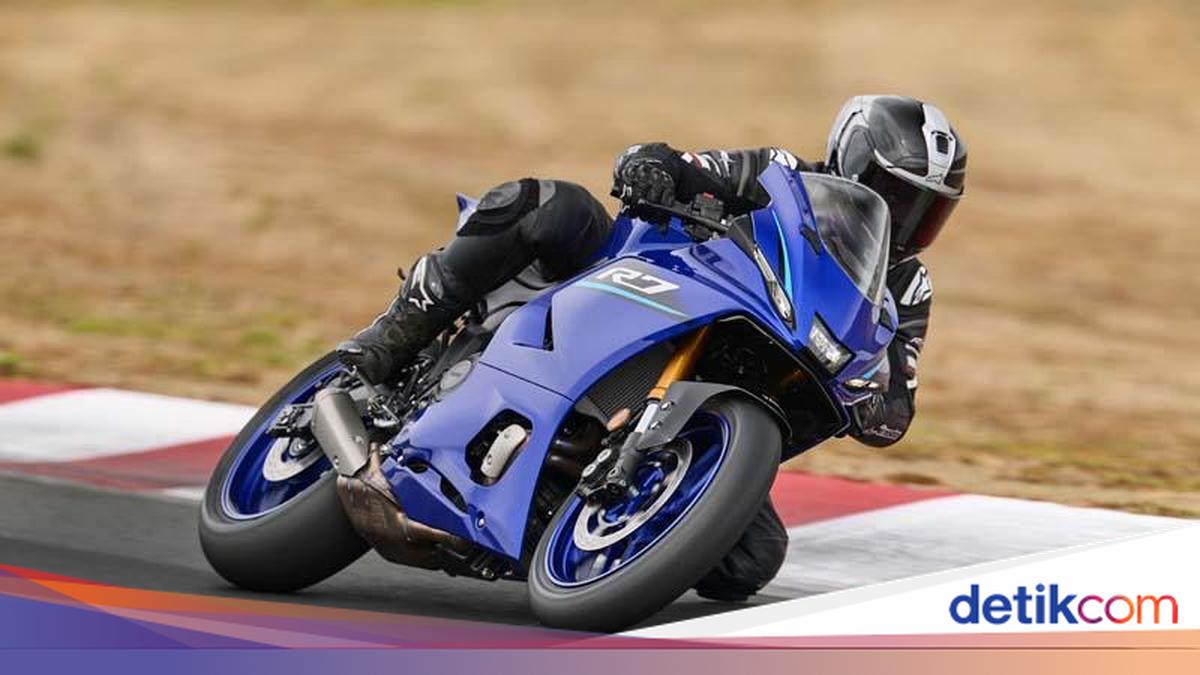
Recognizing the R7’s popularity as a track-day tool, Yamaha has included several hardware and software updates to enhance its racing pedigree. The 2026 model comes standard with a bi-directional Quick Shifter, allowing for clutchless upshifts and downshifts, which minimizes chassis disruption during gear changes. Additionally, a Launch Control system is included to assist riders in achieving optimal starts from a standstill.
For advanced riders on the track, Yamaha has introduced a "Rear ABS OFF" feature. This allows the anti-lock braking system on the rear wheel to be deactivated, enabling the rider to "back the bike into" corners—a technique often used in competitive racing. The braking hardware itself remains top-tier, featuring radial-mount front calipers and a Brembo radial master cylinder, ensuring consistent stopping power and excellent lever feel.
Connectivity and the Digital Cockpit
The cockpit of the 2026 YZF-R7 has been modernized with a new 5-inch full-color TFT display. This screen offers four different visual themes, ranging from a clean "Street" layout to a data-heavy "Track" layout that emphasizes the tachometer and lap timer. All YRC settings can be adjusted intuitively via the handlebar switchgear, with changes reflected instantly on the screen.
In terms of connectivity, the motorcycle is compatible with the Yamaha Y-Connect smartphone application. This allows riders to view phone notifications, track fuel consumption, and monitor the motorcycle’s maintenance schedule. However, the standout digital feature for enthusiasts is the Y-TRAC (Track Ride Analysis) system. Previously a premium feature, Y-TRAC enables riders to record and analyze their riding data, including lap times, throttle position, lean angles, and braking pressure. This telemetery can be reviewed on a smartphone, providing a "virtual pit board" experience that helps riders identify areas for improvement on the track.
The 70th Anniversary Edition: A Tribute to Racing History
To celebrate Yamaha’s 70th year in the industry (1955–2025), the company has released a special "70th Anniversary Edition" of the R7. This model features the legendary Anniversary White paint scheme, characterized by the iconic red "speed block" graphics that adorned Yamaha’s championship-winning Grand Prix bikes of the 1970s and 80s. Gold-finished wheels and specialized badging further distinguish this edition, making it a highly collectible option for Yamaha purists. The standard 2026 model continues to be available in the signature Icon Blue and a stealthy Midnight Black.
Market Positioning and Industry Implications
The launch of the 2026 YZF-R7 in Thailand is a strategic move by Yamaha to solidify its dominance in the middleweight segment. As global emissions standards tighten and the market for high-strung, expensive four-cylinder 600cc supersports (like the YZF-R6) becomes more niche, the industry has seen a shift toward "New Era" supersports.
The R7 competes in a crowded field that includes the Aprilia RS660, the Kawasaki Ninja 650, and the Honda CBR650R. By adding a 6-axis IMU and advanced electronics, Yamaha is positioning the R7 as a more premium and technologically advanced option compared to its Japanese rivals, while maintaining a price point that undercuts the more expensive European competition.
Industry analysts suggest that the inclusion of the IMU and YCC-T on the R7 signals Yamaha’s commitment to safety and rider education. By providing professional-grade electronics on a mid-tier motorcycle, Yamaha allows riders to grow their skills with a safety net that adapts to their progression. Furthermore, the use of Thailand as a primary launch site underscores the country’s importance as a manufacturing and consumption hub for high-performance motorcycles in Southeast Asia.
Future Outlook
The 2026 Yamaha YZF-R7 sets a new benchmark for what riders can expect from a middleweight twin. By combining the soul of the CP2 engine with the "brains" of the R1, Yamaha has created a machine that is as capable on the racetrack as it is friendly on the daily commute. As this model begins to roll out to other international markets, it is expected to bolster Yamaha’s sales in the R-Series lineup, offering a logical stepping stone for riders moving up from the R3 or those looking for a more focused alternative to the MT-07.
With the R-Series now spanning from the R15 and R3 up to the R7, R9, and the track-only R1, Yamaha’s supersport portfolio appears more cohesive and technologically integrated than ever before. The 2026 R7 is not just a motorcycle; it is a testament to how far electronic integration has come, making high-level performance more accessible and safer for the modern generation of riders.

