
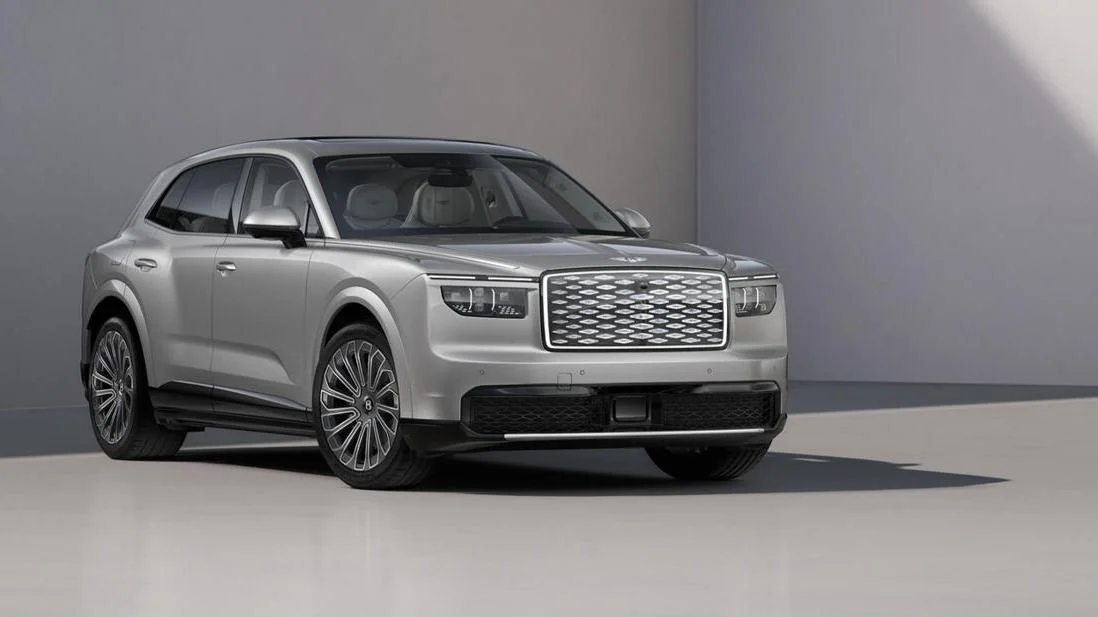
The automotive landscape is undergoing a profound transformation as legacy luxury manufacturers navigate the transition toward full electrification. Bentley Motors, a brand synonymous with combustion-engine refinement and grand touring heritage, has unveiled its latest strategy to preserve the emotional core of its vehicles in an era of silent powertrains. Central to this evolution is the introduction of the Bentley Dynamic Symphony, a bespoke acoustic signature engineered to bridge the gap between traditional mechanical character and the modern demands of electric vehicle (EV) performance.
The Engineering of Sound: Bentley Dynamic Symphony
While the absence of an internal combustion engine eliminates the harmonic vibrations traditionally associated with Bentley’s V8 and W12 engines, the company has sought to replace this void with a sophisticated artificial soundscape. The Bentley Dynamic Symphony is not merely a synthesized hum; it is a meticulously curated composition. Bentley engineers collaborated with musicians to record genuine acoustic instruments—specifically drums, viola, and bass—to create an auditory profile that mirrors the brand’s sense of occasion.
This innovation addresses a critical challenge in the luxury EV segment: the "sensory vacuum." Industry data suggests that high-net-worth buyers often associate physical feedback and sound with vehicle quality. By utilizing high-fidelity recordings of organic instruments, Bentley aims to maintain an emotional connection with the driver, ensuring that the act of accelerating feels as visceral as it does in their traditional lineup.
Comprehensive Technological Suite
Beyond the acoustic experience, the vehicle incorporates an extensive array of hardware designed to enhance both safety and convenience. The vehicle architecture is supported by a network of 25 integrated radars, advanced sensors, and high-resolution cameras. This hardware configuration serves as the foundation for the car’s Advanced Driver Assistance Systems (ADAS), enabling features such as autonomous remote parking, which allows owners to maneuver the vehicle in tight urban spaces via a smartphone interface.
The cabin environment further reflects a commitment to technological integration. The vehicle features electric-actuated doors, providing a seamless ingress and egress experience consistent with the brand’s luxury standards. Above the occupants, a panoramic roof utilizes electrochromic glass technology, allowing passengers to adjust the transparency of the overhead panel at the touch of a button. This feature is paired with a flagship Naim audio system, delivering 1,780 watts of power through a 28-speaker arrangement, effectively turning the cabin into a mobile concert hall that complements the vehicle’s synthesized exterior symphony.
A Chronology of Bentley’s Electrification Strategy
Bentley’s journey toward an all-electric future is a multi-year project underpinned by the company’s "Beyond100" strategy. The timeline of this transition illustrates a systematic shift in manufacturing and design philosophy:
- 2020: The Beyond100 Announcement: Bentley formally committed to becoming a fully electric brand by 2030. This strategy outlined a total overhaul of the Crewe, England, production facilities.
- 2021: The Hybrid Transition: The company introduced the Bentayga Hybrid, serving as a transitional product to acclimate the consumer base to electrified drivetrains while maintaining the traditional powertrain for the primary power source.
- 2022-2023: Research and Development: Significant investment was directed toward solid-state battery technology and the refinement of software-defined vehicle architectures, leading to the development of the technologies currently seen in their newest prototypes.
- 2024: Integration and Implementation: The unveiling of the Dynamic Symphony and the new suite of sensors marks the implementation phase, where luxury aesthetics are married to high-end digital infrastructure.
Data-Driven Market Positioning
The luxury EV market is currently expanding at a Compound Annual Growth Rate (CAGR) of approximately 12-15%, according to recent automotive industry forecasts. Bentley’s strategic move to prioritize sensory design is a direct response to competitor activity from brands like Rolls-Royce and Mercedes-Maybach, which have also begun to emphasize "hushed" cabin environments. However, Bentley’s decision to introduce an artificial soundscape differentiates its offering by leaning into the brand’s history of "performance art" rather than simply pursuing absolute silence.
The choice of 28 speakers and an output of 1,780 watts is significantly above the industry average for luxury vehicles, which typically range between 600 and 1,200 watts. This specification indicates that Bentley is positioning its EV not just as a vehicle, but as a lifestyle utility for audiophiles and technology enthusiasts.
Official Perspectives and Industry Reaction
While Bentley has kept specific model details under strict confidentiality, spokespeople for the brand have emphasized that the shift to electric power is an opportunity to redefine the "Bentley experience." In recent briefings, internal stakeholders noted that the objective was never to simulate the sound of an engine, but rather to create a new "language of movement."
Industry analysts have reacted positively to the integration of the 25-sensor suite, noting that the move toward a high-density sensor array is essential for compliance with upcoming autonomous vehicle regulations in the European Union and North America. By building the hardware into the current generation of vehicles, Bentley ensures that its products remain "future-proof," allowing for over-the-air (OTA) updates to improve autonomous capabilities as software evolves.
Broader Impact and Implications
The introduction of the Bentley Dynamic Symphony and the associated high-tech features has broader implications for the luxury automotive sector. First, it establishes that the identity of a premium brand is increasingly tied to digital experiences rather than mechanical ones. The ability to manipulate ambient light, sound, and parking assistance through software represents the new frontier of vehicle differentiation.
Second, the move toward complex sensor arrays signifies a major shift in maintenance and service models. As the vehicle becomes a data-centric entity, the role of the traditional mechanic is being supplemented by technicians capable of diagnosing software latency and sensor calibration. For Bentley owners, this means that their relationship with the brand will likely become more integrated with digital service portals.
Finally, the use of organic instrument recordings for the vehicle’s sound signature highlights a trend toward "Human-Centric Design." In a world where AI and automation are often criticized for feeling cold or impersonal, Bentley’s attempt to inject art and music into the EV driving experience serves as a case study in how manufacturers can maintain emotional resonance during a period of rapid technological displacement.
Conclusion
Bentley’s latest advancements represent a calculated effort to lead the ultra-luxury segment into the post-combustion era. By balancing the technical requirements of a modern EV—such as advanced safety sensors and high-performance audio—with the artistic sensibilities of the Bentley Dynamic Symphony, the manufacturer is signaling that electrification does not necessitate the abandonment of the brand’s identity. As the company moves closer to its 2030 target, the success of these features will likely serve as a benchmark for how heritage brands can evolve without losing the essence that originally defined their market position. The combination of 28-speaker audio, advanced panoramic glass, and a bespoke acoustic profile ensures that the Bentley of the future will be as much a sensory experience as it is a masterclass in automotive engineering.

