
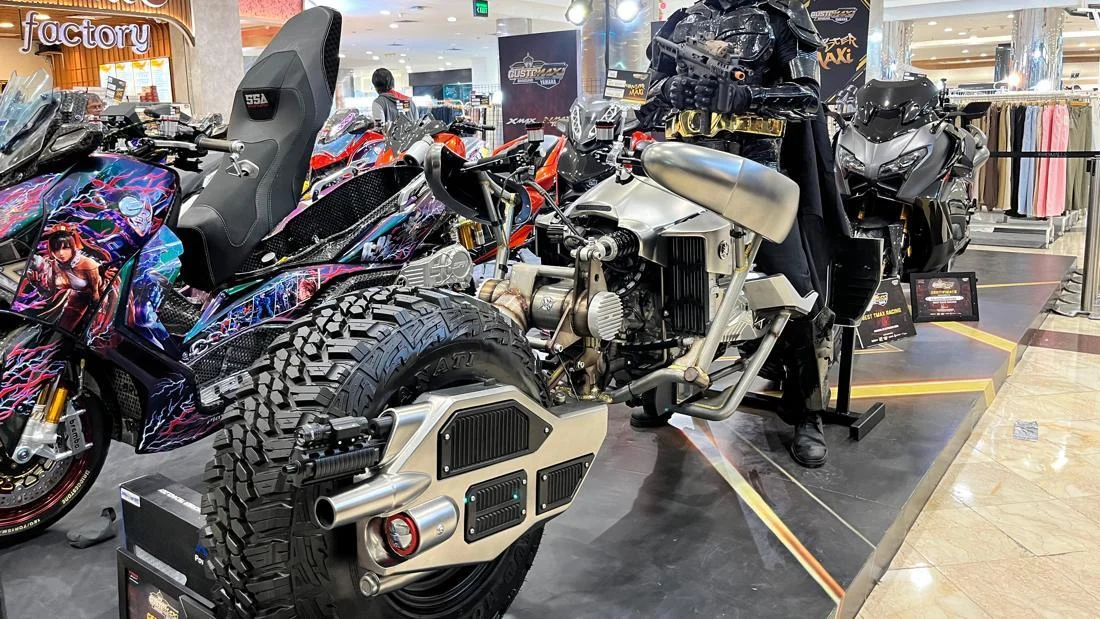
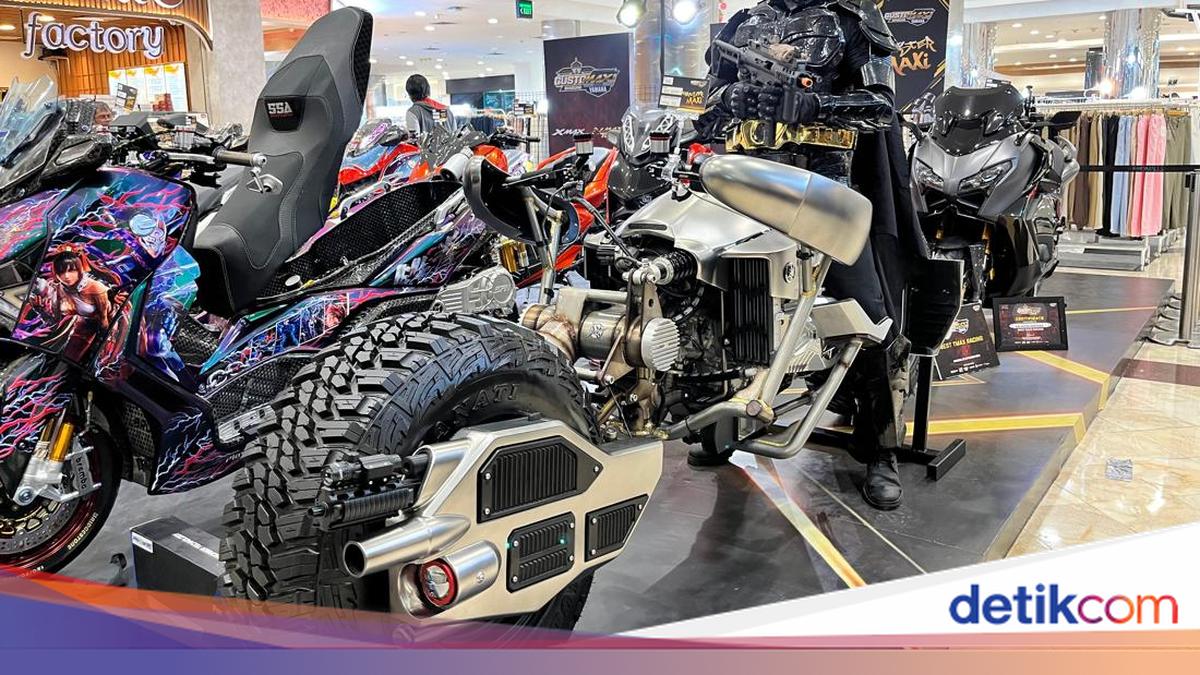
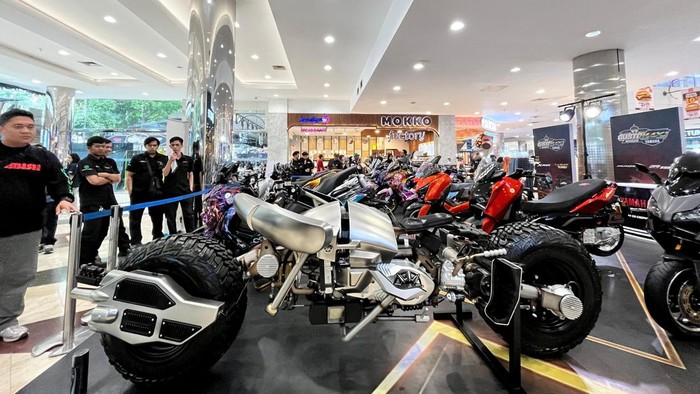
The landscape of motorcycle customization in Indonesia has reached a new pinnacle of engineering and artistic expression with the unveiling of a custom Yamaha Xmax 250 transformed into a cinematic-grade Batman-inspired vehicle. This project, a collaborative effort between MWM Custom Jakarta and Yonk Jaya, represents a significant departure from conventional cosmetic modifications, opting instead for a complete structural reimagining of the base scooter. With an estimated production cost of approximately IDR 200 million and a rigorous development timeline spanning over three months, the machine serves as a testament to the intersection of digital design, advanced fabrication, and mechanical engineering in the local automotive scene.
A Masterclass in Custom Fabrication
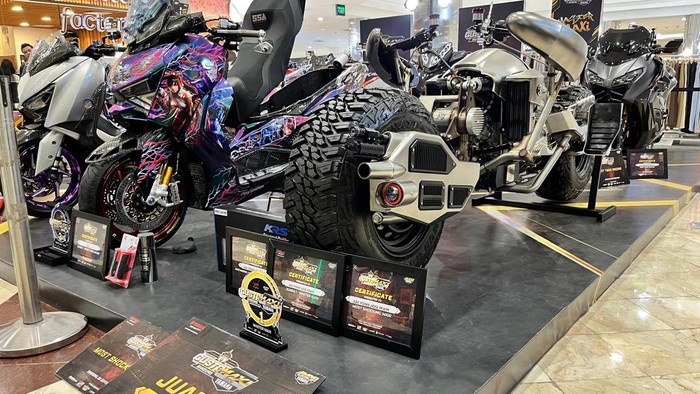
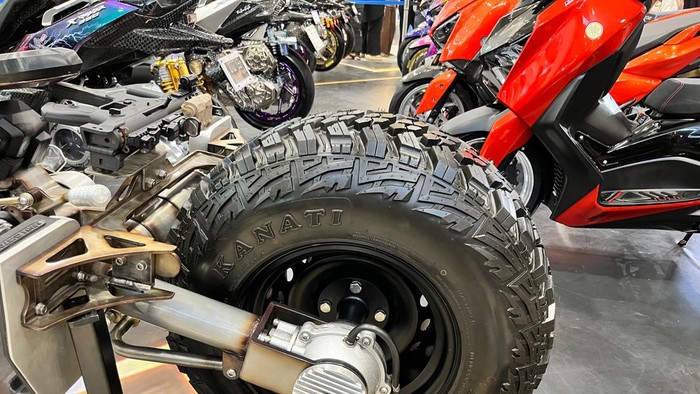
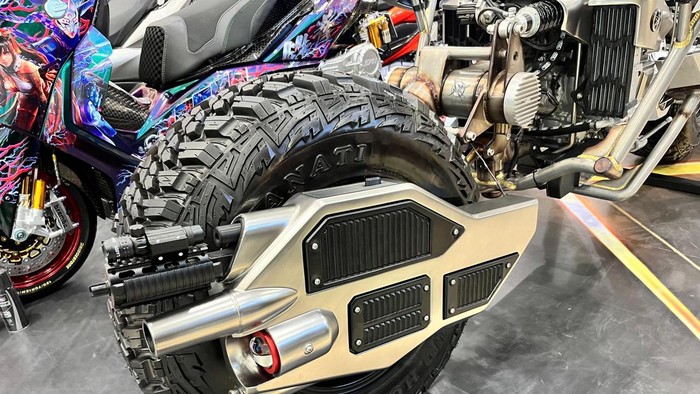
At its core, the vehicle retains the heart of a Yamaha Xmax 250, but nearly 95 percent of its physical manifestation is entirely bespoke. MWM Custom Jakarta undertook the monumental task of discarding standard components in favor of a handmade chassis, bodywork, wheel sets, and an entirely re-engineered suspension geometry. This is not merely an aesthetic body kit; it is a fundamental reconstruction of a commuter scooter into a prototype-style vehicle reminiscent of the "Batpod" or other iconic tactical vehicles seen in superhero lore.
The modification process deviated from the traditional "trial and error" approach common in many custom shops. Instead, the team adopted a contemporary industrial design workflow. Before any raw metal was cut or welded, the team developed a comprehensive three-dimensional digital model. This allowed for precise simulations of the ergonomics, center of gravity, and mechanical clearances. The integration of 3D printing technology for intricate body panels and custom seating components further underscores the shift toward high-tech manufacturing within the Indonesian custom motorcycle community. By utilizing 3D modeling, the builders were able to visualize the final silhouette, ensuring that the structural integrity of the frame would support the unconventional geometry of the new design.
Engineering Complexity and Drivetrain Reconfiguration
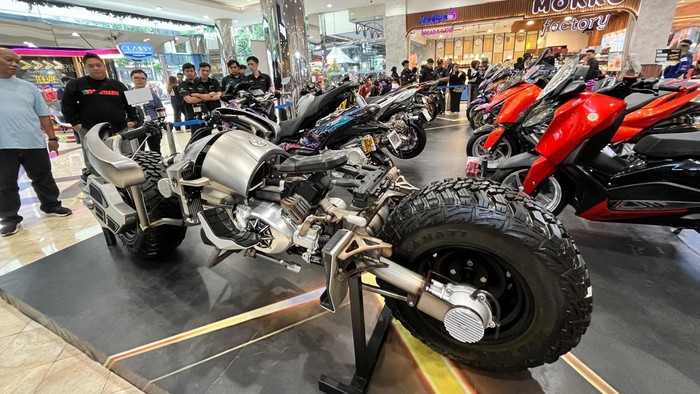
One of the most technically demanding aspects of this project was the overhaul of the power delivery system. In a stock Yamaha Xmax 250, the CVT (Continuously Variable Transmission) system drives the rear wheel through a standard transmission casing integrated into the swingarm. In this custom build, the mechanics opted for a more complex mechanical layout. The power from the CVT is now transferred via a chain drive to the right side of the machine, which then feeds into a secondary gearbox. From this gearbox, power is transmitted through a driveshaft (kopel) to the final drive, which then rotates the rear wheel.
This configuration is rarely seen in scooter modifications and requires precise alignment to ensure the longevity of the drivetrain. The shift from a standard CVT-to-wheel setup to a multi-stage transmission system indicates a high level of mechanical sophistication, likely intended to accommodate the unique frame geometry and the aesthetics of the exposed mechanical components. To support these performance upgrades, the project received critical technical backing from Yonk Jaya Motor, which provided high-end components including YSS suspension systems, Tune Boss engine management, SR1 CVT covers, TDR grips, and RPD master brake cylinders. These performance-oriented parts ensure that the bike is not just a stationary display piece, but a functional machine capable of operating under its own power.
Cinematic Features and Aesthetic Philosophy
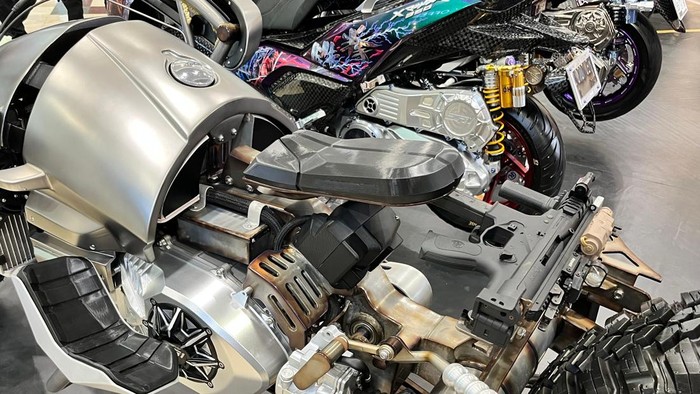
The "Batman" theme is not limited to the exterior panels. The vehicle features a functional "water gel blaster" (WGB) integrated into the front fairing, which can be deployed by the rider using a dedicated switch tied into the existing horn circuitry. While clearly a nod to the cinematic gadgetry associated with the Batman franchise, it highlights the level of detail the builders invested in capturing the spirit of the source material.
Furthermore, the aesthetic finishing process reflects a raw, industrial approach. Rather than applying traditional automotive paint or powder coating to the entire frame, the builders opted to leave the metal exposed. The steel components were heat-treated to create a natural finish, resulting in a gradient of deep blacks and iridescent blues. This choice emphasizes the "handmade" nature of the build, allowing the craftsmanship of the welding and fabrication to remain visible to the observer. The combination of these raw finishes with the sleek, 3D-printed bodywork creates a visual contrast that highlights the bridge between traditional metalworking and modern additive manufacturing.
The Timeline and Resource Investment
The project required a total development period of three months and 14 days. Such a timeline is relatively short for a build of this complexity, reflecting the efficiency gained by the team’s use of digital design tools. By finalizing the design in a virtual space before the fabrication stage, the team minimized the downtime usually associated with re-fitting body panels and adjusting structural points.
The financial investment of IDR 200 million is substantial, placing this vehicle in the upper echelon of custom motorcycle builds in Indonesia. This figure covers not only the high-performance components and specialized labor but also the research and development costs associated with engineering a unique drivetrain and bespoke frame. While the base vehicle is a mass-produced Yamaha Xmax, the final product bears little resemblance to its origin, effectively rendering it a unique, one-off automotive art piece.
Implications for the Indonesian Custom Scene
The emergence of this "Batman" Xmax signals a broader trend in the Indonesian automotive landscape: the professionalization of the custom scene. Historically, custom culture in the region was often characterized by DIY efforts and aesthetic-focused modifications. However, projects like this demonstrate a shift toward engineering-led customization. The use of 3D printing, CAD modeling, and custom gearbox fabrication suggests that local workshops are increasingly capable of competing on a global stage, where "custom" no longer just means custom paint or minor part swaps, but a total vehicle transformation.
This project also highlights the growing synergy between independent custom builders and established performance parts suppliers. By collaborating with brands like YSS and TDR, MWM Custom Jakarta has demonstrated that even the most extreme custom builds can maintain a high standard of mechanical reliability. This collaborative model is likely to become more prevalent as the demand for unique, high-performance, and personalized vehicles continues to rise among Indonesian enthusiasts.
Broader Impact and Future Outlook
The cultural impact of such a build extends beyond the motorcycle community. In a country where the motorcycle is the primary mode of transport for millions, projects that push the boundaries of what a two-wheeled vehicle can look and function like serve as a source of national pride and inspiration. They challenge the status quo and encourage a new generation of mechanics and engineers to think critically about design and utility.
While such machines are unlikely to see mass production, they serve as "concept bikes" for the domestic market, testing technologies and design philosophies that may eventually influence how standard motorcycles are modified or even designed in the future. As the automotive industry moves toward electrification and more modular design platforms, the skills showcased in this build—specifically the ability to integrate digital design with complex mechanical systems—will be increasingly valuable.
In summary, the Yamaha Xmax "Batman" modification is more than just a thematic homage to a popular character; it is a rigorous engineering exercise that highlights the technical evolution of the Indonesian custom motorcycle industry. By successfully integrating bespoke chassis work, advanced drivetrain modifications, and modern 3D-printing technologies, MWM Custom Jakarta and Yonk Jaya have set a new benchmark for what is possible within the realm of personalized two-wheeled transportation. This build serves as a compelling case study of how passion, coupled with precise engineering, can transform a standard consumer product into an extraordinary feat of mechanical art.

