
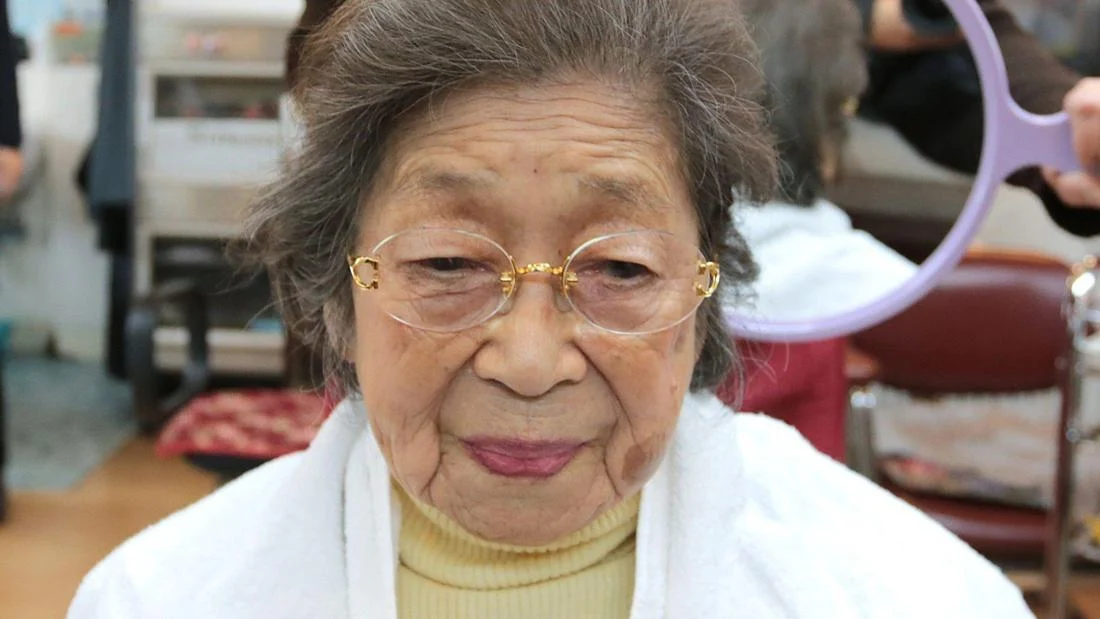
Tokyo — In a striking demonstration of an ongoing demographic paradox, Japan has officially confirmed that the number of its citizens aged 100 or older has surpassed the historic milestone of 100,000 individuals. While the broader Japanese population continues to contract at an alarming pace, the nation’s super-aging demographic demonstrates remarkable resilience and longevity. According to comprehensive data released by the Ministry of Health, Labour and Welfare, Japan is now home to 107,677 centenarians, marking an increase of nearly 8,000 individuals compared to the previous year and cementing the country’s status as the nation with the highest density of centenarians per capita in the world.
This latest milestone underscores a sustained upward trajectory that has persisted for over half a century. Government records indicate that the number of centenarians has risen consecutively every single year since nationwide demographic tracking began 56 years ago. This persistent growth highlights both the triumph of modern medical science and the unique socio-environmental factors that allow a significant portion of Japan’s populace to achieve extreme longevity. However, this achievement unfolds against a complicated backdrop of severe demographic contraction, presenting profound policy, economic, and social challenges for the world’s fourth-largest economy.
Demographic Breakdown and Record-Holders
A closer examination of the Ministry of Health data reveals a distinct gender disparity within the centenarian demographic. Women continue to outlive men by a substantial margin, accounting for approximately 88 percent of the total centenarian population, which translates to roughly 94,298 women. The remaining 12 percent comprises men, illustrating the broader global trend of female life expectancy surpassing that of males.
Among these exceptional individuals, specific citizens have captured national and international attention for their advanced ages. Fuyo Kishimoto, a 114-year-old resident of Kyoto, is officially recognized as the oldest living woman in Japan. Meanwhile, the title of the oldest living man is held by Hikaru Kato, a 112-year-old resident of Kumamoto Prefecture. Both individuals represent a generation that has witnessed profound transformations in Japanese society, transitioning from the pre-war era through the devastation of World War II and into the technological and economic miracles of the late 20th and early 21st centuries.
Government officials have expressed admiration for the resilience of these citizens. "I am deeply delighted to see so many people remaining active and healthy for such an extended period," stated Minister of Health Kenichiro Ueno during a press briefing addressing the new data. Minister Ueno emphasized that this milestone directly mirrors the tangible advancements made in national medical care, pharmacology, public health infrastructure, and lifestyle awareness over the past several decades.
Historical Chronology of Longevity in Japan
To understand the magnitude of Japan’s current centenarian population, it is essential to examine the historical progression of life expectancy and demographic shifts within the country. Japan consistently occupies the top tier of global longevity rankings compiled by institutions such as the World Bank. Recent data indicates that the average overall life expectancy at birth in Japan reaches approximately 84 years, comfortably surpassing nations like the United States, where average life expectancy hovers around 79 years.
The trajectory of Japan’s centenarian population expansion can be traced through a distinct historical timeline:
- 1963: When the Japanese government first initiated comprehensive nationwide surveys regarding residents aged 100 and older, the total recorded count was a modest 153 individuals across the entire country.
- 1981: As post-war economic development began to yield improvements in nutrition and healthcare standards, the centenarian population crossed the four-figure threshold, officially surpassing 1,000 individuals.
- 1998: Benefiting from advanced geriatric medical care and pharmaceutical innovations, the number of centenarians surged past the 10,000 mark.
- 2026: The milestone of 107,677 centenarians is officially announced, illustrating an exponential curve of longevity growth that has accelerated alongside modern technological advancements.
This yearly release of centenarian data traditionally coincides with the national holiday known as Respect for the Aged Day (Keiro no Hi). In keeping with long-standing cultural tradition, the Japanese government marks the occasion by dispatching official letters of congratulations along with a commemorative, traditional silver-plated sake cup to every citizen who achieves the milestone age of 100.
The Counter-Narrative: A Silent Demographic Emergency
While the proliferation of centenarians is celebrated as a medical and social victory, it exists in stark contrast to Japan’s broader macroeconomic and demographic reality. The rapid expansion of the elderly population is occurring simultaneously with a compounding national population decline.
According to projections by the National Institute of Population and Social Security Research, Japan’s total population—currently estimated at approximately 123 million—is projected to plummet to 87 million by the year 2070. This represents an anticipated loss of roughly 30 percent of the population from its historic peak of 128 million recorded in 2008.
The underlying driver of this decline is an persistently low fertility rate. Last year, Japan’s fertility rate dropped to a historic low of 1.14 children per woman. This figure falls critically short of the 2.1 fertility rate required to maintain a stable population through natural generation without relying on large-scale immigration.
The aging crisis is further illustrated by structural shifts in the age pyramid. Citizens aged 65 and older currently account for nearly 30 percent of the total population. Demographic models indicate that this proportion will swell, approaching nearly 40 percent by 2070. The regional impact is equally severe; recent government statistics show that Japan recorded population contractions in 45 out of its 47 prefectures, with the pace of depopulation accelerating annually in rural and semi-urban communities alike.
Political Responses and Socioeconomic Implications
The compounding pressures of a shrinking workforce and a ballooning retirement-age demographic have prompted serious concern among political leadership. Prime Minister Sanae Takichi has characterized the ongoing demographic shift as a "silent emergency" that threatens the long-term viability of the nation’s social security, healthcare, and economic systems.
Despite various policy interventions, including substantial financial subsidies, expanded childcare services, and government-backed initiatives designed to encourage family growth, efforts to reverse the declining birth rate have largely yielded disappointing results. Sociologists and economic analysts attribute this entrenched crisis to a complex web of structural factors. These include a declining marriage rate among younger generations, the rising cost of living and raising children in urban centers, and the growing integration and participation of women in the professional workforce without adequate concurrent structural support for dual-career households.
The simultaneous surge in centenarians and contraction of the general population carries profound implications for Japan’s future. Economically, a shrinking labor pool must generate sufficient tax revenue and productivity to support an unprecedentedly large cohort of retirees and elderly citizens. This places immense pressure on public pension funds, healthcare systems, and long-term care facilities, forcing policymakers to debate controversial measures such as raising the retirement age, increasing consumption taxes, and selectively expanding immigration pathways to fill critical labor shortages.
As Japan navigates these uncharted demographic waters, the crossing of the 100,000-centenarian threshold serves as both a testament to human longevity and a clear warning sign. It highlights the urgent necessity for structural adaptation, ensuring that the nation can sustain its aging population while confronting the existential challenge of its declining birth rate in the decades ahead.

