
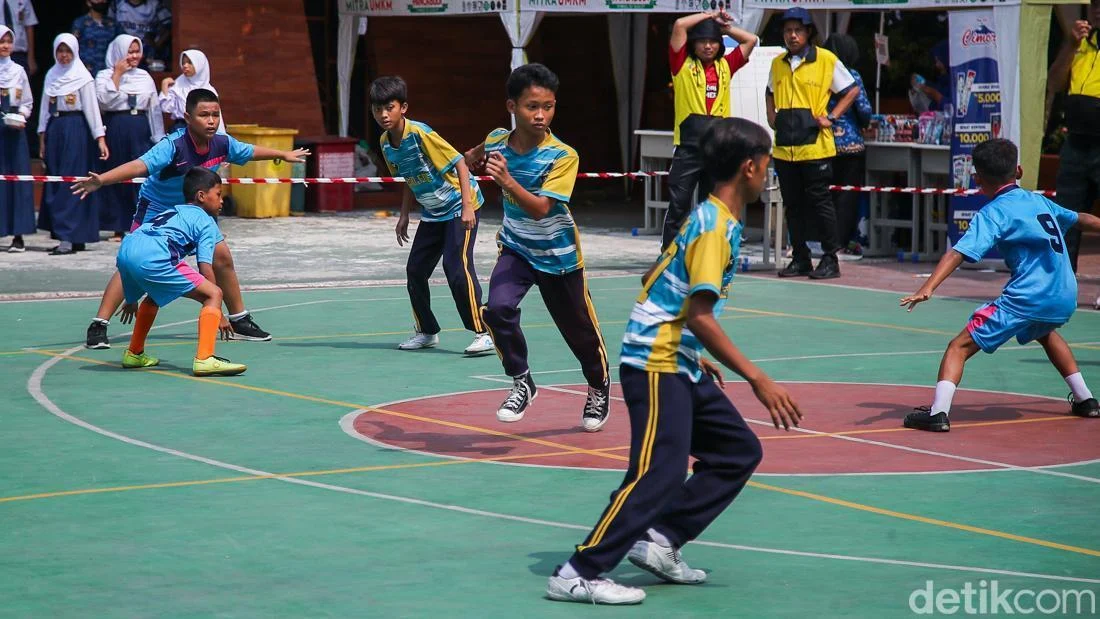
The vibrant sounds of cheering, strategy-calling, and energetic footsteps filled SMPN 229 Jakarta Barat on Monday, September 21, 2026, as hundreds of students gathered for a unique display of athletic heritage. A total of 364 students representing 52 educational institutions across the municipality converged to participate in the Jakarta Barat Traditional Hadang Sports Championship. The event, which successfully transformed a standard school ground into a lively arena of cultural preservation, was designed to reintroduce indigenous Indonesian games to a generation increasingly dominated by digital screens and modern technology.
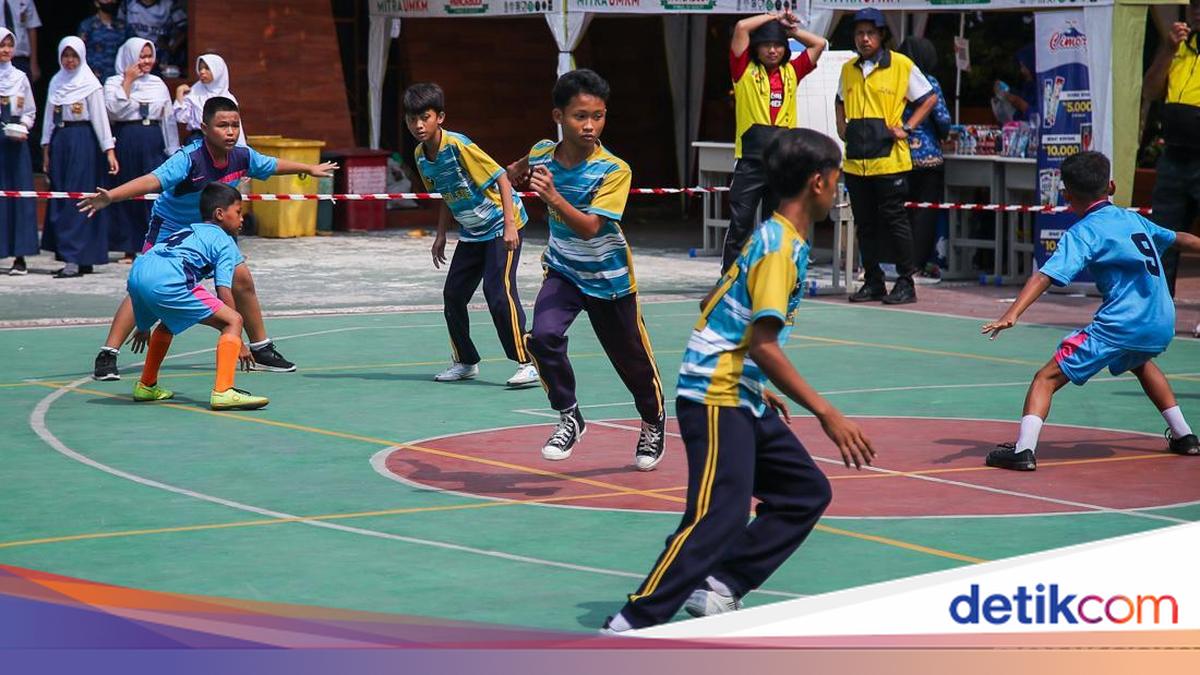
Organized collaboratively by the West Jakarta Youth and Sports Sub-agency (Sudinpora) alongside the Indonesian Traditional Sports Association (Portina), the tournament served as both a competitive athletic showcase and a cultural intervention. As traditional pastimes face the looming threat of extinction amid rapid urbanization and digitization, this municipal initiative underscored a growing institutional commitment to safeguarding Indonesia’s intangible cultural heritage through active youth engagement.
Understanding Hadang: Rules, Mechanics, and Cultural Roots
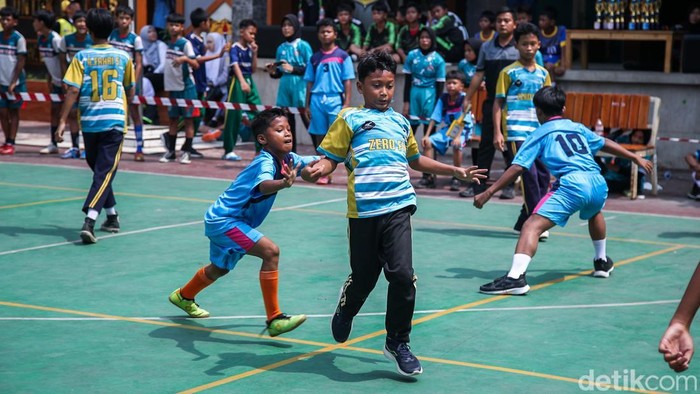
Hadang, more widely recognized in various regions of Indonesia as gobak sodor, is a traditional team sport that demands an exceptional blend of speed, agility, tactical foresight, and synchronized teamwork. Played on a marked grid layout, the game pits two opposing teams against one another: the attacking team and the defending team.
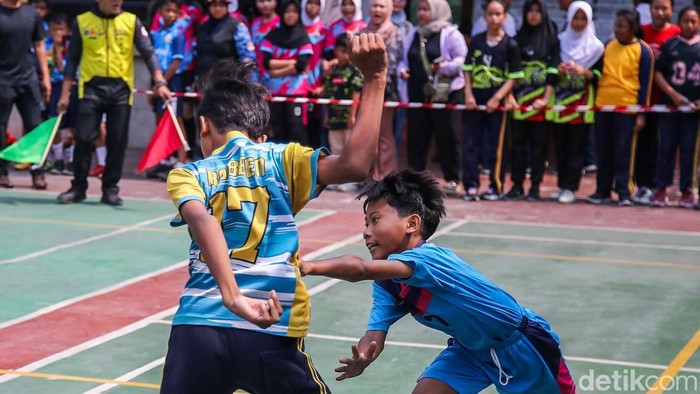
The primary objective for the attacking squad is to successfully break through a series of guarded lines from the starting zone to the finish line and back without being tagged by the defenders. Conversely, the defenders are stationed along specific horizontal and vertical grid lines, tasked with blocking and intercepting opponents using only lateral movements within their designated boundaries.
Beyond its physical demands, hadang is celebrated for its emphasis on collective intelligence. Success in the game relies heavily on non-verbal communication, split-second decision-making, and mutual trust among teammates. Anthropologists and educators frequently note that traditional Indonesian games like hadang function as informal social laboratories where children organically learn core communal values, including gotong royong (mutual cooperation), sportsmanship, resilience, and strategic problem-solving.
Chronology and Scale of the Jakarta Barat Championship
Planning for the 2026 Jakarta Barat Hadang Championship began months prior, spearheaded by Sudinpora Jakarta Barat and local chapters of Portina. Recognizing a decline in grassroots playground culture, sports officials coordinated with school principals and physical education teachers across the municipality to select and train student representatives.
By early September, participation numbers had been finalized, drawing an impressive turnout of 364 students distributed across 52 elementary (SD) and junior high school (SMP) teams. The scale of the tournament reflects a deliberate administrative shift toward institutionalizing traditional sports within the extracurricular frameworks of Jakarta’s educational system.
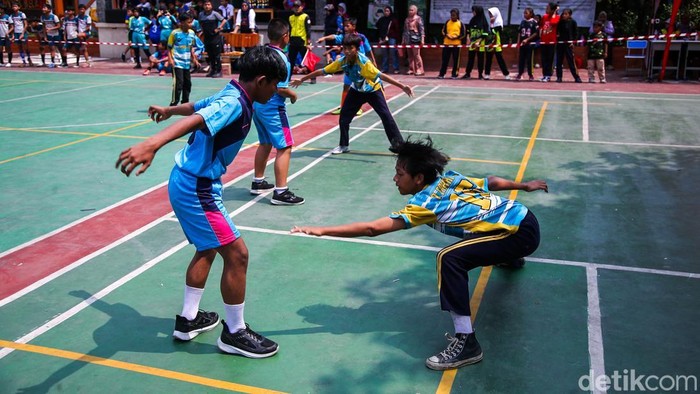
On the morning of Monday, September 21, 2026, the venue at SMPN 229 Jakarta Barat hosted the opening ceremony, featuring remarks from municipal sports officials and cultural advocates. Preliminary matches commenced shortly after 9:00 AM, dividing the participants into distinct age and school-level brackets. The matches progressed through rigorous knockout rounds, culminating in high-stakes afternoon finals where tactical discipline and stamina proved to be the decisive factors for the winning teams. Throughout the day, referees trained in standard Portina regulations ensured fair play while educating younger participants on the nuanced parameters of the game.
Stakeholder Perspectives and Institutional Objectives
The collaborative nature of the championship highlights a shared vision between municipal authorities and cultural preservationists. Representatives from Sudinpora Jakarta Barat emphasized that modern youth fitness programs must look beyond conventional sports such as football, basketball, and badminton. By integrating traditional sports into official municipal calendars, the agency aims to provide structured pathways for children to experience physical education through a cultural lens.
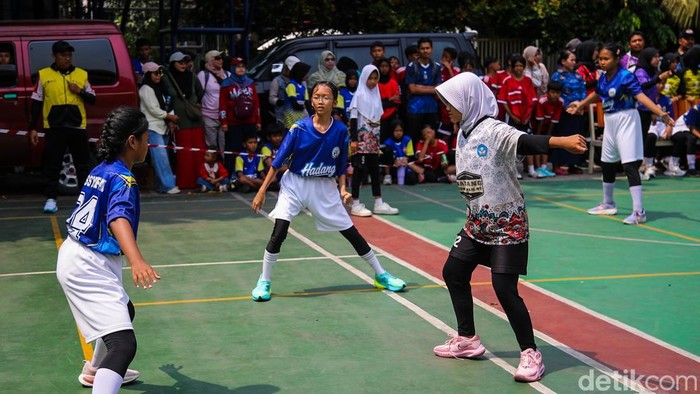
"Our goal extends beyond finding winners or awarding trophies," a municipal sports official noted during the event’s proceedings. "We are creating a sustainable bridge between our rich cultural past and the modern educational environment. When children play hadang, they are not just exercising their bodies; they are actively participating in the living history of the archipelago."
Portina representatives echoed these sentiments, pointing out that formalized competitions elevate the status of indigenous games from casual street pastimes to recognized athletic disciplines. By establishing standardized rules, certified refereeing, and structured tournaments, organizations like Portina hope to pave the way for traditional sports to feature more prominently in regional and national multi-sport events, such as the Olimpiade Olahraga Siswa Nasional (O2SN) or regional cultural festivals.
Broader Societal Implications and the Future of Traditional Sports
The Jakarta Barat championship arrives at a critical juncture for youth development in urban Indonesia. Modern children spend an unprecedented number of hours interacting with digital devices, a shift that health experts link to declining cardiovascular fitness, reduced spatial awareness, and increased social isolation. Traditional team sports offer a potent antidote to these trends by demanding face-to-face communication, physical coordination, and shared emotional experiences.
Furthermore, initiatives of this scale carry significant implications for national identity. As globalization homogenizes youth culture worldwide, preserving localized forms of play reinforces a sense of cultural pride and distinct heritage among the younger demographic. When students from 52 different schools come together to compete in a game played by their grandparents and great-grandparents, an intergenerational bond is forged.
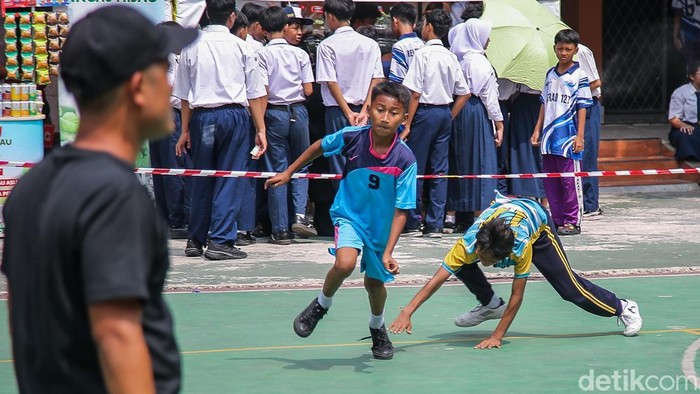
Looking forward, the success of the Jakarta Barat event has sparked discussions regarding the expansion of similar tournaments to other administrative regions across the Special Capital Region of Jakarta. Educational analysts suggest that for these programs to yield long-term benefits, municipal authorities must institutionalize hadang and related traditional games within weekly school physical education (Penjas) curricula, rather than limiting them to annual championship events.
As the final whistle blew at SMPN 229 Jakarta Barat on Monday evening, marking the conclusion of a day defined by sweat, strategy, and shared laughter, the enduring appeal of hadang was unmistakably evident. Through structured support, enthusiastic student participation, and visionary municipal programming, Indonesia’s traditional games have demonstrated that they are not merely relics of the past, but dynamic, living pillars of the nation’s future athletic and cultural landscape.
