
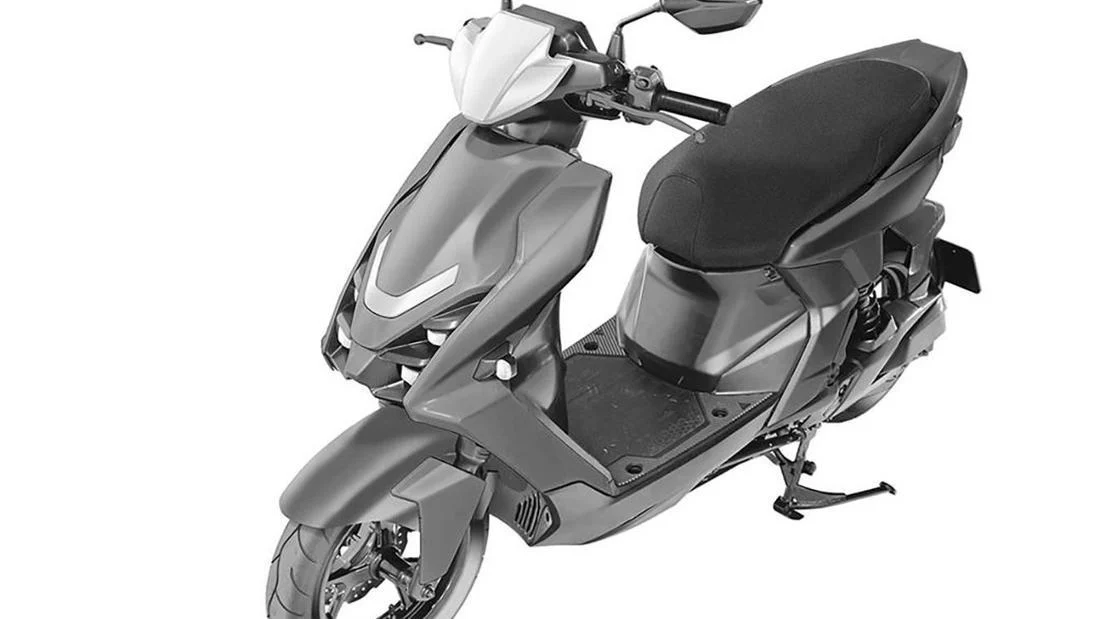
Yamaha Motor Company has officially signaled a significant expansion of its electric vehicle portfolio by filing a new design patent for a mid-performance electric scooter intended for the global market. While the Japanese manufacturer has yet to release a formal press statement regarding the specific naming or production timeline of the vehicle, the detailed patent drawings emerged recently via Australian Motorcycle News (AMCN), providing a comprehensive look at what is expected to be Yamaha’s next major move in the zero-emission urban mobility sector. This development comes at a critical juncture as the motorcycle industry faces increasing pressure from global regulators to transition toward carbon neutrality, particularly in high-density urban environments across Europe and Southeast Asia.
Design Language and Aesthetic Philosophy
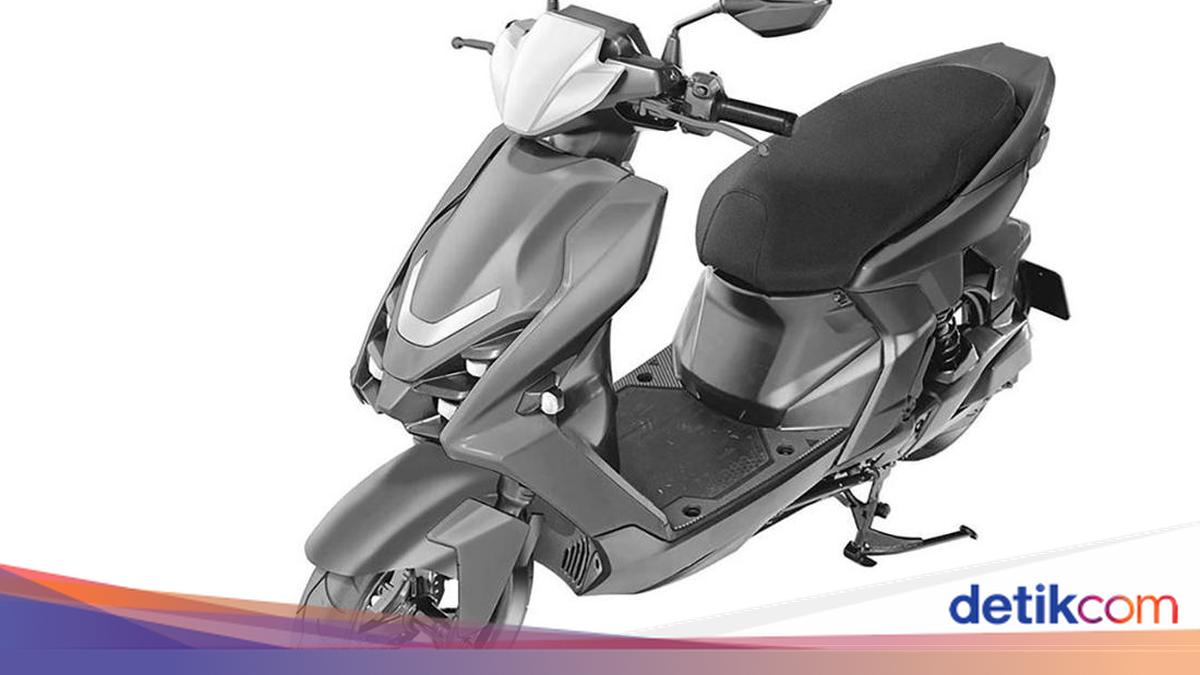
The patent images reveal a design that departs from the rounded, minimalist aesthetic of the existing Yamaha Neo’s, opting instead for a more aggressive and contemporary silhouette. The scooter features sharp, angular bodywork that aligns with Yamaha’s current "Dark Side of Japan" design ethos seen in its internal combustion engine (ICE) MT-series and the sporty Aerox range. The front fascia is dominated by a dual-headlight configuration, complemented by V-shaped Light Emitting Diode (LED) Daytime Running Lights (DRL) that give the vehicle a distinct visual signature.
Aerodynamics and rider protection also appear to be key considerations, as evidenced by a small, integrated transparent windshield and angular side mirrors designed to minimize wind buffeting. Despite its futuristic appearance, the scooter maintains a practical form factor tailored for daily commuting. The inclusion of a wide, single-piece seat and a flat floorboard (dek rata) suggests that Yamaha is prioritizing ergonomic comfort and ease of use, catering to a demographic that requires a versatile vehicle for navigating congested city streets.
Technical Specifications and Powertrain Innovation
One of the most significant revelations from the patent documents is the configuration of the powertrain. Unlike many entry-level electric scooters that utilize hub-mounted motors to save space and cost, this new Yamaha model features a mid-mounted electric motor. This placement is strategically advantageous for weight distribution and handling, as it keeps the center of gravity low and centralized. The power is transmitted to the rear wheel via a belt-drive system, a choice that typically results in a quieter, smoother ride compared to chain drives, while requiring less maintenance than traditional gear systems.
While specific output figures remain confidential, industry analysts suggest that the motor is engineered to provide performance parity with a 125cc petrol-powered scooter. This would place the vehicle in the L3e category in Europe, making it accessible to riders with a standard A1 or B license (depending on local regulations). The chassis is supported by a 12-inch alloy wheel setup, which is standard for urban agility, and features disc brakes on both the front and rear wheels, potentially incorporating an Anti-lock Braking System (ABS) or a Unified Braking System (UBS) to meet modern safety standards.
Battery Technology and the Shift to Swappable Power
The patent drawings indicate a significant design choice regarding energy storage. The scooter appears to be equipped with a removable battery system located under the seat. This configuration represents a pivot in Yamaha’s engineering approach, moving away from the fixed-battery architecture seen in the Yamaha EC-06 and toward a more flexible, swappable solution similar to the recently showcased Aerox-E and the E01 prototypes.
This move aligns with Yamaha’s participation in the Swappable Batteries Motorcycle Consortium (SBMC), a partnership with other industry giants like Honda, KTM, and Piaggio. By utilizing removable batteries, Yamaha addresses the primary concerns of urban EV adoption: charging time and infrastructure. Users in apartment complexes or offices without dedicated charging points can simply remove the battery pack and charge it indoors using a standard wall outlet. Furthermore, this design makes the scooter compatible with battery-swapping stations, a technology that is rapidly gaining traction in markets like Taiwan and India.
Integrated Features and Connectivity
In terms of technology, the patent suggests a high level of digital integration. The cockpit is expected to house a rectangular digital instrument cluster, likely a Thin-Film Transistor (TFT) display. This unit is expected to feature Yamaha’s Y-Connect system, allowing riders to link their smartphones to the vehicle via Bluetooth. Through this integration, users could access turn-by-turn navigation, monitor battery health, track parking locations, and receive maintenance alerts.
Additional commuter-friendly features highlighted in the patent include:
- Keyless Ignition: A Smart Key system that enhances security and convenience.
- Front Storage Compartment: A small cubby hole for personal items, likely housing a USB charging port for mobile devices.
- Utility Hooks: Integrated hooks for carrying shopping bags, positioned above the flat floorboard.
- Enhanced Suspension: A telescopic front fork paired with dual rear shock absorbers. Notably, the rear shocks are positioned slightly forward, a design intended to compensate for the weight of the battery packs located beneath the saddle.
Strategic Context and Market Positioning
The emergence of this patent follows Yamaha’s recent commercial activities in the Indian market, where it introduced the Aerox-E. Priced at approximately INR 281,600 (equivalent to IDR 52.3 million), the Aerox-E serves as a premium electric offering. The new patented model, however, appears to be positioned as a more accessible, entry-level to mid-range global product.
Yamaha’s "Switch ON" strategy, launched several years ago, outlines the company’s commitment to diversifying its electric lineup. To date, the company has released the Neo’s for the European market and conducted extensive real-world testing of the E01 in various Asian countries, including Indonesia, Thailand, and Malaysia. This new model represents the next evolution of that strategy, bridging the gap between small-displacement electric mopeds and high-performance electric maxi-scooters.
The timing of the patent filing suggests that Yamaha is preparing for a production-ready reveal, possibly at major international trade shows such as EICMA in Milan or the Tokyo Mobility Show. By targeting the 125cc-equivalent segment, Yamaha is entering the most competitive and highest-volume sector of the global motorcycle market.
Analysis of Implications for the Industry
The shift toward a mid-mounted motor and belt drive in a commuter-class scooter indicates that Yamaha is unwilling to compromise on ride quality for the sake of cost-cutting. This could force competitors to reconsider the use of hub motors in their premium urban offerings. Furthermore, the emphasis on a flat floorboard and removable batteries suggests that Yamaha has conducted extensive market research into the needs of Southeast Asian and European commuters, where utility and ease of charging are paramount.
From an environmental standpoint, this model supports Yamaha Motor Group’s Environmental Plan 2050, which aims to reduce CO2 emissions throughout the entire product life cycle. As cities around the world implement "Low Emission Zones" (LEZ), vehicles like this new electric scooter will become essential tools for personal mobility.
Conclusion
While the official name and launch date of this new Yamaha electric scooter remain under wraps, the patent filing provides a clear roadmap of the company’s intentions. By combining aggressive modern styling with practical features like swappable batteries and a flat floorboard, Yamaha is positioning itself to capture a significant share of the burgeoning electric two-wheeler market.
The move signals a transition from experimental prototypes to mass-market viability. If Yamaha can balance the high production costs of electric drivetrains with competitive consumer pricing—potentially leveraging its manufacturing hubs in India or Southeast Asia—this new scooter could become a benchmark for the industry. As the world moves closer to a post-combustion era, Yamaha’s latest design proves that the future of urban commuting will not only be silent and clean but also sporty and highly functional. Riders and industry observers alike will be watching closely for the first physical prototype to break cover, marking the beginning of a new chapter in Yamaha’s storied history of innovation.
