
As the world eagerly anticipates the climactic final of the FIFA World Cup 2026, set to feature a highly anticipated clash between European giants Spain and South American powerhouse Argentina, a distinct phenomenon has captivated global football audiences: the explosion of satirical memes across social media platforms. These digital quips, often sharp-witted and laced with partisan humor, have primarily targeted fans of Cristiano Ronaldo and Spanish club Real Madrid, adding an extra layer of narrative and rivalry to an already electrifying build-up. The match, scheduled for July 19, 2026, promises not only a battle on the pitch but also a vibrant, often contentious, digital spectacle.
The Road to the Final: A Clash of Titans and Narratives
Both Spain and Argentina have navigated challenging paths to reach the pinnacle of international football. Spain, renowned for its tiki-taka philosophy and a new generation of prodigious talents, showcased tactical brilliance and youthful exuberance throughout the tournament. Key to their campaign has been the emergence of players like Lamine Yamal, whose dazzling performances have drawn comparisons to legends. Argentina, conversely, spearheaded by the enduring brilliance of Lionel Messi, demonstrated a blend of grit, flair, and collective determination, aiming to secure back-to-back World Cup titles following their triumph in 2022. Messi’s continued presence at the sport’s highest level, defying age and expectations, has fueled an almost mythical narrative for the Albiceleste.
The final itself is steeped in historical significance. For Spain, a victory would solidify their status as a dominant force in world football, bridging the gap between their golden generation of the late 2000s and this new crop of stars. For Argentina, it presents an opportunity to cement Messi’s unparalleled legacy and reinforce their position as a preeminent footballing nation. This narrative richness provides fertile ground for fan engagement, both traditional and digital.
The Rise of Meme Culture in Football Fandom
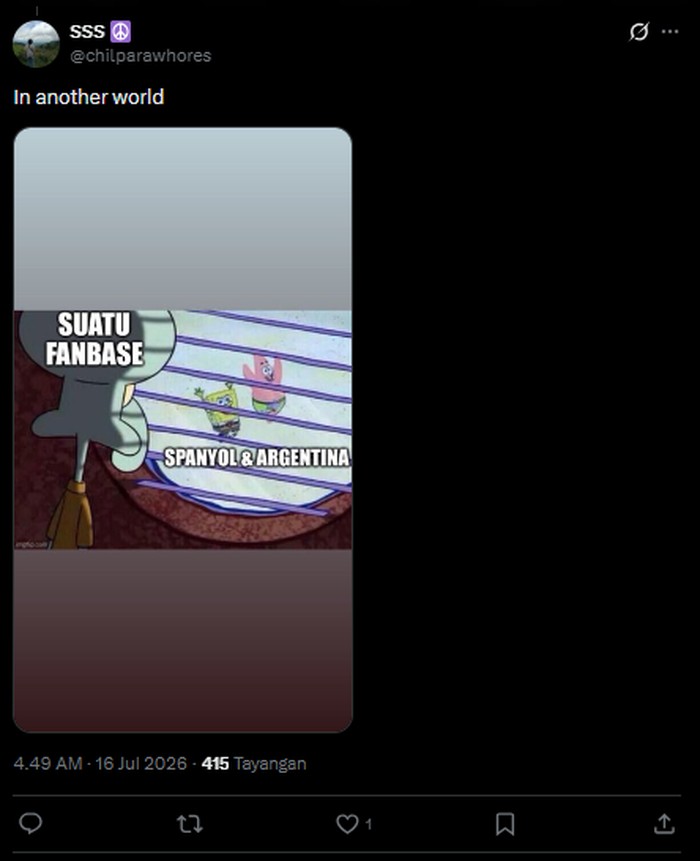
The proliferation of memes is not a new phenomenon in major sporting events, but the 2026 World Cup has seen an unprecedented surge in their creation and dissemination, particularly in the days leading up to the final. Social media platforms like X (formerly Twitter), Instagram, and TikTok have become digital coliseums where fans express allegiances, engage in playful banter, and occasionally, escalate rivalries through visual humor. The memes serve multiple purposes: they entertain, they foster a sense of community among like-minded fans, and they provide an outlet for emotional release and competitive spirit.
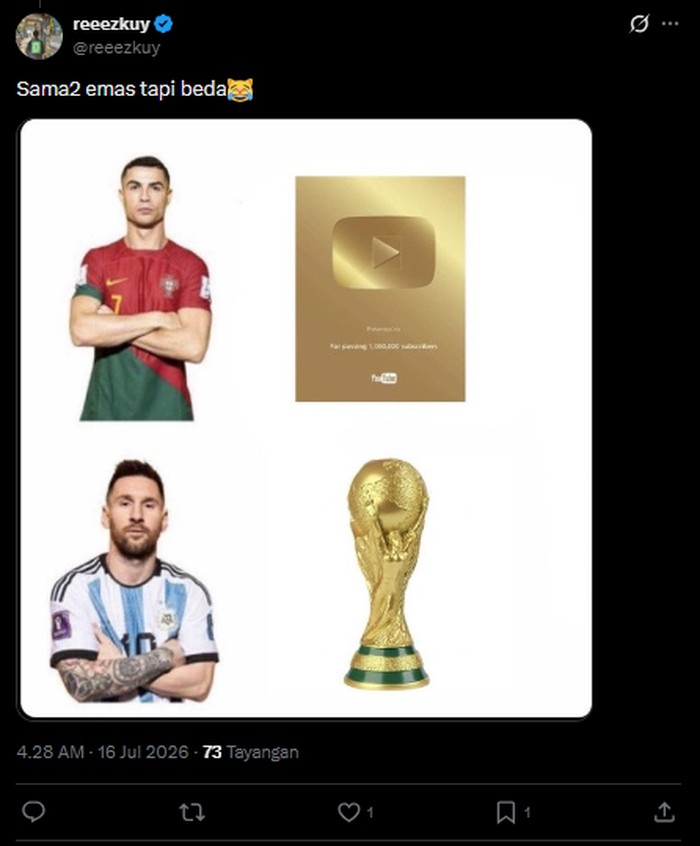
A significant portion of these viral images and videos leading up to the Spain vs. Argentina final has deliberately poked fun at supporters of Cristiano Ronaldo and Real Madrid. This specific targeting highlights the deep-seated rivalries that transcend club football and bleed into the international arena. The long-standing personal rivalry between Lionel Messi and Cristiano Ronaldo, arguably the two greatest players of their generation, continues to animate discussions and fan interactions, even as Ronaldo’s international career has wound down. Similarly, the fierce club rivalry between FC Barcelona (historically associated with Messi and now Yamal) and Real Madrid (home to stars like Kylian Mbappé and Jude Bellingham) provides a powerful undercurrent to the national team contest.
Targeted Satire: Ronaldo, Real Madrid, and the Barcelona Connection
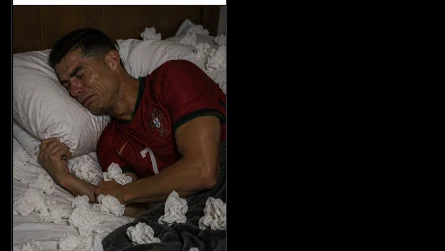
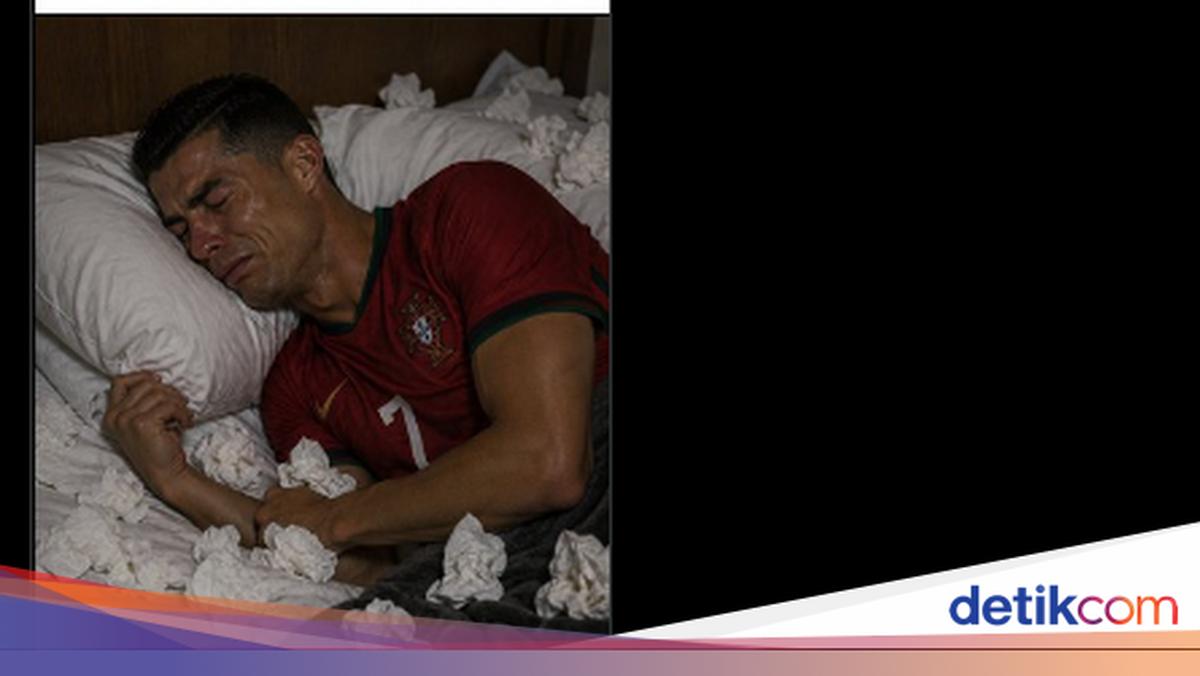
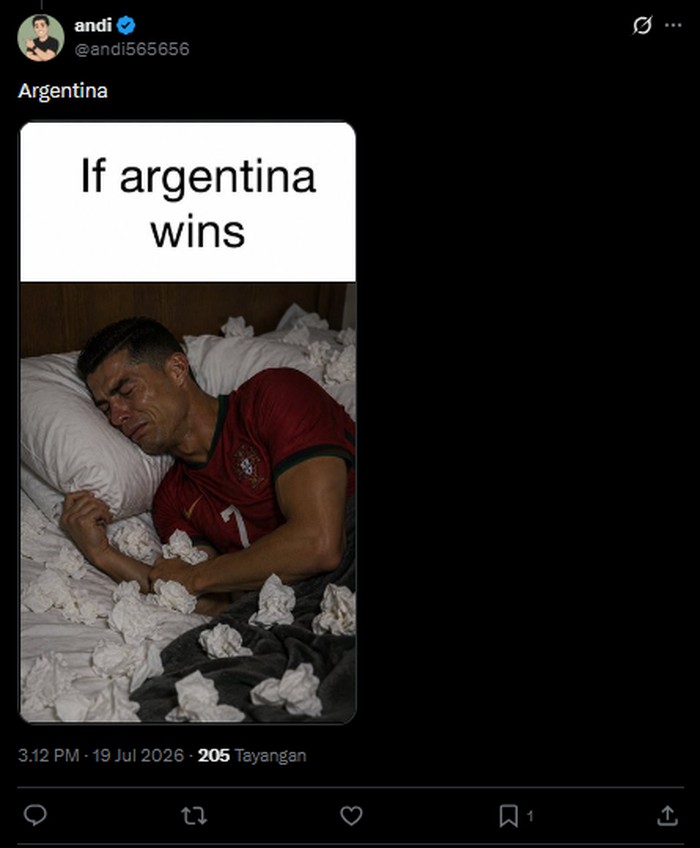
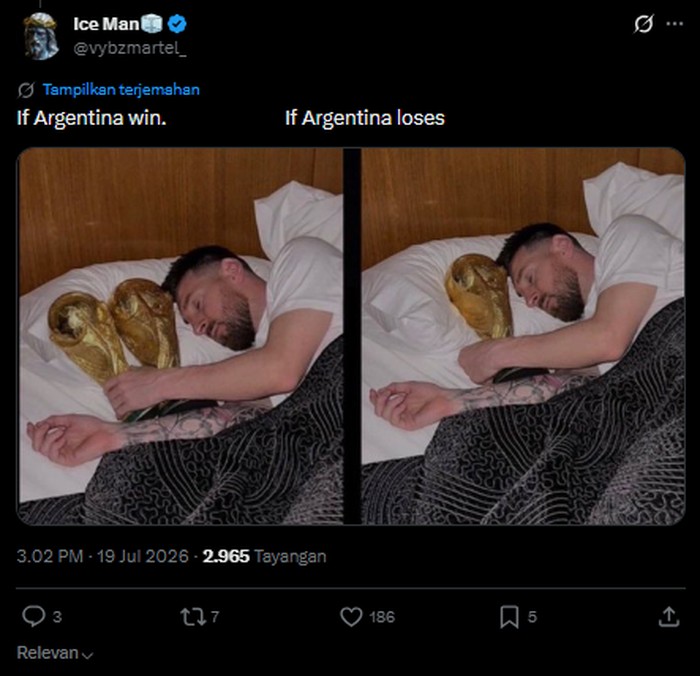
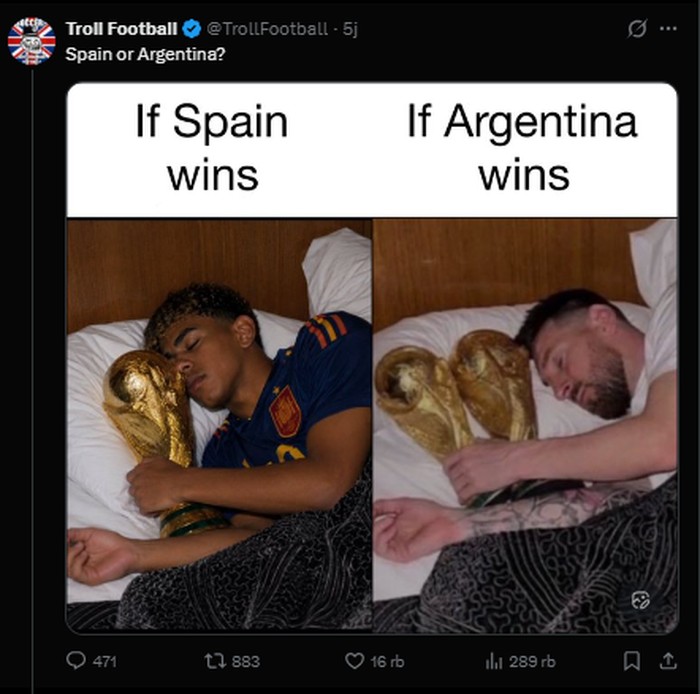
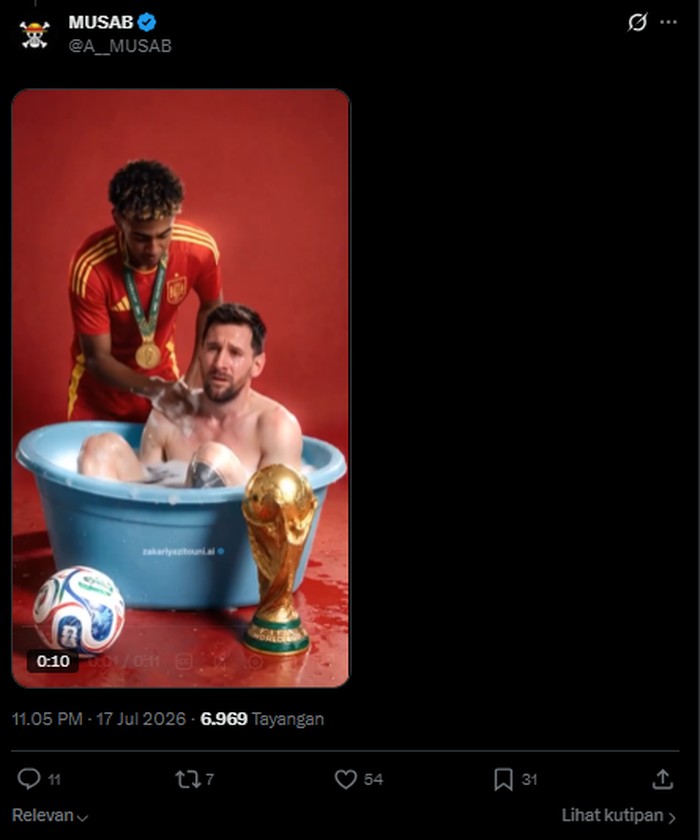
Several memes circulating widely underscore these specific rivalries. One prevalent theme depicts Cristiano Ronaldo in a state of dismay or frustration, often exaggerated for comedic effect, at the prospect of Argentina potentially winning another World Cup, thereby further enhancing Messi’s trophy cabinet. Another meme imagines Lionel Messi, post-victory, holding not one but two World Cup trophies, a playful jab at his growing collection of accolades compared to Ronaldo’s single international major trophy (Euro 2016). These images tap into the enduring "GOAT" (Greatest Of All Time) debate, leveraging the World Cup final as a proxy battleground for these two footballing titans.
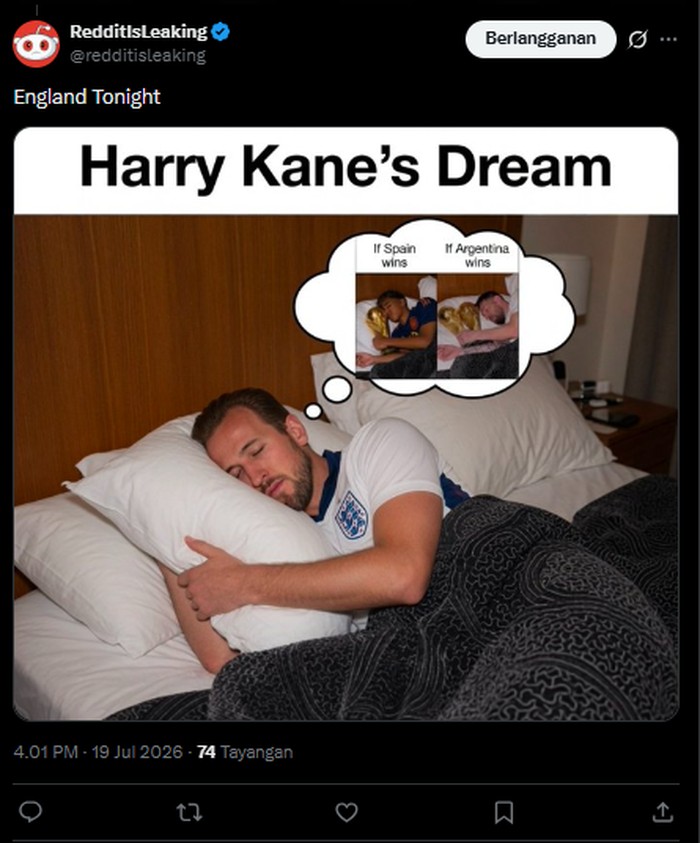
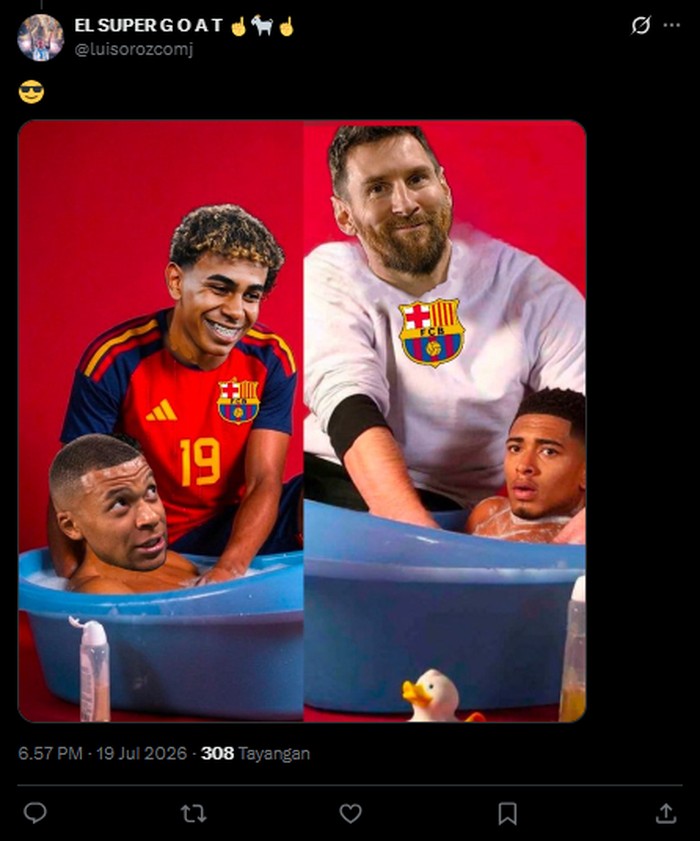
The club rivalry between Barcelona and Real Madrid is equally prominent. One meme humorously positions Lamine Yamal, the young Barcelona prodigy playing for Spain, as having "defeated" Kylian Mbappé, the high-profile Real Madrid star, simply by reaching the final. A similar narrative is applied to Messi, portrayed as having "triumphed" over Real Madrid’s Jude Bellingham. These memes cleverly intertwine club loyalties with national team performances, suggesting that a victory for Spain (with Yamal) or Argentina (with Messi) is also a symbolic win for Barcelona against their eternal rivals, Real Madrid. The image of Harry Kane, often depicted in a dream state, lamenting the potential victory of either Spain or Argentina, further adds to the broader European football narrative, representing other nations and their star players who fell short.
Moreover, a meme portraying "Ronaldo fans" as having shifted their allegiance from supporting Bellingham (a Real Madrid player) to now supporting Yamal (a Barcelona player) to oppose Messi, captures the intricate and often contradictory nature of fan loyalties. It underscores how the desire to see Messi not win can override traditional club affiliations, creating temporary, albeit humorous, alliances. The visual of Messi and Yamal depicted as "Shanks and Luffy" from the popular anime One Piece, signifying a mentor-protégé relationship and the passing of a torch within the Barcelona lineage, resonated strongly with fans of both football and pop culture.
The Mechanics of Viral Content: Data and Engagement
The rapid spread of these memes is a testament to the power of social media algorithms and the highly engaged global football community. According to preliminary data from social media analytics firms, hashtags related to the World Cup final, combined with specific player and club rivalries, have generated billions of impressions in the week leading up to July 19. Memes featuring Messi and Ronaldo have consistently trended, accumulating millions of shares and likes. For instance, a viral graphic illustrating Ronaldo’s hypothetical reaction to an Argentina win reportedly garnered over 50 million views across X and Instagram within 48 hours of its first appearance. This level of engagement highlights how visual, easily digestible content can rapidly capture public imagination and shape online discourse.
"The 2026 World Cup final has become a perfect storm for meme culture," explains Dr. Anya Sharma, a digital anthropologist specializing in sports fan engagement. "You have global superstars, historic rivalries, and the ultimate prize in football. Memes provide a low-barrier-to-entry form of commentary that resonates instantly. They’re not just jokes; they’re expressions of identity, loyalty, and collective anticipation."
Broader Implications and the Future of Sports Media
The prevalence of these memes reflects a significant evolution in sports fandom and media consumption. The days of solely relying on traditional sports broadcasters and pundits for commentary are long past. Fans are now active participants, creators, and distributors of content, shaping the narrative in real-time. This bottom-up media creation fosters a more interactive and dynamic relationship between fans, teams, and players.
The implications extend beyond mere entertainment. For clubs and national federations, understanding and sometimes even leveraging meme culture can be a powerful tool for brand engagement. While the satirical nature can occasionally border on provocative, it generally signifies passionate involvement. "Memes are a barometer of fan sentiment," notes Mark Jenkins, a sports marketing consultant. "They show what’s truly resonating with the audience, what rivalries are most potent, and which narratives are driving engagement. For brands looking to connect with football fans, ignoring this digital conversation would be a missed opportunity."
However, this phenomenon also presents challenges. The rapid and often anonymous nature of meme creation means that content can sometimes cross lines into offensive territory or perpetuate misinformation. While the current batch of memes appears largely good-natured, the broader digital landscape requires vigilance from platform moderators and a degree of media literacy from consumers.
Anticipation Builds for the Grand Finale
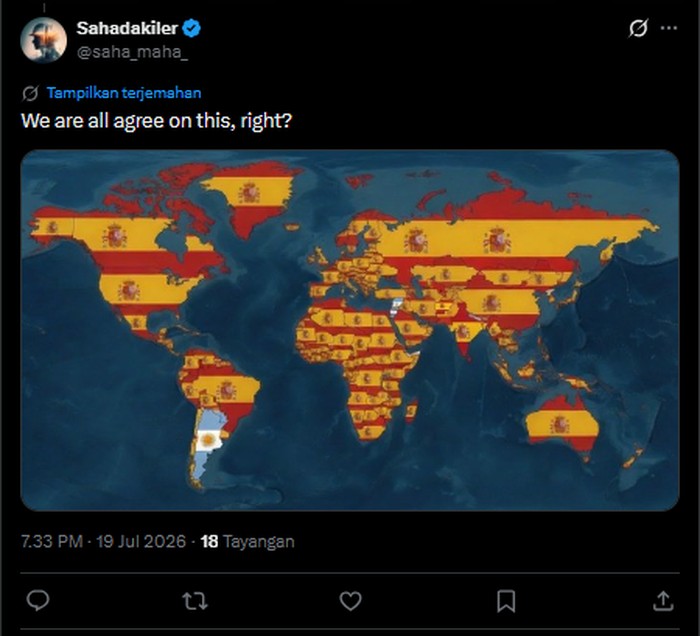
As the final countdown to the World Cup 2026 final progresses, the digital banter shows no signs of abating. The meme war, fueled by the Messi-Ronaldo rivalry, the Barcelona-Real Madrid feud, and the sheer excitement of the event, underscores how deeply intertwined football has become with internet culture. The question on everyone’s mind – whether Messi and Argentina will claim another title, or if Spain will assert its new dominance – is now accompanied by another: what new memes will emerge from the victor’s celebration and the vanquished’s lament? The final between Spain and Argentina is set to be not just a football match, but a defining moment in the ongoing evolution of global sports fandom, played out as much on the pitch as on the screens of millions worldwide.
