
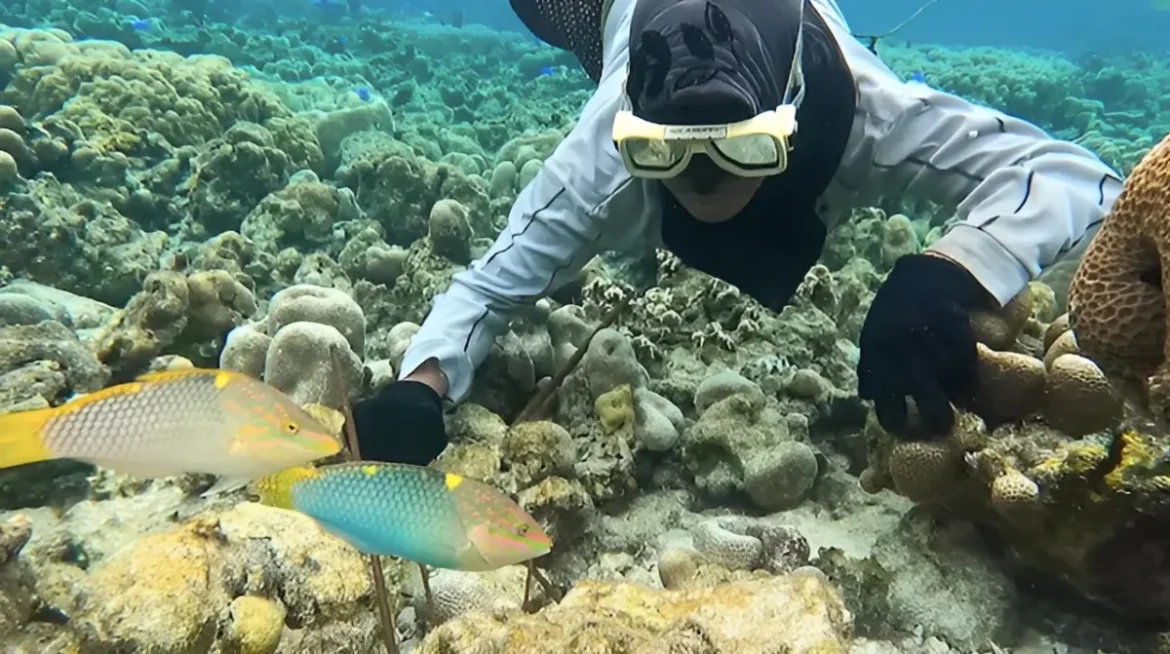
Beyond the vibrant aesthetic of tropical reefs lies a complex mechanical force driven by one of the ocean’s most misunderstood inhabitants: the triggerfish. Often recognized in culinary circles by local names such as ayam-ayam, pogot, or etong, this family of fish—Balistidae—is far more than a staple of local fisheries. Recent scientific assessments have elevated the status of the triggerfish from a simple seafood commodity to a critical "ecosystem engineer," a keystone species whose biological activities are essential for the structural integrity and regeneration of coral reefs worldwide.
Taxonomy and the Mechanics of the Trigger
The name "triggerfish" is derived from a unique anatomical defense mechanism. The first dorsal spine is large and can be locked into an upright position by a second, smaller spine. This locking mechanism allows the fish to wedge itself firmly into coral crevices, making it nearly impossible for predators to extract it. This evolutionary adaptation is a defining characteristic of the 41 identified species within the 12 genera of the Balistidae family, as cataloged in comprehensive taxonomic research by Paolo Parenti of the University of Milano-Bicocca.
While these fish are distributed across the Indo-Pacific, Atlantic, and Mediterranean, their presence in Indonesian waters is particularly significant. From the reefs of Sumatra and Java to the biodiversity hotspots of Sulawesi and Papua, Indonesia serves as a vital corridor for these species. Their adaptability allows them to thrive in various marine environments, ranging from shallow tropical lagoons to depths of 90 meters, where they employ powerful, durophagous (shell-crushing) jaws to hunt invertebrates and graze on algae.
Chronology of Ecological Recognition
The scientific community’s understanding of the triggerfish has undergone a paradigm shift over the last decade. Historically, these fish were viewed primarily through the lens of local food security. However, as global coral reef health began to decline due to climate change and localized human pressure, marine biologists began looking closer at the bio-mechanical roles of reef inhabitants.
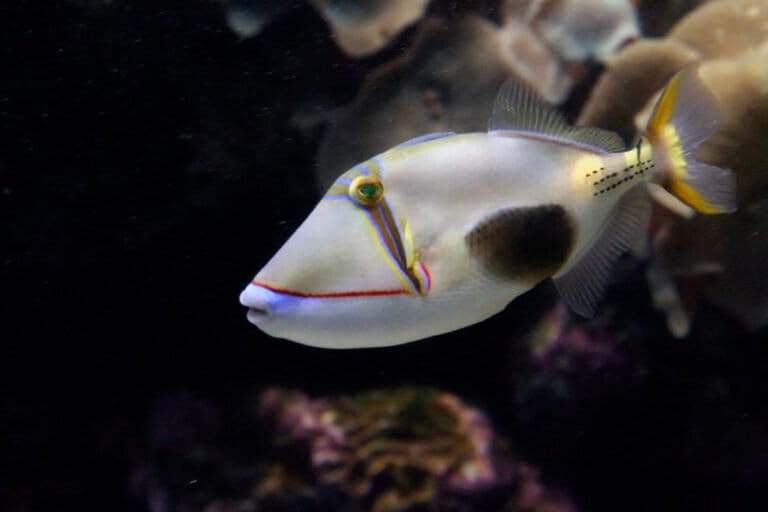
A pivotal moment in this research occurred with the 2025 publication by William R. Allison in the Journal of Coral Reef Studies. By observing the Titan Triggerfish (Balistoides viridescens) in the Maldives, India, and the Bunaken Marine Park in North Sulawesi, Indonesia, Allison provided empirical evidence that these fish function as architects of the seabed. The timeline of this research underscores a growing realization: the triggerfish is not merely an inhabitant of the reef, but an active manager of its physical composition.
The Mechanism of Bioerosion and Habitat Creation
The ecological impact of the triggerfish is centered on its feeding habits. Unlike many other reef species, the triggerfish actively breaks down hardened coral substrates to reach bivalve mollusks that bore into the reef’s internal structure. This activity is a form of bioerosion, yet it is paradoxical in its benefits.
When a single triggerfish consumes upwards of 55,000 bivalves annually, it performs a service of structural maintenance. The removal of these boring organisms prevents the internal weakening of coral skeletons. Simultaneously, the physical act of excavating the coral creates micro-topography—small holes and crevices that serve as essential nurseries for juvenile coral polyps, sponges, and small crustaceans. By opening the substrate, the triggerfish facilitates the colonization of new life, acting as a catalyst for biodiversity.
Supporting data from recent field studies suggest that a single individual can produce approximately 465 kilograms of calcium carbonate sediment per year. This sediment does not disappear; rather, it settles on the reef slope, contributing to the sand budgets that form the foundations of coral islands. In this sense, the triggerfish is a primary contributor to the physical geological growth of reef-associated landmasses.
Comparative Analysis: Triggerfish versus Parrotfish
A frequent point of debate in marine ecology is the comparative contribution of different reef-grazing fish. The parrotfish (Scaridae) is traditionally celebrated as the premier "reef cleaner." However, the findings by Allison offer a nuanced correction to this hierarchy.
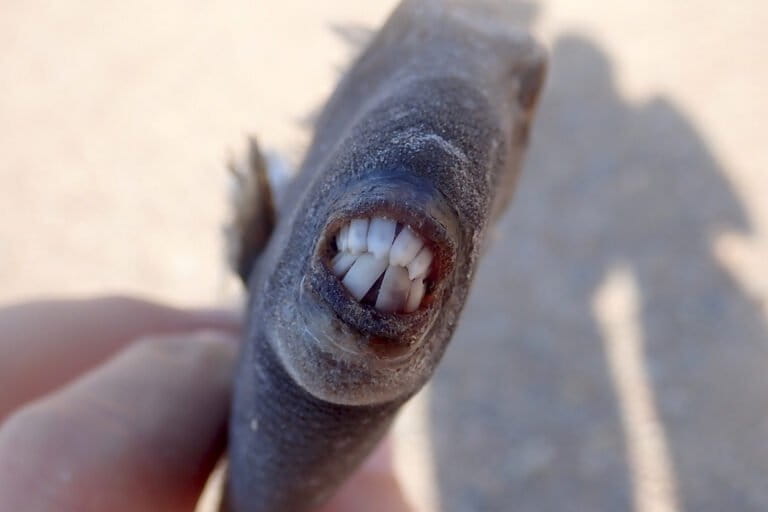
While parrotfish are more numerous and collectively process a greater volume of surface material, the individual impact of the triggerfish is more profound. Whereas the parrotfish grazes superficially to feed on algae, the triggerfish acts as a deep-subsurface excavator. Its ability to penetrate deep into the skeletal structure of dead corals provides a mechanical service that the more surface-oriented parrotfish cannot replicate. Data indicates that the triggerfish’s efficiency in producing clean, granular sediment per individual outperforms the parrotfish, marking it as a superior geological engineer on a per-capita basis.
The Double-Edged Sword of Climate Change
Despite their positive influence, the role of the triggerfish is subject to a complex "feedback loop" dictated by environmental stressors. In a healthy reef ecosystem, the triggerfish’s excavation encourages the regrowth of coral, creating a cycle of renewal that outweighs the rate of erosion.
However, the situation changes drastically in the face of ocean warming and mass bleaching events. When reefs are already stressed, the death of coral colonies attracts a surge of boring organisms. If the triggerfish population remains high, their natural instinct to excavate these boring organisms can inadvertently accelerate the collapse of weakened, bleached coral structures. This suggests that the triggerfish’s "engineering" is beneficial only when the surrounding reef ecosystem has the resilience to recover. When the reef’s regenerative capacity is compromised, the very activities that once sustained the ecosystem may inadvertently hasten its disintegration.
Implications for Marine Management
The implications for Indonesian marine policy are clear. As the nation continues to manage its extensive reef systems, the triggerfish must be elevated from a passive catch species to a recognized component of ecosystem health. Current fisheries management often overlooks the triggerfish, as it is not listed as a protected species and remains a common source of protein.
However, if the ecological services provided by these fish—such as sediment production and the removal of destructive boring mollusks—are factored into management models, there is a strong argument for sustainable harvest limits. Protecting the triggerfish is essentially protecting the structural integrity of the reefs themselves.

Furthermore, the role of these fish in "vegetative reproduction"—whereby fragments of Acropora broken by triggerfish are left in stable positions to grow anew—highlights the species’ potential as an ally in coral restoration efforts. Future conservation strategies should consider the presence of triggerfish as a key indicator of a self-sustaining, dynamic reef environment.
Conclusion
The triggerfish, or ayam-ayam, represents a fascinating intersection of biology and geology. Its powerful jaws and unique defensive traits are not just curiosities of evolution; they are the tools of an engineer tasked with the maintenance of the world’s most complex marine ecosystems. By understanding the mechanical contributions of these fish—from the production of island-building sediment to the facilitation of new coral growth—policymakers and marine scientists can better formulate strategies to shield our reefs from the compounding threats of climate change. As we move forward, the triggerfish serves as a poignant reminder that in the vast, interconnected web of the ocean, even the most overlooked creatures are often the ones holding the infrastructure together.
