The devastating twin earthquakes that struck Venezuela in June have seen their confirmed death toll escalate dramatically to 5,069 lives lost, as reported on Saturday, July 18, 2026, marking a grim update to the nation’s ongoing humanitarian crisis. Beyond the tragic fatalities, the aftermath continues to unfold with more than 21,000 individuals still residing in temporary shelters, highlighting the immense scale of displacement and the arduous recovery journey ahead for the South American nation. The Venezuelan government has also confirmed that 17,907 citizens remain without permanent homes, adding to the urgency of relief and reconstruction efforts. This staggering toll underscores the profound impact of the seismic events, which have not only claimed thousands of lives but also shattered communities and crippled critical infrastructure across affected regions.
The Earthquakes of June 24, 2026: A Dual Catastrophe
The catastrophic events unfolded on June 24, 2026, when Venezuela was rocked by two powerful earthquakes in rapid succession. The first, registering a magnitude of 7.2, was swiftly followed by an even stronger 7.5 magnitude tremor, occurring just 39 seconds later. This rare and exceptionally dangerous sequence of seismic activity left little time for residents to react or seek safety, amplifying the destructive potential. While precise epicenters have been identified by geological surveys, initial reports indicated widespread shaking across several states, particularly impacting densely populated urban centers along the Caribbean coast, where older, less resilient structures proved particularly vulnerable. Geologically, Venezuela sits at a complex and active tectonic boundary, primarily influenced by the interaction of the Caribbean Plate and the South American Plate. This region is prone to significant seismic events due to the ongoing subduction and transform faulting, making it one of the most seismically active zones in the Americas. The dual nature of these quakes, with their compounded energy release, overwhelmed many areas, triggering landslides, liquefaction, and widespread structural collapses. The immediate aftermath was characterized by chaos, widespread panic, and a desperate scramble for survival as communities grappled with the sheer force of nature’s wrath. Eyewitness accounts spoke of buildings swaying violently, roads cracking open, and the ground feeling like a turbulent sea, moments before the second, more powerful shock brought down hundreds of structures.
Unfolding Humanitarian Crisis: Displacement and Desperation
The human cost extends far beyond the fatalities, manifesting in a severe humanitarian crisis. As of the latest update, 17,907 citizens have been rendered homeless, their residences either completely destroyed or deemed unsafe for habitation. Furthermore, a staggering 21,210 individuals are currently housed in 107 temporary shelters established across the affected regions. These shelters, while providing immediate refuge, often present their own set of challenges. Overcrowding is a persistent issue, straining resources and increasing the risk of disease transmission. Access to adequate sanitation facilities, clean drinking water, and nutritious food remains a critical concern for aid organizations. Medical personnel are battling to address both immediate injuries sustained during the quakes and the emerging health issues typical of displaced populations, such as respiratory infections, gastrointestinal illnesses, and stress-related ailments.
Vulnerable populations, including children, the elderly, and individuals with disabilities, face heightened risks in these emergency settings. Many children have been separated from their families or witnessed traumatic events, necessitating urgent psychosocial support. The psychological trauma inflicted by the earthquakes is profound and pervasive. Survivors grapple with grief, anxiety, and post-traumatic stress disorder, requiring long-term mental health services that are often scarce in post-disaster scenarios. The disruption to education, livelihoods, and community networks further exacerbates the desperation, threatening to create a protracted crisis if not addressed comprehensively. Aid agencies are tirelessly working to improve conditions, but the sheer number of displaced persons and the logistical complexities in a country already facing economic headwinds present formidable obstacles.
Devastation of Infrastructure and Urban Landscape
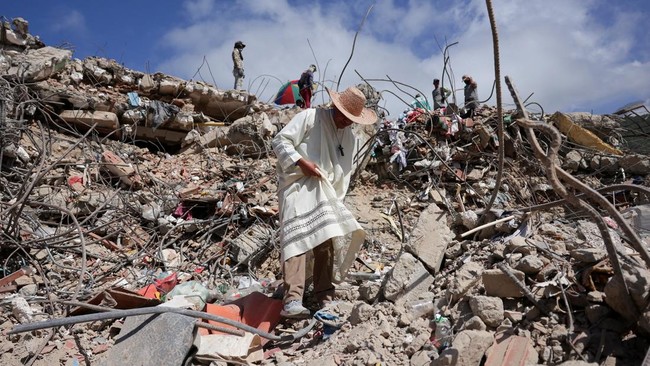
The physical destruction wrought by the earthquakes is immense, fundamentally altering the urban and rural landscapes of several Venezuelan states. Official figures indicate that 856 buildings sustained significant damage, with a shocking 190 structures reported to have collapsed entirely. These figures primarily account for residential and commercial buildings, but the damage extends to critical public infrastructure. Roads and bridges essential for transport and aid delivery have been compromised or rendered impassable, severing supply lines to isolated communities. Power grids suffered extensive damage, leading to prolonged blackouts that hindered rescue efforts and exacerbated living conditions for survivors. Water supply systems were also severely affected, raising concerns about public health and hygiene.
The collapse of hospitals, schools, and government buildings has crippled essential services, delaying medical treatment for the injured and disrupting critical administrative functions. The economic heart of some affected cities has been devastated, with businesses destroyed and livelihoods lost. The scale of physical destruction is so vast that it will require an unprecedented, multi-year reconstruction effort. Beyond the immediate structural damage, the integrity of remaining buildings is under scrutiny, with experts warning of potential hidden damage that could pose future risks. The long-term impact on urban planning and infrastructure development in Venezuela is expected to be significant, necessitating a comprehensive review of building codes and seismic resilience strategies.
Massive Search, Rescue, and Recovery Operations
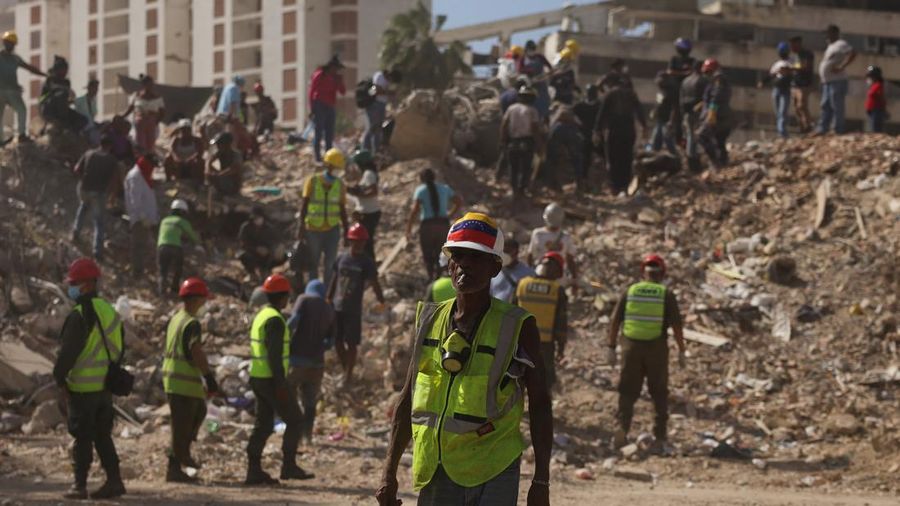
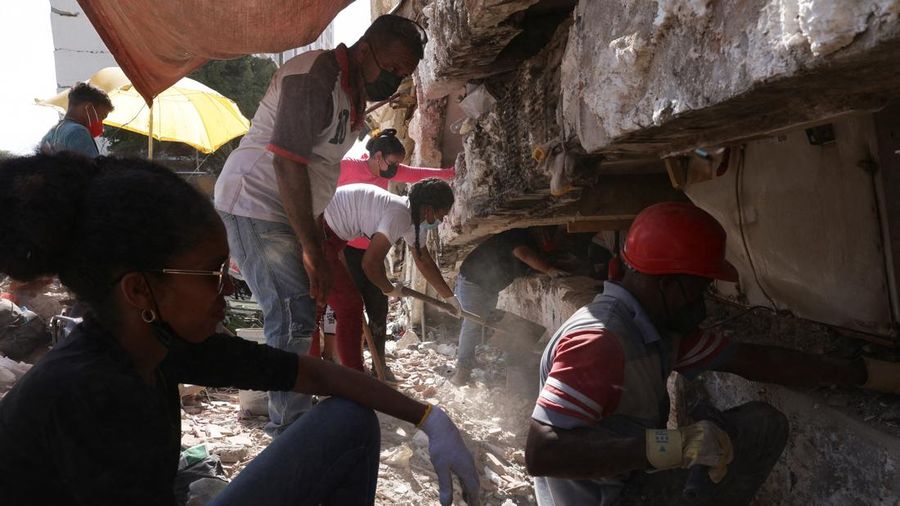
In the immediate aftermath, an immense and coordinated search, rescue, and recovery operation was launched, involving a vast array of personnel from both national and international entities. A total of 2,278 specialized rescue personnel from various foreign countries swiftly arrived, bringing with them advanced equipment, expertise in urban search and rescue (USAR), and medical aid. These international teams augmented the substantial national response, which included 30,989 personnel from various government agencies, including military, civil protection, and emergency services. Additionally, 31,745 dedicated volunteers from Venezuela and abroad joined the effort, working tirelessly alongside professional responders.
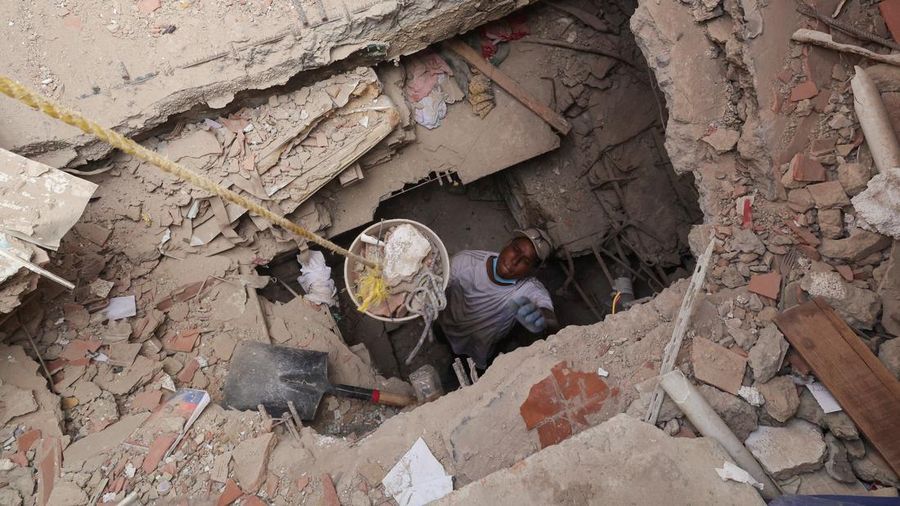
The challenges faced by these teams were monumental. Unstable piles of rubble, the constant threat of aftershocks, limited access to heavy machinery in some areas, and communication breakdowns complicated rescue efforts. The race against time to find survivors trapped beneath tons of debris was a harrowing ordeal for all involved. The United Nations has estimated that approximately 50,000 people are still missing following the quakes, a figure that includes those believed to be buried under collapsed structures and those whose whereabouts are simply unknown due to the chaos and displacement. This staggering number underscores the immense difficulty of the search and recovery mission and the profound emotional toll it takes on families desperate for news of their loved ones. As the window for finding survivors dwindled, the focus gradually shifted from active rescue to the more somber task of recovering bodies and clearing debris, a phase that continues to this day, marked by the constant discovery of new victims and the painful process of identification.
Government and International Response: A Unified Front
In response to the unparalleled disaster, the Venezuelan government promptly declared a state of emergency across the most affected regions. This declaration facilitated the rapid mobilization of national resources, including the armed forces, which played a crucial role in logistics, security, and initial rescue efforts. President Nicolás Maduro, in a national address, expressed deep condolences to the victims’ families and pledged the government’s full commitment to recovery, emphasizing that no effort would be spared in assisting those affected. The government established national coordination centers to streamline the distribution of aid and manage rescue operations, working closely with international partners.
The international community responded with an outpouring of solidarity and support. Numerous countries and international organizations swiftly deployed search and rescue teams, medical personnel, and humanitarian aid. The United Nations Office for the Coordination of Humanitarian Affairs (UN OCHA) launched an appeal for emergency funding, coordinating efforts among various UN agencies like UNICEF, WHO, and WFP. The International Federation of Red Cross and Red Crescent Societies (IFRC) activated its disaster response mechanisms, sending emergency relief supplies, including tents, blankets, hygiene kits, and medical provisions. Countries like Cuba, Russia, China, and several European and Latin American nations were among the first to offer assistance, providing specialized teams, financial aid, and essential goods. The United States also offered technical assistance and humanitarian aid through its disaster relief agencies. However, the existing geopolitical complexities and Venezuela’s strained international relations in recent years presented some initial logistical hurdles, requiring delicate coordination to ensure aid reached those most in need without political interference. Despite these challenges, the collective international response demonstrated a global commitment to humanitarian assistance in times of crisis.
Economic Fallout and Long-Term Reconstruction Challenges
The economic fallout from the June earthquakes is anticipated to be severe and long-lasting, exacerbating Venezuela’s already precarious economic situation. Preliminary assessments suggest that the cost of reconstruction will run into billions of US dollars, a formidable challenge for a nation grappling with hyperinflation, sanctions, and a prolonged economic crisis. The destruction of homes, businesses, and critical infrastructure has led to a massive loss of livelihoods, particularly in sectors such as small-scale commerce, agriculture, and tourism. Thousands of individuals are now unemployed, further straining social welfare programs and increasing poverty levels.
The damage to key transportation routes and port facilities will disrupt supply chains, potentially leading to shortages of essential goods and increased prices. The reconstruction process itself will require vast amounts of building materials, skilled labor, and financial capital, resources that are not readily available domestically. International development assistance will be crucial, but securing long-term funding commitments may prove difficult given the country’s economic and political landscape. Experts warn that without substantial and sustained international support, Venezuela’s recovery could be protracted, potentially taking a decade or more to rebuild to pre-disaster levels. The disaster also presents an opportunity, albeit a tragic one, to rebuild with greater resilience, incorporating advanced seismic engineering standards and sustainable urban planning practices to mitigate the impact of future seismic events.
Voices from the Ground and Future Outlook
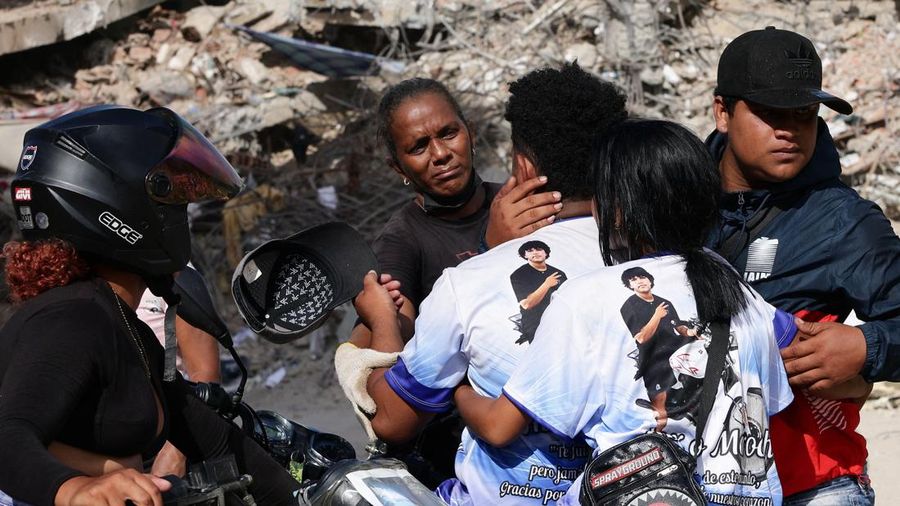
Amidst the ongoing devastation, the resilience of the Venezuelan people shines through, even as they grapple with unimaginable loss. "We have lost everything, but not our hope," shared a survivor in a temporary shelter, echoing the sentiment of many who are determined to rebuild their lives. Government officials, while acknowledging the overwhelming scale of the disaster, reiterated their commitment. "Our priority remains the safety and well-being of every Venezuelan citizen. We are profoundly grateful for the global solidarity and will work tirelessly until every community is restored," stated a spokesperson for the Ministry of Interior and Justice. Aid workers on the ground, like one from Doctors Without Borders, described the immense human suffering: "The scale of this crisis demands a sustained, coordinated global response. We are seeing incredible bravery, but the needs are vast, from basic necessities to long-term psychological support."
The path to recovery for Venezuela will be arduous and protracted, requiring sustained national effort and unwavering international support. Beyond immediate relief, the focus must shift towards long-term resilience, including the implementation of more robust building codes, investment in early warning systems, and comprehensive community preparedness programs. This catastrophic event serves as a stark reminder of humanity’s vulnerability to natural disasters and the imperative for global cooperation in times of crisis. The coming months and years will test Venezuela’s resolve, but with collective action, the nation aims to emerge stronger and more resilient from the rubble.