
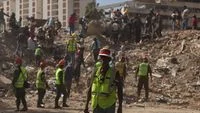
CARACAS, VENEZUELA – The catastrophic earthquake that struck Venezuela in late June has seen its confirmed death toll rise dramatically to 5,069, nearly a month after the dual seismic events shattered communities across the nation. As of Saturday, July 18, 2026, the devastating aftermath continues to unfold, with over 21,000 individuals still displaced and housed in temporary shelters, highlighting an escalating humanitarian crisis that demands urgent and sustained international attention. The Venezuelan government and a vast network of international and local aid organizations are grappling with the immense scale of destruction, a recovery effort complicated by widespread infrastructure damage and a staggering number of missing persons.
The initial tremors, which struck on June 24, 2026, unleashed an unprecedented level of destruction. Venezuela, situated at the complex intersection of the Caribbean and South American tectonic plates, is no stranger to seismic activity. The country lies along a complex fault system, including the Boconó Fault, which is one of the most active in South America. Historically, Venezuela has experienced numerous significant earthquakes, such as the 1812 Caracas earthquake and the 1967 Caracas earthquake, which caused considerable loss of life and structural damage. However, the events of late June were particularly ferocious, comprising two powerful earthquakes: one measuring a magnitude 7.2 and the other a magnitude 7.5. These colossal seismic events occurred with an alarming proximity of just 39 seconds apart, effectively delivering a one-two punch that maximized structural damage and minimized any chance for residents to react or seek safety between the quakes. Initial geological assessments from the Venezuelan Seismological Research Foundation (FUNVISIS) suggest a shallow focal depth for both events, a critical factor that significantly amplified the destructive energy reaching the surface and contributed to the widespread collapse of buildings and infrastructure, particularly in the more densely populated coastal areas and major urban centers. The immediate aftermath plunged affected regions into chaos, with widespread power outages, communication blackouts, and impassable roads severely hampering initial rescue efforts, isolating communities, and delaying vital assistance.
Chronology of Catastrophe and Response
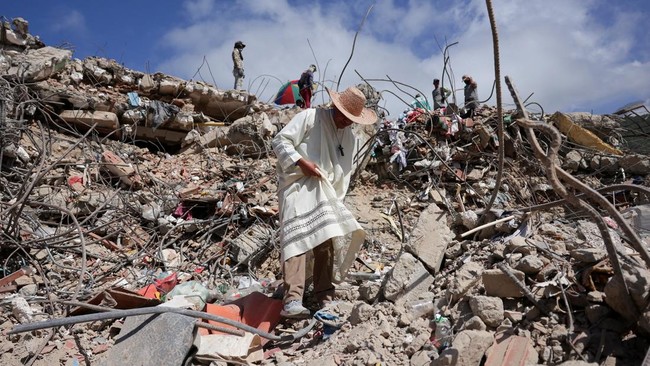
The morning of June 24, 2026, began like any other for millions of Venezuelans, but by midday, the country was in the throes of an unparalleled disaster. The twin earthquakes, with their epicenters likely offshore or in coastal regions, were felt across a broad swath of the country, from the capital Caracas to remote rural areas. Eyewitness accounts spoke of buildings swaying violently, then disintegrating into dust and debris within seconds. The sound of collapsing structures was reportedly deafening, followed by an eerie silence punctuated only by the cries of the injured and trapped. Emergency services were immediately overwhelmed by the sheer volume of calls for help, and many first responders found their own facilities damaged.
In the immediate hours following the disaster, the Venezuelan government swiftly declared a national state of emergency across several affected states, mobilizing all available national resources. Military units, civil protection agencies, and local emergency services were dispatched to the hardest-hit areas, but the sheer scale of the destruction presented formidable challenges. Roads were fractured, bridges collapsed, and vital infrastructure like hospitals and communication towers were either severely damaged or completely destroyed. This initial logistical nightmare meant that many affected areas remained cut off, delaying critical search and rescue operations during the crucial "golden hours" for finding survivors. The lack of heavy machinery in many remote areas further complicated efforts to clear debris and access collapsed buildings.
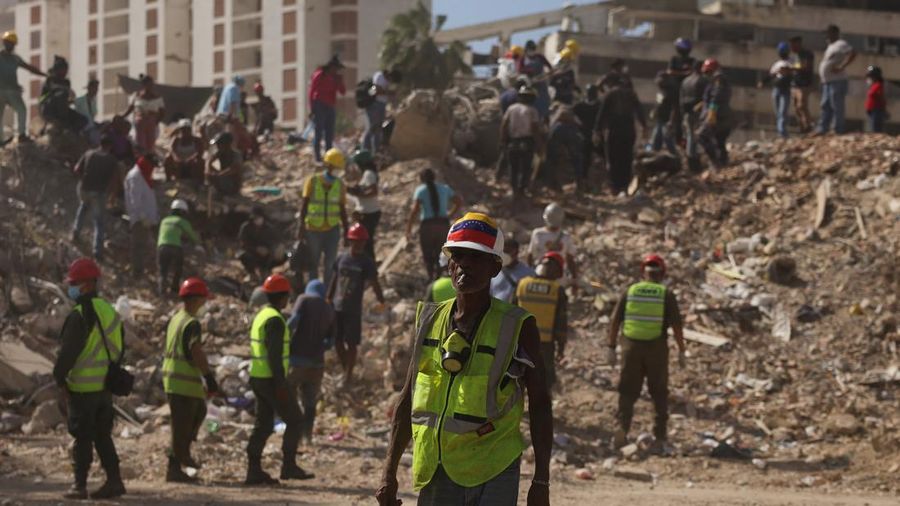
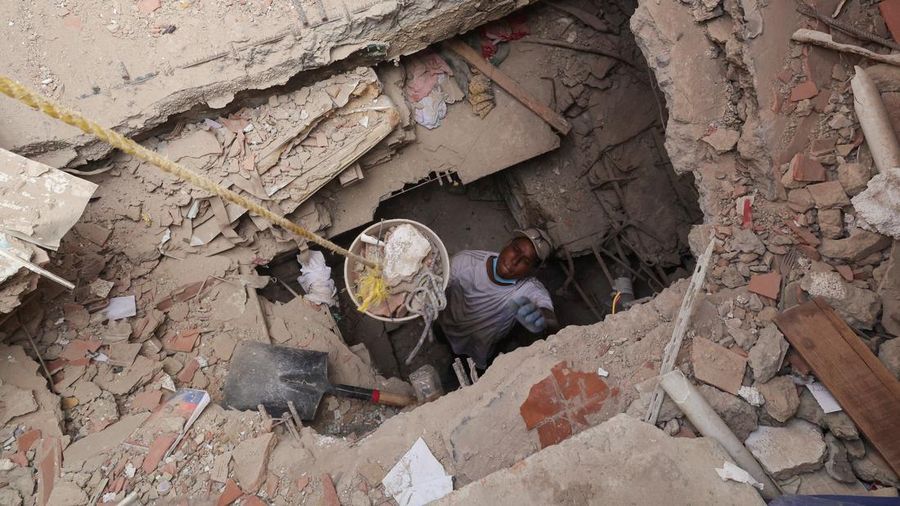
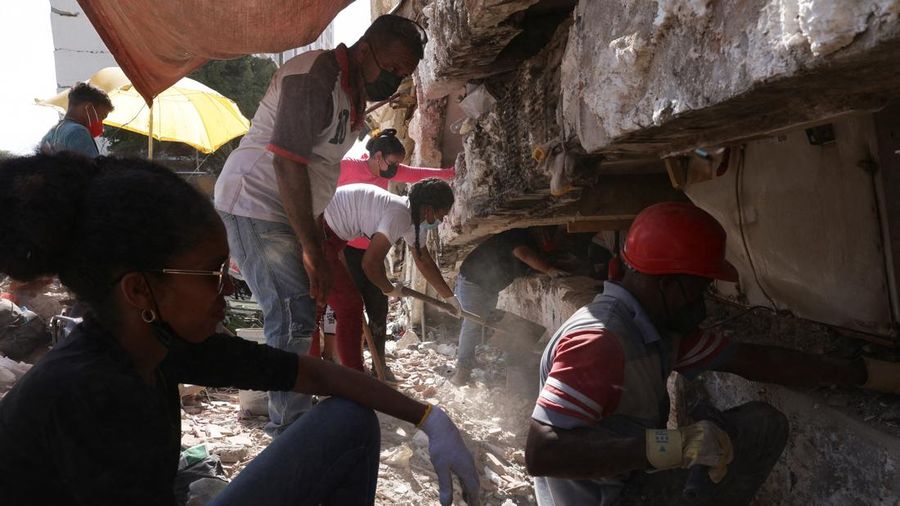
Within the first week, as the true extent of the devastation became clearer through aerial surveys and harrowing ground reports, the international community began to respond. Requests for international assistance were issued by Caracas, and humanitarian aid began to trickle in. Specialized urban search and rescue (USAR) teams from various countries, equipped with advanced detection technology such as ground-penetrating radar and trained K9 units, started arriving at Simón Bolívar International Airport. Their expertise was crucial in navigating complex rubble sites and locating individuals trapped beneath the collapsed structures. However, the sheer volume of rubble from 190 totally collapsed buildings and hundreds more severely damaged structures meant that progress was agonizingly slow and often dangerous for the rescuers. The emotional toll on rescue workers, sifting through the remains of homes and communities, was immense, as they often faced the grim reality of recovering bodies rather than survivors.
By mid-July, nearly a month after the quakes, the focus had shifted significantly from immediate rescue to recovery and humanitarian relief. The death toll, which had steadily climbed from initial estimates, reached 5,069 by July 18. This figure, confirmed by official sources and often updated daily, reflects the grim reality of the disaster’s human cost. Moreover, the United Nations Office for the Coordination of Humanitarian Affairs (OCHA) has issued a stark warning, estimating that approximately 50,000 people remain missing, trapped beneath the colossal amounts of debris or otherwise unaccounted for. This staggering number underscores the ongoing challenge of identifying victims and providing closure to grieving families, many of whom have little hope of finding their loved ones alive, with rescue efforts transitioning into recovery operations.
Scale of Devastation and Mounting Humanitarian Needs
The human toll of the Venezuelan earthquake extends far beyond the tragic loss of life. The government reports that 17,907 citizens have been rendered homeless, their residences either completely destroyed or deemed unsafe for habitation due to structural instability. These individuals, along with thousands of others whose homes may still be standing but lack essential services, are now part of the more than 21,210 people currently seeking refuge in 107 temporary shelters established across the affected regions. Many more are likely staying with relatives or in makeshift accommodations, uncounted in official figures.
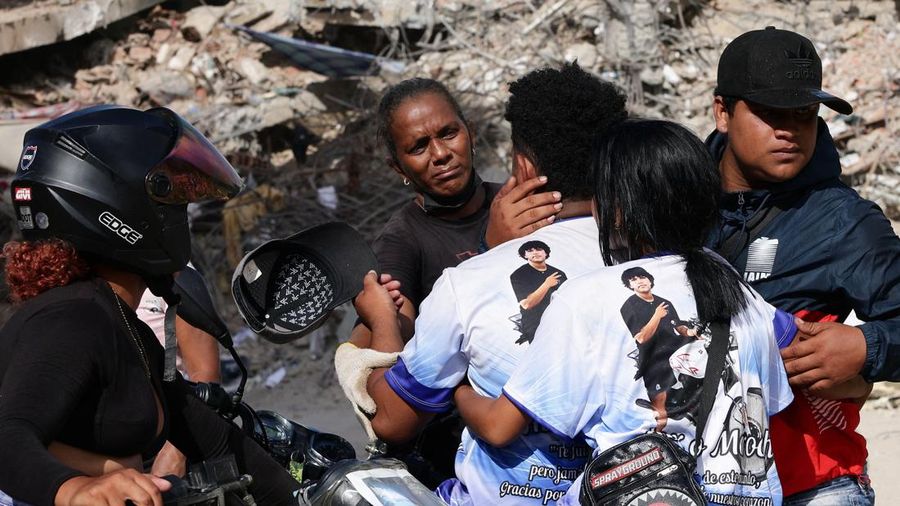
Conditions in these temporary shelters, while providing immediate safety and a roof overhead, are often challenging. Overcrowding is a significant concern, leading to strained resources and increased risk of disease transmission. Limited access to adequate sanitation facilities, including clean water and latrines, exacerbates public health risks, with humanitarian organizations warning of potential outbreaks of waterborne diseases such as cholera and dysentery. Food security is also a pressing issue, as supply chains have been disrupted, and many families have lost their livelihoods. The psychological trauma experienced by survivors, many of whom witnessed their homes and communities crumble, or lost family members in the blink of an eye, is profound. Mental health support and psychosocial services are critically needed, yet often overlooked, components of the humanitarian response. Children, in particular, are vulnerable to long-term psychological distress, having experienced sudden and violent disruption to their lives, separation from family members, and the loss of their educational environment.
The structural damage inflicted by the earthquakes is extensive and pervasive, painting a grim picture of urban and rural destruction. Official figures indicate that 856 buildings sustained significant damage, with 190 of them completely collapsing. This includes not only residential buildings but also vital public infrastructure that underpins societal function. Hospitals and health clinics have been compromised, limiting access to medical care for the injured and those with pre-existing conditions, further straining an already fragile healthcare system. Schools have been reduced to rubble or rendered unsafe, disrupting the education of thousands of children and jeopardizing their future. Roads, bridges, and communication networks have been severely impacted, isolating communities and complicating the delivery of aid, making it difficult for relief convoys to reach remote areas. Power grids and water supply systems have also suffered substantial damage, leading to prolonged blackouts and severe water shortages in many areas, further exacerbating the humanitarian crisis and impeding recovery efforts. The economic impact on local businesses and livelihoods, particularly in agriculture, fishing, and small-scale commerce, is devastating, threatening long-term food security and economic recovery for affected communities, many of whom rely on these sectors for survival.
Coordinated Response and International Solidarity
In the face of such overwhelming destruction, the response has been a testament to both national resolve and international solidarity. The Venezuelan government has deployed an impressive force of 30,989 personnel from various state institutions, including the military, national police, civil protection, and health ministries. These national teams have been instrumental in initial rescue operations, establishing emergency relief centers, clearing debris, conducting damage assessments, and coordinating aid distribution across a complex logistical landscape. Their efforts, often carried out under extremely hazardous conditions and with limited resources, have been critical in saving lives and providing immediate relief to affected populations.
Complementing these national efforts, 2,278 international rescue personnel have joined the Venezuelan teams, forming a multinational force dedicated to disaster response. These specialized units, often equipped with advanced search and rescue tools, heavy lifting equipment, and medical supplies, have played a crucial role in navigating complex rubble sites and extracting survivors. Countries from across the globe, responding to Venezuela’s urgent call for assistance, have dispatched medical teams, set up field hospitals, provided emergency food supplies, deployed water purification units, and supplied temporary shelter materials. The United Nations Office for the Coordination of Humanitarian Affairs (OCHA) has been actively involved in coordinating the international response, ensuring that aid is delivered efficiently, avoids duplication, and reaches those most in need. Agencies like UNICEF have focused on protecting vulnerable children, providing child-friendly spaces and essential supplies. The World Health Organization (WHO) has supported health interventions and disease surveillance, while the International Federation of Red Cross and Red Crescent Societies have been on the ground providing vital services ranging from emergency shelter and health interventions to sanitation and hygiene support, leveraging their extensive network of volunteers.
Crucially, the spirit of community and resilience among the Venezuelan people has been evident through the mobilization of 31,745 local volunteers. These dedicated individuals, working tirelessly alongside professional responders, have contributed to search efforts, debris removal, setting up community kitchens, and distributing essential supplies to their neighbors. Their intimate knowledge of local areas and strong community ties have proven invaluable in reaching vulnerable populations in remote or hard-to-access areas and tailoring aid efforts to specific needs. This grassroots involvement underscores the collective effort required to confront a disaster of this magnitude and highlights the innate human desire to help in times of crisis.
Broader Implications and the Path to Recovery
The catastrophic earthquakes of June 2026 have left an indelible mark on Venezuela, presenting a multifaceted challenge that will require years of sustained effort and significant international resources to overcome. The immediate humanitarian crisis, characterized by a high death toll, widespread displacement, and an alarming number of missing persons, is only the beginning of a long and arduous journey towards recovery.
The economic implications are profound and will reverberate through the Venezuelan economy for years. The cost of rebuilding damaged infrastructure—homes, schools, hospitals, roads, and utilities—will run into billions of dollars. This financial burden comes at a time when Venezuela’s economy has already been facing severe challenges, including hyperinflation, international sanctions, and a significant decline in oil production, which is the country’s primary revenue source. The diversion of national resources towards disaster recovery will undoubtedly strain public finances further, potentially impacting other critical social programs, public services, and long-term development initiatives. Livelihoods have been destroyed across various sectors, particularly for those in small businesses, agriculture, and fishing. This necessitates robust and long-term economic recovery programs to help communities rebuild sustainably, restore economic activity, and create new opportunities for those who have lost everything.
Beyond the immediate crisis, the long-term humanitarian needs of the affected population are immense. Providing permanent and safe housing solutions for the nearly 18,000 homeless individuals, along with the thousands still in temporary shelters, is a monumental task that will require extensive planning and investment. Ensuring access to quality healthcare, particularly for those with chronic conditions and trauma-related injuries, will remain a priority for years, alongside the urgent need to rebuild and restore educational facilities to ensure children can return to learning environments. Access to clean water, sanitation, and hygiene facilities will also require significant infrastructure repair and investment to prevent future public health crises. The psychological trauma, particularly among children and those who lost loved ones or experienced severe disruption, will require sustained mental health support programs and community-based psychosocial services to help individuals cope and rebuild their lives. Public health concerns, including the risk of waterborne diseases in crowded shelters and the potential for vector-borne diseases due to stagnant water, will necessitate continuous monitoring and intervention efforts.
The disaster also highlights critical lessons for disaster preparedness and resilience in Venezuela. Experts from international geological and engineering bodies are likely to emphasize the urgent need for stricter and enforced building codes, especially in seismically active zones, and significant investment in resilient infrastructure that can withstand future seismic events. Enhancing early warning systems, improving seismic monitoring capabilities, and developing comprehensive public awareness campaigns on earthquake safety are also vital steps for future mitigation. These measures require not only technical expertise but also strong political will and sustained funding.
The international community’s role will extend far beyond emergency relief. Sustained financial assistance, technical expertise, and long-term development support will be crucial for Venezuela’s comprehensive recovery and reconstruction efforts. The coordination of these efforts will require robust and transparent partnerships between the Venezuelan government, international organizations, and donor countries to ensure aid effectiveness and accountability. This disaster has underscored the interconnectedness of global humanitarian response, demonstrating that collective action and enduring solidarity are essential when a nation faces a crisis of such overwhelming proportions. The path to recovery will be arduous and protracted, demanding patience, perseverance, and unwavering commitment, but the combined efforts of a resilient populace and a compassionate international community offer the best hope for Venezuela to emerge from the rubble and rebuild stronger and more resilient for the future.

