
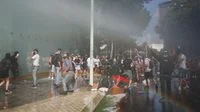
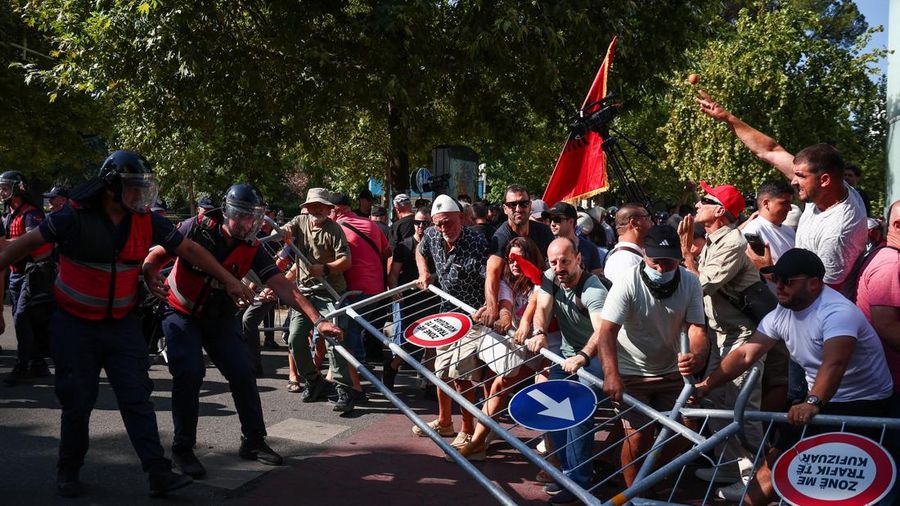
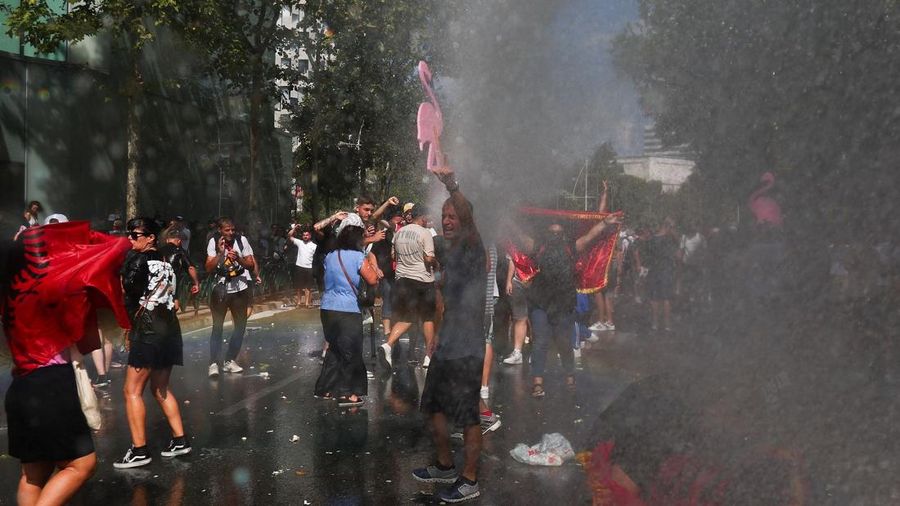
Tirana, Albania, was plunged into chaos on Thursday, July 23, 2026, as thousands of anti-government protesters clashed violently with police in the capital, escalating weeks of simmering discontent into a direct confrontation. The demonstrations, initially sparked by a controversial luxury resort development project linked to Jared Kushner, son-in-law of former U.S. President Donald Trump, have broadened into a nationwide outcry against alleged systemic corruption within Prime Minister Edi Rama’s administration and a demand for his immediate resignation. Security forces deployed water cannons and tear gas to disperse the agitated crowds gathered outside the parliament building, while protesters retaliated by attempting to breach police barricades and throwing objects, including eggs, marking a significant intensification of political unrest in the Balkan nation.
Escalation of Protests and Violent Clashes
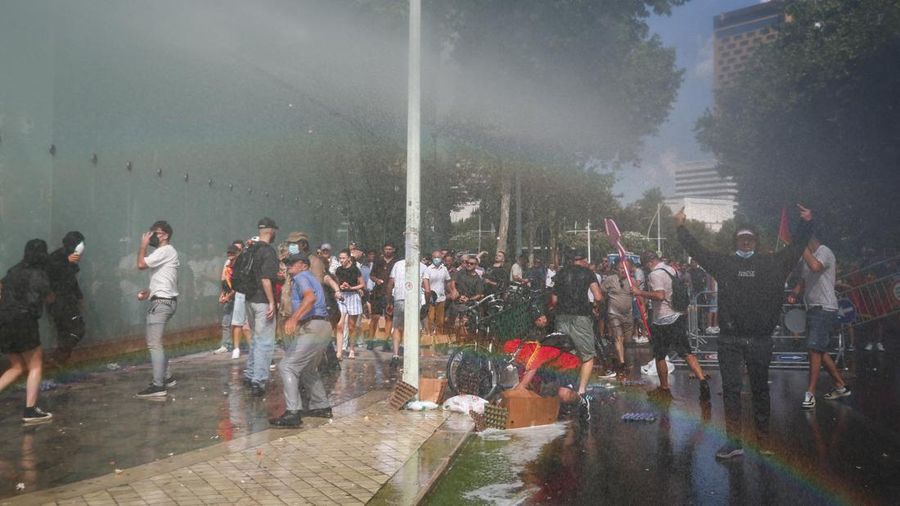
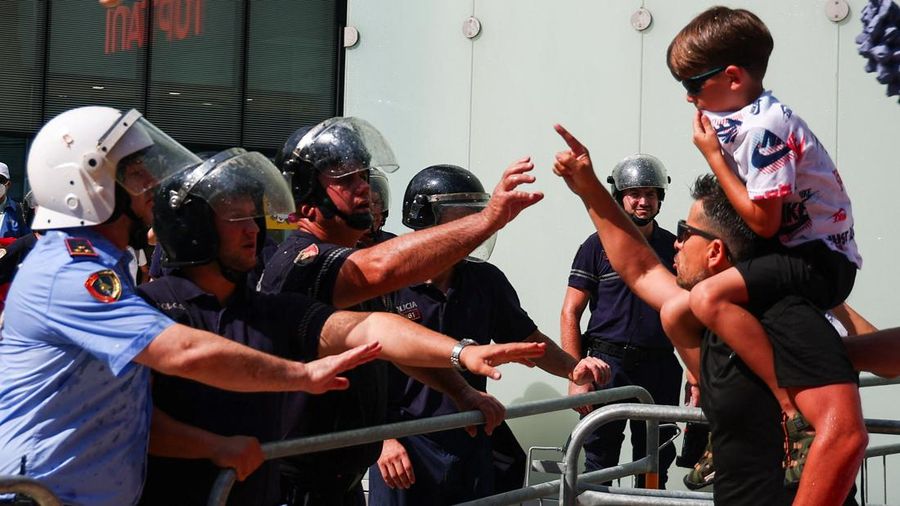
The latest wave of protests reached a boiling point on July 23, 2026, coinciding with a parliamentary session, underscoring the demonstrators’ intent to directly challenge the government. As thousands converged on the city center, a palpable tension hung in the air, quickly giving way to direct confrontation. Riot police, equipped with protective gear, had established robust barricades around the parliament complex in an attempt to cordon off the area and prevent protesters from approaching the legislative building. However, the sheer volume and determination of the crowd, fueled by weeks of frustration, led to repeated attempts to dismantle these barriers.
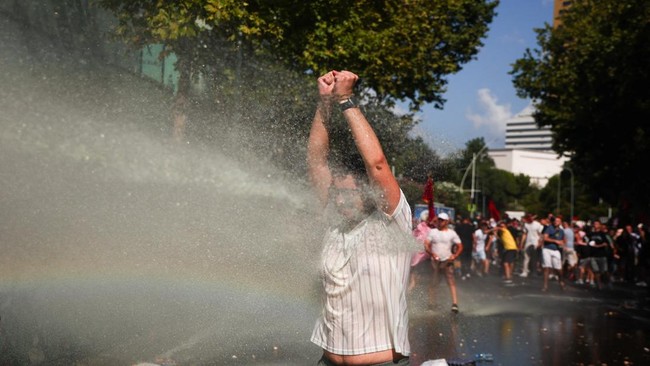
Eyewitness accounts and media reports described a volatile scene where police resorted to forceful measures, deploying high-pressure water cannons directly at the demonstrators, sending streams of water arcing over the crowd. The use of tear gas further exacerbated the situation, creating a dense, choking haze that caused widespread discomfort and disorientation among protesters, many of whom were seen reacting viscerally to the irritants. Despite the harsh police response, a significant number of demonstrators held their ground, some retaliating by throwing various projectiles, including eggs, at the lines of riot police. The clashes resulted in a number of injuries on both sides, though specific figures were not immediately released. The images broadcast globally depicted a nation in turmoil, with citizens demanding accountability from their leaders in a dramatic display of public anger. This day marked a critical juncture in the ongoing political struggle, highlighting the deep chasm between the government and a significant portion of the Albanian populace.
The Genesis of Grievances: Luxury Resorts and Environmental Concerns
The current wave of public anger finds its roots in a series of controversial development projects, most notably a proposed luxury resort on Albania’s environmentally sensitive Adriatic coast. This particular project gained international notoriety due to its association with a company reportedly linked to Jared Kushner, the son-in-law of former U.S. President Donald Trump. Details surrounding the deal, including land acquisition processes and environmental impact assessments, have been shrouded in secrecy, fueling suspicions of backroom deals and preferential treatment. Environmental activists and local communities have voiced strong opposition, warning of irreversible damage to fragile ecosystems, pristine beaches, and valuable marine life that characterize the Adriatic coastline, which is a vital part of Albania’s natural heritage and burgeoning tourism industry.
Critics argue that the government’s push for such large-scale, high-impact developments often bypasses standard regulatory procedures and lacks sufficient public consultation. The concern extends beyond environmental degradation to the broader issue of economic sovereignty and equitable development. Many Albanians fear that these projects primarily benefit a select few connected to the ruling elite, rather than contributing to sustainable growth that genuinely improves the livelihoods of ordinary citizens. The perceived lack of transparency and the high-profile international investor associated with the initial project became a potent symbol of alleged cronyism and corruption, galvanizing opposition beyond environmental circles to include broader segments of society concerned about governance and justice. This initial spark quickly ignited a wider movement, drawing attention to other similar construction ventures along the coast and in protected areas, all of which are now viewed through the lens of potential corruption and misuse of public resources.
Deep-Seated Allegations of Corruption and Public Dissatisfaction
The demand for Prime Minister Edi Rama’s resignation stems from widespread and deep-seated allegations of corruption that have plagued his administration for years. Protesters and opposition parties accuse the government of fostering a culture of impunity, where public funds are siphoned off through inflated contracts, illicit land deals, and favoritism in public procurement processes. The controversial resort project, with its high-profile international connections, merely served as a catalyst, bringing these underlying grievances to the fore.
Albania, a candidate country for the European Union, has consistently faced scrutiny over its rule of law and anti-corruption efforts. International reports, such as Transparency International’s Corruption Perception Index, have repeatedly highlighted the country’s persistent challenges in combating graft, often placing it in the lower half of European nations. This perceived failure to address systemic corruption not only erodes public trust but also undermines Albania’s aspirations for closer integration with the EU, which demands robust democratic institutions and a transparent governance framework.
Beyond the specific allegations of corruption in development projects, the protests also reflect broader public dissatisfaction with the quality of public services. Demonstrators have voiced frustrations over inadequate healthcare, an education system struggling with resources, and perceived inefficiencies in public administration. Many feel that despite promises of reform and economic progress, the benefits have not trickled down to the general population, exacerbating economic disparities and a sense of hopelessness, particularly among the youth. High unemployment rates, especially outside major urban centers, coupled with a rising cost of living, have further fueled the public’s anger, creating fertile ground for widespread anti-government sentiment. The confluence of these factors has transformed what began as specific project-related protests into a comprehensive movement challenging the legitimacy and integrity of the entire government.
Political Landscape and Prime Minister Edi Rama’s Tenure
Prime Minister Edi Rama, a former artist and mayor of Tirana, has been at the helm of Albania’s government since 2013, leading the Socialist Party to multiple electoral victories. His tenure, initially marked by ambitious reform agendas aimed at modernizing the country and advancing its European Union integration bid, has increasingly been overshadowed by persistent allegations of corruption and a growing sense of political polarization. Rama’s government has undertaken significant infrastructure projects and has been credited with some economic stabilization, but critics argue that these achievements have come at the cost of democratic principles and transparency.
Throughout his time in office, Rama has navigated numerous political crises, often characterized by boycotts from opposition parties and large-scale public demonstrations. His leadership style, frequently described as centralized and assertive, has drawn both praise from supporters for its decisive nature and condemnation from opponents who view it as autocratic and dismissive of dissent. The current wave of protests represents one of the most significant challenges to his authority, reflecting a widespread erosion of public trust that transcends traditional political divides.
The opposition, primarily led by the Democratic Party, has capitalized on the public’s discontent, throwing its full weight behind the anti-government demonstrations. Opposition leaders have repeatedly called for snap elections and a transitional government, accusing Rama of systematically dismantling democratic checks and balances and entrenching corruption. While the opposition’s unity has sometimes wavered, the current public outrage over the development projects and broader corruption claims has provided a rallying point, enabling them to mobilize significant numbers of citizens who feel disenfranchised and unheard by the ruling party. The ongoing political deadlock and the escalating street protests pose a serious threat to Albania’s domestic stability and its international standing.
Government’s Stance and Official Responses
In response to the escalating protests and persistent allegations, Prime Minister Edi Rama’s administration has maintained a firm stance, vehemently denying any wrongdoing and dismissing the accusations of corruption as politically motivated attacks by the opposition. Government spokespersons have consistently asserted that all development projects, including the controversial luxury resort, adhere to national laws and international standards, emphasizing their crucial role in boosting Albania’s economy, creating jobs, and attracting foreign investment.
During his public appearances and statements, Prime Minister Rama has often portrayed the protests as an attempt by the opposition to destabilize the country and undermine legitimate democratic processes, rather than a genuine expression of public grievance. He has defended his government’s development agenda as essential for Albania’s progress and its path towards European integration, arguing that critics are attempting to impede economic growth. Regarding the environmental concerns, officials have stated that comprehensive impact assessments were conducted and that measures are in place to mitigate any potential ecological damage.
Following the clashes on July 23, the Ministry of Interior and the State Police issued statements condemning the violence, accusing a segment of the protesters of inciting disorder and attacking law enforcement officers. They emphasized the police’s duty to maintain public order and protect state institutions, asserting that force was used only as a last resort to prevent further escalation and ensure the safety of both citizens and property. The government has also reiterated its commitment to dialogue, but only within established institutional frameworks, implicitly rejecting the demands for Rama’s resignation under pressure from street protests. This unwavering position suggests a government determined to weather the storm, confident in its mandate and its development vision for Albania.
International Reactions and Calls for Calm
The escalating situation in Albania has not gone unnoticed by the international community, particularly by its European partners and key allies. Given Albania’s status as a candidate country for European Union membership, the bloc has a vested interest in the country’s political stability, democratic governance, and rule of law. While specific punitive measures have not been announced, official statements from the EU and various member states have consistently called for restraint from all sides, urging dialogue and adherence to democratic principles.
Representatives from the European Commission and the European Parliament have expressed concerns over the clashes, emphasizing the importance of respecting the right to peaceful protest while condemning any acts of violence. They have underscored that Albania’s progress towards EU integration is contingent upon its ability to uphold democratic standards, combat corruption effectively, and ensure transparency in governance. The controversies surrounding major development projects, especially those with international links, are being closely monitored, as they reflect directly on the country’s investment climate and regulatory environment.
Furthermore, given the involvement of a company linked to Jared Kushner, the U.S. government, through its embassy in Tirana, has also likely been observing the developments with keen interest. While direct intervention or explicit endorsements are rare, the U.S. typically advocates for peaceful resolution of disputes, respect for human rights, and the strengthening of democratic institutions in its partner countries. Implicitly, any perception of corruption or instability could impact bilateral relations and investment confidence. International organizations like the Council of Europe have also historically monitored Albania’s democratic processes, and the current unrest is expected to draw their attention, potentially leading to calls for independent investigations into the allegations and the conduct of both protesters and law enforcement. The collective message from the international community is one of urging de-escalation, promoting accountability, and ensuring that political differences are resolved through legal and democratic means.
Broader Implications for Albania’s Future
The protracted protests and the escalating political tensions carry significant implications for Albania’s domestic stability, economic outlook, and its long-term aspirations for European Union integration. Domestically, the ongoing unrest risks deepening the existing political polarization, making it increasingly difficult for the government to implement its agenda and for the opposition to constructively participate in governance. A prolonged period of instability could deter much-needed foreign investment, particularly in the tourism sector which relies heavily on a perception of safety and tranquility, and which is ironically the focus of many of the controversial development projects. Economic growth, already facing global headwinds, could be further hampered, leading to higher unemployment and increased social discontent.
Crucially, the allegations of corruption and the government’s handling of the protests could significantly impede Albania’s EU accession process. The European Union places paramount importance on the rule of law, the fight against corruption, and the strengthening of democratic institutions as core conditions for membership. Any perception of backsliding in these areas, particularly in a high-profile manner involving international figures, could lead to delays in negotiations or even a halt to progress. This would be a major setback for a country that has invested considerable political capital in its European future.
Moreover, the protests highlight a critical societal debate within Albania regarding development priorities versus environmental protection and social equity. The push for large-scale projects, while promising economic benefits, often clashes with local community interests and environmental sustainability concerns. The outcome of these protests could shape future policy decisions on how Albania balances economic growth with responsible governance and environmental stewardship. The events of July 23, 2026, therefore, represent more than just a momentary clash; they are a potent manifestation of deep-seated issues that will define Albania’s trajectory in the coming years, testing the resilience of its democratic institutions and the commitment of its leaders to genuine reform and accountability.
Chronology of Events Leading to the Clashes
The dramatic confrontations on July 23, 2026, were the culmination of several weeks of mounting tensions and organized protests across Albania. While the exact starting date of the current wave of discontent is fluid, key events and grievances can be traced back through the preceding months:
- Early 2026: Reports begin to circulate about a proposed large-scale luxury resort project on Albania’s Adriatic coast, with initial details suggesting involvement of a company linked to Jared Kushner.
- March-April 2026: Environmental groups and local activists raise alarm bells, citing potential ecological damage to sensitive coastal areas and questioning the transparency of the land acquisition and permitting processes. Initial small-scale protests and public forums are held in affected regions and Tirana.
- May 2026: Opposition political parties seize upon the controversy, publicly accusing the Edi Rama government of favoritism, lack of transparency, and corruption in granting licenses for the resort and other similar development projects along the coast and in protected natural zones. They begin calling for official investigations and public accountability.
- Early June 2026: Protests grow in size and frequency, transitioning from localized environmental concerns to broader anti-government demonstrations. Key opposition figures join the rallies, articulating demands for an end to what they describe as systemic corruption and a demand for the government’s resignation.
- Mid-June 2026: The government, through various ministries and Prime Minister Rama himself, issues firm denials of all corruption allegations. They defend the development projects as vital for economic growth and job creation, accusing the opposition of political opportunism and hindering national progress.
- Late June 2026: The protests begin to draw thousands, particularly in Tirana. Marches and sit-ins become more common, often targeting government buildings. The rhetoric from both sides hardens, with protesters chanting slogans directly calling for PM Rama to step down.
- Early July 2026: The government tightens security around key institutions in Tirana. Minor skirmishes between protesters and police are reported, mostly involving attempts to break through security cordons, but without widespread violence.
- Week of July 19, 2026: As a parliamentary session approaches, opposition parties issue a strong call for a massive demonstration, aiming to exert maximum pressure on the government. Public mobilization efforts intensify across social media and traditional channels.
- July 23, 2026: Thousands converge on Tirana, culminating in direct and violent clashes with riot police outside the parliament building, as demonstrators attempt to breach barricades. Police deploy water cannons and tear gas, while protesters respond with thrown objects, marking a significant escalation in the ongoing political crisis.
This chronological progression illustrates how specific concerns over a development project, amplified by allegations of corruption, coalesced with broader public grievances against the government, leading to the confrontational events witnessed on this critical day.

