
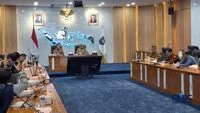
The Indonesian Ministry of Home Affairs (Kemendagri), in a pivotal collaborative effort with the Corruption Eradication Commission (KPK), has unveiled an extensive program aimed at proactively preventing corruption in regional administrations nationwide. This strategic partnership, announced by Minister of Home Affairs Tito Karnavian during a joint press conference with KPK leadership on Friday, July 24, 2026, underscores a renewed commitment to upholding integrity and transparency at the local level, where public services and development initiatives are most directly implemented. The initiative is specifically designed to address systemic vulnerabilities and foster a culture of accountability among regional officials, recognizing the critical role local governments play in national development and the persistent challenges posed by corruption in these spheres.
The Pervasive Threat: Why Regional Corruption Matters
Corruption at the regional level in Indonesia has long been a significant impediment to effective governance, equitable resource distribution, and sustainable development. With Indonesia’s decentralized administrative structure, regional governments manage substantial budgets and have broad authority over public services, infrastructure projects, and licensing. This autonomy, while intended to foster local development and democratic participation, has unfortunately also created numerous opportunities for malfeasance. The KPK has, over the years, prosecuted numerous regional heads, including governors, regents, and mayors, alongside other local officials, for various corruption offenses. These cases, often involving bribery, embezzlement, and abuse of power, have eroded public trust, diverted critical funds from public welfare, and distorted market competition. Transparency International’s Corruption Perception Index (CPI) consistently highlights challenges in Indonesia’s public sector, with local government integrity being a recurring concern. This new collaboration between Kemendagri and KPK thus comes as a timely and necessary intervention, aiming to preempt corrupt practices rather than merely prosecuting them post-facto. It signals a shift towards a more preventative and educational approach, acknowledging that systemic issues require systemic solutions.
Unveiling the Vulnerabilities: A Deep Dive into Corruption Hotspots
Minister Tito Karnavian meticulously outlined several critical areas identified as highly susceptible to corrupt practices within regional administrations. These "red zones" represent the focal points for the upcoming prevention program, indicating a granular understanding of how corruption manifests in local governance.
One significant vulnerability lies in planning and budgeting processes. This includes "program titipan" (earmarked or ‘pork barrel’ programs), where certain projects are inserted into the budget without genuine public need, often serving the interests of specific political figures or groups. Similarly, "pokok pikiran yang tidak selaras" (misaligned legislative aspirations) often refers to budget allocations influenced by members of the Regional House of Representatives (DPRD) that may not align with broader development priorities but rather with individual or group interests, potentially leading to conflicts of interest or quid pro quo arrangements. The creation of "proyek tanpa kebutuhan dibuat" (projects without genuine need) further exemplifies how public funds can be wasted on unnecessary endeavors, frequently initiated to facilitate rent-seeking opportunities.
Procurement of goods and services stands out as another notoriously high-risk area. This includes "pengadaan barang dan jasa" in general, where the process can be manipulated through various means. "Pergeseran tanpa justifikasi" (unjustified budget shifts) allows for funds to be moved from their intended purposes to less transparent projects. Tactics such as "pengaturan pemenang" (bid rigging), where contracts are pre-determined for specific companies, and "pemecahan paket" (package splitting), which involves breaking large contracts into smaller ones to avoid competitive bidding thresholds or to award them to preferred vendors, are common. The manipulation of "HPS (harga perkiraan sendiri) yang tidak wajar" (unreasonable Owner’s Estimate) allows for inflated project costs, creating opportunities for kickbacks. Furthermore, "pekerjaan fiktif" (fictitious work), "pengurangan volume" (reduction in volume or quality of work), and "adendum tidak wajar" (unjustified contract addendums) are prevalent methods to siphon off public funds during project execution.
In the realm of payments, vulnerabilities include "pembayaran yang sebelum pekerjaan selesai" (payments made before work is completed) and "bukti tidak valid" (invalid evidence or receipts), which facilitate fraudulent claims and embezzlement.
ASN (State Civil Apparatus) management also presents significant corruption risks. "Jual beli jabatan" (the sale and purchase of positions) undermines meritocracy, leading to the appointment of unqualified individuals and fostering a culture of patronage. "Mutasi berbasis kedekatan" (transfers based on proximity or personal connections) similarly erodes professionalism and creates opportunities for favoritism.
Permit and licensing processes are frequently exploited for illicit gains. "Suap percepatan" (bribes for expedited processing), "pungutan tidak resmi" (unofficial levies), and "intervensi tata ruang" (intervention in spatial planning decisions) are common forms of corruption that distort economic activity and can lead to environmental degradation or unfair competition.
Furthermore, revenue collection is susceptible to "kebocoran pajak dan retribusi" (tax and levy leakage) and "manipulasi basis data" (database manipulation), which result in significant losses for regional treasuries, depriving the public of essential services.
Finally, the management of Regional Owned Assets (BMD), Regional Owned Enterprises (BUMD)/Regional Public Service Agencies (BLUD), and grants (hibah) is fraught with risks. This encompasses "penguasaan aset oleh pihak lain" (control of assets by unauthorized parties), "pemanfaatan tanpa kontribusi" (use of assets without proper contribution to the region), and "transaksi afiliasi" (affiliated transactions) that benefit insiders. "Intervensi pengurus dan pengadaan" (intervention in management and procurement) for BUMDs and BLUDs often leads to inefficiency and illicit gains. The selection of "penerima tidak valid" (invalid recipients) for social assistance grants, coupled with "kepentingan politik" (political interests) influencing allocations and "pertanggungjawaban fiktif" (fictitious accountability reports), ensures that funds meant for the most vulnerable are diverted. These detailed insights highlight the complexity and multi-faceted nature of corruption in local governance, necessitating a targeted and multi-pronged approach for effective prevention.
Comprehensive Strategy: Eight Pillars of Prevention
To address these pervasive vulnerabilities, Minister Tito Karnavian elaborated on eight core areas that will form the backbone of the joint Kemendagri-KPK anti-corruption strategy. These pillars represent a holistic framework designed to strengthen governance mechanisms and ethical conduct across various governmental functions:
- Planning and Budgeting: This area will focus on enhancing transparency, public participation, and oversight in the formulation and allocation of regional budgets. The goal is to eliminate opaque processes that enable "program titipan" and misaligned spending, ensuring that public funds are directed towards genuine community needs.
- Procurement of Goods and Services: Efforts here will concentrate on reinforcing fair competition, increasing transparency in tender processes, and implementing robust oversight mechanisms to prevent bid rigging, package splitting, and inflated HPS, which are common avenues for corruption.
- Public Services: The program aims to streamline bureaucratic procedures, reduce opportunities for unofficial levies, and improve the efficiency and accessibility of public services, thereby mitigating the risk of bribery and petty corruption.
- Licensing: This pillar will target the simplification of licensing processes, the establishment of clear service standards, and the reduction of discretionary power that can lead to "suap percepatan" and other forms of extortion.
- Oversight by Internal Supervisory Apparatus (APIP): Strengthening the capacity, independence, and effectiveness of APIPs within regional governments is crucial. This includes enhancing their investigative capabilities and ensuring their findings lead to concrete corrective actions, acting as the first line of defense against malfeasance.
- Governance (Tata Kelola): This broad category encompasses improving overall administrative systems, fostering good corporate governance principles within regional entities, and ensuring adherence to ethical standards across all levels of regional government.
- ASN Management: The focus here is on promoting merit-based recruitment, promotion, and transfer systems, thereby eradicating the "sale and purchase of positions" and patronage-based appointments that undermine professional public service.
- Management of Regional Assets, Taxes, Levies, and Gratification: This pillar addresses the efficient and transparent management of public assets, ensuring proper valuation and utilization. It also seeks to plug leakages in tax and levy collection and to establish robust mechanisms for reporting and handling gratification, preventing conflicts of interest and illicit enrichment.
These eight areas collectively cover the spectrum of governmental operations prone to corruption, providing a structured approach for intervention and reform.
Special Focus: High-Risk Sectors Under Scrutiny
Beyond the general areas, the joint program will dedicate special attention to several sectors identified as carrying exceptionally high corruption risks due to their significant financial flows, complex management structures, or direct impact on public welfare:
- Regional Owned Assets (BMD): Ensuring transparent inventory, valuation, utilization, and disposal of regional assets to prevent their illegal control or misuse by private interests.
- Regional Owned Enterprises (BUMD) and Regional Public Service Agencies (BLUD): Strengthening corporate governance, management oversight, and procurement processes within these entities to prevent interventions, affiliated transactions, and other forms of financial manipulation.
- Social Assistance Grants (Hibah Bantuan Sosial): Implementing stricter verification of recipients, transparent allocation processes, and robust accountability mechanisms to prevent the diversion of funds intended for vulnerable populations, often influenced by political motives.
- DPRD’s Aspirations/Pokir (Pokok Pikiran): Establishing clear guidelines and oversight for the articulation and budgeting of legislative aspirations to ensure they genuinely serve public interest rather than becoming vehicles for personal or political gain.
- Village Funds (Dana Desa): Given the substantial annual allocations and the remote nature of many villages, strict monitoring and capacity building for village officials are paramount to prevent embezzlement and misuse of these funds crucial for rural development.
These targeted areas highlight the commitment to addressing corruption in its most concentrated and impactful forms, recognizing the unique challenges each sector presents.
Nationwide Outreach: Implementation and Phased Approach
The implementation of this ambitious program will involve extensive educational and training initiatives led jointly by Kemendagri and KPK. The primary target audience includes a wide array of regional stakeholders: regional heads and their deputies, chairpersons and representatives of the Regional House of Representatives (DPRD), regional secretaries, and other key regional apparatus officials. This broad outreach ensures that leadership at all levels is equipped with the knowledge and tools to prevent corruption.
The program is structured around 10 regional clusters, with each cluster encompassing two or three provinces. The educational activities are planned to be hosted in designated "tuan rumah" (host) provinces, typically at the governor’s office or relevant provincial agency premises, facilitating broad participation from neighboring regions.
Minister Tito Karnavian indicated that the activities are slated to commence in the upcoming week or beginning in August of 2026. The initial phase of this extensive program will strategically roll out in East Java and Bali, two provinces with diverse administrative landscapes and economic activities, making them ideal pilot locations for identifying best practices and refining the program’s methodology.
The collaborative framework outlines clear responsibilities for both Kemendagri and KPK. They will jointly undertake the crucial tasks of:
- Developing comprehensive training materials: Ensuring the content is relevant, practical, and addresses the specific corruption risks identified.
- Mapping regions and their specific risks: A tailored approach will be adopted, recognizing that corruption vulnerabilities can vary significantly across different provinces and districts.
- Preparing expert speakers and facilitators: Drawing upon the expertise of anti-corruption specialists, legal professionals, and experienced governance practitioners.
- Formulating corrective actions: Collaboratively designing concrete, actionable steps that regional governments must undertake to improve their integrity systems and governance practices.
This structured, phased approach, beginning with key regions, aims to create a ripple effect, gradually strengthening anti-corruption efforts across the entire archipelago.
Broader Context: KPK’s Mandate and Past Efforts
The Corruption Eradication Commission (KPK) was established in 2003 with a formidable mandate to combat corruption in Indonesia through investigation, prosecution, and prevention. Its role as an independent body with broad powers has been crucial in tackling high-profile corruption cases, including those involving senior government officials and politicians. Over the past two decades, the KPK has brought numerous regional heads to justice, serving as a stark reminder of the risks associated with public office. For instance, data from the KPK indicates that dozens of regional heads have been ensnared in corruption cases since the commission’s inception, a figure that continually underscores the pervasive nature of this crime at the local level. These arrests, while demonstrating the KPK’s effectiveness in law enforcement, also highlight the urgent need for robust prevention strategies. The collaboration with Kemendagri, the ministry responsible for overseeing regional administrations, is a logical and powerful synergy, combining the KPK’s anti-corruption expertise with Kemendagri’s administrative authority and reach. This partnership moves beyond punitive measures alone, focusing on systemic improvements and capacity building to create a more resilient and ethical public service. This proactive stance is aligned with global best practices in anti-corruption, which emphasize prevention and education as equally vital components alongside enforcement.
Stakeholder Perspectives and Anticipated Outcomes
The joint initiative has been met with positive anticipation from various stakeholders. During the press conference, the presence of KPK leadership alongside Minister Tito Karnavian underscored the commission’s full backing for the preventative approach. While no direct quotes were provided from KPK leaders in the original article, their participation inherently signifies their commitment to working hand-in-hand with Kemendagri to address the root causes of corruption. It is reasonable to infer that KPK leaders emphasized the urgency of such a program, given their extensive experience with regional corruption cases, and expressed their readiness to deploy their expertise in training and risk assessment.
From the perspective of regional governments, the program is expected to be largely welcomed, albeit with the understanding that it entails stricter oversight and greater accountability. Regional heads and officials are likely to view this as an opportunity to enhance their governance practices and protect themselves from potential legal ramifications. Anti-corruption watchdogs and civil society organizations, which have long advocated for stronger preventative measures and transparency in local governance, are also likely to commend this initiative. They would likely highlight the importance of consistent implementation and genuine political will to ensure the program’s success, emphasizing that training must be followed by tangible reforms and strict enforcement.
The anticipated outcomes of this comprehensive program are far-reaching. By systematically addressing corruption hotspots and empowering regional officials with knowledge and ethical frameworks, the initiative aims to:
- Improve Public Trust: Rebuilding public confidence in government institutions by demonstrating a proactive commitment to integrity.
- Enhance Service Delivery: Ensuring public funds are utilized efficiently for their intended purposes, leading to better infrastructure, healthcare, education, and other essential services.
- Strengthen Regional Governance: Fostering a culture of transparency, accountability, and meritocracy within regional administrations.
- Promote Economic Development: Creating a fairer and more predictable business environment by reducing unofficial levies and corruption in licensing and procurement.
- Reduce Financial Leakages: Safeguarding regional budgets from embezzlement and misuse, allowing for greater investment in sustainable development.
Challenges and the Path Forward
Despite the robust framework and clear objectives, the successful implementation of such an ambitious anti-corruption program will undoubtedly face challenges. These include ensuring consistent political will across all levels of government, overcoming entrenched bureaucratic resistance to change, and navigating the complexities of local political dynamics. The effectiveness of the training and educational modules will depend on their ability to genuinely influence behavior and foster a deep-seated commitment to integrity among officials. Moreover, continuous monitoring, evaluation, and adaptation of the program will be crucial to respond to evolving corruption patterns and ensure its long-term impact. The role of technology, such as e-procurement systems, e-planning platforms, and digital public service portals, will also be vital in enhancing transparency and reducing human interaction points where corruption often thrives. Ultimately, the Kemendagri-KPK collaboration represents a significant step forward in Indonesia’s ongoing battle against corruption, laying a strong foundation for more ethical, efficient, and accountable regional governance. Its success will not only benefit local communities but also significantly bolster Indonesia’s overall integrity and global standing.

