
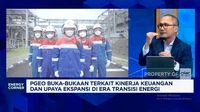
Jakarta, CNBC Indonesia – PT Pertamina Geothermal Energy Tbk (PGEO), a prominent player in Indonesia’s renewable energy sector, has outlined an ambitious capital expenditure (CAPEX) target of USD 209 million for 2026. This significant investment is strategically allocated, with USD 158 million earmarked for the development of strategic projects aimed at fostering growth and innovation, while approximately USD 51 million will be dedicated to ensuring the reliability and sustained efficiency of existing operations. This financial commitment underpins PGEO’s broader strategy to expand its footprint in geothermal energy generation and diversify into high-value green derivative products, positioning the company at the forefront of Indonesia’s energy transition.
Yurizki Rio, Finance Director of Pertamina Geothermal Energy, emphasized that these strategic development initiatives for geothermal projects and their derivatives are designed not only to serve as new revenue streams but also to invigorate investment interest across the broader geothermal sector. This holistic approach seeks to leverage Indonesia’s immense geothermal potential, translating it into tangible economic and environmental benefits. The company’s vision extends beyond conventional power generation, embracing a future where geothermal resources underpin a diversified green economy.
PGEO’s strategic focus for derivative geothermal projects centers on three key areas: Green Hydrogen, Green Ammonia, and the establishment of Green Centers. These initiatives represent a significant pivot towards value-added products, moving beyond electricity generation to tap into emerging global markets for sustainable fuels and industrial inputs. By 2026, PGEO is also targeting a substantial 3.15% growth in electricity output, projected to increase from 5,085 Gigawatt-hours (GWh) to 5,255 GWh. This expansion in generation capacity is expected to translate into robust financial performance, with targeted revenues between USD 445 million and USD 455 million, and an EBITDA (Earnings Before Interest, Taxes, Depreciation, and Amortization) forecast of USD 340 million to USD 350 million. This anticipated growth is primarily driven by the increasing demand from PT Perusahaan Listrik Negara (PLN), Indonesia’s state-owned electricity utility, which serves as a crucial off-taker for PGEO’s generated power. The details of these ambitious targets and strategies were discussed in an exclusive dialogue between Syarifah Rahma and Yurizki Rio on CNBC Indonesia’s Squawk Box, broadcast on Thursday, April 16, 2026.
Indonesia’s Geothermal Promise: A Strategic Context
Indonesia, strategically located on the "Ring of Fire," boasts the world’s largest geothermal potential, estimated at approximately 29 Gigawatts (GW). Despite this vast resource, only a fraction, roughly 2.3 GW, has been utilized for power generation to date. This presents an enormous untapped opportunity for the nation to decarbonize its energy mix and achieve its ambitious climate targets. The government has consistently championed geothermal energy as a cornerstone of its renewable energy agenda, aiming to increase its share in the national energy mix and reduce reliance on fossil fuels. This commitment is articulated in national energy policies, including the National Energy Policy (KEN) and the Electricity Supply Business Plan (RUPTL) of PLN, which outline significant increases in renewable energy capacity, with geothermal playing a pivotal role.
PGEO, as a subsidiary of the state-owned energy giant PT Pertamina (Persero), is uniquely positioned to spearhead this transition. Its extensive operational experience, coupled with the financial backing and strategic alignment with national objectives, provides a strong foundation for its aggressive expansion plans. The company’s initial public offering (IPO) in early 2023 was a landmark event, signaling investor confidence in Indonesia’s geothermal future and providing PGEO with crucial capital to fund its growth trajectory. This public listing not only diversified PGEO’s funding sources but also enhanced transparency and governance, aligning it with global best practices for sustainable energy companies.
Strategic Projects: Driving Diversification and Value Creation
The USD 158 million allocated for strategic projects highlights PGEO’s commitment to innovation and diversification. The focus on Green Hydrogen, Green Ammonia, and Green Centers represents a forward-thinking approach to leveraging geothermal resources beyond conventional electricity generation.
Green Hydrogen: Produced through the electrolysis of water using renewable electricity, green hydrogen is gaining global recognition as a crucial energy carrier and a decarbonization solution for hard-to-abate sectors such as heavy industry, transportation, and chemical production. Geothermal energy, with its continuous and stable base-load power, is an ideal source for producing green hydrogen, offering a competitive advantage over intermittent renewables like solar and wind. PGEO’s foray into green hydrogen positions Indonesia to become a significant player in the burgeoning global hydrogen economy, potentially serving both domestic industrial demand and export markets.
Green Ammonia: As a derivative of green hydrogen, green ammonia is produced by combining green hydrogen with nitrogen from the air. It serves multiple purposes: a clean fuel for shipping and power generation, a crucial component in fertilizers, and a viable medium for transporting hydrogen over long distances. The development of green ammonia production facilities powered by geothermal energy would significantly reduce the carbon footprint of industrial processes and agricultural practices, contributing to a more sustainable economy. Indonesia, with its vast agricultural sector, stands to benefit immensely from domestically produced green ammonia.
Green Centers: The concept of Green Centers implies integrated hubs where geothermal energy is used to power various sustainable activities, potentially including research and development facilities, manufacturing of green products, and even eco-tourism initiatives. These centers could serve as incubators for new green technologies, foster local economic development, and showcase Indonesia’s commitment to a circular economy. They could also attract further foreign investment in green technologies and create skilled jobs in the renewable energy sector.
Financial Targets and Market Dynamics
PGEO’s ambitious financial targets for 2026 – 3.15% electricity output growth to 5,255 GWh, revenues of USD 445-455 million, and EBITDA of USD 340-350 million – are underpinned by a robust market demand scenario. The increasing electricity demand from PLN is a critical driver. As Indonesia’s economy grows and urbanization continues, the demand for reliable and affordable electricity escalates. PLN, in line with national energy policies, is under immense pressure to integrate more renewable energy sources into its grid, reducing its reliance on coal and other fossil fuels. PGEO, with its expanding geothermal capacity, directly supports PLN’s objectives, ensuring a stable and clean power supply.
The allocation of USD 51 million for operational reliability is equally crucial. Geothermal power plants, while having high upfront costs, offer low operational costs and high capacity factors once established. Investing in maintenance, technology upgrades, and efficiency improvements ensures the long-term viability and consistent performance of PGEO’s assets, minimizing downtime and maximizing output. This balanced CAPEX strategy—investing in both growth and operational excellence—reflects sound financial management and a commitment to sustainable value creation.
Broader Impact and Implications
PGEO’s strategic direction has profound implications for Indonesia’s energy landscape, economic development, and global climate commitments.
Accelerating Energy Transition: By expanding geothermal capacity and diversifying into green derivatives, PGEO is directly contributing to Indonesia’s goal of achieving Net Zero Emissions by 2060 or sooner. Geothermal energy provides a critical base-load renewable power source that can complement intermittent renewables like solar and wind, ensuring grid stability and reliability during the transition away from fossil fuels. This move aligns with the global push towards cleaner energy systems and positions Indonesia as a leader in geothermal development.
Economic Development and Investment: The significant CAPEX plan and the development of new green industries are expected to stimulate economic activity. Construction of new power plants and derivative facilities will create jobs, both directly and indirectly, across various sectors. The emergence of green hydrogen and green ammonia production could also attract substantial foreign direct investment into Indonesia, particularly from countries and companies seeking to secure supplies of clean fuels and industrial inputs. This could transform local economies in regions where geothermal resources are abundant, fostering technological transfer and skill development.
Environmental Benefits: The most evident implication is the reduction in greenhouse gas emissions. Replacing fossil fuel-based electricity generation with geothermal power, and producing green hydrogen and ammonia, will significantly lower Indonesia’s carbon footprint. This contributes directly to global efforts to combat climate change and improves local air quality. Moreover, the responsible development of geothermal resources can also lead to more sustainable land use and water management practices in the regions where projects are located.
Regional Leadership: Indonesia has the potential to become a regional hub for geothermal technology and expertise. PGEO’s advancements can serve as a model for other countries in the Ring of Fire region and beyond, fostering international collaboration and knowledge sharing in renewable energy development. This could enhance Indonesia’s diplomatic standing and influence in global energy forums.
Challenges and Future Outlook
While the opportunities are immense, challenges remain. Geothermal development is capital-intensive and often involves significant upfront exploration risks. Drilling for geothermal resources can be unpredictable, and the initial costs of establishing a power plant are high. Furthermore, securing off-take agreements with PLN at commercially viable tariffs and navigating complex regulatory frameworks can sometimes pose hurdles. However, the Indonesian government has been increasingly proactive in addressing these challenges, offering incentives, streamlining permitting processes, and providing clearer regulatory guidance to attract more investment into the sector.
Looking beyond 2026, PGEO’s long-term vision likely involves continuous innovation, further expansion into new geothermal fields, and deeper integration into the global green economy supply chains. The success of its green hydrogen and green ammonia initiatives could pave the way for other green industrial developments, creating a virtuous cycle of sustainable growth. The dialogue with Yurizki Rio on CNBC Indonesia underscores a strategic, well-articulated plan designed to capitalize on Indonesia’s natural endowments and contribute significantly to a sustainable global future. As the world accelerates its transition to clean energy, PGEO’s strategic investments and diversification efforts position it as a critical enabler of Indonesia’s green transformation.

