

The maritime incident involving the Virgo Transport 8 has triggered a significant humanitarian response, with 69 survivors arriving at the Port of Trisakti in Banjarmasin, South Kalimantan, on Sunday, September 13, 2026. The survivors, part of a larger group of 107 individuals rescued following a maritime disaster in the Java Sea, were transported to the port via the MV Haida. Upon arrival, they were immediately processed by a joint team of emergency responders, medical personnel, and maritime authorities to assess their physical and psychological well-being.
Chronology of the Maritime Disaster
The distress signals from the Virgo Transport 8 were received by maritime authorities during the early hours of the weekend. The vessel, which was navigating the treacherous waters of the Java Sea, encountered severe technical or environmental conditions that led to the distress situation. While the exact cause of the accident remains under investigation by the National Transportation Safety Committee (NTSC), initial reports suggest that the vessel suffered a critical failure during transit, necessitating an immediate abandonment of the ship by the passengers and crew.
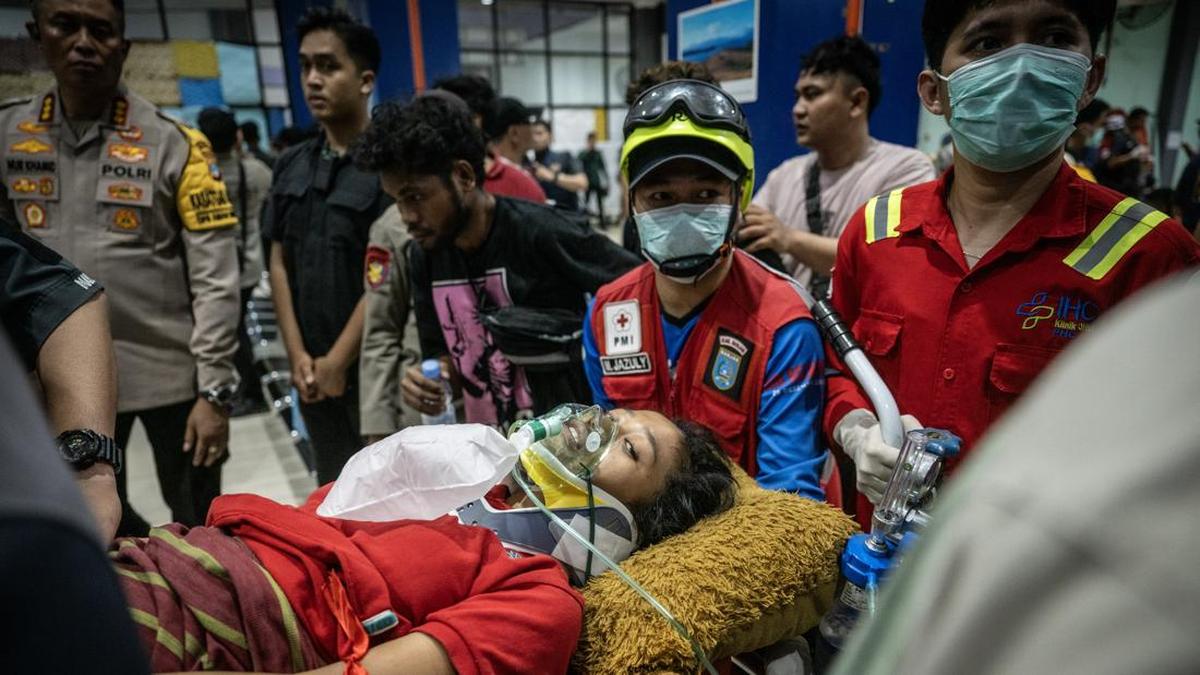
Search and Rescue (SAR) operations were launched immediately, involving a collaborative effort between the Indonesian Search and Rescue Agency (Basarnas), the Indonesian Navy, and commercial vessels operating in the vicinity, including the MV Haida, which played a pivotal role in the retrieval of the victims. Of the total passengers and crew on board, 107 individuals were confirmed as survivors. The arrival of the 69 survivors in Banjarmasin represents the largest single group of victims to be processed at this facility thus far, marking a critical milestone in the ongoing recovery mission.
Emergency Medical Response at Port of Trisakti
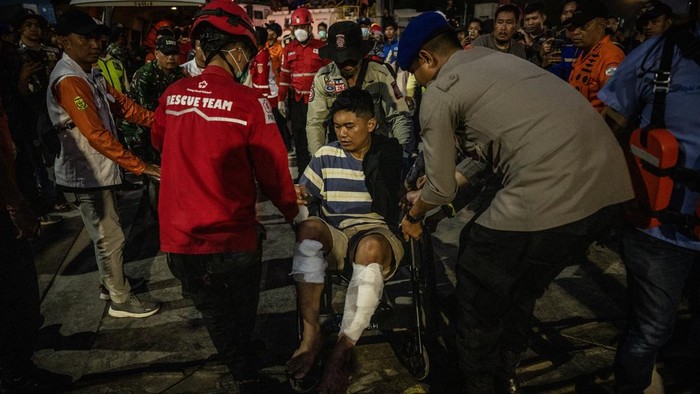
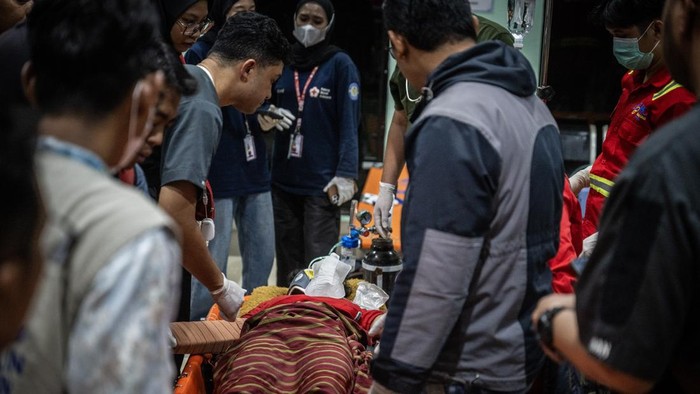
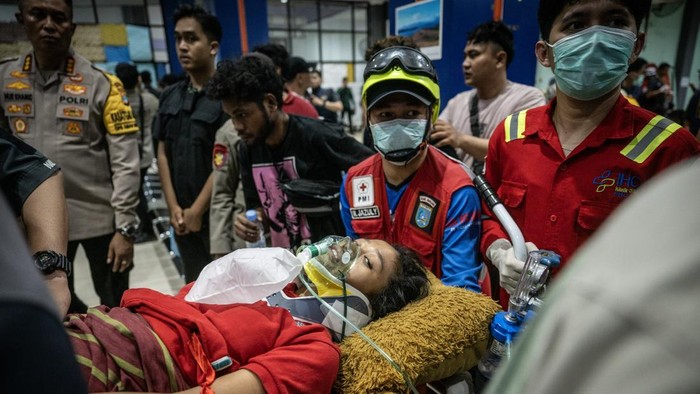
Upon the docking of the MV Haida at the Port of Trisakti, a pre-established medical triage zone was activated by local health authorities. The scene was characterized by a high degree of organization, with ambulances and medical teams from various regional hospitals standing by to provide immediate stabilization for those suffering from hypothermia, dehydration, and minor physical injuries sustained during the evacuation process.
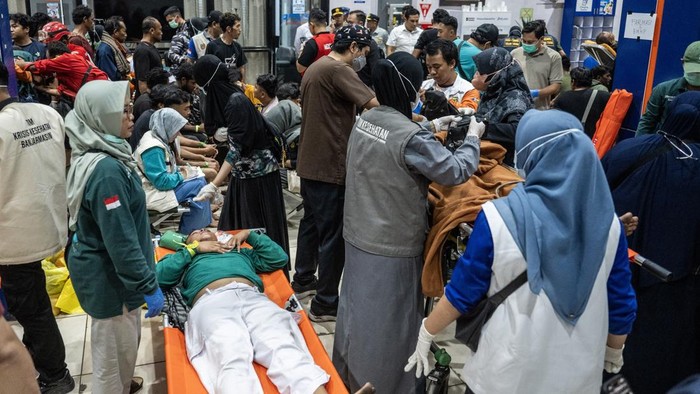
Health officials at the scene indicated that the triage process was essential to categorize the survivors based on the severity of their condition. While many of the passengers were found to be in stable condition, others required more intensive care due to the prolonged exposure to the elements and the traumatic nature of the maritime accident. The Posko Kesehatan (Health Command Post) at the port served as the central hub for this operation, ensuring that every individual received a comprehensive check-up before being cleared for further transport or reunited with family members.
Statistical Breakdown of the Rescue Mission
The scale of the rescue operation highlights the complexity of maritime logistics in the Java Sea. With a total of 107 survivors identified, the logistics of distributing these individuals to medical facilities and temporary shelters required precise coordination. The 69 individuals who arrived in Banjarmasin constitute the majority of the rescued, with other survivors reportedly being ferried to different ports or facilities depending on their medical needs and the logistics of the rescue vessels involved.
According to preliminary data released by the port authority, the demographic of the survivors includes a mix of local travelers and transport workers. The rapid response of the MV Haida is credited with preventing a much higher casualty rate. However, authorities have yet to confirm the total number of passengers initially listed on the manifest, as investigations continue to determine whether there are still individuals unaccounted for in the aftermath of the incident.
Official Statements and Coordination
In the wake of the arrival, government officials have emphasized the importance of transparency and support for the victims. A spokesperson for the regional disaster management agency noted that the primary focus remains the "reunification and physical recovery" of the survivors. "We are working around the clock to ensure that every survivor receives the dignity and care they deserve," the official stated. "The coordination between the maritime authority, the health ministry, and local emergency services has been seamless in ensuring that no victim is left behind during this transition."
Furthermore, the Ministry of Transportation has announced that a comprehensive investigation into the Virgo Transport 8 will be conducted. This will include an audit of the ship’s maintenance records, safety equipment compliance, and the weather conditions at the time of the incident. Such investigations are standard protocol for maritime accidents of this magnitude, aiming to identify whether the cause was mechanical failure, human error, or an uncontrollable environmental factor.
Broader Implications for Maritime Safety
The Virgo Transport 8 incident has reignited public discourse regarding the safety standards of inter-island transport vessels in the region. The Java Sea is a high-traffic corridor, and the frequency of ferry operations necessitates stringent oversight to ensure that aging vessels are adequately maintained and that safety protocols—such as life vest availability and emergency communication systems—are strictly followed.
Industry experts suggest that this incident serves as a stark reminder of the risks associated with maritime travel in unpredictable sea conditions. Increased investment in maritime tracking technology and mandatory safety drills for passengers and crew could be among the long-term policy adjustments proposed by the government. The incident also underscores the necessity for robust regional coordination in SAR operations, as the success of the rescue was heavily dependent on the quick intervention of nearby vessels.
Psychological Impact and Future Support
Beyond the immediate physical injuries, health professionals at the scene have highlighted the critical need for psychological support for the survivors. Many of those who arrived at the Port of Trisakti have undergone a harrowing ordeal, and post-traumatic stress is a significant concern. The local social services department has begun coordinating with mental health professionals to provide counseling services for those who have lost belongings or are experiencing emotional distress following the accident.
The government has committed to providing long-term support for the victims, including assistance with travel arrangements back to their respective homes and, where necessary, financial aid for those who have suffered significant losses. The local community in Banjarmasin has also shown an outpouring of solidarity, with local businesses and volunteer groups providing food, clothing, and blankets to the survivors at the port.
Conclusion and Next Steps
As the sun set on Sunday, September 13, the operation at the Port of Trisakti continued to move into its next phase: the orderly transition of the survivors from medical care to temporary housing or transport to their final destinations. While the immediate danger has passed for these 69 individuals, the investigation into the Virgo Transport 8 is only just beginning.
The coming days will likely bring more clarity regarding the cause of the disaster and the status of those who have not yet been accounted for. For now, the successful arrival and medical processing of the survivors stand as a testament to the dedication of the rescue teams and the resilience of the passengers. The maritime industry and the public will be closely watching the subsequent reports from the NTSC as the nation seeks answers regarding how this incident occurred and how future tragedies can be prevented in the waters of the Indonesian archipelago. The memory of this event will undoubtedly shape maritime policy and safety culture for the foreseeable future, ensuring that the lives of those aboard the Virgo Transport 8 were not lost or endangered in vain.

