
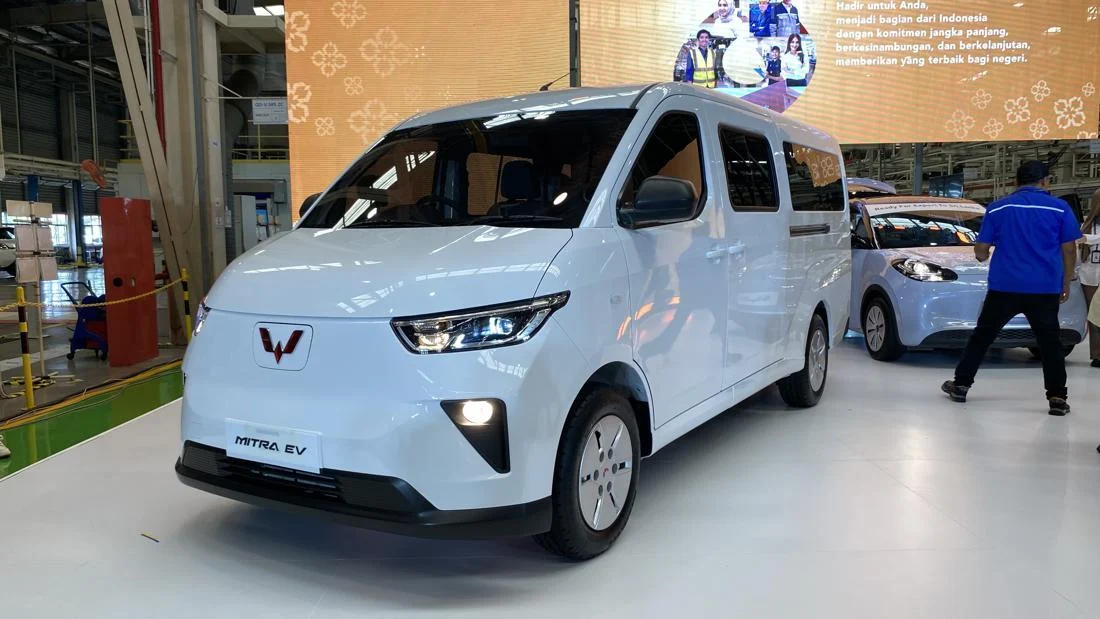
The Depok City Government has officially announced a significant transition in its public transportation sector by integrating electric vehicles (EVs) into its urban transport network, commonly known as "angkot." This initiative, led by the Depok City Transportation Agency (Dinas Perhubungan or Dishub), marks a pivotal shift toward sustainable urban mobility in one of Indonesia’s most densely populated satellite cities. By replacing the aging conventional fleet with modern electric units, the city aims to reduce its carbon footprint, mitigate air pollution, and provide a more comfortable commuting experience for its residents. The primary vehicle selected for this transformation is the Wuling Mitra EV, a specialized commercial electric van that is currently undergoing modifications to meet the specific requirements of public transit.
A Strategic Transition Toward Green Mobility
The introduction of electric angkots in Depok is not merely a fleet upgrade but a strategic move aligned with the broader "Go Green" concept championed by the regional government. For decades, the traditional angkot has been the backbone of Depok’s internal transit system, yet the aging internal combustion engine (ICE) vehicles have contributed significantly to the city’s rising pollution levels and noise disturbances. The Dishub Depok, through its official social media channels, emphasized that the transition to the Wuling Mitra EV is a direct response to the urgent need for environmentally friendly and pollution-free transportation solutions.
Aan Syurahman, the Acting Head (Plt.) of the Depok City Transportation Agency, confirmed that the government is currently overseeing the preparation of these vehicles. The focus is on ensuring that the capacity and specifications of the Wuling Mitra EV are optimized for the high-demand routes of Depok. Specifically, these new electric units are slated to replace the D10A route, a key corridor that serves a significant portion of the city’s daily commuters. The move is expected to serve as a pilot project that could eventually lead to the complete electrification of all public transport routes within the city.
Technical Specifications of the Wuling Mitra EV
The selection of the Wuling Mitra EV as the flagship for Depok’s new angkot fleet is based on its robust technical profile and its suitability for urban commercial use. As a dedicated commercial electric vehicle, the Mitra EV offers a blend of efficiency, range, and modern features that are often absent in traditional public transport vans.
The Wuling Mitra EV Minibus model, which will be utilized in Depok, carries a market price starting at approximately Rp 348 million. In terms of physical dimensions, the vehicle is designed to maximize interior space while remaining maneuverable in Depok’s often congested streets. It measures 5,010 mm in length, 1,800 mm in width, and 1,975 mm in height, with a substantial wheelbase of 3,050 mm. These dimensions allow for a versatile seating arrangement that can accommodate a significant number of passengers without compromising comfort.
The heart of the Wuling Mitra EV is its Lithium Iron Phosphate (LFP) battery technology. LFP batteries are widely recognized in the EV industry for their thermal stability, safety, and longevity compared to other lithium-ion chemistries. Wuling offers two primary battery configurations for this model:
- Long Range Model: Equipped with a 41.9 kWh battery, providing a range of up to 300 kilometers on a single full charge.
- Premium Range Model: Equipped with a 56.2 kWh battery, extending the operational range to approximately 400 kilometers.
For the purpose of urban angkot operations, the 300km to 400km range is more than sufficient for a full day of service without the need for midday recharging. Furthermore, the vehicle supports fast-charging capabilities via a CCS2 (Combined Charging System) port. This system allows the battery to be charged from 30 percent to 80 percent in just 30 minutes, ensuring that downtime at transit hubs is kept to a minimum.
Under the hood, the Mitra EV is powered by an electric motor capable of producing 75 kW of power and a maximum torque of 180 Nm. The power is delivered to the rear wheels, providing the necessary traction for varied urban terrains. Drivers can choose between three driving modes—Eco, Normal, and Sport—allowing for an optimized balance between energy conservation and performance. The vehicle’s top speed is electronically limited to 115 km/h, which is well above the requirements for city transit.
Inclusive Design and Enhanced Passenger Experience
One of the standout features of the new electric angkot fleet is its commitment to inclusivity. Traditional angkots in Indonesia have long been criticized for their lack of accessibility for people with disabilities, the elderly, and pregnant women. The Depok City Government is addressing these grievances by ensuring that the Wuling Mitra EV units are outfitted with inclusive facilities.
The modified vehicles will feature dedicated priority seating for pregnant women and the elderly. Furthermore, the "karoseri" (bodywork) process currently underway includes modifications to make the vehicles more accessible for passengers with disabilities. This shift represents a modernization of the service culture in public transport, moving toward a model that prioritizes passenger dignity and safety.
In addition to physical inclusivity, the government has hinted at a restructured fare system. According to statements from Dishub Depok, the operational costs of electric vehicles are significantly lower than their gasoline-powered counterparts due to lower energy prices and reduced maintenance requirements (as electric motors have fewer moving parts than ICE engines). These savings are projected to be passed down to the commuters, making the electric angkot a more affordable option for the general public.
Chronology of the Project and Implementation Stages
The journey toward electrifying Depok’s public transport has been a multi-stage process involving planning, procurement, and technical adaptation.
- Feasibility and Planning Phase: The Depok City Government conducted a series of studies to identify routes with the highest environmental impact and passenger density. The D10A route was identified as a primary candidate for the pilot program.
- Vehicle Selection and Procurement: After evaluating various commercial EV options available in the Indonesian market, the Wuling Mitra EV was selected due to Wuling’s established service network and the vehicle’s specific battery performance.
- Karoseri and Customization: Currently, the units are at the karoseri stage. In the Indonesian automotive context, this involves specialized workshops that modify the base van chassis into a public transport configuration, adding benches, handles, safety features, and the distinctive Depok public transport branding.
- Operational Testing: Before a full-scale rollout, the vehicles will undergo rigorous testing to ensure they can handle Depok’s topography and the typical passenger loads encountered during peak hours.
- Infrastructure Readiness: Parallel to vehicle preparation, the city is identifying locations for charging stations. While the vehicles have a long range, establishing a reliable charging infrastructure at angkot terminals is crucial for long-term sustainability.
Broader Impact and Environmental Implications
The electrification of the angkot fleet in Depok carries profound implications for urban planning and environmental health. As a satellite city to Jakarta, Depok experiences high levels of cross-border traffic, contributing to regional smog. By converting public transit to EVs, Depok is taking a leadership role in the national goal of achieving Net Zero Emissions by 2060.
From an environmental standpoint, the removal of tailpipe emissions from the D10A route will lead to a localized improvement in air quality. This is particularly important in Depok, where many residential areas are closely integrated with commercial transit corridors. Furthermore, the reduction in noise pollution is a significant benefit; electric motors operate almost silently, which will contribute to a more peaceful urban environment.
Economically, the project supports the domestic EV industry. Wuling has a strong manufacturing presence in Indonesia, and the adoption of their vehicles for public service contracts bolsters the local supply chain and encourages other manufacturers to bring commercial EV models to the Indonesian market.
Public and Official Reactions
The reaction from the public has been largely positive, though tempered with questions regarding infrastructure. Commuters have expressed excitement over the prospect of air-conditioned, quiet, and modern vehicles replacing the often-cramped and aging traditional angkots. The inclusion of disability-friendly features has been particularly praised by social advocacy groups.
However, transport observers have noted that the success of this initiative will depend on the "ecosystem" rather than just the vehicles. This includes the availability of fast-charging stations and the training of drivers to handle electric drivetrains effectively. There is also the matter of the existing angkot drivers and owners. The government has indicated that the transition will be handled carefully to ensure that current operators are integrated into the new system, potentially through cooperatives or new management models that reduce the financial burden of the high upfront cost of electric vehicles.
Conclusion and Future Outlook
The deployment of the Wuling Mitra EV as the new face of Depok’s public transportation is a landmark event in Indonesia’s journey toward sustainable development. By prioritizing green technology, inclusivity, and affordability, the Depok City Government is setting a benchmark for other municipalities across the archipelago.
As the units finish their preparation in the karoseri workshops, all eyes will be on Depok to see how this transition performs in a real-world setting. If successful, the Depok model could serve as a blueprint for the "Angkot of the Future"—a system that is no longer characterized by black smoke and loud engines, but by clean energy, modern technology, and a commitment to serving all members of society. The move signifies that the era of fossil-fuel-dependent public transit in Depok is beginning to wane, making way for a cleaner, quieter, and more efficient urban future.

