
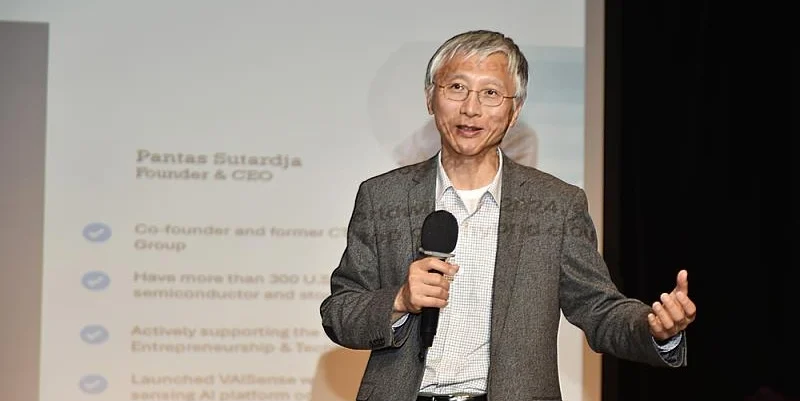
Pantas Sutardja, a 63-year-old Indonesian-born entrepreneur who now holds United States citizenship and resides in Saratoga, California, has solidified his position as a titan in the global semiconductor industry. Recognized for his instrumental role in co-founding Marvell Technology, Sutardja was recently listed in the 2026 Forbes "America’s Richest Immigrants" ranking, securing the 91st position. With an estimated net worth of 1.7 billion USD—approximately 29.84 trillion IDR—his journey from an aspiring engineer to a billionaire provides a compelling case study on the impact of specialized technological expertise on the modern global economy.
The Rise of a Semiconductor Titan
The trajectory of Pantas Sutardja’s career is inextricably linked to the rapid expansion of the semiconductor industry in the late 20th century. While many innovators in the 1990s focused on software development, Sutardja recognized the foundational importance of hardware. In 1995, alongside his late brother, Sehat Sutardja, and his sister-in-law, Weili Dai, he founded Marvell Technology.
The company began as a startup operating out of a modest residence in California. Unlike many of his contemporaries who sought immediate venture capital backing, the Sutardja brothers and Dai leveraged their deep technical backgrounds to develop high-performance storage and communications chips. This period marked the beginning of what would become a cornerstone of modern computing: the miniaturization and optimization of semiconductors.
By the early 2000s, Marvell had transitioned from a domestic startup to a publicly traded powerhouse listed on the NASDAQ. The company specialized in mixed-signal and digital signal processing integrated circuits. Its products became vital components in hard disk drives, mobile devices, and networking equipment, effectively bridging the gap between data storage and high-speed transmission.
Chronology of Innovation and Professional Milestones
The professional life of Pantas Sutardja is characterized by a relentless focus on research and development. Holding a Ph.D. in Computer Science and Electrical Engineering from the University of California, Berkeley, his technical acumen allowed him to contribute to more than 300 patents during his tenure at Marvell.
- 1995: Founding of Marvell Technology in California.
- 1995–2014: Serving in various leadership capacities, including Chief Technology Officer (CTO), where he oversaw the architectural development of Marvell’s core semiconductor products.
- 2013: Establishment of LatticeWork, a company focusing on global security platforms and edge artificial intelligence (AI) solutions, signaling a shift toward the next frontier of computing.
- 2015: Pivotal involvement in the Series A funding round for Credo Technology. Sutardja joined the board of directors, providing strategic oversight for the company’s high-speed connectivity solutions.
- 2022: Credo Technology successfully lists on the NASDAQ, further cementing Sutardja’s influence in the hardware connectivity market.
While his brother Sehat and sister-in-law Weili departed from Marvell in 2016 following an internal accounting investigation—though neither faced formal criminal charges—Pantas had already begun transitioning his focus toward new ventures and strategic investments in deep-tech startups.
The Economic Significance of the Semiconductor Sector
To understand the scale of Sutardja’s wealth, one must understand the economic weight of the semiconductor industry. Semiconductors, or "chips," act as the nervous system of the modern world. From the automotive industry to aerospace and consumer electronics, the demand for these components has transformed them into a geopolitical asset.
Global semiconductor sales reached record levels in the mid-2020s, with demand driven by the proliferation of artificial intelligence and cloud computing infrastructure. Companies like Marvell, which provide the high-bandwidth interconnects necessary for AI data centers, occupy a critical niche in the global supply chain. Sutardja’s 3% stake in Credo Technology, which specializes in high-performance serial connectivity, places him at the center of the current data-transmission revolution.
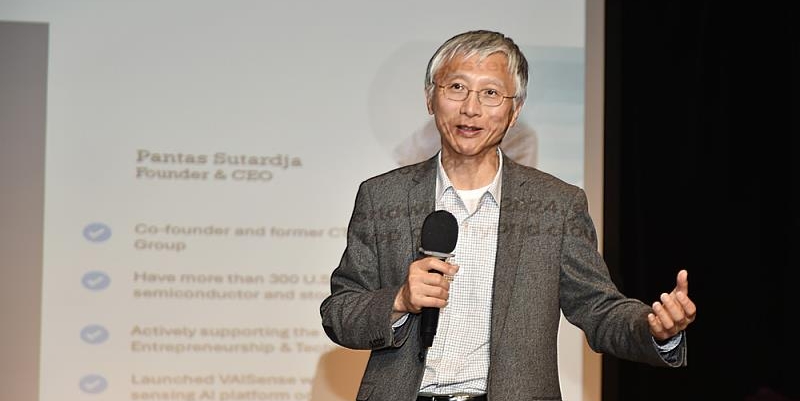
From a macroeconomic perspective, the success of individuals like Sutardja highlights the necessity of "deep-tech" ecosystems. Silicon Valley’s ability to foster the growth of companies like Marvell is not merely a result of capital availability, but of a robust synergy between top-tier academic research institutions—such as UC Berkeley—and a professional culture that prioritizes long-term intellectual property development over short-term market gains.
Comparative Analysis: Ecosystems and Brain Drain
The story of Pantas Sutardja frequently prompts discussions regarding "brain drain" and the challenges faced by developing economies in retaining high-level technical talent. Indonesia, while home to a burgeoning digital economy, has historically struggled to cultivate an environment conducive to deep-tech hardware manufacturing.
Economists often point to the "hilirisasi" (downstreaming) policies enacted in various emerging markets. While these policies aim to move nations up the value chain—from exporting raw materials to producing finished goods—the semiconductor industry requires a unique set of prerequisites: advanced educational infrastructure, legal frameworks that aggressively protect intellectual property, and venture capital that is patient enough to wait for multi-year product development cycles.
When comparing the career path of Sutardja to the broader landscape of Indonesian industry, the primary discrepancy lies in the focus of innovation. While regional markets often prioritize service-based digital startups (such as fintech or e-commerce), Sutardja’s path involved the creation of proprietary, patent-protected hardware. This distinction is critical; software-based platforms often scale rapidly but depend on underlying hardware layers that are frequently manufactured abroad.
Future Implications and Legacy
As Sutardja continues his work with LatticeWork and his advisory roles in the industry, his legacy remains a subject of interest for those studying global economic development. His ability to synthesize complex engineering problems into market-leading products has provided a blueprint for how individuals can influence global infrastructure.
Industry analysts observe that as the world moves toward an "edge AI" future—where data processing happens on the device rather than in a distant server—the technologies pioneered by firms like those Sutardja supports will become even more integral. The transition toward energy-efficient, high-speed chips is expected to be the defining technological challenge of the next decade.
Furthermore, the narrative of his success serves as a reminder of the global nature of talent. The ability of the United States to attract and integrate global expertise has been a primary driver of its technological hegemony. For nations like Indonesia, the challenge is not a lack of innate intelligence or capacity, but the development of a sustainable ecosystem that can turn individual brilliance into domestic industrial empires.
Conclusion: A Metric of Success
Pantas Sutardja’s inclusion in the list of the wealthiest immigrants in the United States is more than a financial statistic; it is a testament to the power of technical specialization. His 29.84 trillion IDR net worth is the cumulative result of decades of intellectual property generation, strategic risk-taking, and active participation in the global technology market.
As the world continues to grapple with the complexities of digital transformation, the contributions of engineers like Sutardja serve as the bedrock upon which modern convenience is built. While his corporate journey took place thousands of miles from his birthplace, the implications of his work are felt globally, proving that in the field of semiconductors, innovation is the ultimate currency. His career trajectory stands as an enduring example of how scientific expertise, when paired with an entrepreneurial mindset, can fundamentally alter the technological landscape of the 21st century.

