
Behind the closed doors of modern classrooms, amidst stacks of lesson plans and administrative obligations, a quiet revolution is taking shape. Teachers and university lecturers across Indonesia share a profound, universal anxiety: How can educators remain relevant, engaging, and effective in an era defined by lightning-fast technological advancement and shifting generational norms? Today’s students are vastly different from those of past decades, possessing digital fluency, shorter attention spans, and critical thinking skills catalyzed by ubiquitous internet access.
To confront this pressing pedagogical challenge head-on, thousands of educators from diverse regions across the archipelago have stepped forward. Seeking to elevate their professional standards and adapt to modern demands, these teachers and lecturers have immersed themselves in rigorous training regimens and cross-regional communities of practice. At the forefront of this movement is the Inspiring Educators initiative, spearheaded by ParagonCorp. This comprehensive ecosystem comprises two primary pillars: the Inspiring Lecturer Program (ILP) designed specifically for higher education faculty, and the Wardah Inspiring Teacher (WIT) program tailored for foundational and secondary school educators.
Navigating the Pedagogical Demands of Generation Z and Artificial Intelligence
The realities of modern teaching extend far beyond traditional textbook memorization. Faculty members find themselves grappling with the integration of artificial intelligence (AI) and the unique behavioral traits of Generation Z and the emerging Generation Alpha. For RR Roosita Cindrakasih, a Communications lecturer at Bina Sarana Informatika University (UBSI), participating in the Inspiring Lecturer Program provided a much-needed intellectual and practical awakening.
Engaging with seasoned educational experts during the program, Roosita gained actionable insights into how emerging technologies and generational psychology intersect inside the lecture hall. The training demystified the practical application of AI tools in academic settings, offering step-by-step methodologies for classroom integration. Furthermore, it provided nuanced strategies for mastering public speaking and communication when addressing tech-native students.
"We learned how to utilize AI step-by-step, how to optimize public speaking for Gen Z, and how to approach Generation Alpha. It was absolute brain food," Roosita shared following the conclusion of the Inspiring Educators ParagonCorp event in Jakarta.
For Roosita, the urgency of such professional development cannot be overstated. As tertiary educators serve as the frontline gatekeepers in preparing the nation’s future workforce, they require robust "ammunition" to match the innate intelligence, creativity, and critical faculties of contemporary youth. Continuous upskilling is no longer merely a career option; it is an institutional necessity to bridge the gap between academia and the demands of tomorrow’s professional landscape.
Unlocking Inter-Institutional Collaboration and Research Synergy
Beyond direct classroom instructional techniques, the Inspiring Lecturer Program addresses a persistent structural challenge in higher education: academic isolation. Faculty members often find themselves siloed within their respective institutions, limiting opportunities for multidisciplinary research and shared innovation. The ILP framework actively disrupts these boundaries by establishing vibrant academic communities where lecturers can exchange insights, forge strategic partnerships, and conceptualize ideas that transcend traditional campus walls.
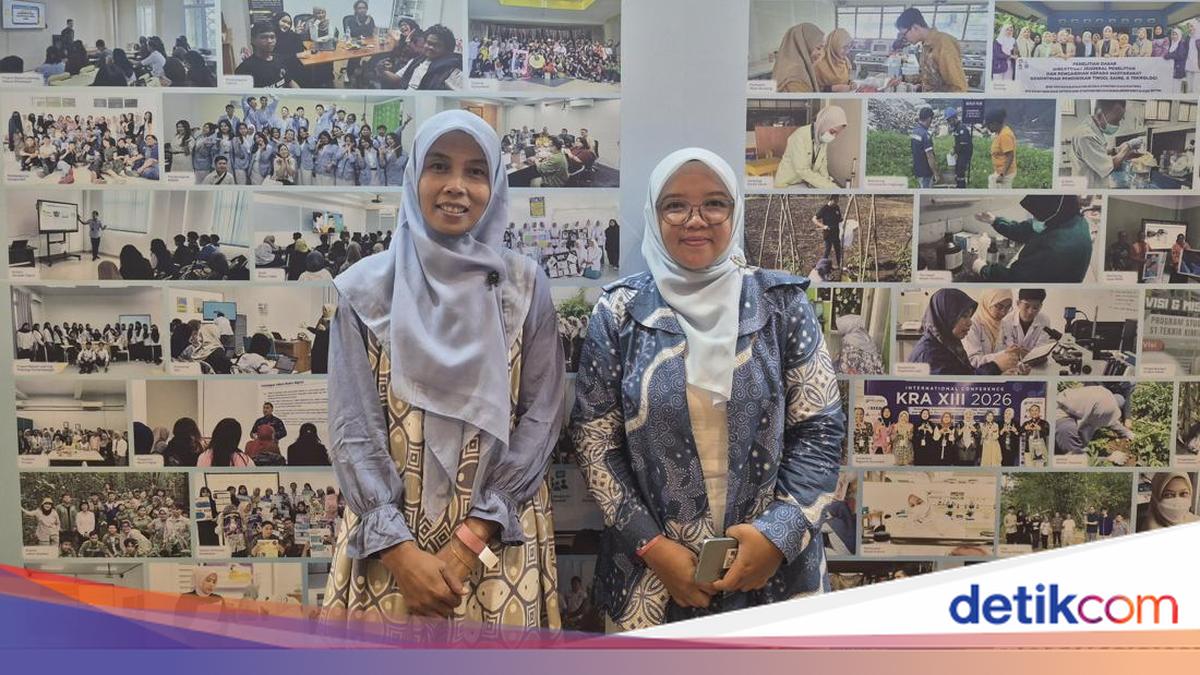
Wulan Muhariani, another UBSI communications lecturer and an alumnus of the ILP initiative, emphasized how the program dramatically expanded her professional network and institutional capacity. Prior to her involvement, her academic interactions were largely confined to her immediate campus environment. Through the program, she gained exposure to peers from a multitude of external universities.
This expanded network has proven invaluable in executing the "Tri Dharma Perguruan Tinggi"—the three core pillars of Indonesian higher education: education, research, and community service. Wulan noted that cross-campus collaboration has streamlined her research obligations, particularly when specialized facilities or cross-disciplinary expertise are unavailable at her home institution.
"It has significantly simplified the execution of my Tri Dharma responsibilities," Wulan explained.
In addition to networking benefits, the training forced a deep introspective look at her own teaching methodologies. Acknowledging that student demographics continue to evolve rapidly in temperament and cognition, Wulan realized the necessity of regular self-reflection. The program prompted her to question the continued efficacy of her historical lesson plans, prompting immediate adjustments upon her return to campus. This cycle of continuous evaluation ensures that academic instruction remains dynamic rather than static.
The Evolution of the Lifelong Learner: Perspectives from Basic Education
While higher education grapples with AI and advanced research frameworks, basic and secondary education faces its own unique hurdles. Nurhasanah, an English teacher at SMPN 5 Cikupa, Tangerang Regency, entered the Wardah Inspiring Teacher (WIT) program with a distinct objective: to discover innovative ways to inspire authentic enthusiasm for language learning among her adolescent students.
A parallel sentiment was expressed by Reni Nurjanah, a fifth-grade teacher at MI Swasta Neglasari, West Bandung Regency. Reni highlighted how the program successfully translated abstract educational theories into tangible, actionable classroom practices. One of the most profound realizations during her participation was that effective teaching does not require opulent facilities or expensive modern technology. Instead, meaningful learning can be anchored in simple, everyday activities connected directly to real-world problems.
Crucially, the foundational mindset instilled throughout the WIT training was not about transforming educators into infallible, all-knowing authorities, but rather cultivating a lifelong identity as a "teacher-learner."
"Beyond gaining valuable insights, we carry the obligation to apply these lessons directly within our respective classrooms," Reni noted.
A Highly Competitive Selection Process and Institutional Support
Gaining entry into the Wardah Inspiring Teacher program is no small feat. Nurhasanah and Reni successfully navigated a rigorous, multi-tiered national selection process that initially drew approximately 30,000 applicants. In the preliminary screening phase, the applicant pool was winnowed down to 25,000 candidates. Subsequent elimination rounds further compressed the field to 10,000 contenders, before culminating in the selection of the top 5,000 educators nationwide.
Reflecting on her journey, Nurhasanah expressed profound gratitude for the unwavering support of her school administration. She firmly believes that personal professional development is intrinsically tied to institutional progress. Her philosophy aligns with the core tenet that individual advancement directly contributes to collective organizational growth.
"When you advance, it means you advance your school, and that is what I will apply back home. Every piece of knowledge I have acquired will be shared with my colleagues," Nurhasanah stated. Emphasizing the ethos of lifelong education, she added, "Be a lifelong learner wherever and whenever you are, always prepared to receive new knowledge and impart it to your students."
Nurhasanah and Reni share a unified message for their peers across Indonesia: embrace every opportunity for professional development without hesitation. They advocate for an educational approach rooted in empathy and emotional resonance, asserting that lessons delivered from the heart are invariably received most deeply by students.
"Continue to grow, create, and flourish, because a teacher does not merely instruct; a teacher must actively nurture the character of the next generation," Reni concluded.
Broader Implications for National Education Standards
The concerted efforts seen in programs like ParagonCorp’s Inspiring Educators underscore a critical transition in Indonesia’s educational landscape. As the Ministry of Education continuously updates national curricula to emphasize critical thinking, character building, and technological literacy, the success of these macro-level policies ultimately depends on micro-level execution inside individual classrooms.
When teachers and lecturers are provided with the structural support, peer networks, and mental frameworks necessary to adapt to rapid societal shifts, the entire educational ecosystem benefits. Programs that bridge the gap between corporate social responsibility and national educational enhancement demonstrate that systemic improvement is a shared responsibility. By fostering resilient, adaptable, and reflective educators, initiatives such as the Inspiring Lecturer Program and Wardah Inspiring Teacher are actively laying the groundwork for a more competent, confident, and future-ready generation of Indonesian youth.

