
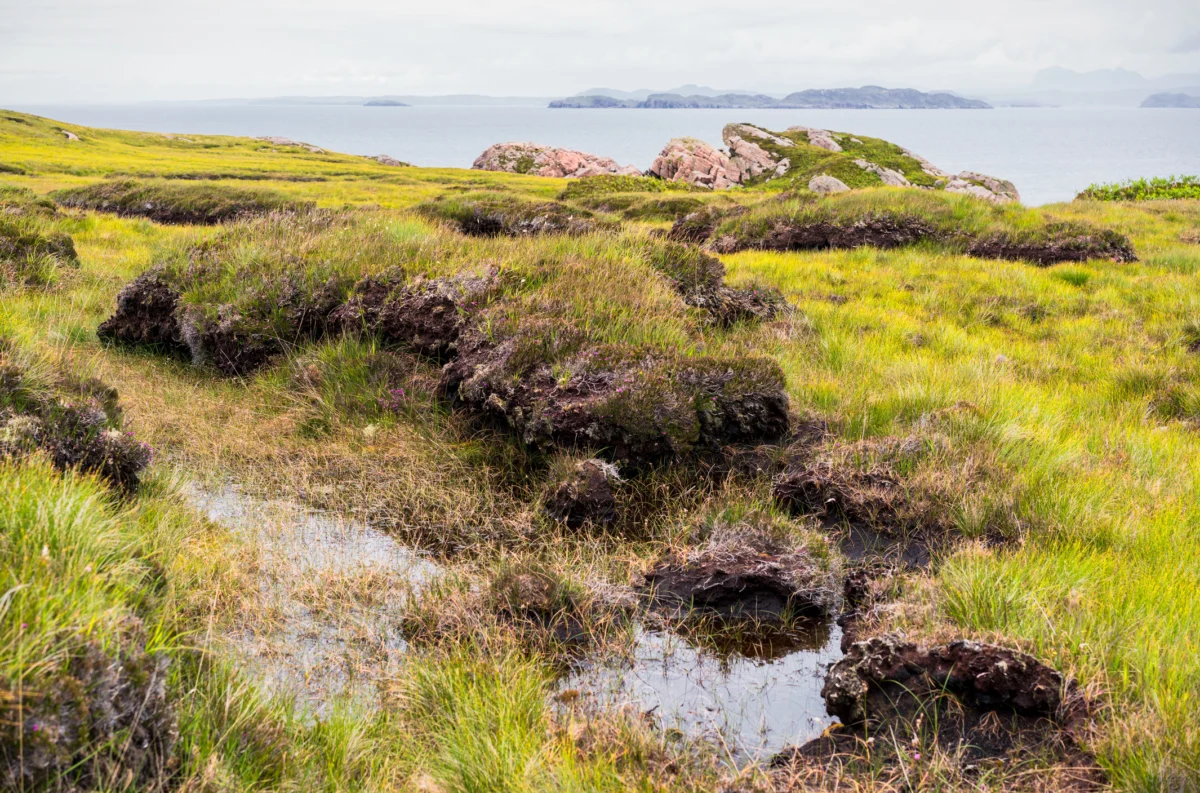
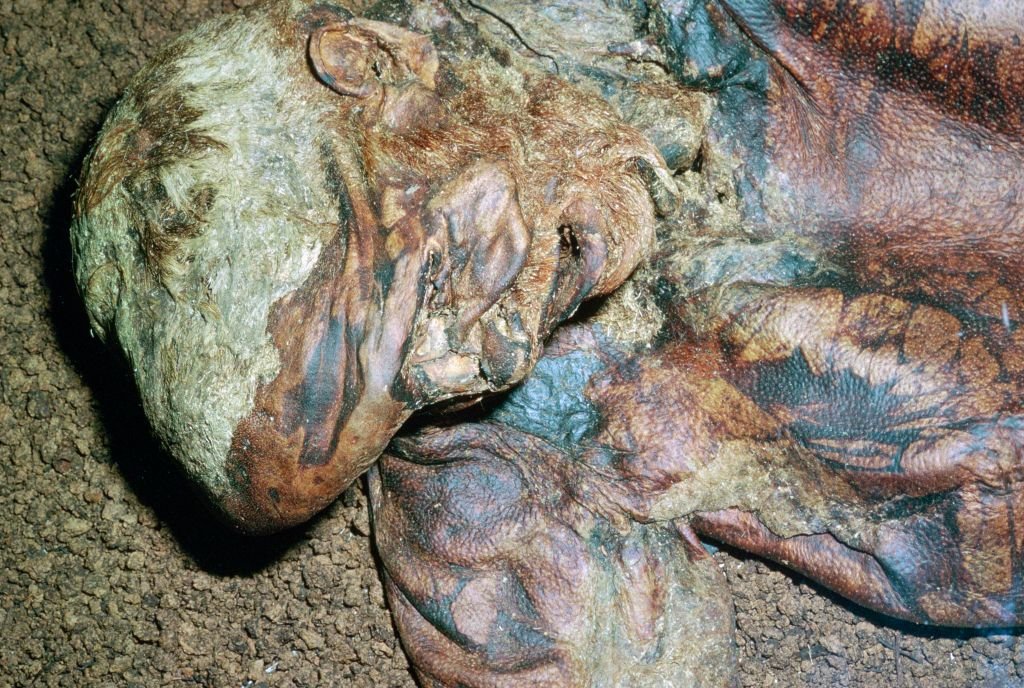
In August 1984, the landscape of Lindow Moss, a peat bog located just south of Manchester, England, surrendered a secret it had held for two millennia. Commercial peat cutters, accustomed to excavating the dense, fibrous organic material used for fuel and gardening, unearthed a human limb that led to the discovery of a remarkably well-preserved corpse. Forensic analysis later revealed the individual to be a man of approximately 25 years of age. His physical condition—a closely shorn beard, manicured nails, and evidence of a violent end involving head trauma, a cut throat, and a fractured rib—suggested a life of relative comfort suddenly extinguished by what researchers believe was a ritualized execution. This discovery, now globally recognized as the Lindow Man, serves as the primary case study for a unique archaeological phenomenon: the survival of human remains in the oxygen-deprived, acidic embrace of peatland ecosystems.
The Lindow Man is not an isolated anomaly but a prominent member of a vast, macabre catalog of over 2,000 bog bodies recovered from across Northern and Western Europe. These specimens span a staggering temporal range, from the Mesolithic period, which concluded between 8,500 and 5,500 years ago, through the Roman Iron Age, and in some instances, even into the 20th century. While the preservation of skin, hair, and internal organs is often near-perfect, the skeletal structures tell a more fragile tale. The chemical composition of the bog environment, while hostile to bacteria, acts as a solvent for calcium, leaving the bones of these individuals either softened, warped, or entirely dissolved.
The Mechanism of Natural Mummification
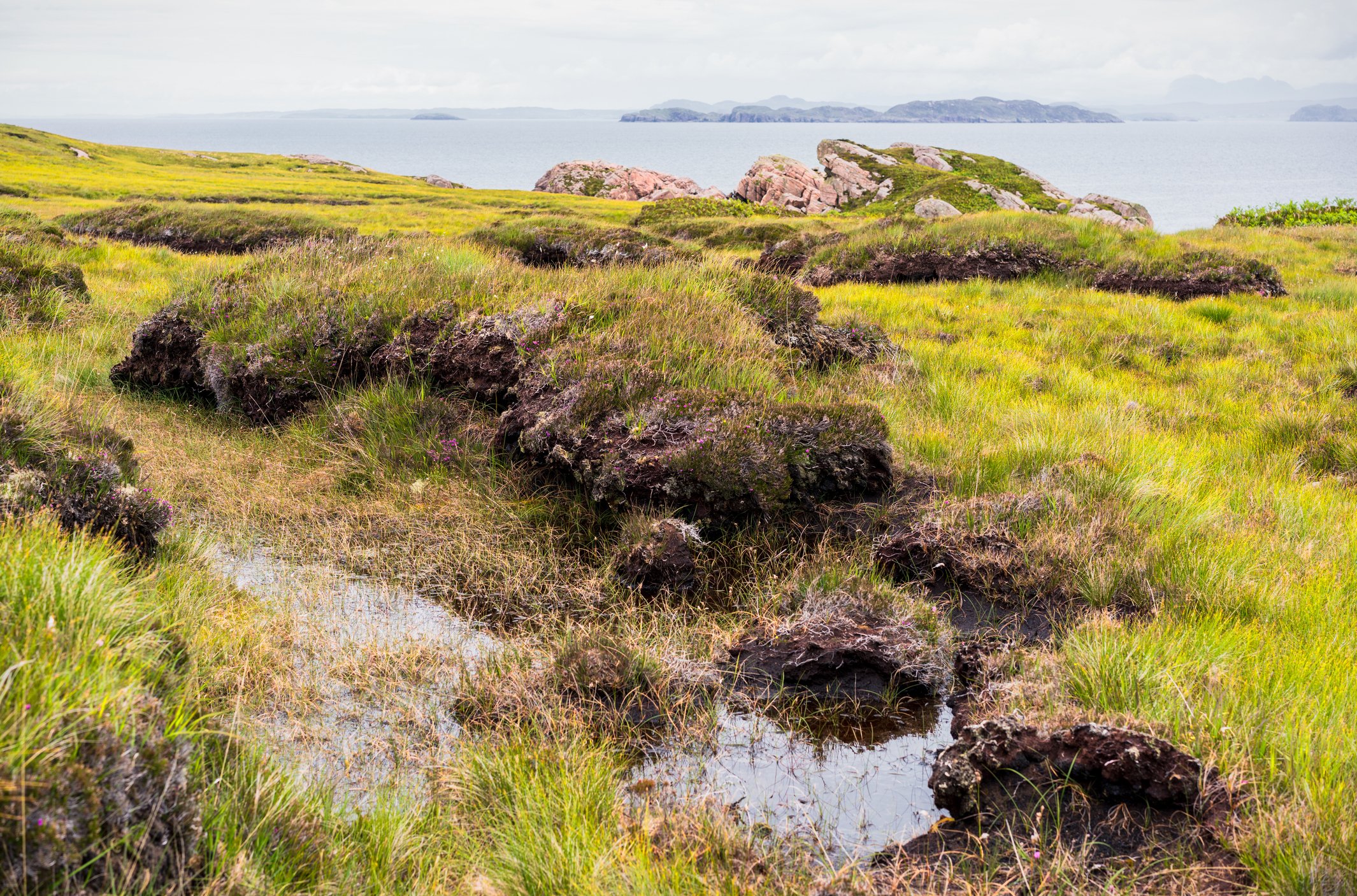
To understand the endurance of these bodies, one must examine the peculiar biology of the peat bog. These wetlands are defined by the accumulation of Sphagnum moss, a bryophyte that grows in cool, high-moisture climates. As the moss dies and is submerged, it forms peat—a layer of partially decayed organic matter. Because these bogs are primarily fed by rainwater rather than mineral-rich groundwater, they are nutrient-poor and highly acidic.

The preservation process is essentially a form of natural pickling. When a body is submerged in the stagnant, oxygen-depleted depths of a bog, the lack of air prevents the proliferation of aerobic bacteria and fungi, the primary agents of decomposition. Furthermore, the presence of Sphagnum moss leads to the release of a specific polysaccharide known as sphagnan. This compound binds to the proteins within human tissue, effectively tanning the skin and turning it a characteristic deep, leathery brown. This process halts the normal cycle of decay, allowing researchers to study not just the physical appearance of ancient individuals, but their final meals, their health, and their societal status.
A Chronology of Discovery and Research
The study of bog bodies has evolved from curiosity-driven recovery to sophisticated bioarchaeological analysis. The 1984 discovery of Lindow Man provided a turning point, as it allowed for the application of modern forensic techniques, including radiocarbon dating and isotopic analysis, which placed his death in the 2nd century BCE.
Throughout the late 20th and early 21st centuries, the scientific community has established a more comprehensive timeline of these deposits. Many of the most famous bodies, such as the Tollund Man from Denmark (found in 1950) and the Windeby Girl (found in 1952), demonstrate consistent patterns of death. Many exhibit ligature marks, throat incisions, or blunt force trauma, leading historians to conclude that these deaths were rarely accidental. Instead, they appear to be part of a long-standing tradition of ritualistic sacrifice, potentially linked to Iron Age religious practices aimed at appeasing deities during times of famine, war, or climatic shift.
Forensic Identification and Bioarchaeological Insights
Author and journalist Anna North, whose work on the intersection of forensic anthropology and historical mystery often centers on these findings, emphasizes that the identification of bog bodies relies on subtle indicators. Forensic anthropologists often look to the teeth as a primary diagnostic tool. In the era preceding modern refined flour, individuals consumed grains processed with stone querns. The resulting inclusion of grit in their bread led to distinct patterns of dental wear, a phenomenon rarely seen in post-industrial populations.
Collaboration between disciplines is paramount. Bioarchaeologists analyze the structural remains to determine biological sex and age, while pathologists evaluate trauma patterns. These examinations have revealed that many bog bodies were not merely victims of violence but were individuals of high social standing. The presence of well-manicured nails—observed on the Lindow Man—suggests that he may not have been a manual laborer, further supporting the theory that these individuals were carefully selected for ritual deposition.
The Dual Role of Peatlands in Climate Science
The significance of peat bogs extends far beyond their archaeological utility. The very chemical properties that make them effective at preserving human remains—specifically the lack of oxygen and the accumulation of organic matter—also render them some of the most critical carbon sinks on the planet.
Although peatlands occupy only about 3% of the Earth’s terrestrial surface, they are estimated to sequester twice as much carbon as all the world’s forests combined. The process that "pickles" a bog body is the same process that traps carbon dioxide, preventing it from being released into the atmosphere. Consequently, the degradation of these bogs—often caused by drainage for agriculture or commercial peat extraction—poses a significant threat to global climate stability. When peat is disturbed, the oxygen-depleted environment is breached, allowing the carbon stored over thousands of years to oxidize and return to the atmosphere as greenhouse gases.
Implications and Future Conservation
The discovery of bodies like the Lindow Man has prompted a global debate regarding the ethics of excavation and display. For many, these are not mere archaeological artifacts but human remains that deserve burial or respectful interment. The British Museum, which houses the Lindow Man, maintains him on permanent display, a decision that underscores the tension between scientific education and the preservation of human dignity.
Modern research, however, continues to yield data that would otherwise be lost to time. Recent advances in proteomics and genomic sequencing have allowed researchers to map the microbiomes of these individuals, providing insights into the diseases they carried and the environments they inhabited. This data provides a baseline for understanding human health long before the advent of modern medicine.
Furthermore, the environmental aspect of bog conservation has become a central pillar of modern conservation efforts. Governments and NGOs, particularly in the United Kingdom, Ireland, and Scandinavia, have begun to implement "peatland restoration" projects. By raising the water tables and encouraging the regrowth of Sphagnum moss, these initiatives aim to reactivate the carbon-sequestering capabilities of these landscapes while protecting potential archaeological sites that remain unexcavated.
Concluding Reflections
While the morbid allure of a preserved body remains a significant driver of public interest, the true value of bog bodies lies in their role as proxies for the past. They are, in the words of researchers, "living time capsules." They provide a visceral connection to the Iron Age, reflecting a complex intersection of human belief systems, social structures, and environmental adaptations.
As our forensic tools continue to sharpen, the stories hidden within the peat will become increasingly clear. Whether through the analysis of isotope signatures in their hair to trace their last movements, or through the study of their gut contents to map ancient agricultural practices, bog bodies will remain at the forefront of archaeological inquiry. For the average observer, they serve as a humbling reminder of the fragility of life and the immense, enduring power of the earth to preserve the remnants of those who walked it thousands of years ago. As we look toward the future, the dual mission of preserving these bodies and the peatlands that guard them remains a critical responsibility—one that balances our curiosity about the past with the urgent necessity of protecting the planet for the future.

